01
How much does a headshot session cost?
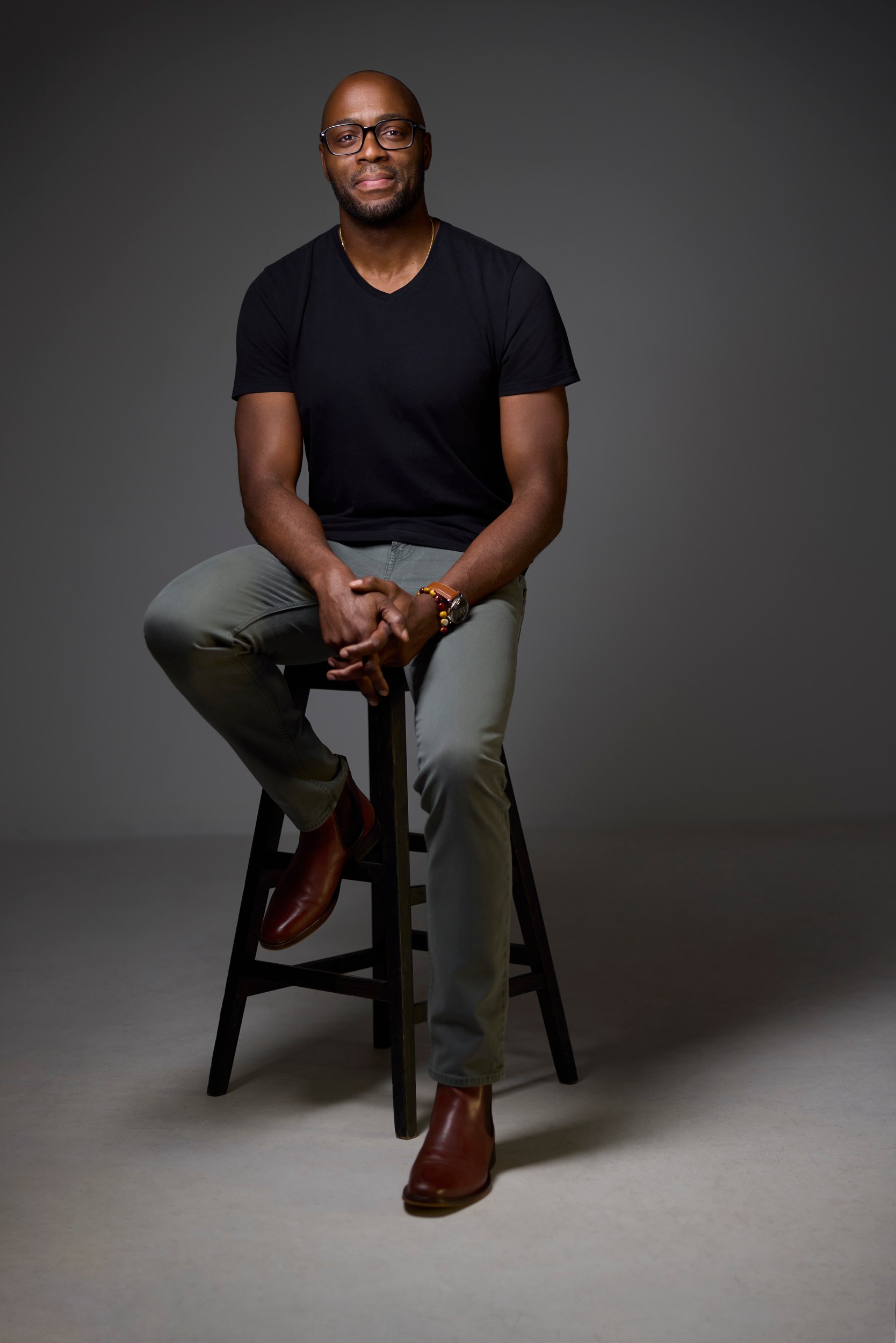
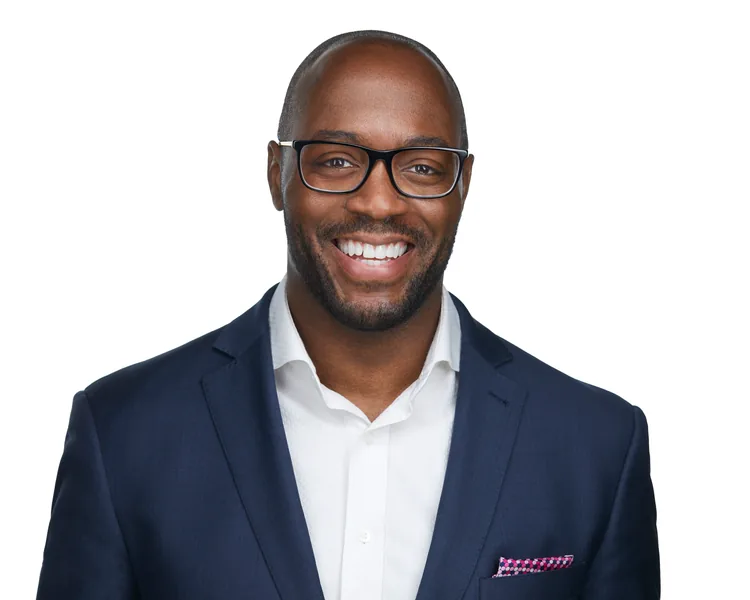
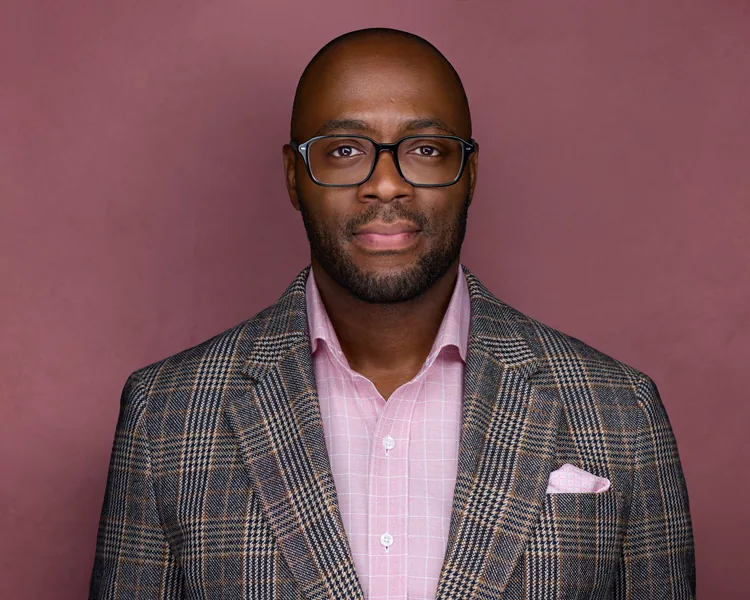
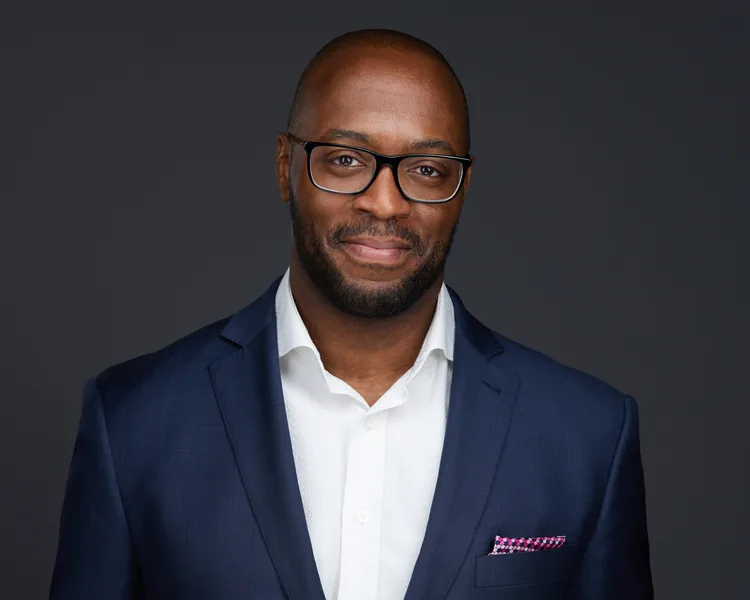
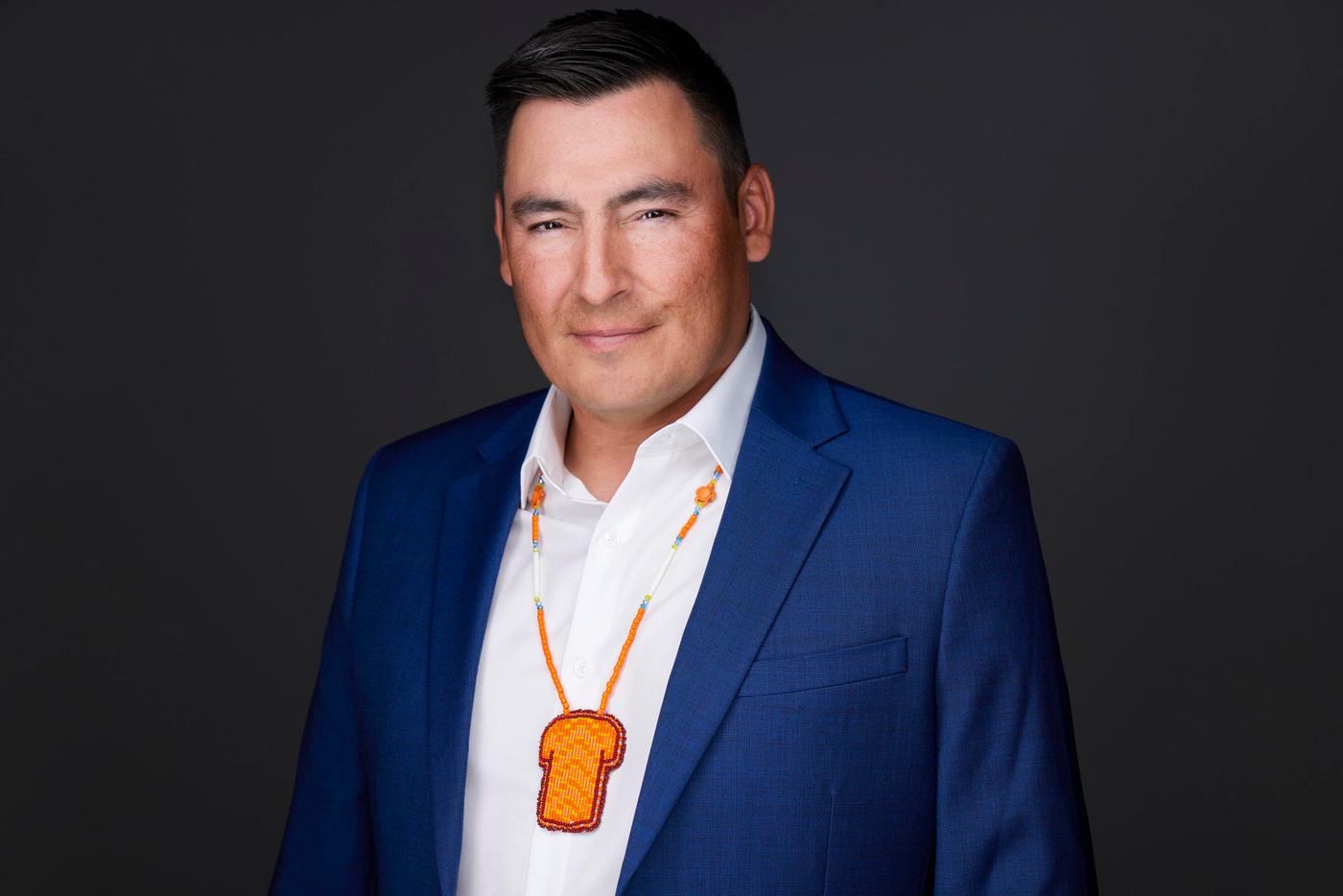
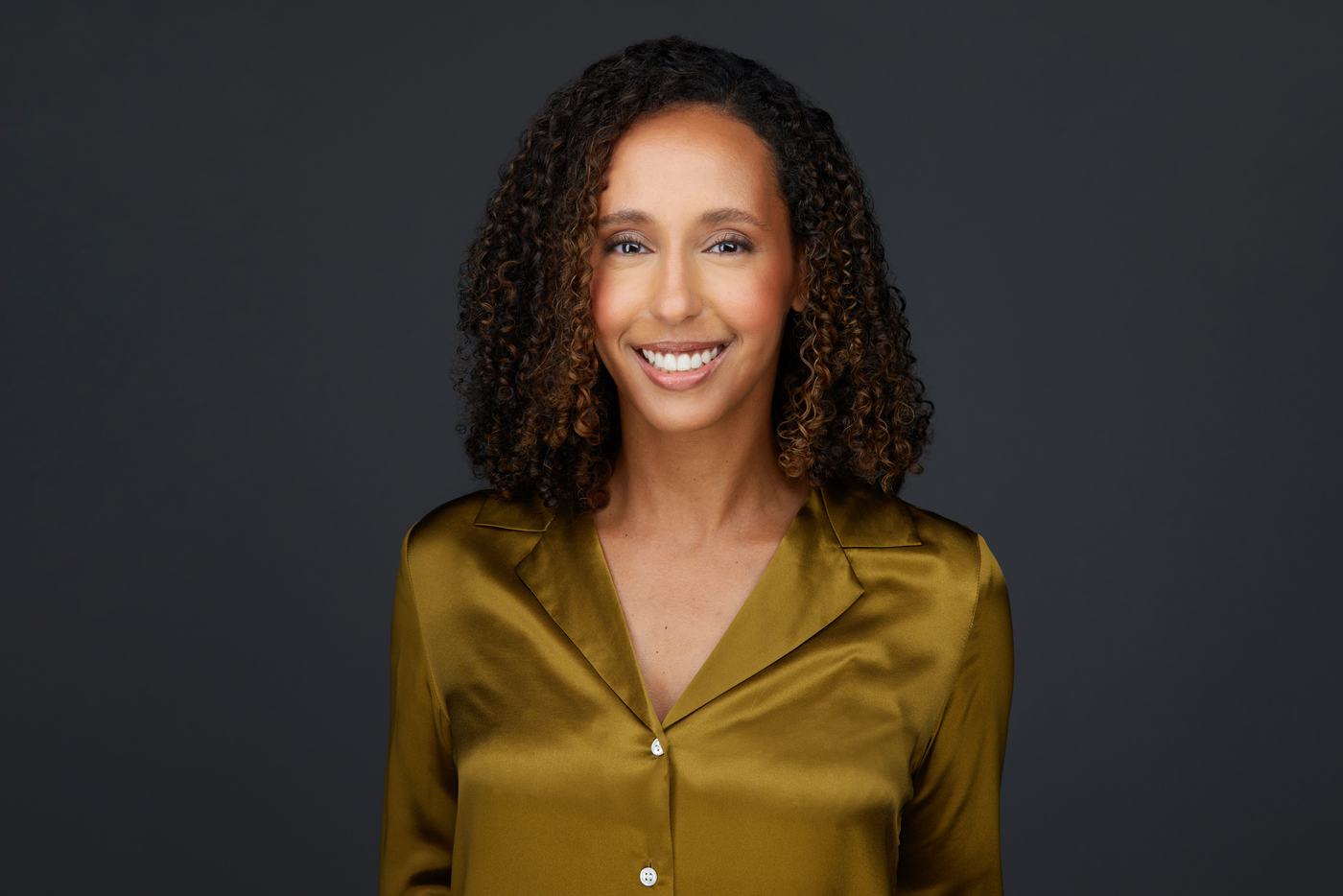
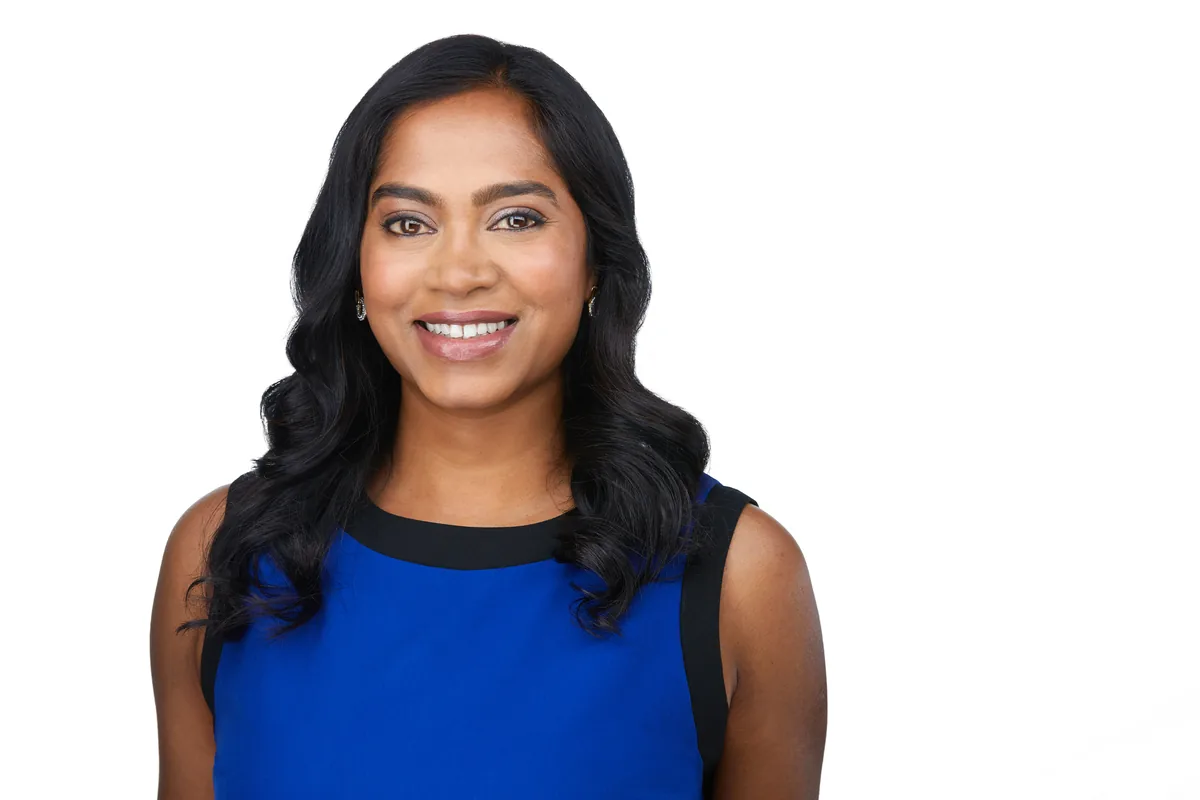
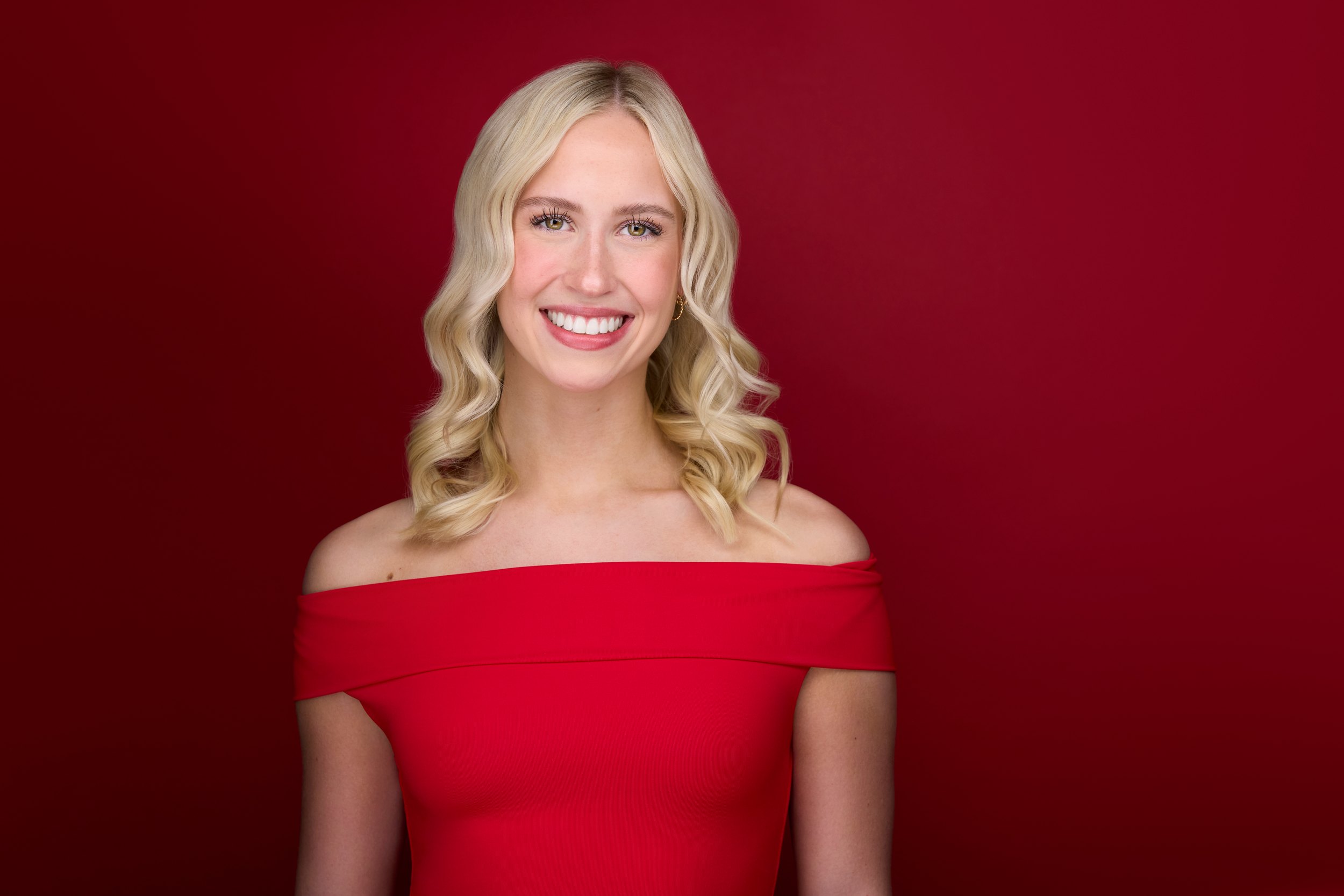
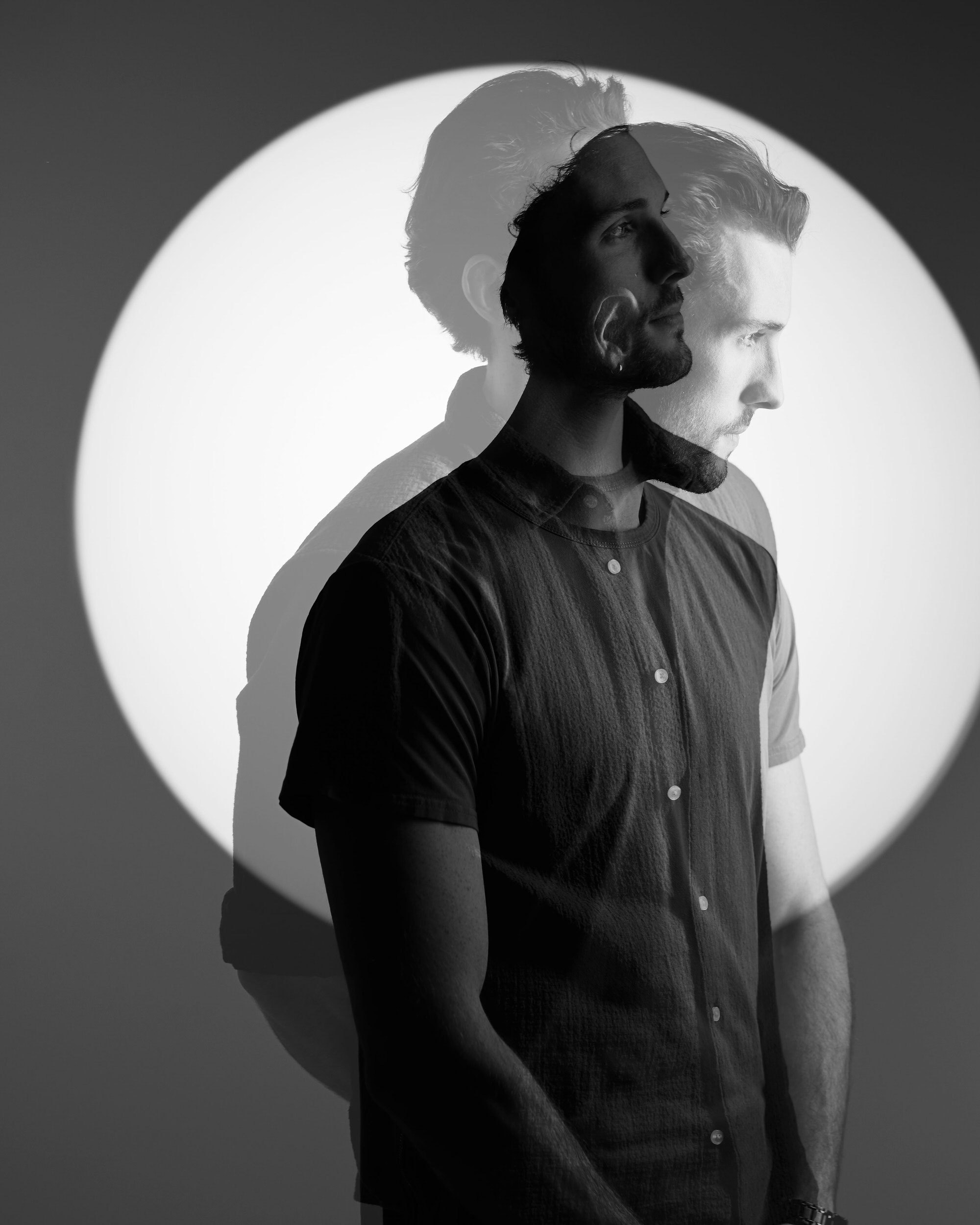
A studio headshot session is $250, plus $125 for each image you choose, the same rate whether it’s for LinkedIn, a firm bio or a casting profile. There are no packages: you pick your images after the shoot, once you’ve seen them. I’d rather you decide with the photos in front of you; people who come in wanting three often find five they love. The session isn’t timed. Nobody should feel a clock ticking, least of all someone who takes a while to relax, and getting you comfortable is my job. The session fee covers my time and 14 years of experience in the room. The image fee covers the retouching and your rights to use the photos. Location shoots, and work that needs creative planning beforehand, are quoted separately. Get in touch for the full pricing list.
02
How long does it take?
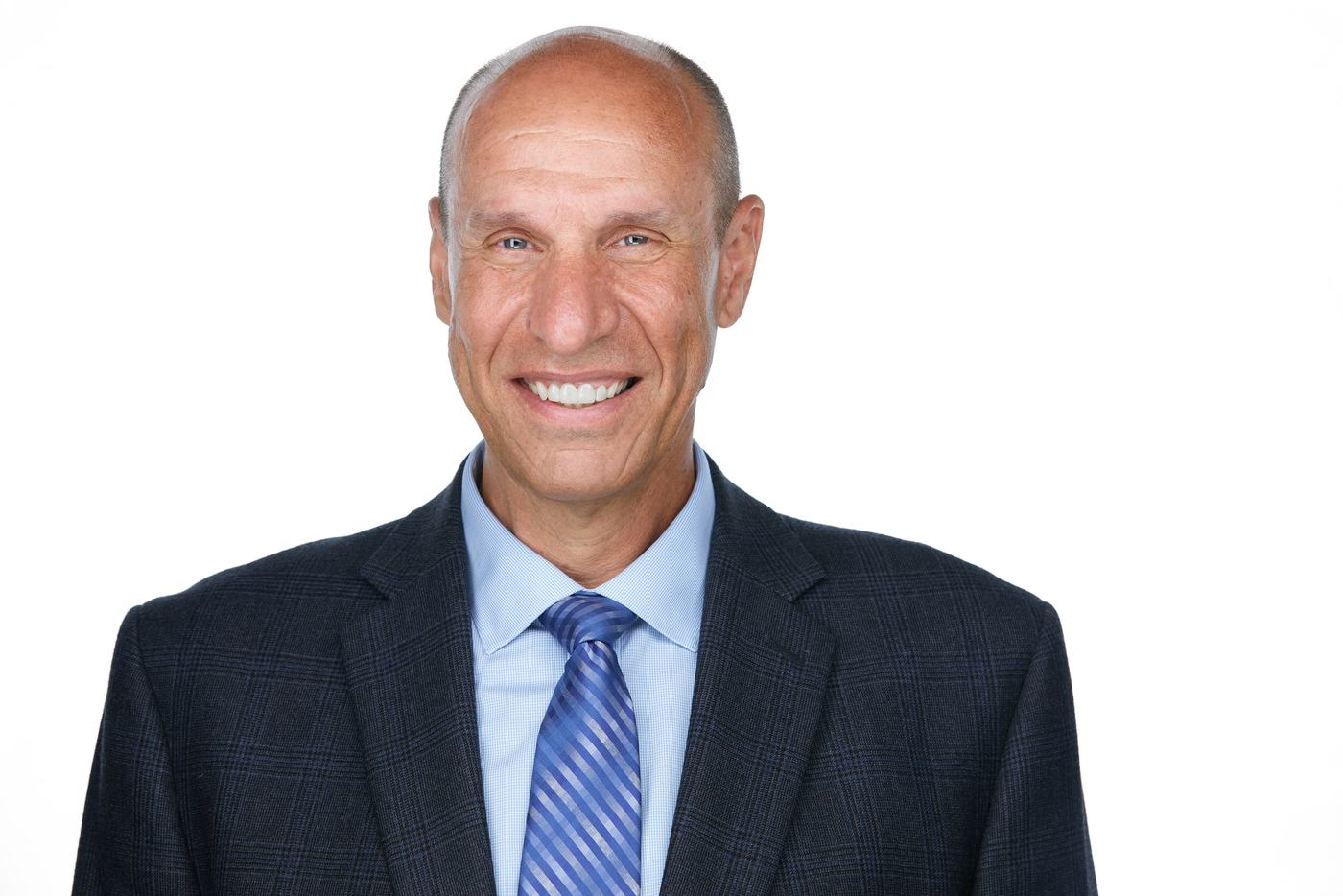
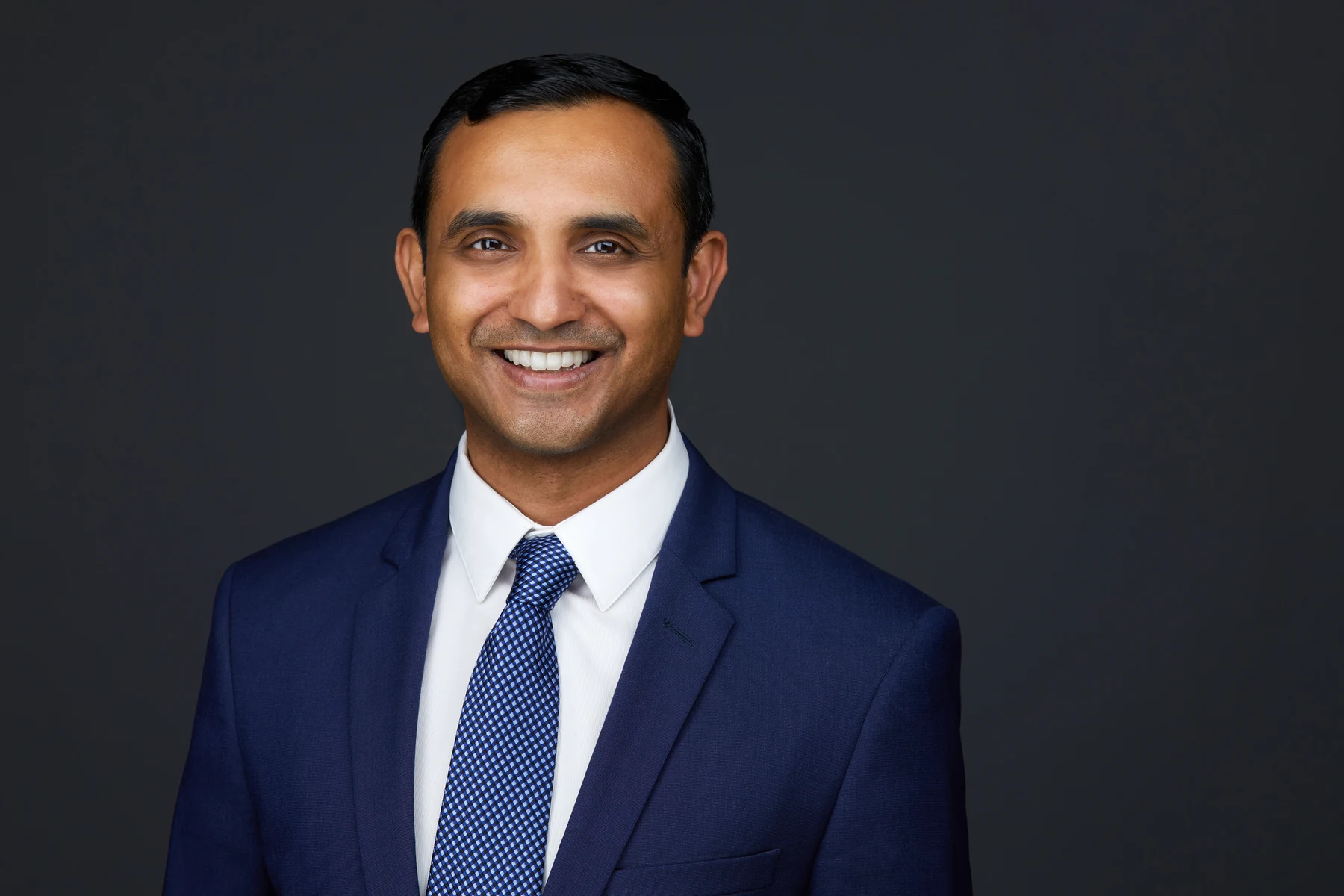
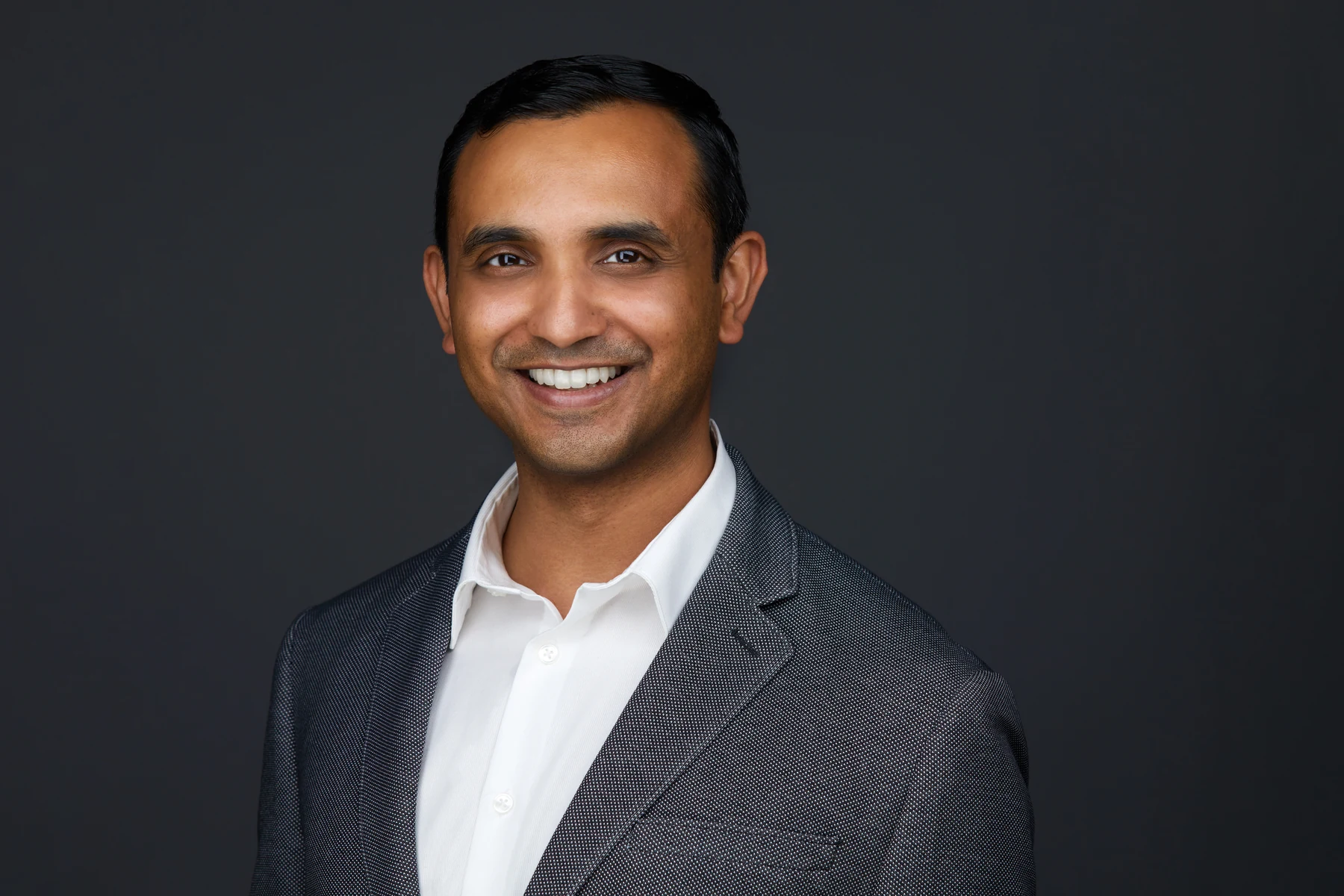
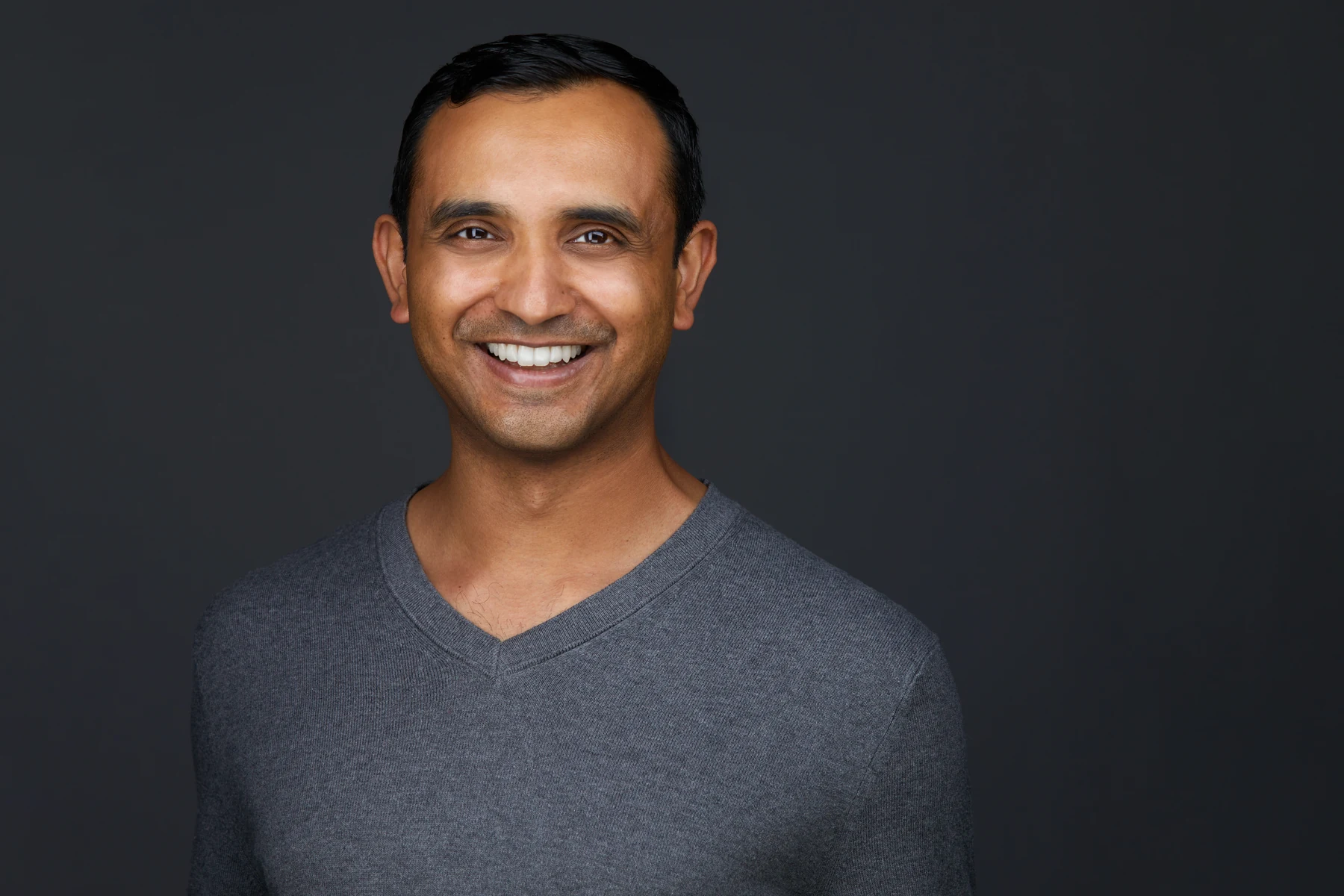
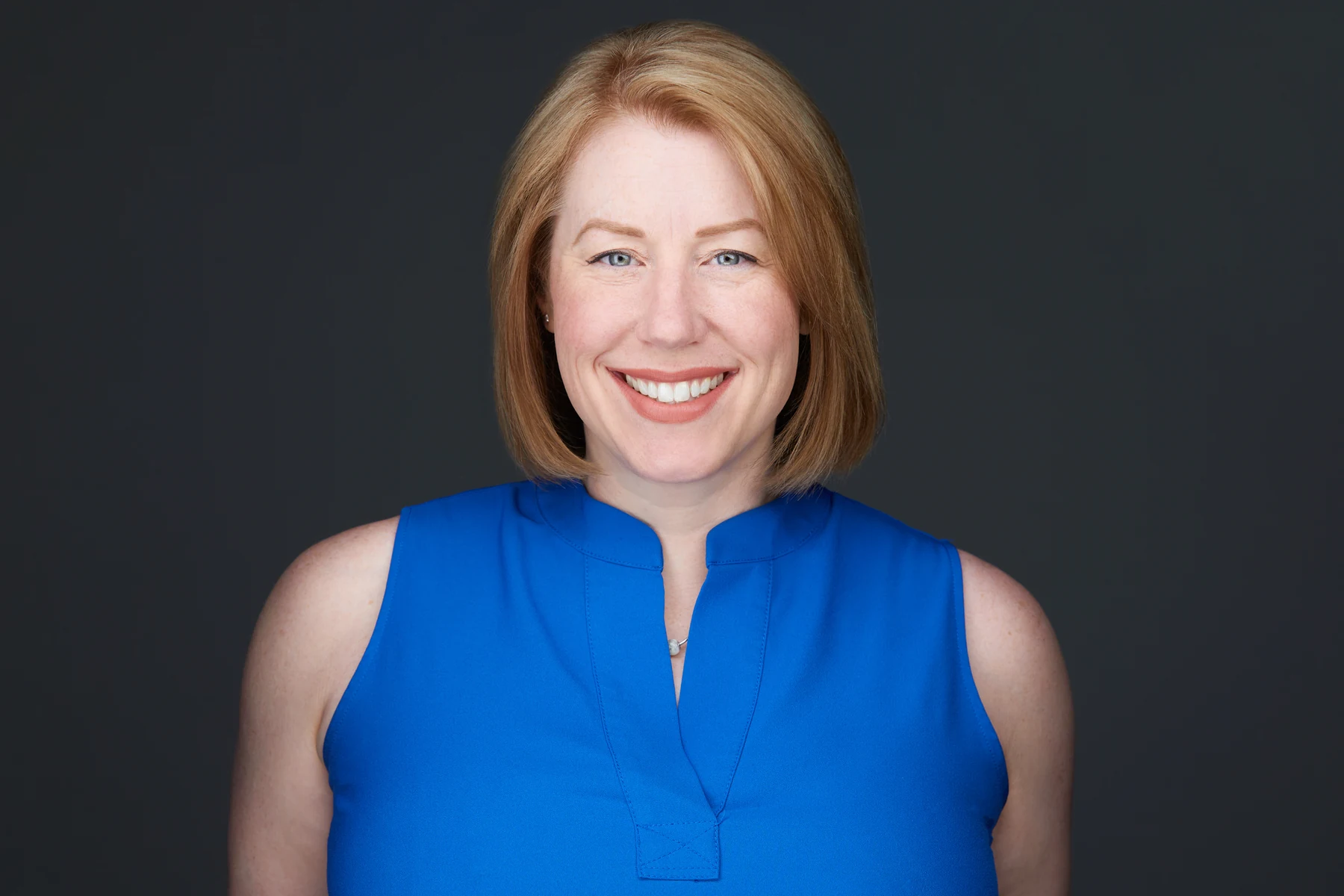
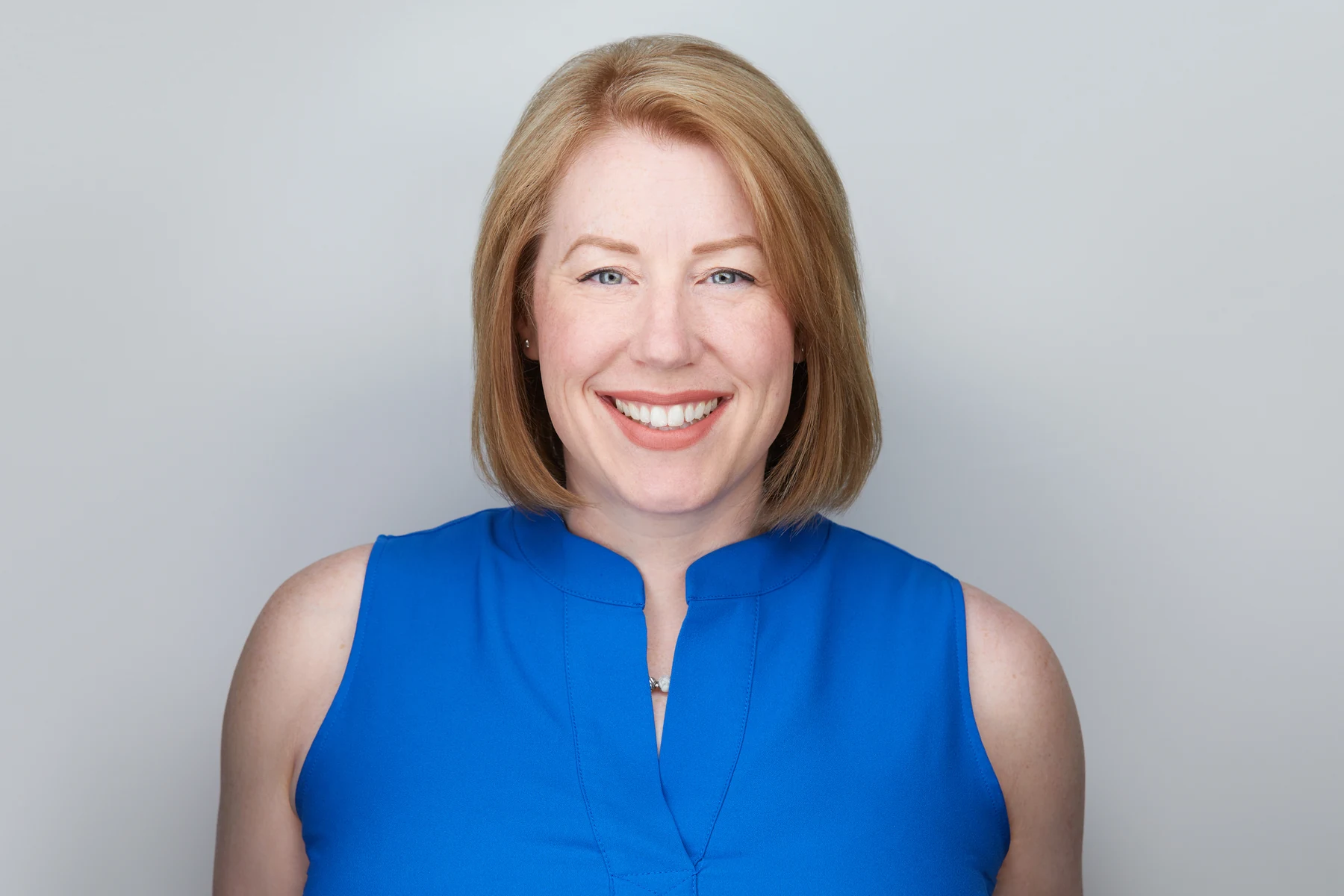
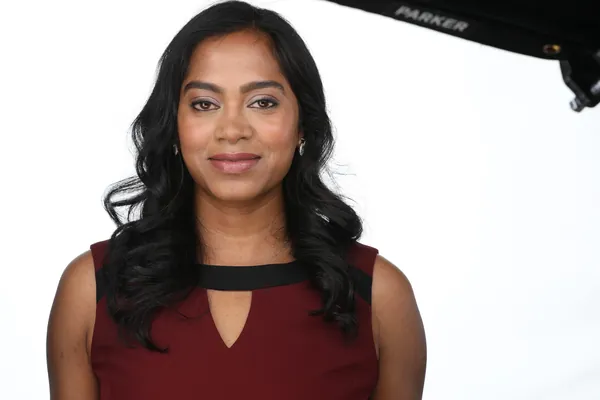
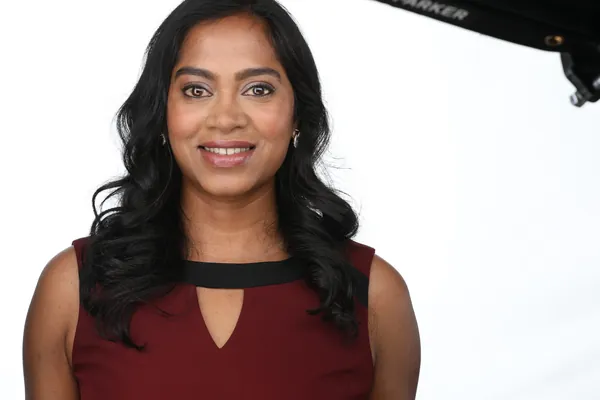
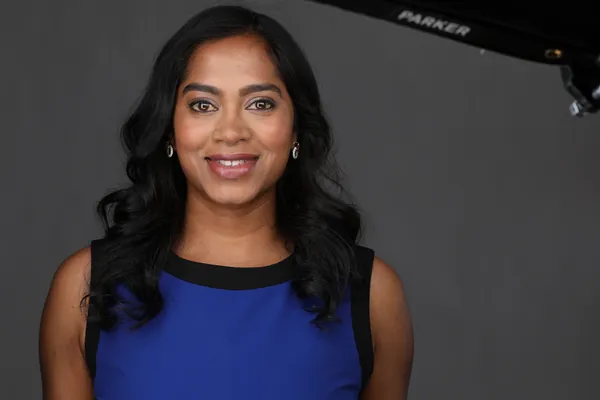
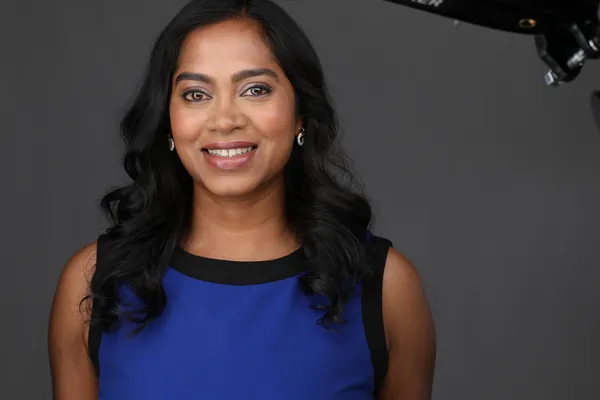
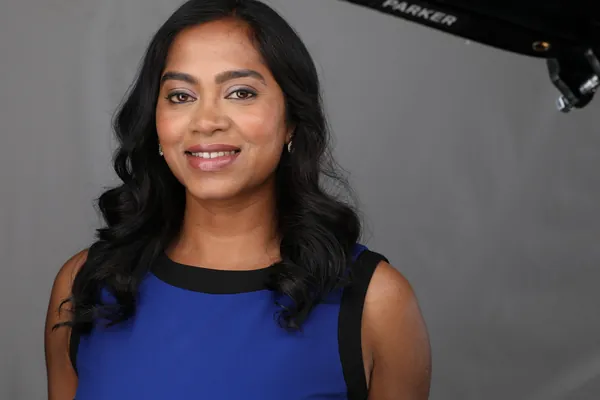
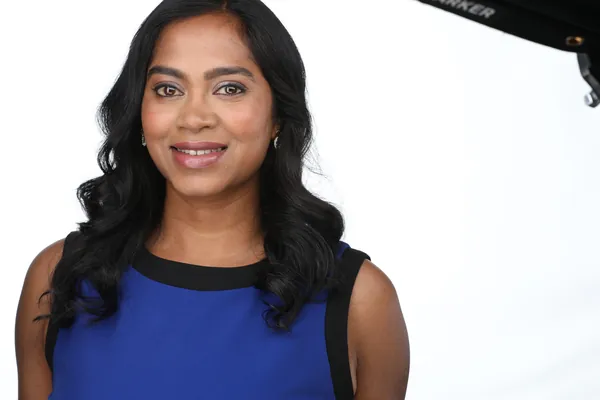
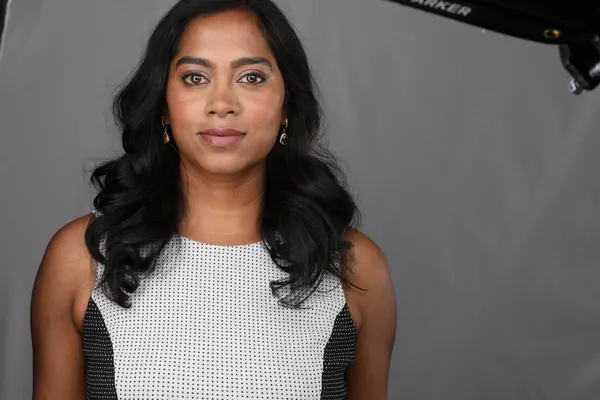
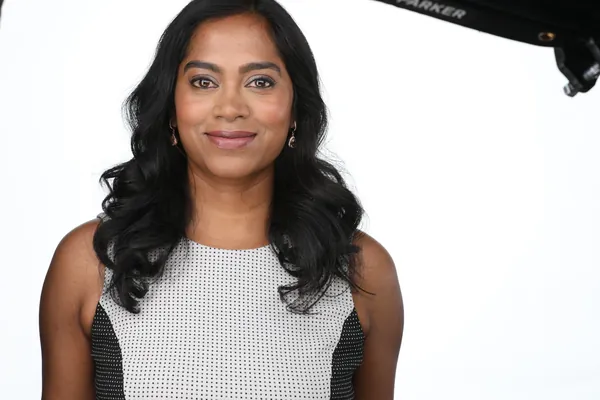
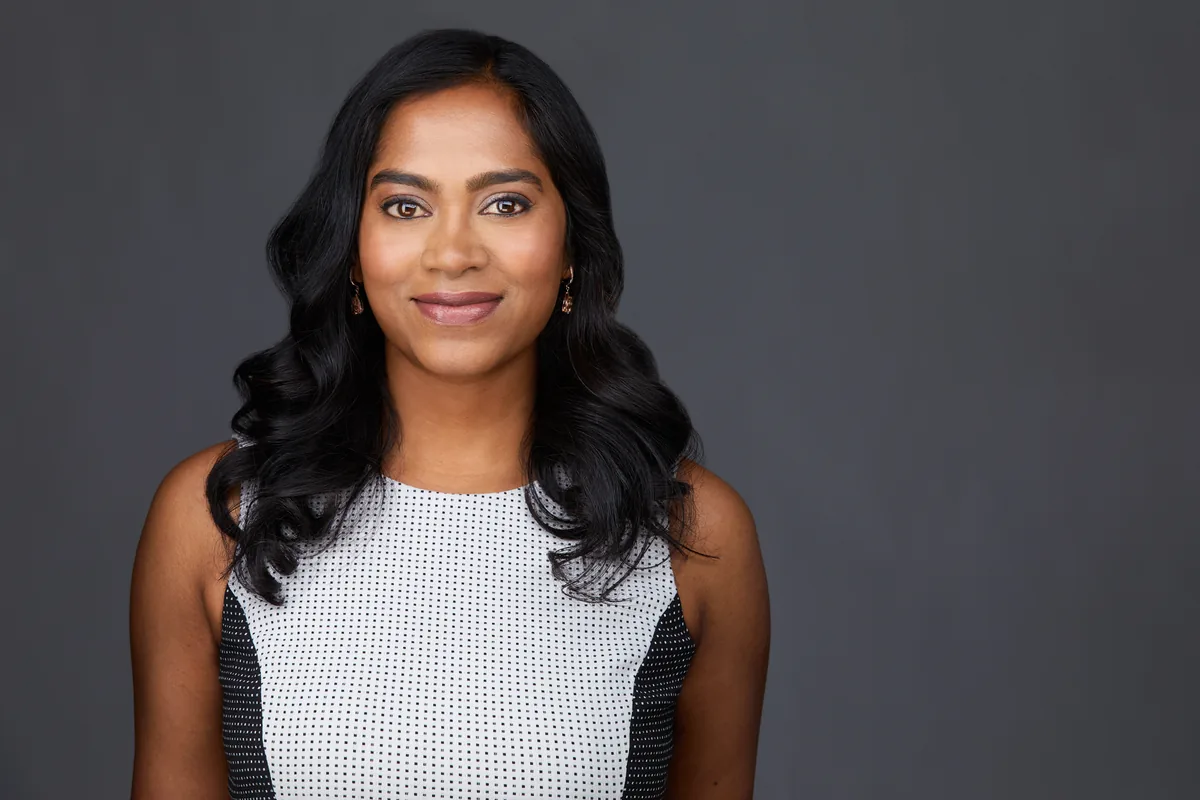
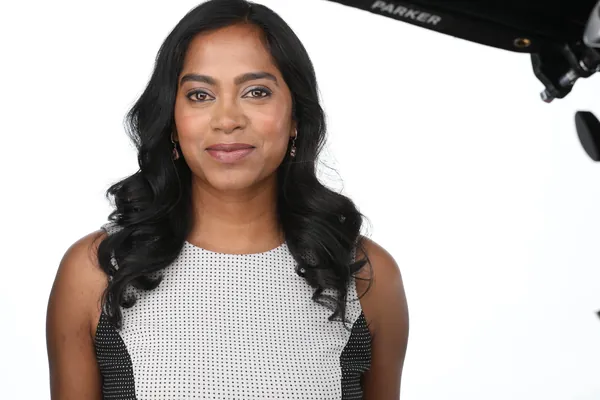
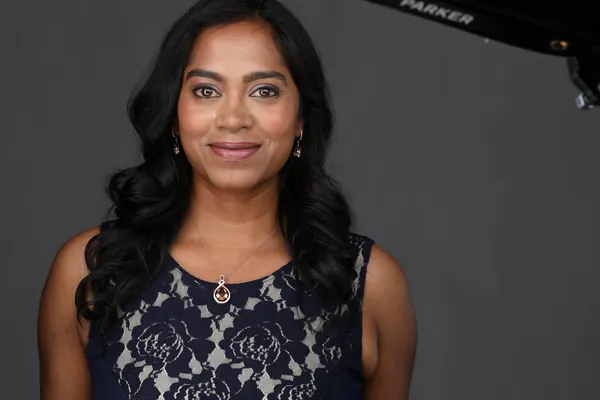
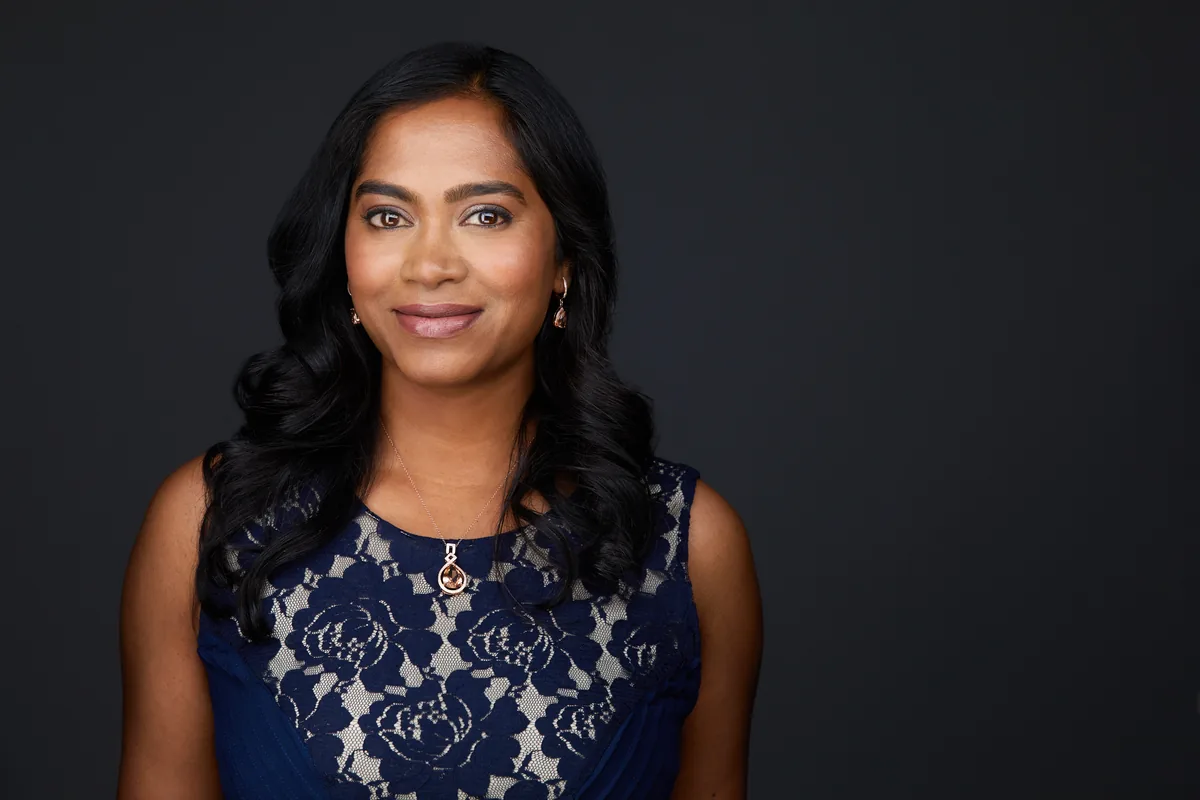
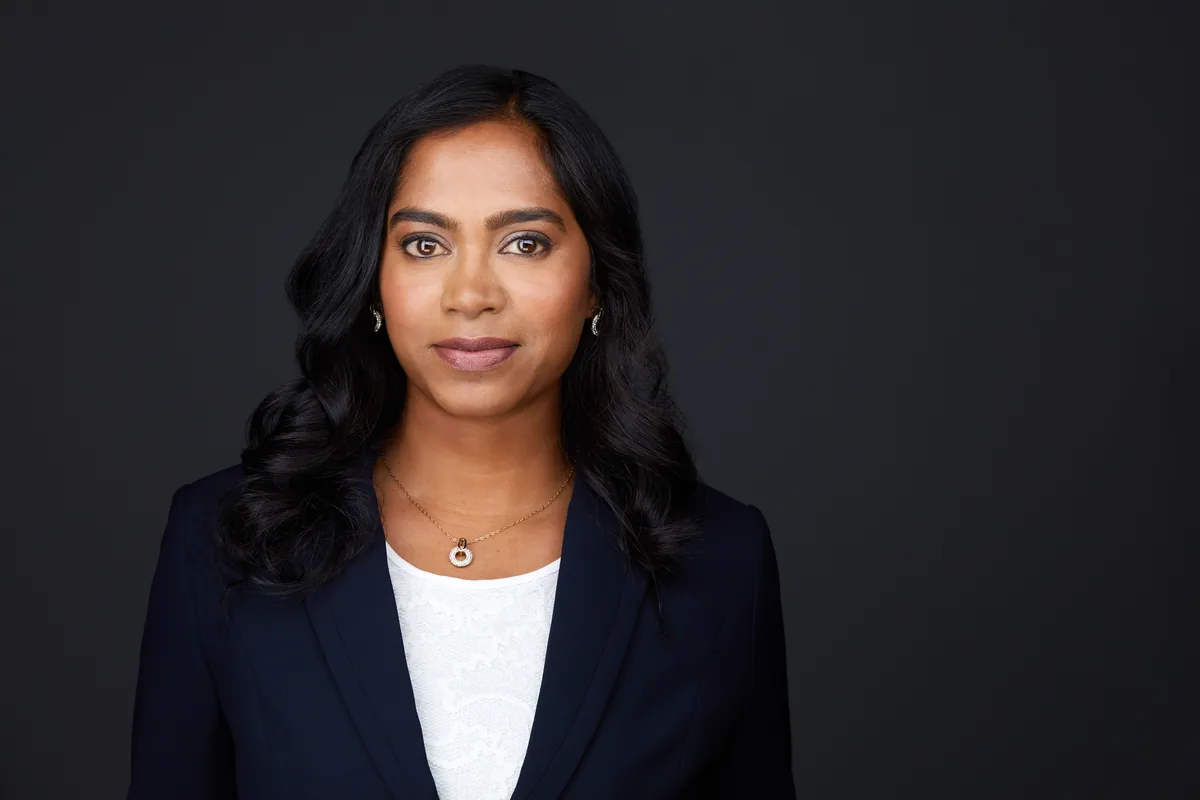
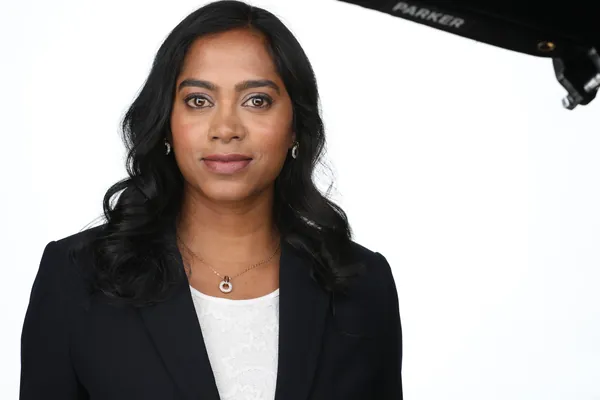
I set aside two hours for every session, so nothing is rushed. If you need a single image, it can take as little as 20 minutes. Several looks or outfits, the way most actors and executives come in, use most of the two hours. The price stays the same however long it takes. If you know what you want, we can be quick. Recently someone came in needing a white background to match their company’s existing headshots. It wasn’t the one they’d have picked for themselves, but keeping the team consistent mattered more. They’d also planned a dark grey background for LinkedIn and something more casual, with an outfit already picked for each. We were done in about 20 minutes, and they chose the three images they came for. If you want to try everything, there’s room for that too. Another client brought five or six suits, with shirts, ties and a few pairs of glasses, and we tried a lot of combinations. He finished with 15 to 20 frames he liked, so he added an online gallery to decide later. He picked six, came back months later for four more, and has since chosen another seven.
03
What should I wear?
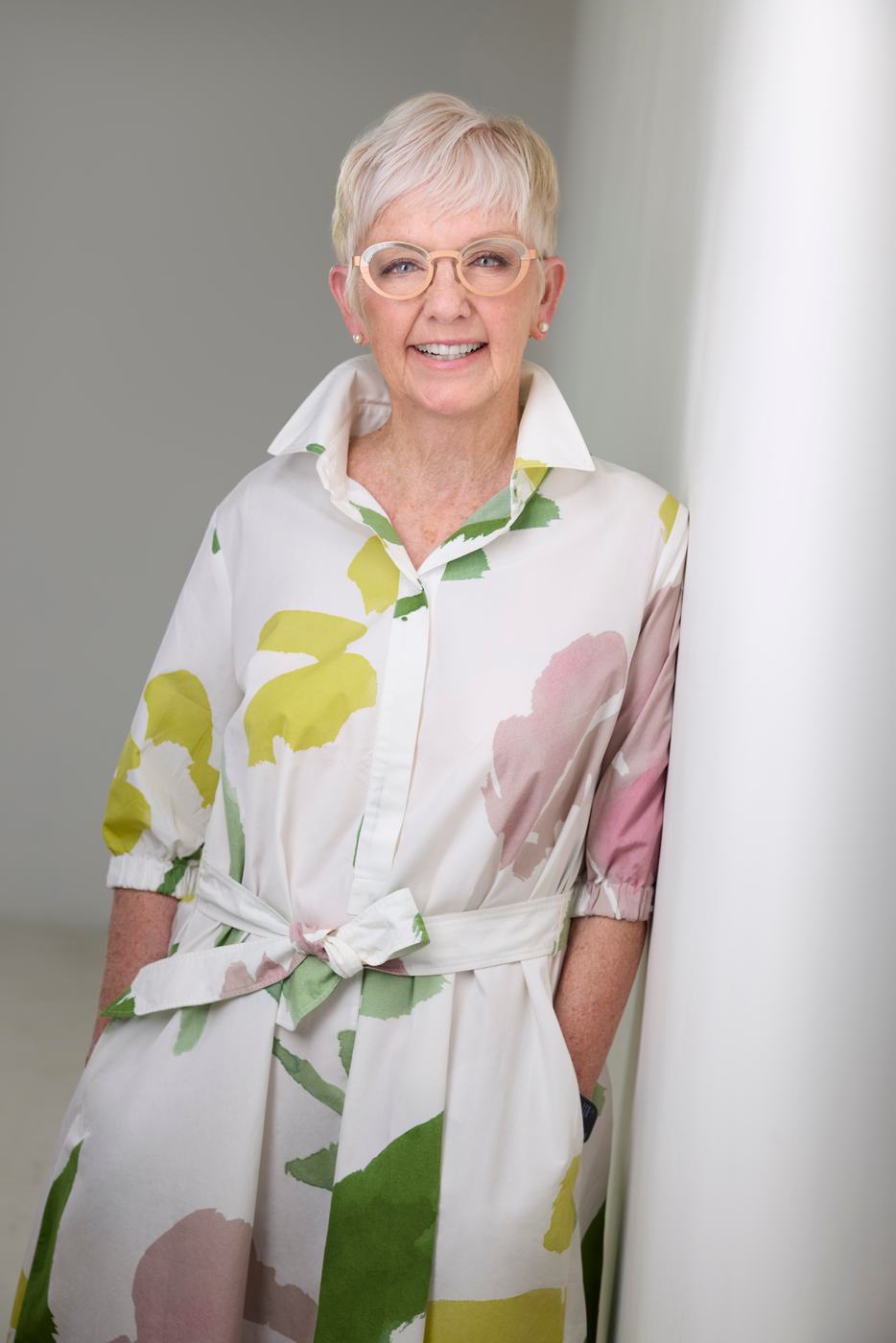
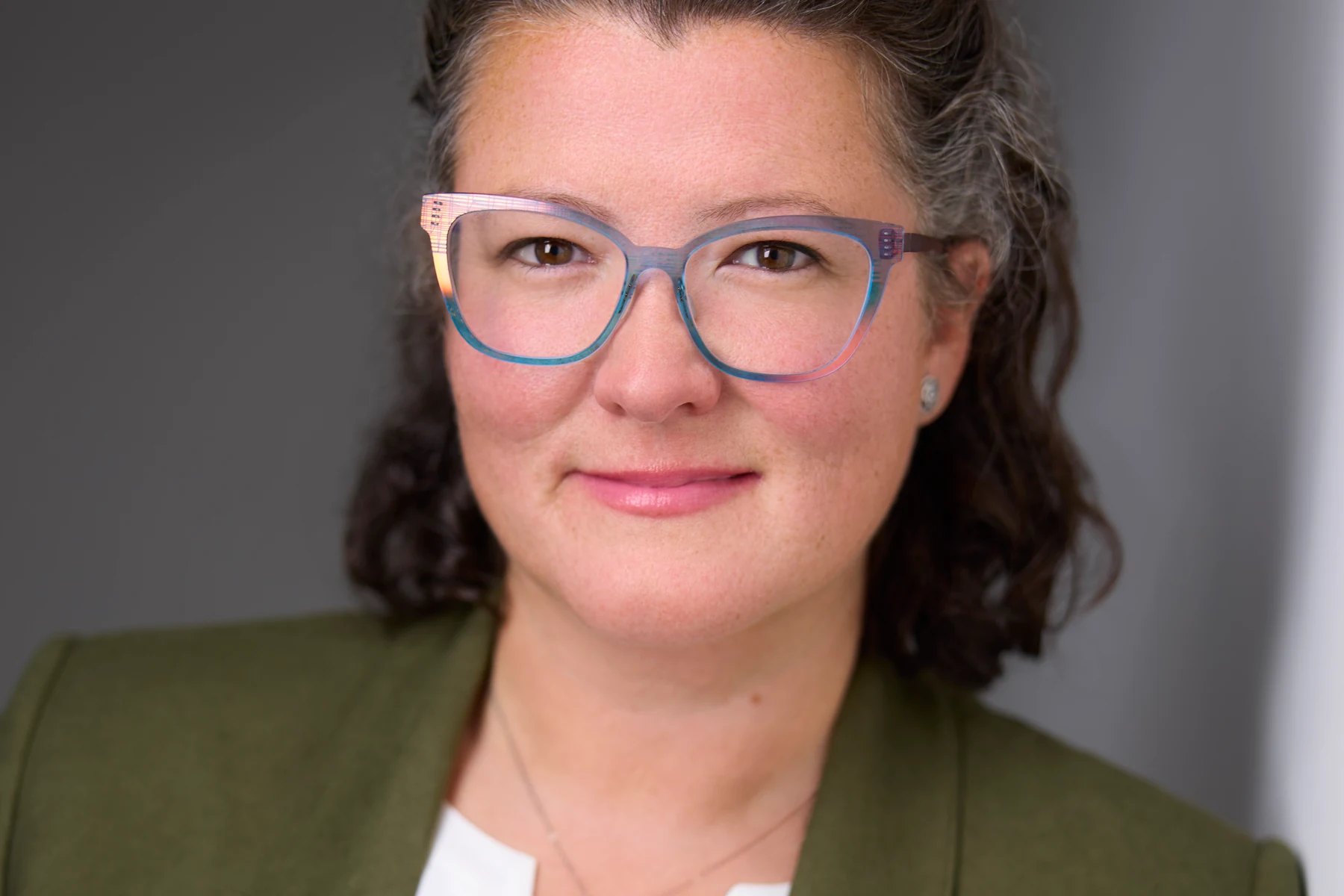
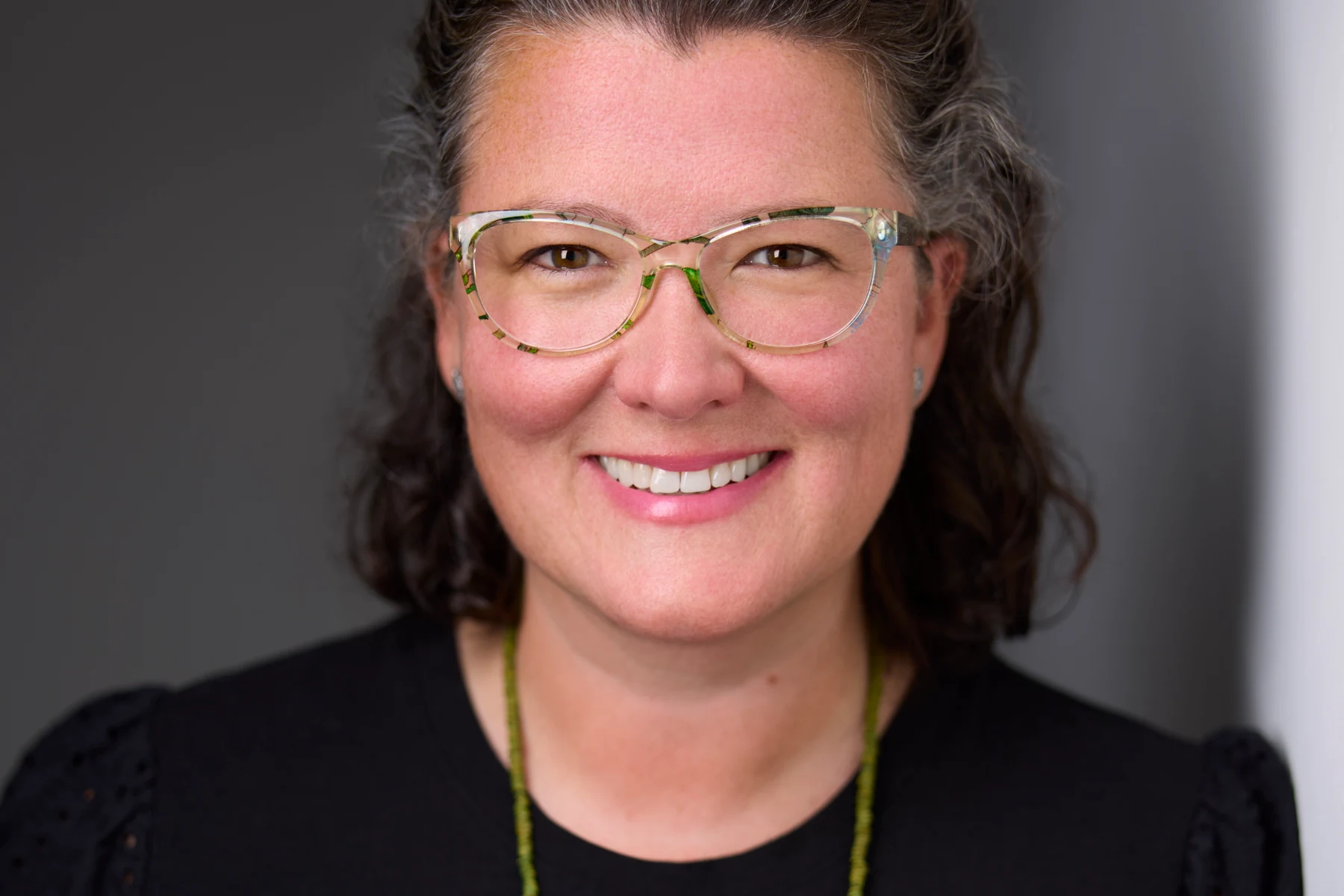
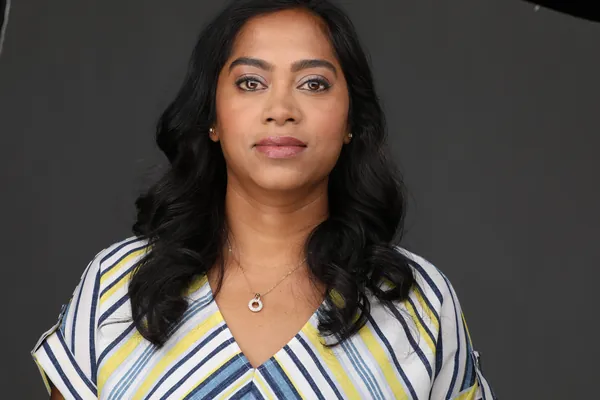
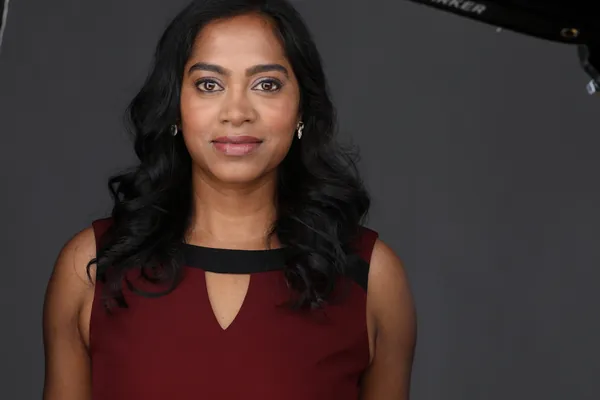
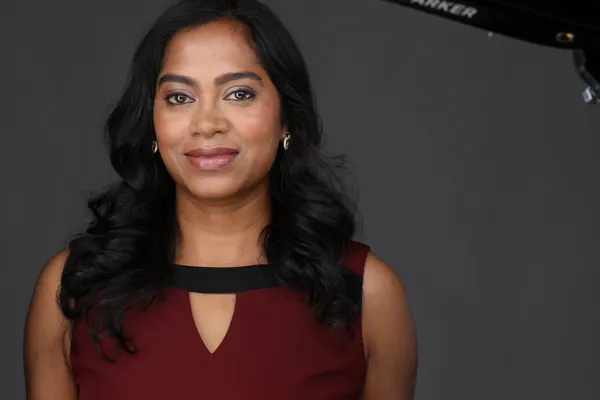
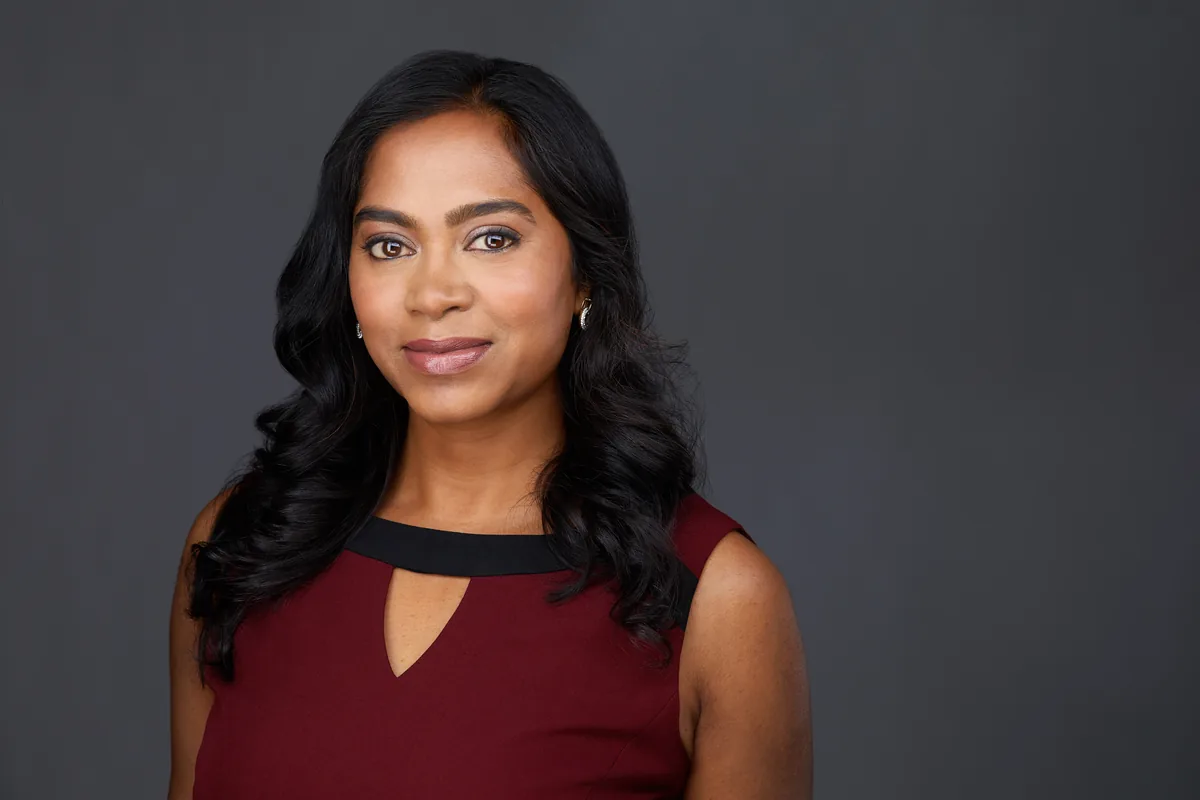
Bring options. Unless you know exactly what you want, bring a few tops: some classic and simple, and one or two with more personality. The goal is to keep people looking at your face, so skip big logos and busy patterns. Jewel tones work well, and so do black, white and grey. For a chest-up crop, a closer fit usually looks best; looser clothes can look great when we frame wider. A small logo on a shirt you love is easy to remove. I’ve taken plenty off, including an Under Armour logo from an otherwise perfect shirt. We look at the photos on the computer as we go, so we can test anything. Someone recently brought in a patterned top they weren’t sure about. It didn’t work on the dark grey backdrop, so we moved to a bright one, and it looked great. If a busy top fights every backdrop, it often comes alive against the wall, where the setup is more environmental. When you book, you’ll get a prep page with more detail on clothing and makeup.
04
I hate having my photo taken. Can you still get a good headshot of me?
Yes. I’ve photographed more than 4,000 people for headshots, and almost every one of them walked in saying some version of “I don’t really want to do this,” so you’re in very good company. Most of us learned to dread photos on school picture day: a line-up, a few seconds, no say in how it turned out, at the most awkward age of our lives. Then we were told to say “cheese,” which teaches you to put on a face. My sessions are built to give you that control back. You see the photos on the screen as we go, you tell me what you don’t like, and we change it together. Camera-shy people and people who have never had a professional headshot are most of who I photograph, and the session is built for them first.
05
I’m nervous about my headshot. Is that normal?
Yes, and it’s a good sign. Nervous just means you care: you want this to go well. It’s what I tell my own kids. Plenty of people tell me they’re nervous when they walk in, and plenty more admit it afterwards. Indifference is much harder to photograph, because it has no energy in it. Nervous is just misplaced energy, and it can be a superpower. You can try to shut it down, or you can use it, and in a session we use it.
06
I don’t know how to pose. Will you tell me what to do?
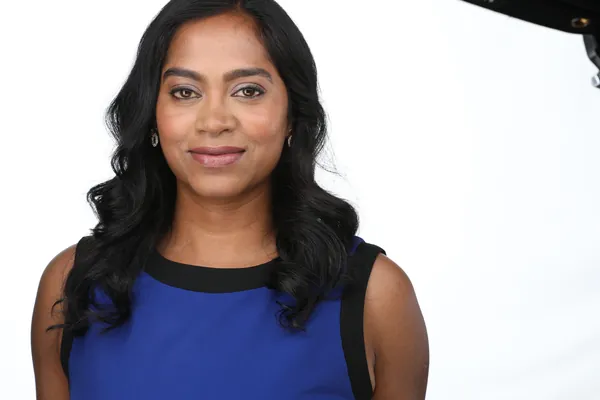
Yes, and it starts in the first few minutes. I take one shot of you as you are. The camera doesn’t add ten pounds. It flattens you from three dimensions down to two, and nobody ever showed us how to stand for that. I walk you through a few small changes in how you hold yourself that bring the depth back. Which ones depends on you, so we find them together in the session. They feel strange at first. Then we look at the screen together and compare, and the difference is usually drastic. That’s the first shift in almost every session. Once you’ve seen it work, you can trust what I’m asking for, and you feel safe doing it, even when it feels weird.
07
What if I don’t like my photos?
We keep working until you do. You see the photos on the screen as we shoot, so if something bothers you, we talk about it right then and change it. Plenty of people tell me it’s the most they’ve ever looked at their own face, and that’s a hurdle at first. Once you can point at what you don’t like, I’ve had 14 years of practice fixing it, and you’re far from the first person to feel that way. Often a photo feels off because it doesn’t feel natural, and a small change in front of the camera takes care of it. We almost always have a photo you’re happy with in the first five minutes, and that’s when the best part starts. Recently a client saw one on the screen and said, “That’s great, let’s pick that, we can go.” I asked for a couple more. With a good one already in hand, the worry was gone, and what came after had a depth the first ones didn’t. We delete what doesn’t work as we go.
08
How many images do I get?
As many as you pick. You choose your favourites during the session, in front of the screen with me, so you leave knowing exactly what you’re getting. Finals are delivered within five business days of your picks, as a high-resolution file and a web-optimized one, and you can crop your own versions in as many styles as you like. The retouching isn’t signed off until you have seen it.
09
Can I use my headshot on my company website, LinkedIn and in press?
Yes. Your final images are yours to use for personal and professional purposes: LinkedIn and social media, your company’s website and team page, business cards, bios, resumes and press materials. Parker Studios Inc. keeps the copyright; the full terms are on the
usage rights page.
10
Do you retouch headshots? Will you remove my wrinkles?
Yes, and nothing is final until you approve it. Temporary things like a blemish come out. Lines and wrinkles get softened and stay yours. I work the slow way: the softening happens on separate layers above the photo, evening out light and shadow, and the original pixels stay as they were. So you still look like yourself.
11
What style are your corporate headshots?
Clean, modern and understated. I keep things simple and stay away from trends, so your headshot still looks current years from now.
12
Can you match my company’s existing headshots, even if another photographer took them?
Yes, and it doesn’t matter who took the originals. I’ve matched existing looks for RBC, Scotiabank, TD, BDC, CBC, Chandos and Canadian Blood Services. Banks and financial firms, with the strictest brand standards, are most of it. I also do it for firms whose head office is in another city, where one or two people in Edmonton need to match everyone else. Every company handles it a little differently. Some send an existing headshot, and I match the lighting, the background and the crop from that. Others send a full lighting diagram, down to every modifier, distance and power setting, and I build the setup to match it. I’ve worked with all of them. If you’re new to the company, a colleague’s headshot from the website is enough to send. Recreating lighting is the part of this work I nerd out on most. I once spent a whole project recreating portraits by photographers I admire, and PhotoED magazine featured it.
13
Why should I hire a photographer instead of using an AI headshot?
Because the people who know you can tell. Clients often tell me about a friend’s AI headshot that everyone can see is off, and that nobody has mentioned to him. The most common reason people come to me for a new headshot is someone telling them their photo doesn’t look like them anymore, and an AI headshot can miss that from day one. When a photo doesn’t quite look like you, the quiet reaction is to wonder what’s being hidden, and that costs you trust. AI headshots also tend to look alike, so you trade what’s yours for a template. And you feel it too, every time you see it in your email signature or on LinkedIn. A real photo, made with someone in the room paying attention to you, quietly builds your confidence over time. An AI headshot works the other way: every compliment on it chips away at you, because you know it isn’t really you.
14
How does your theatre background help in a headshot session?
More than anything else I bring. I trained in two theatre programs, at MacEwan and the University of Alberta, and both came down to truth: telling an authentic moment from a forced one. I use that every day. Theatre also made me a storyteller. A headshot is a different kind of story, and everything I learned about telling a good one still applies.
15
Is this the session for a LinkedIn photo?
16
Do you photograph whole teams?
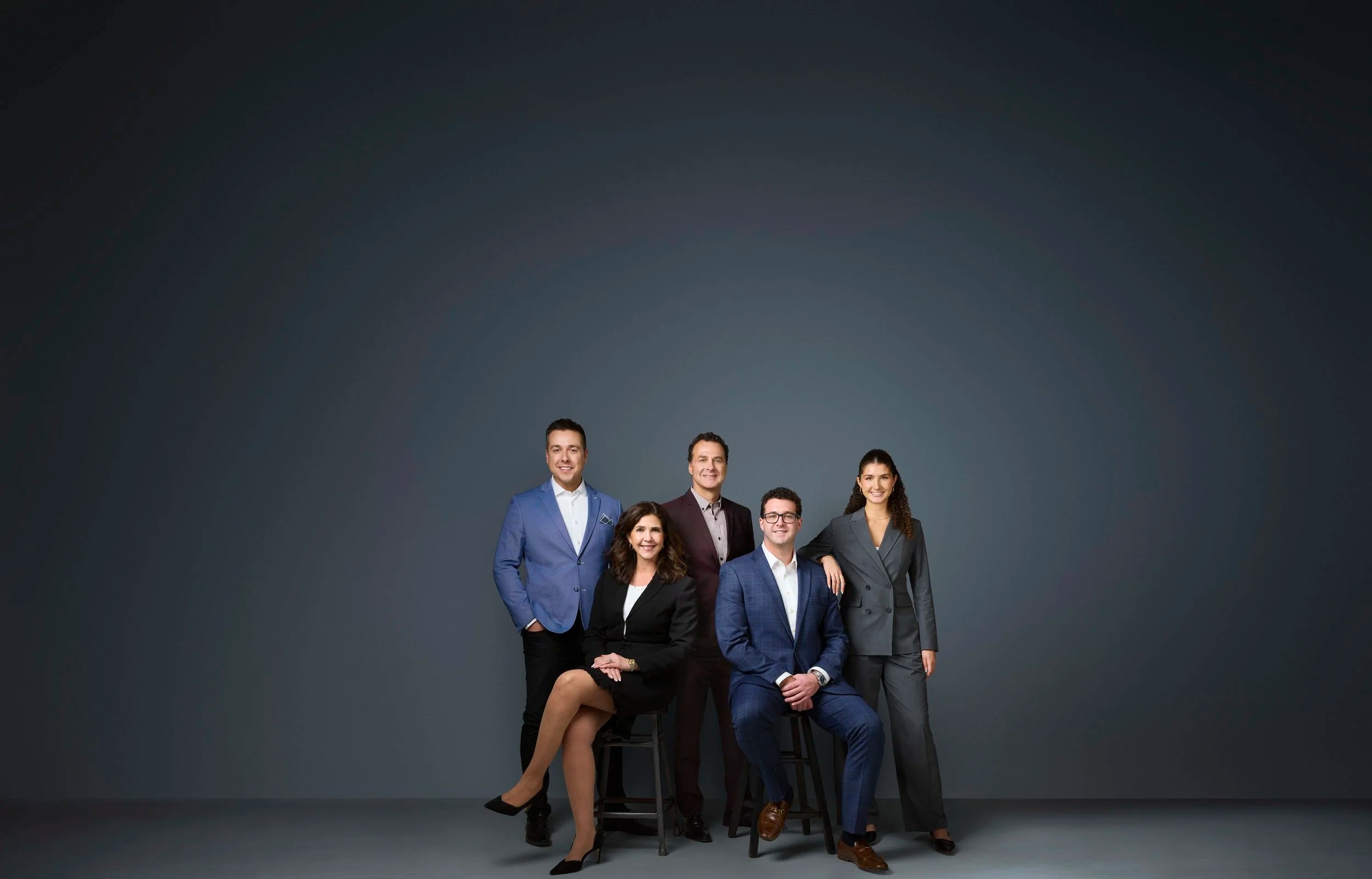
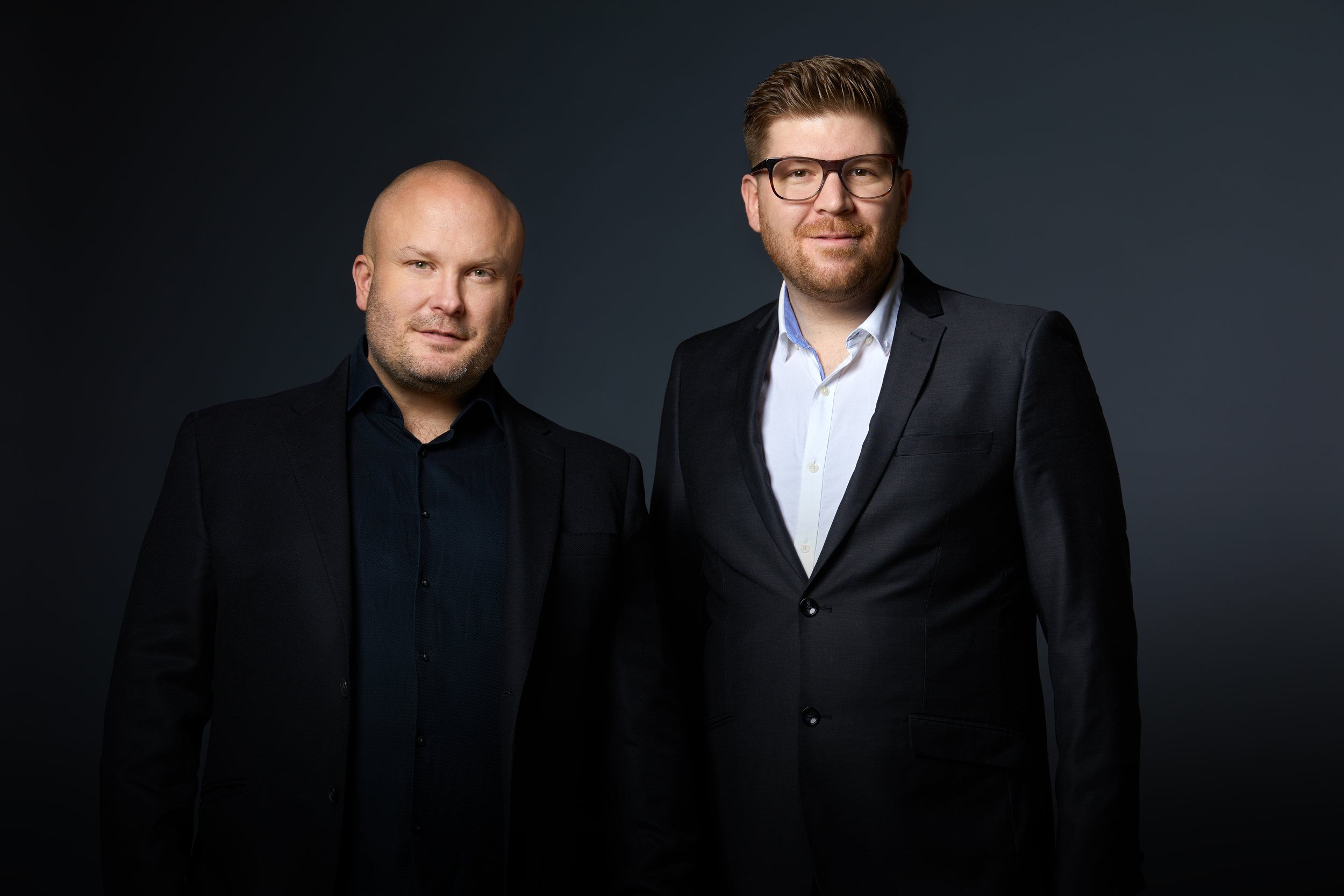
About 30 team days a year, and it works differently enough to have its own page: scheduling, on-location setups and keeping everyone consistent are the whole job there.
See team headshots in Edmonton for how those are run and quoted.