01
Do you photograph founders, entrepreneurs and CEOs?
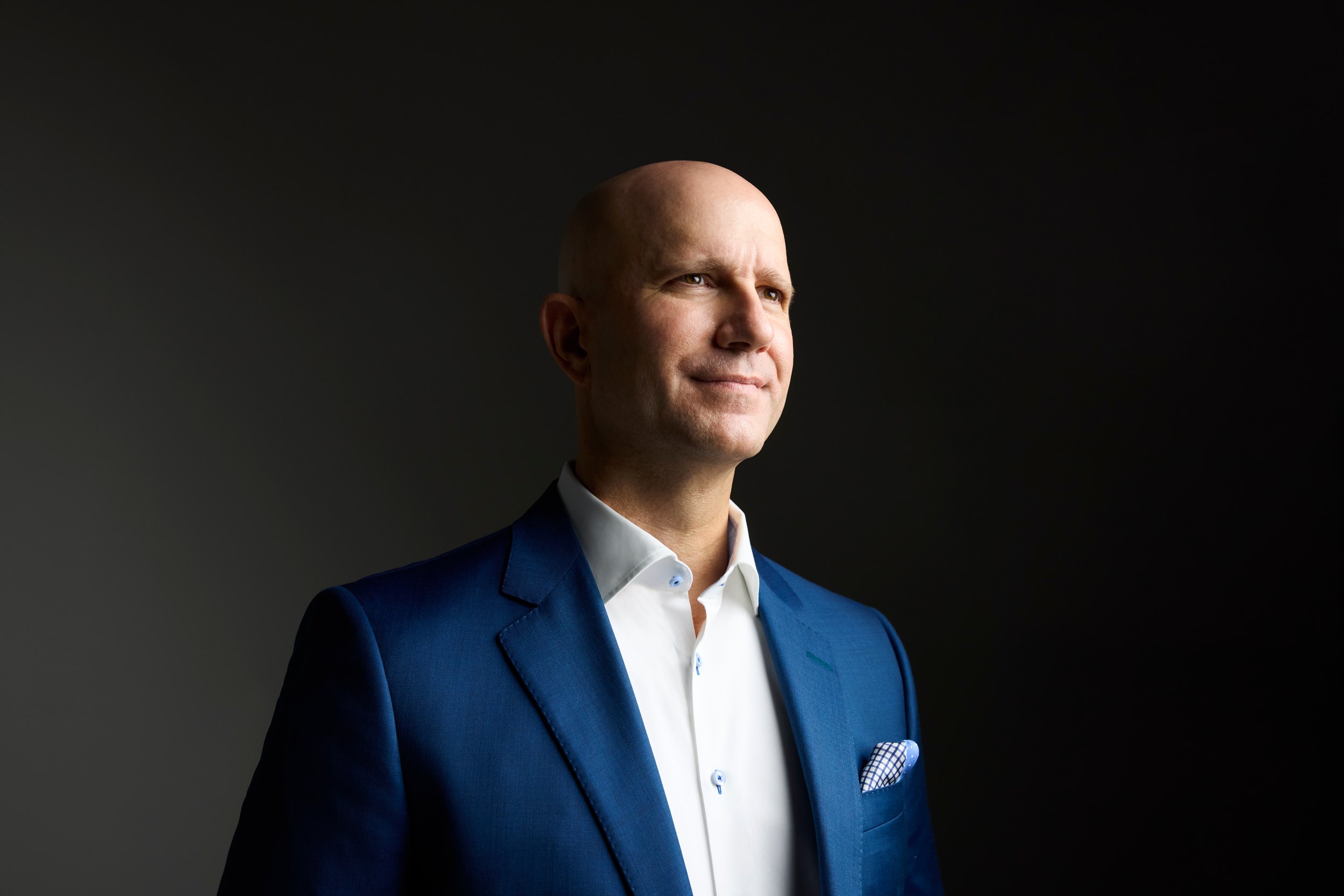
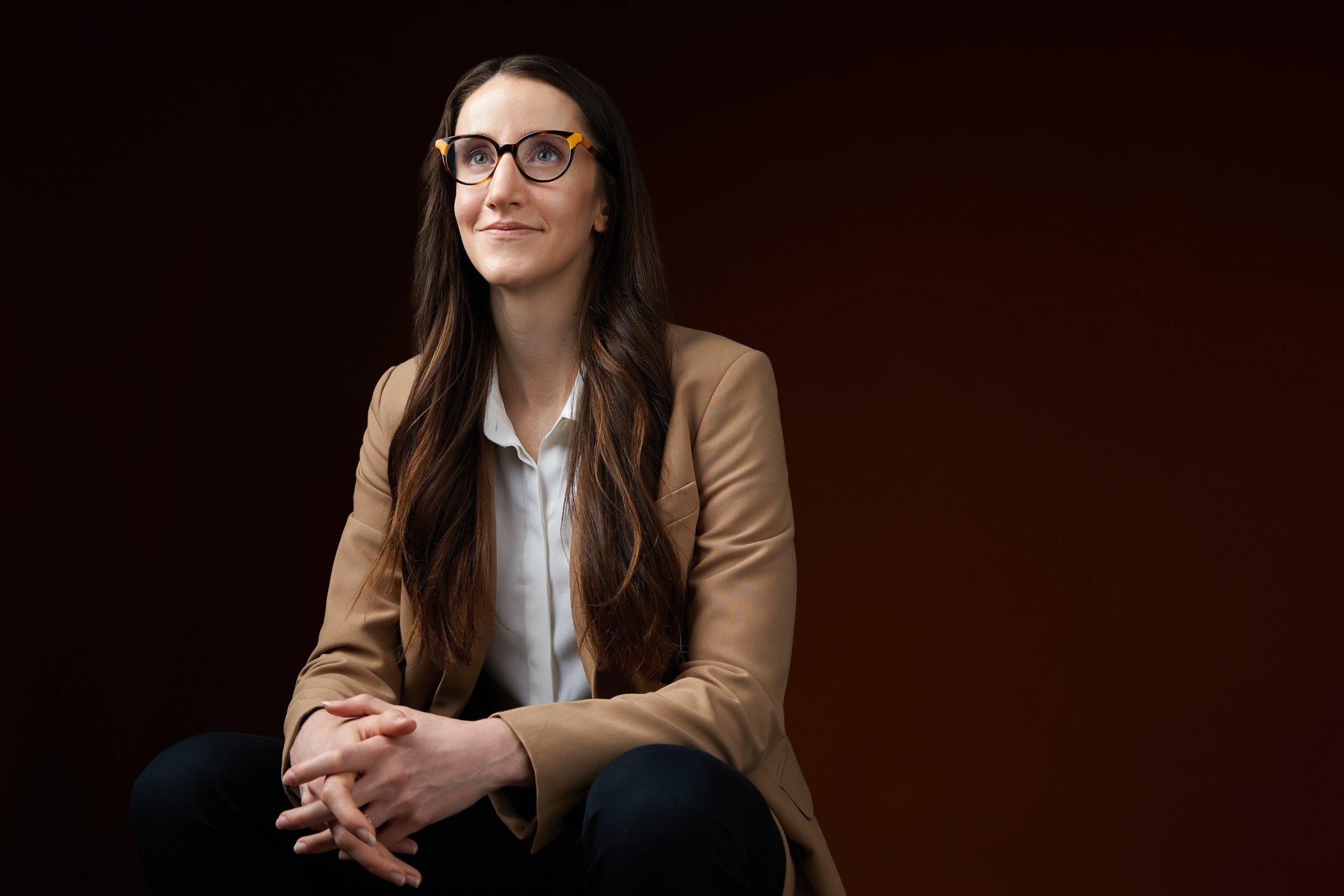
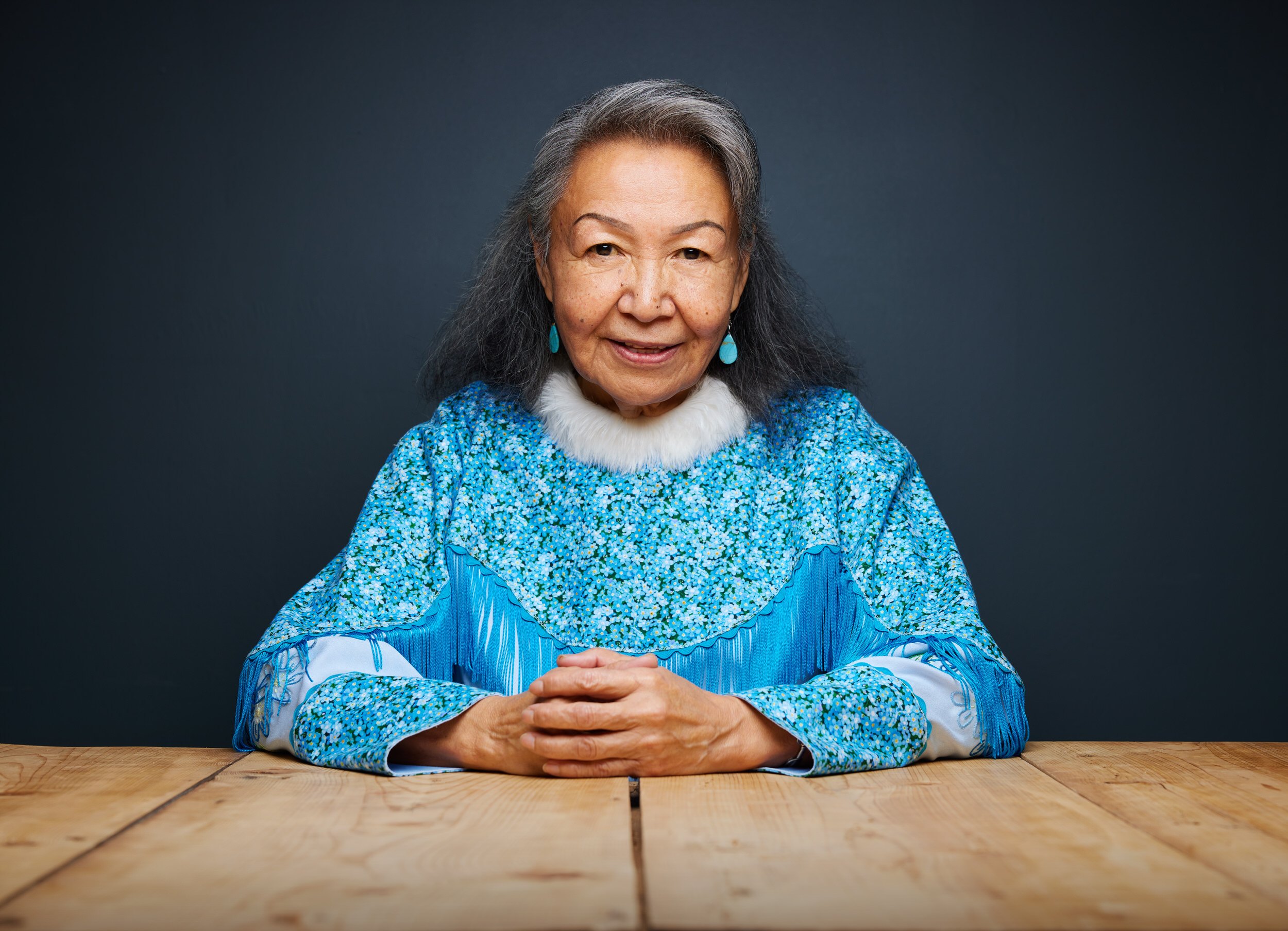
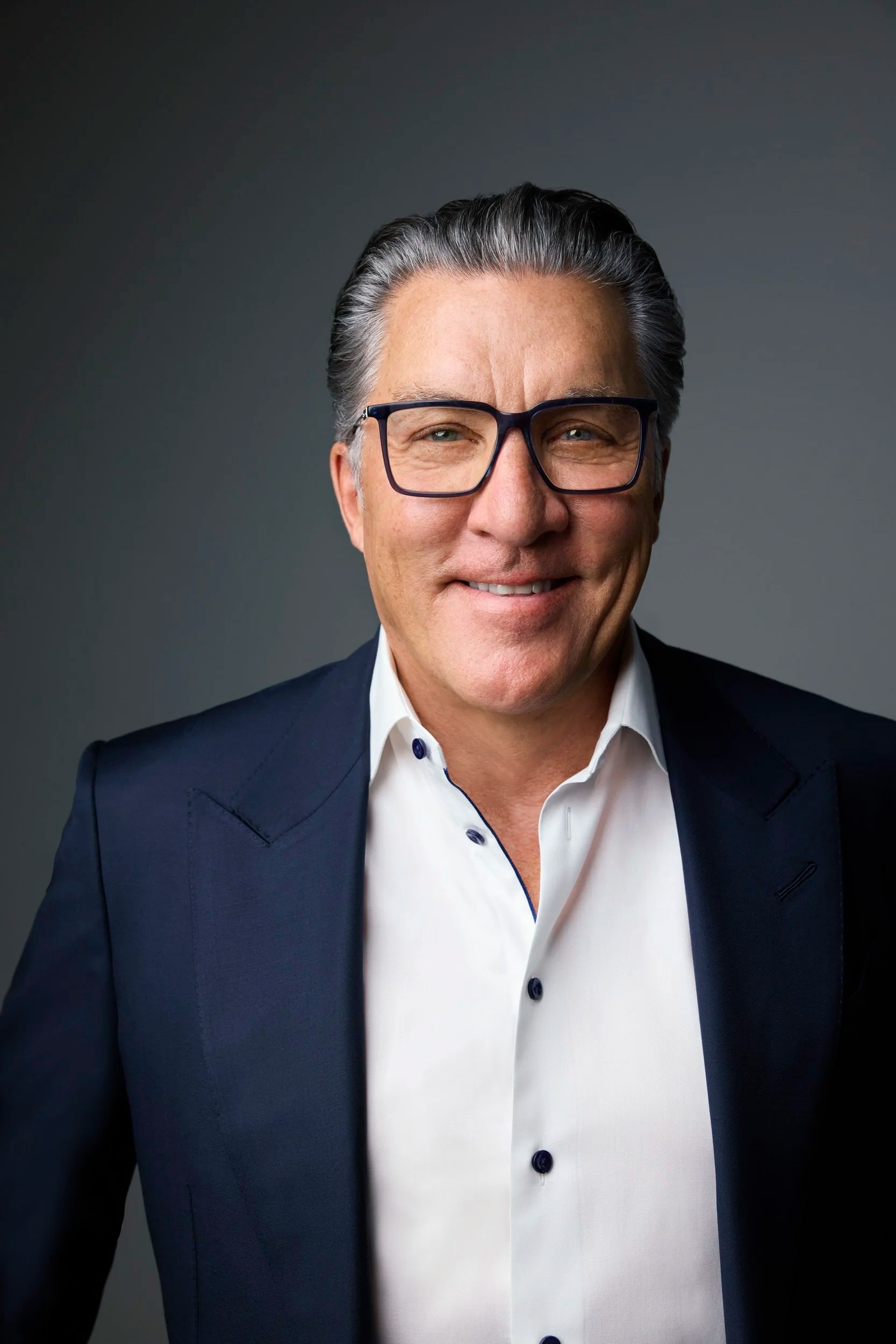
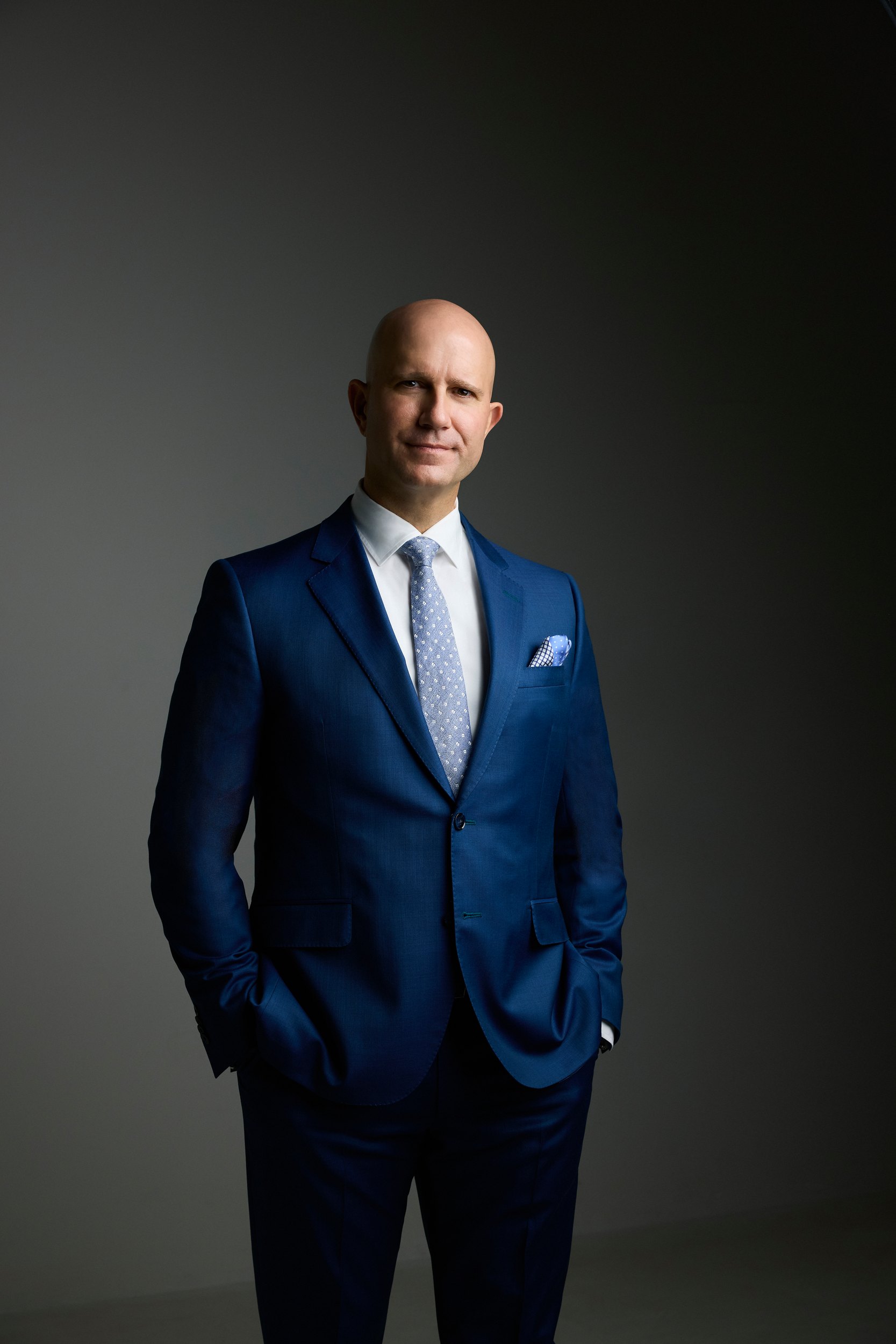
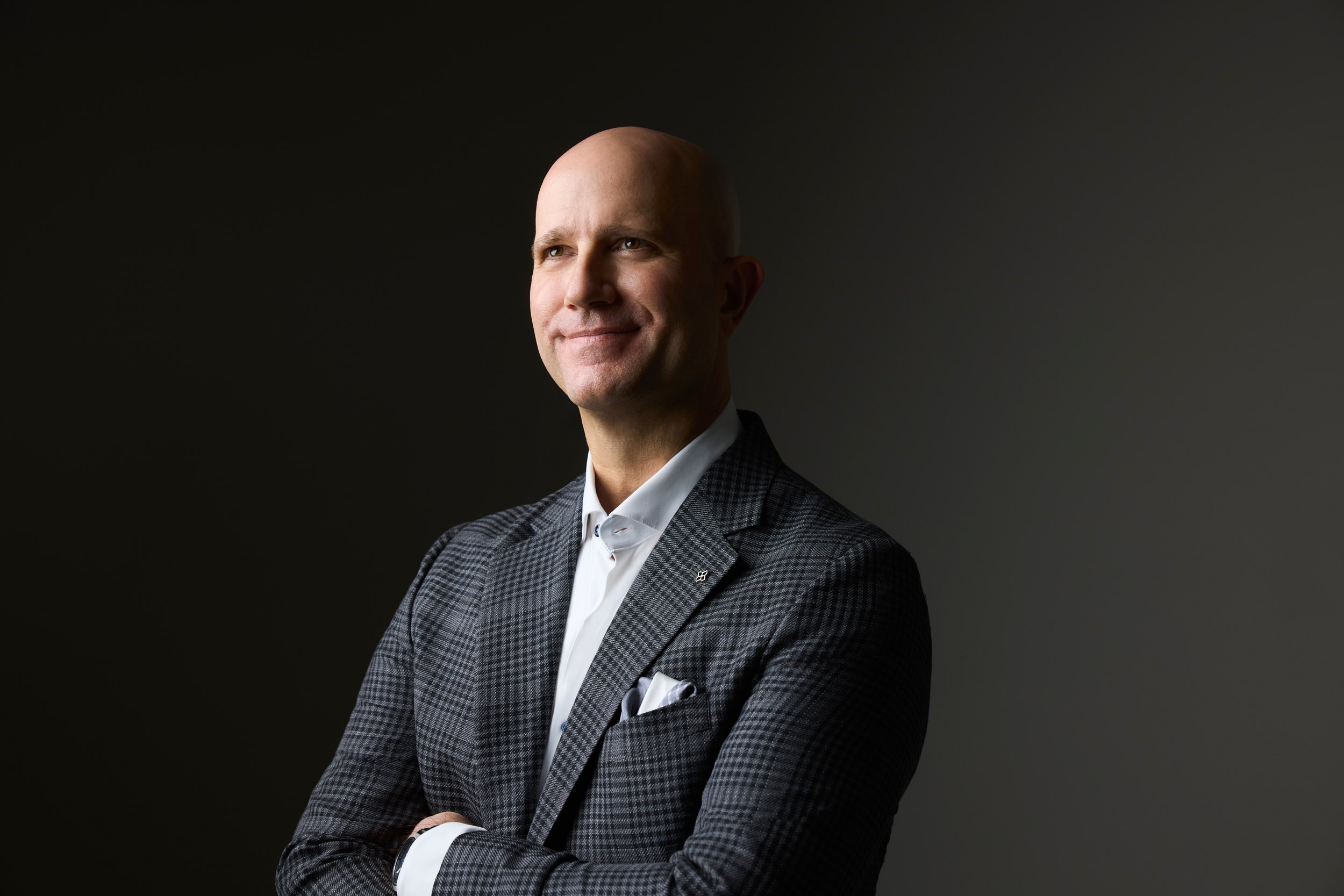
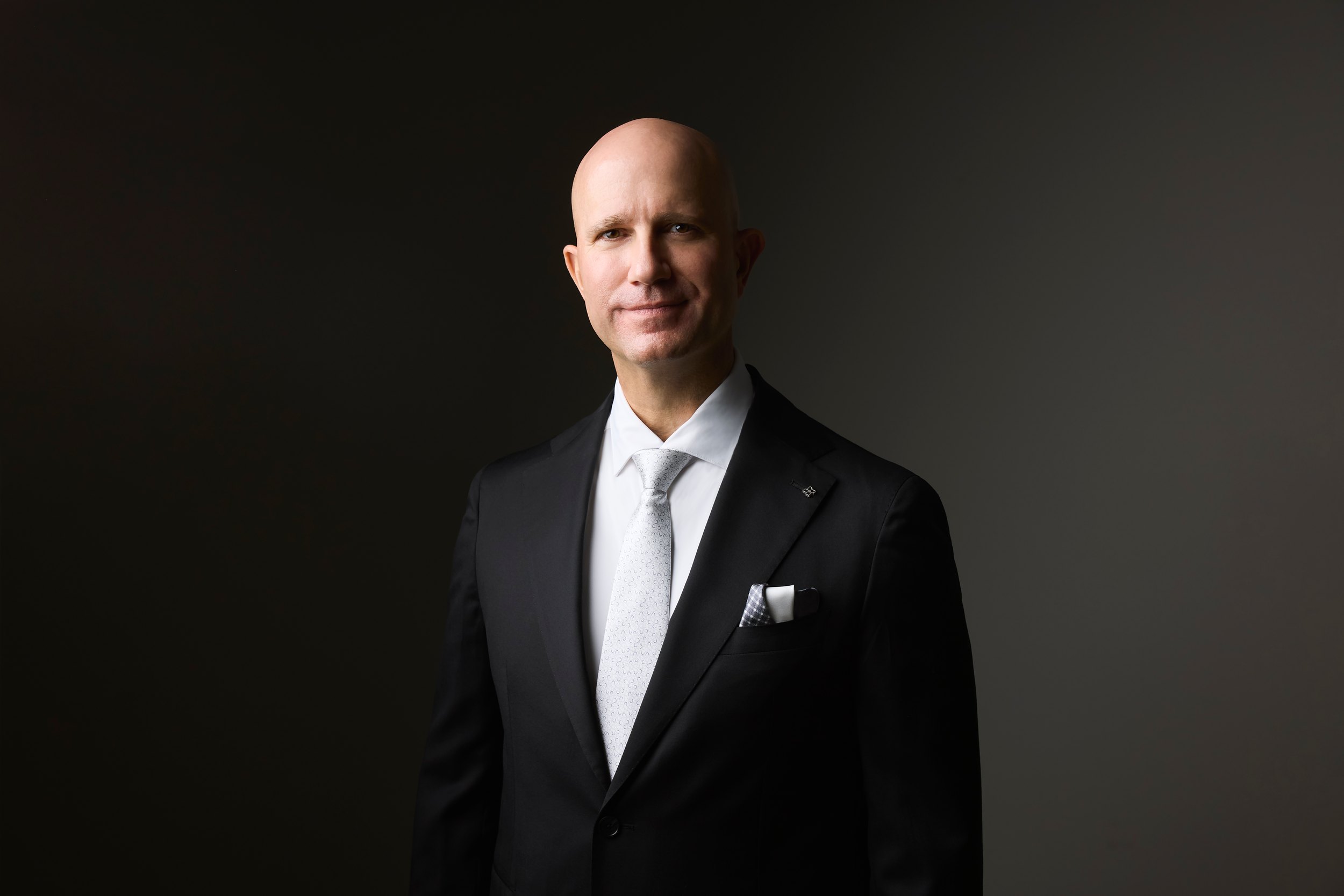
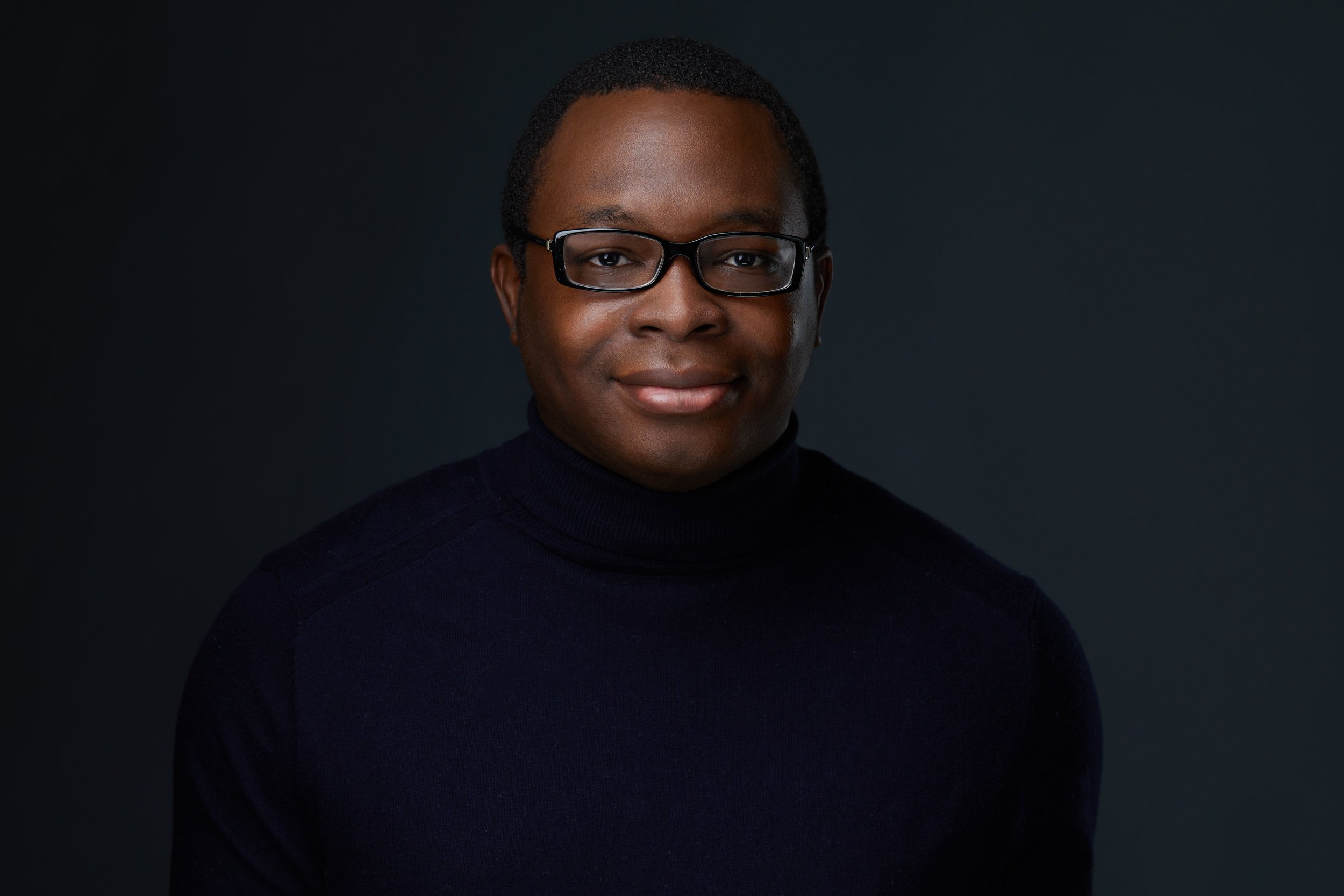
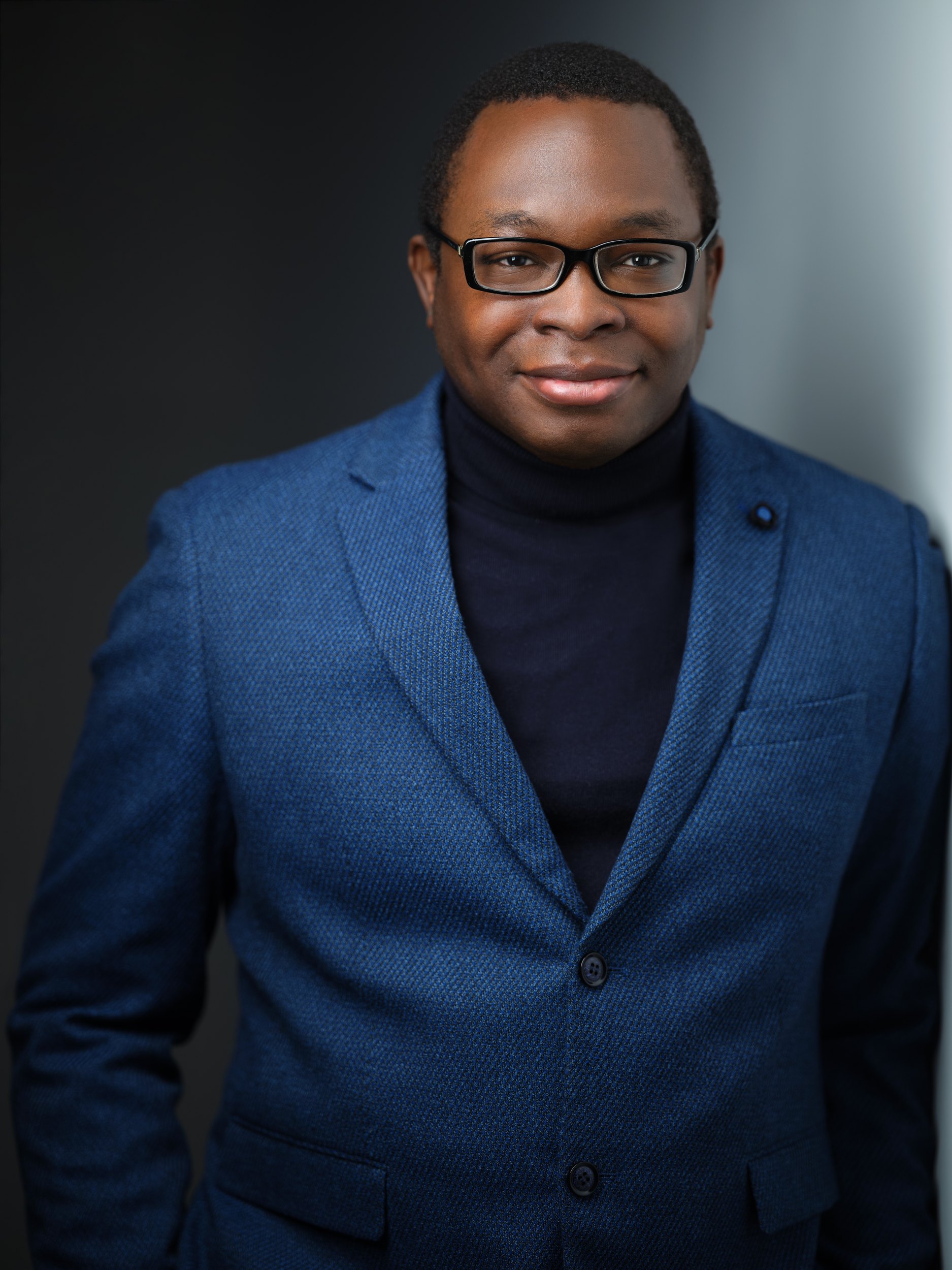
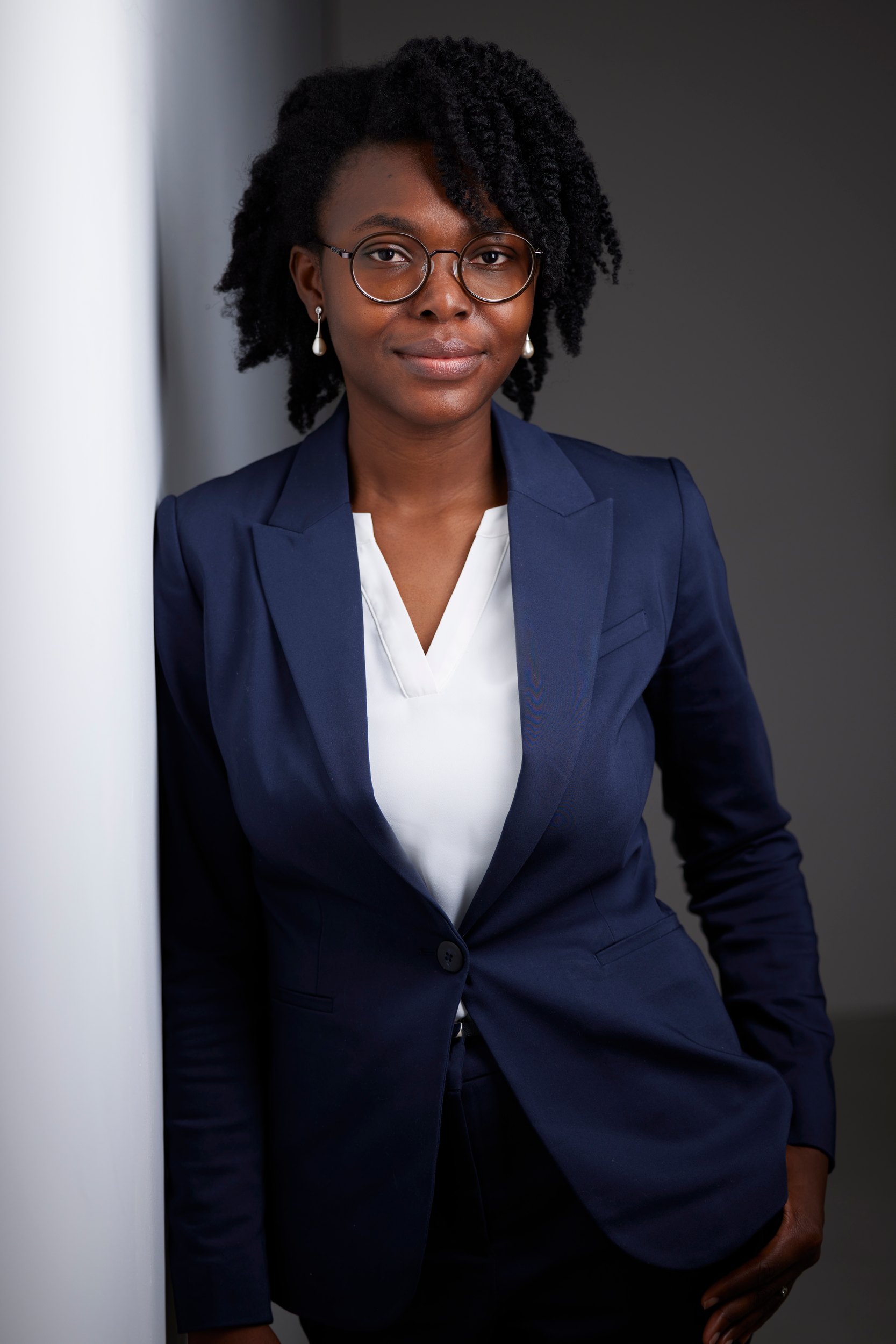
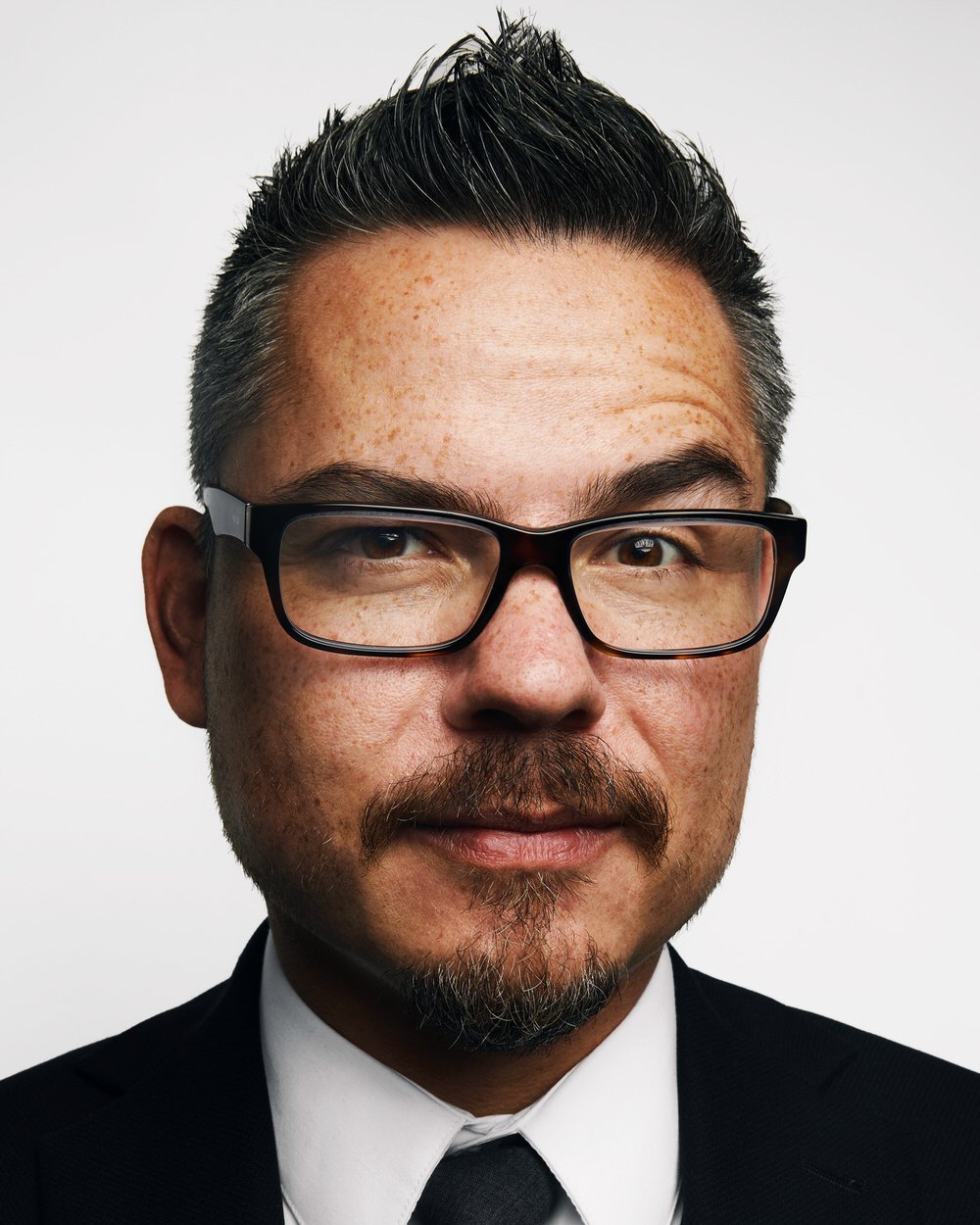
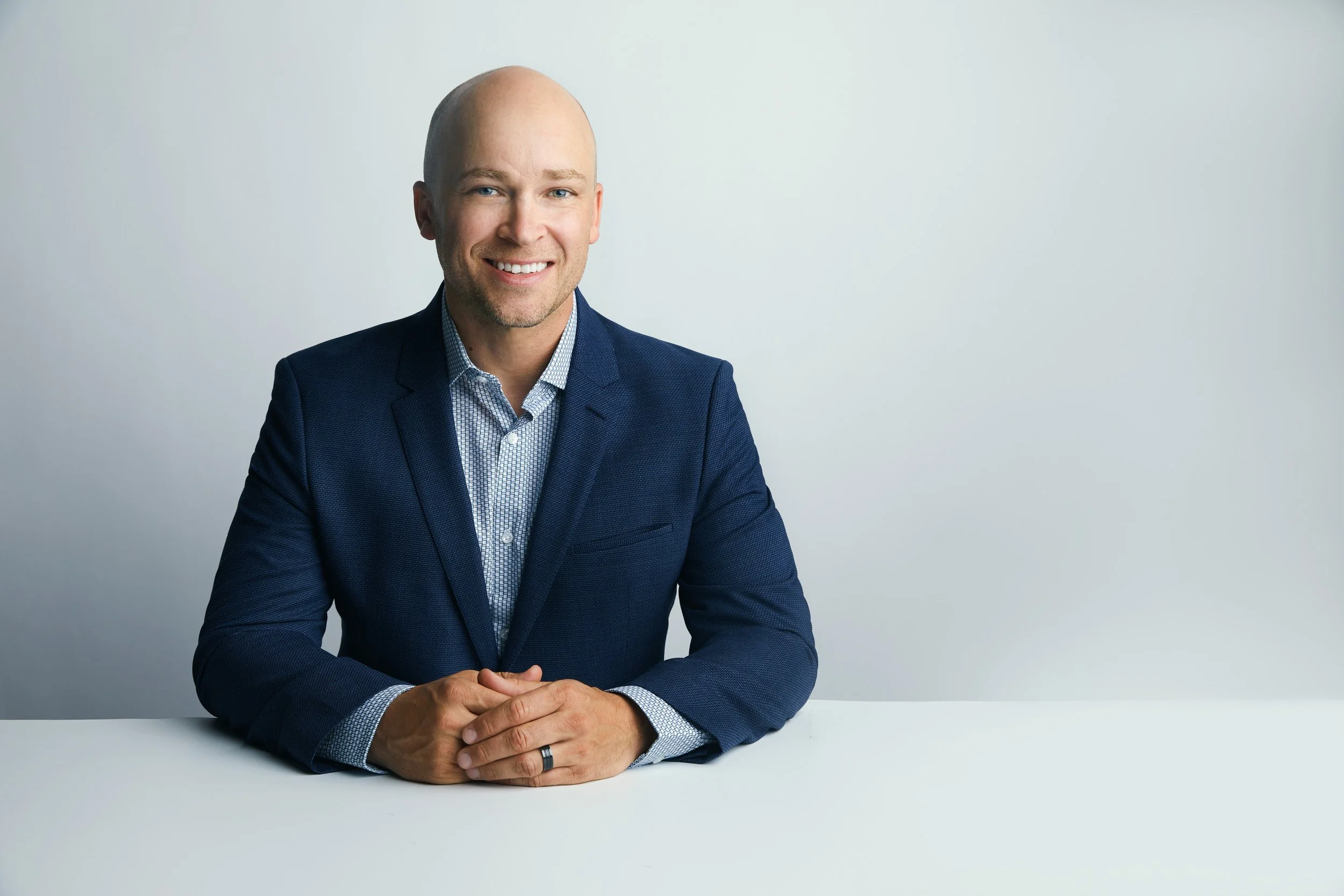
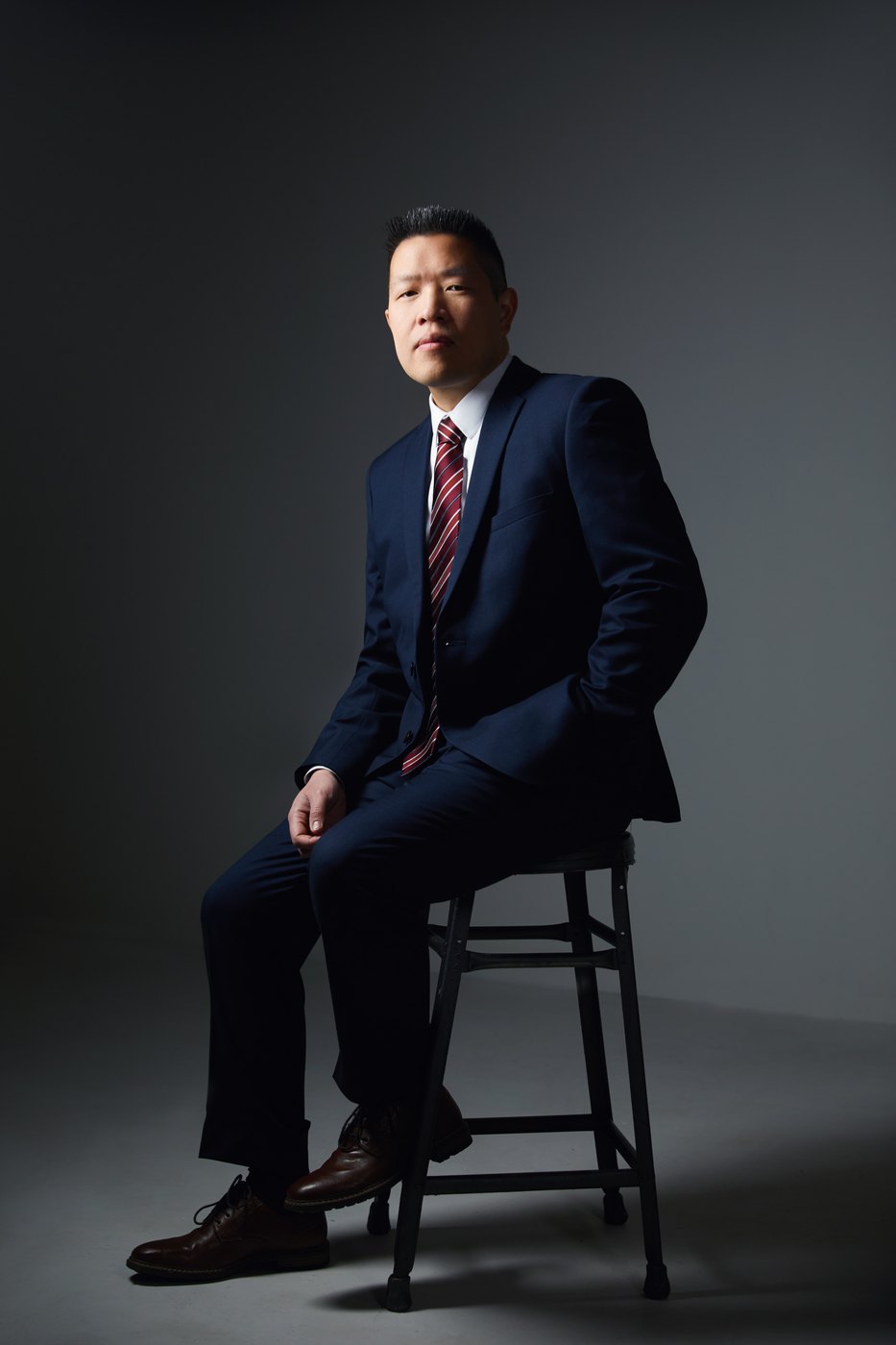
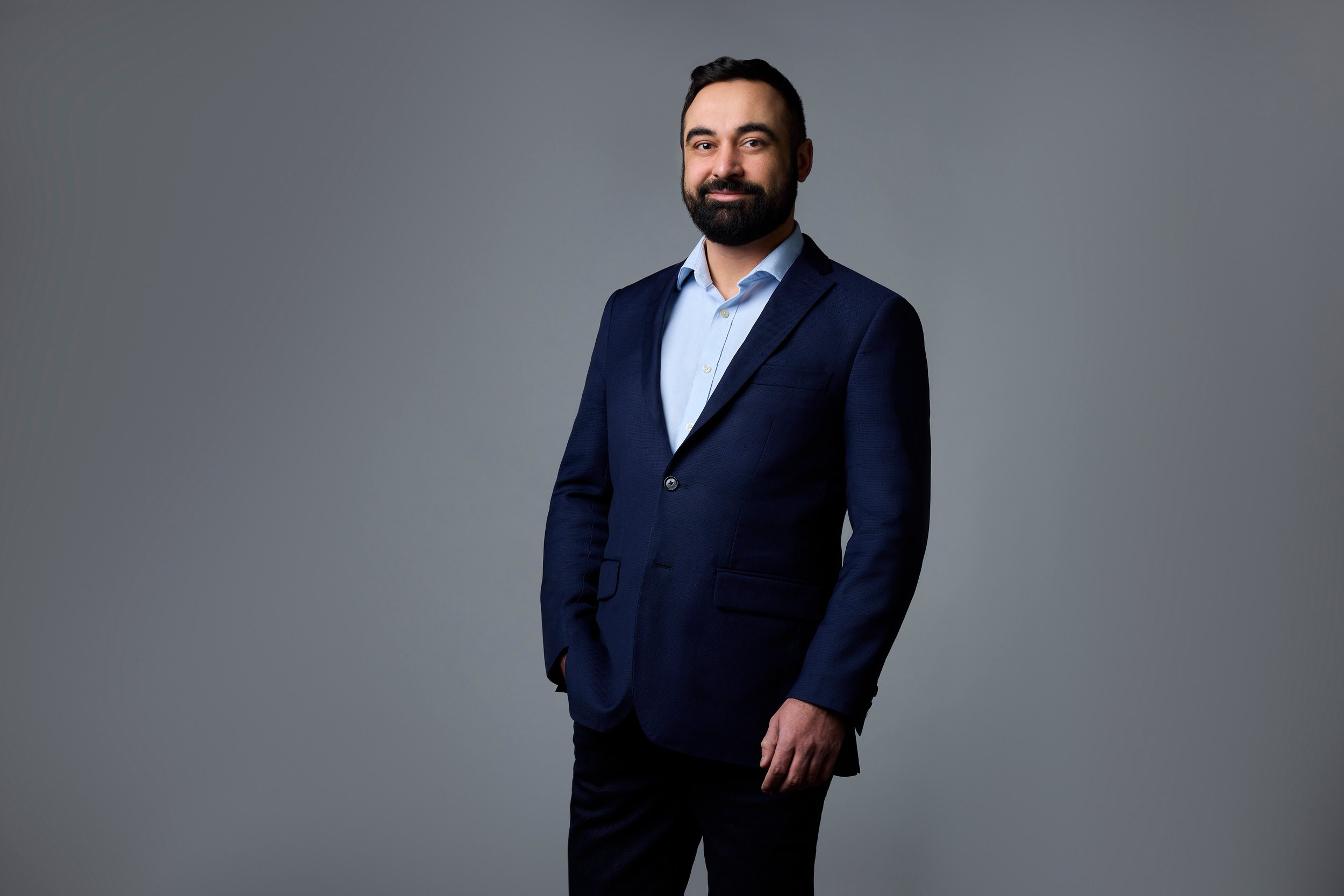
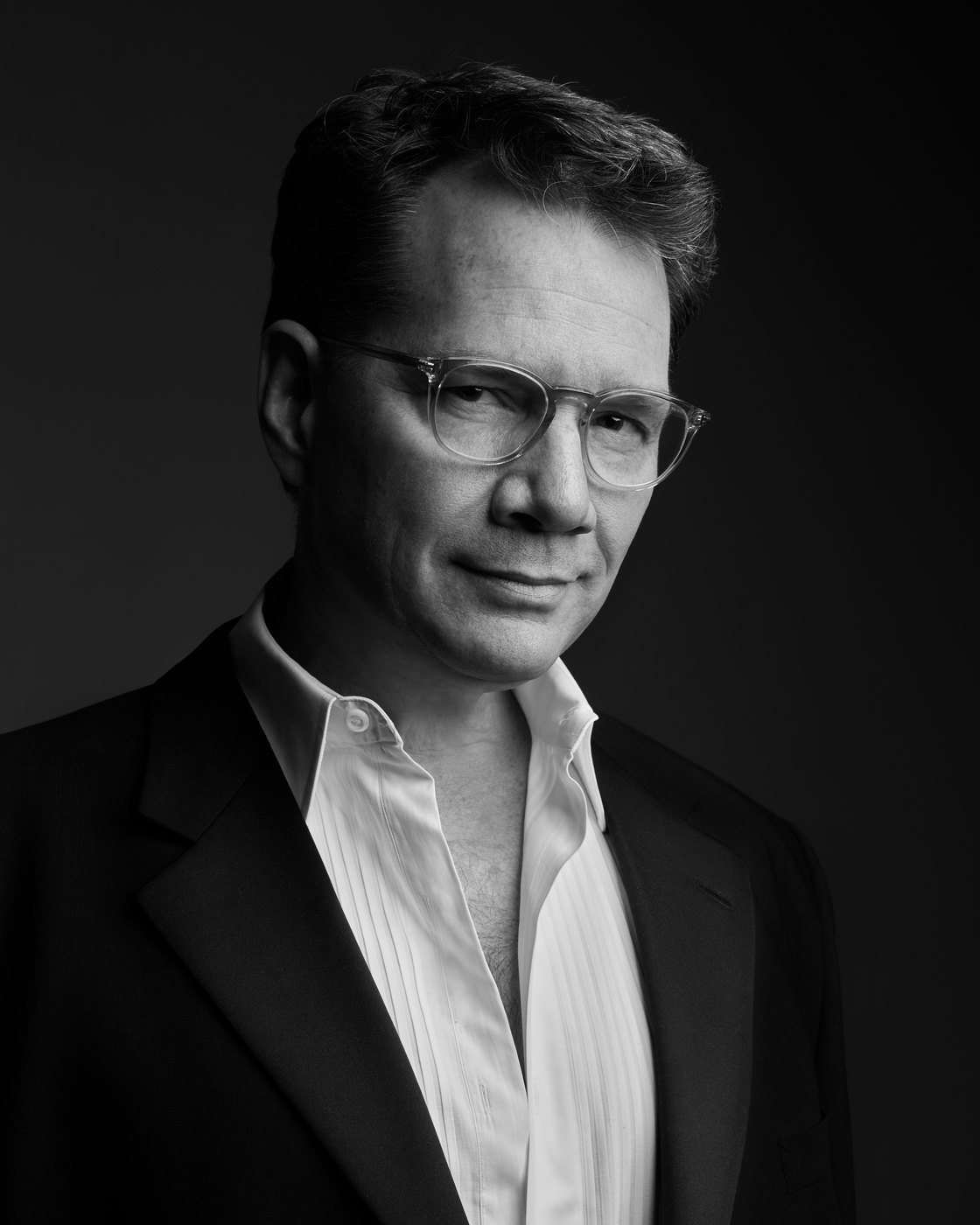
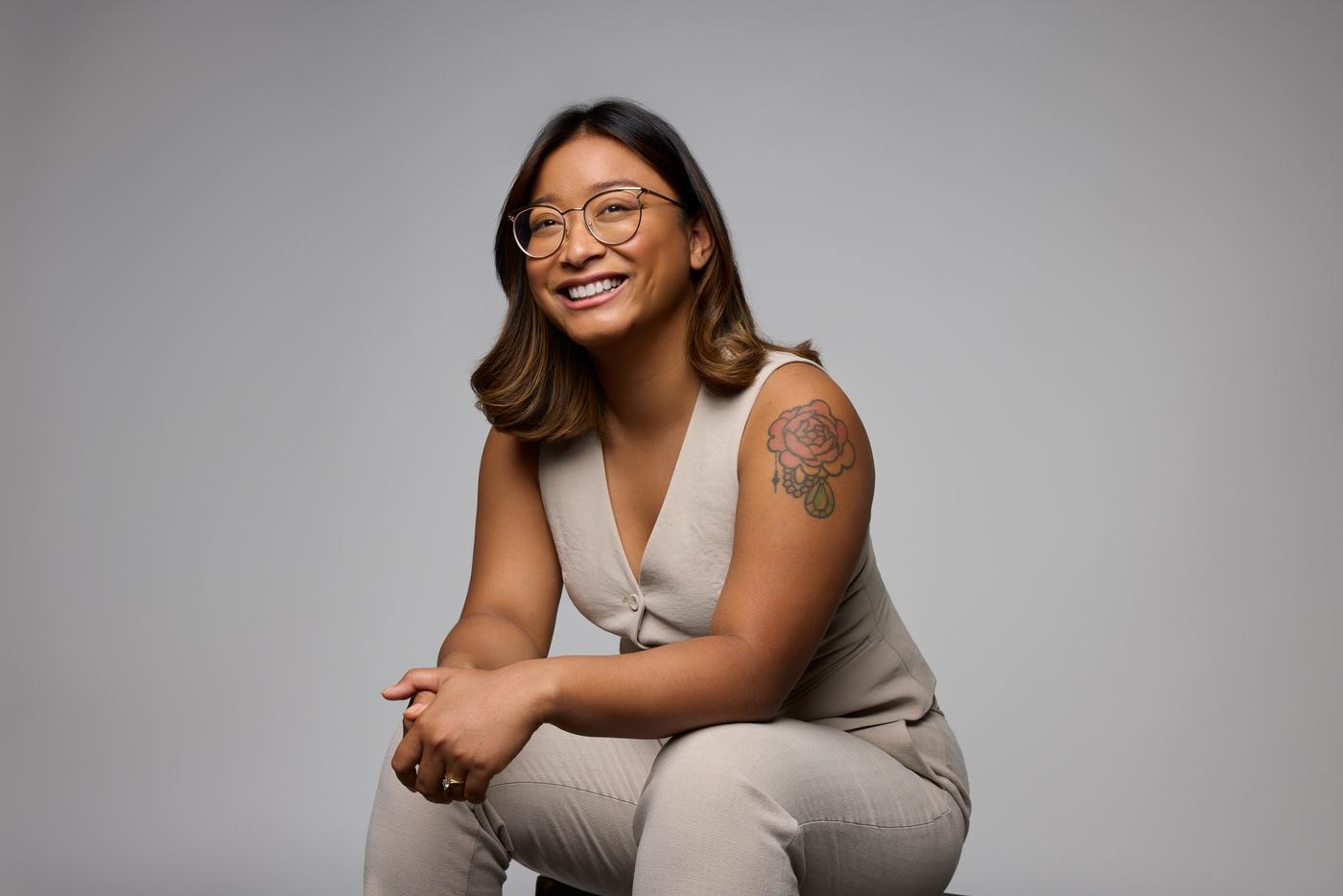
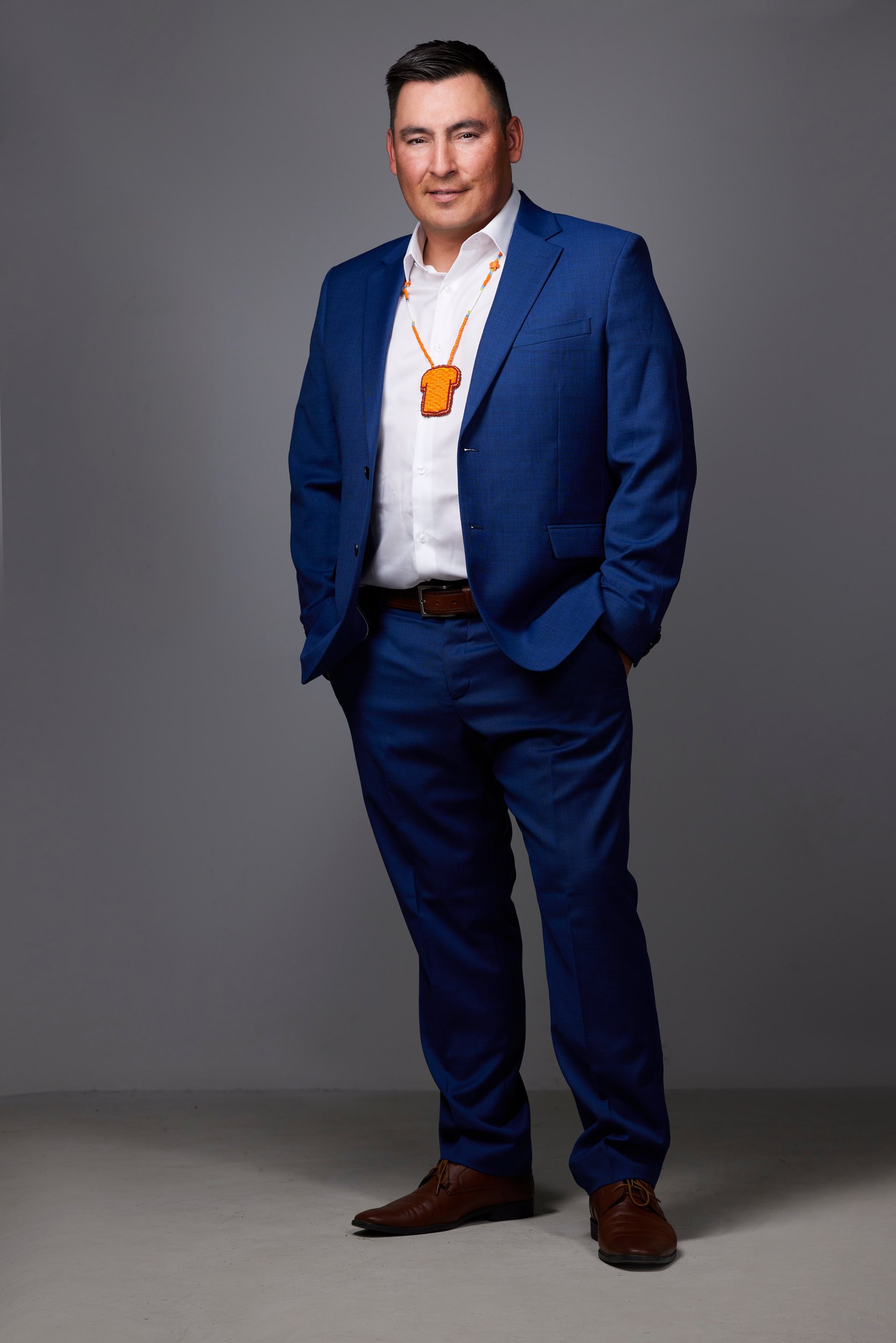
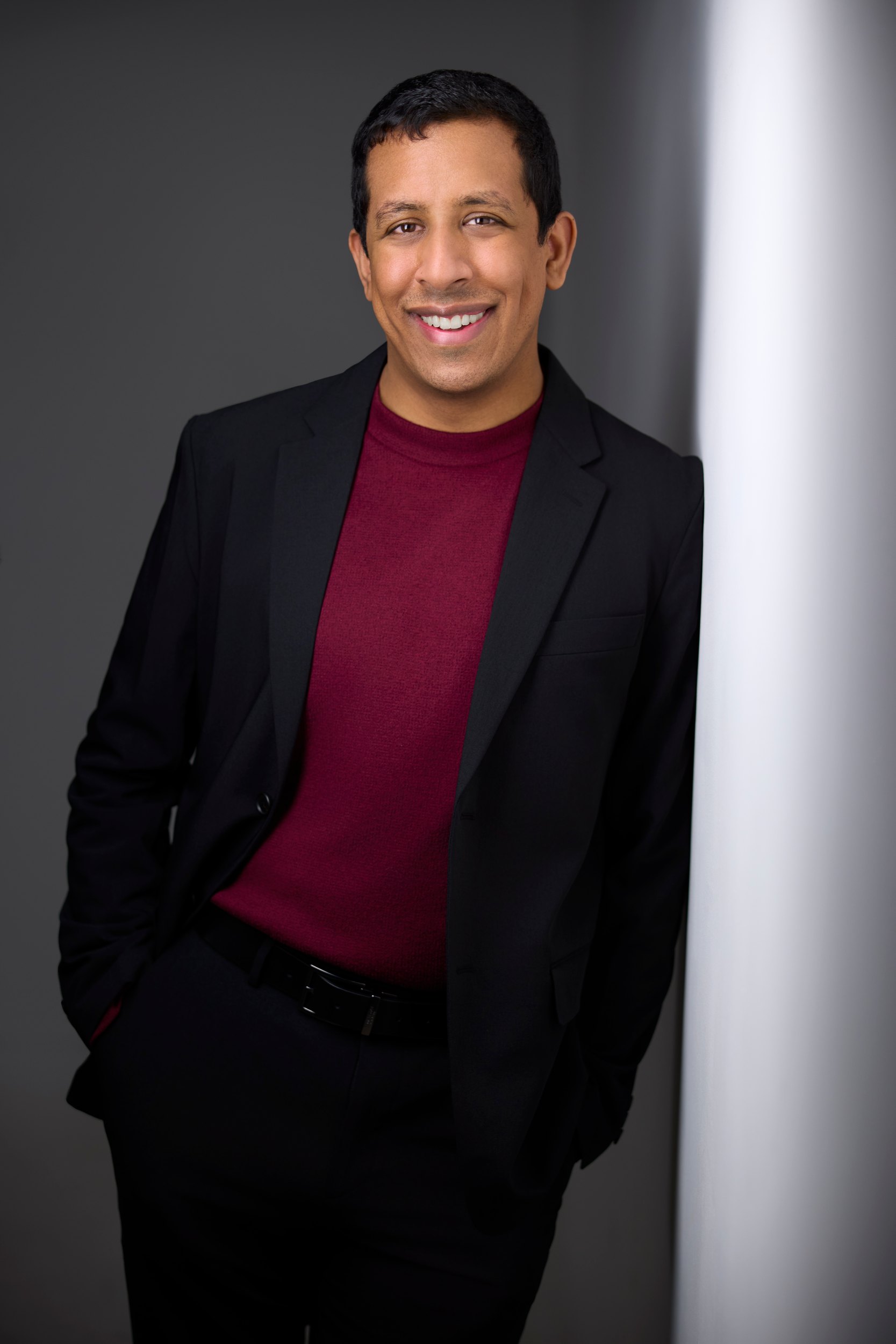
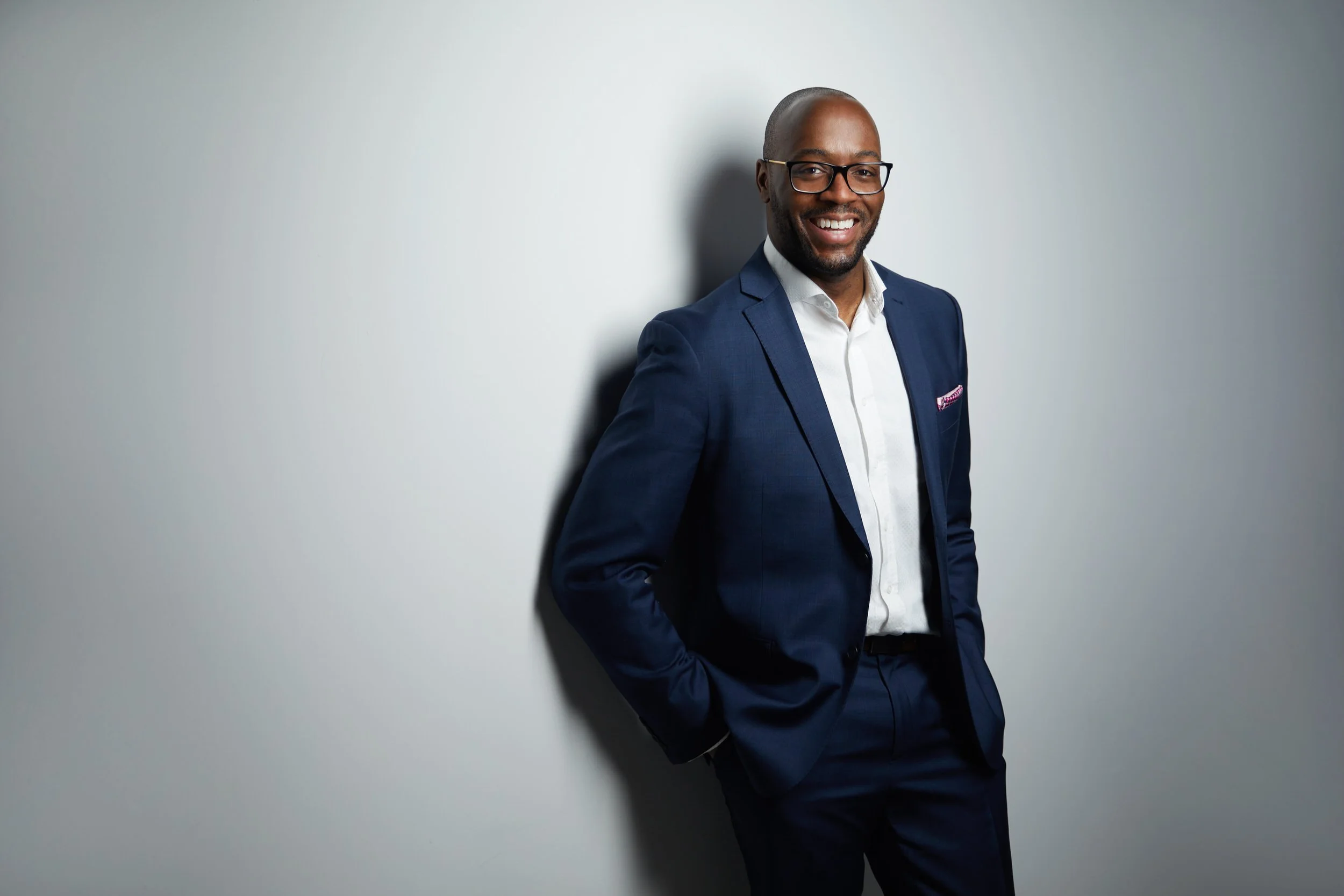
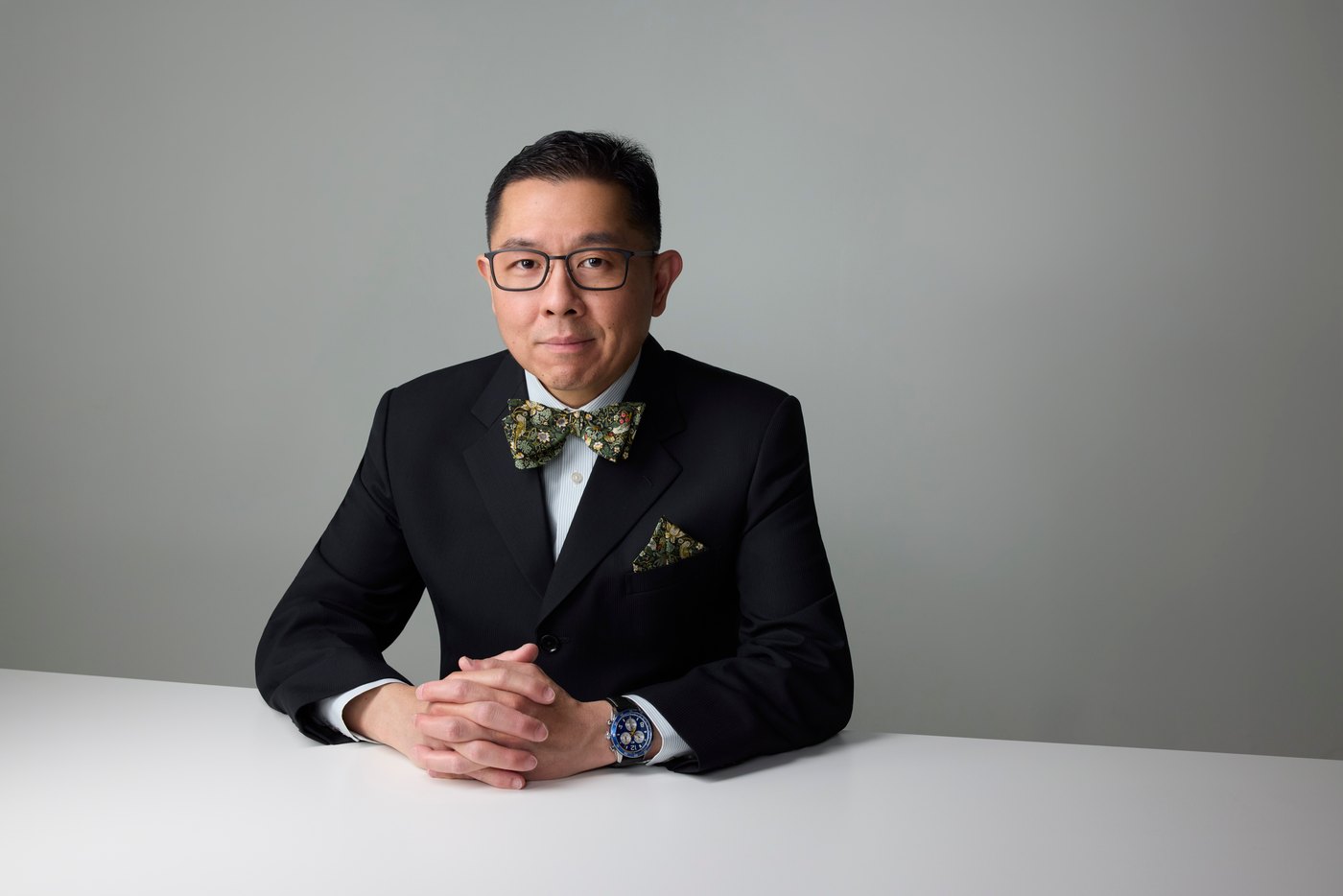
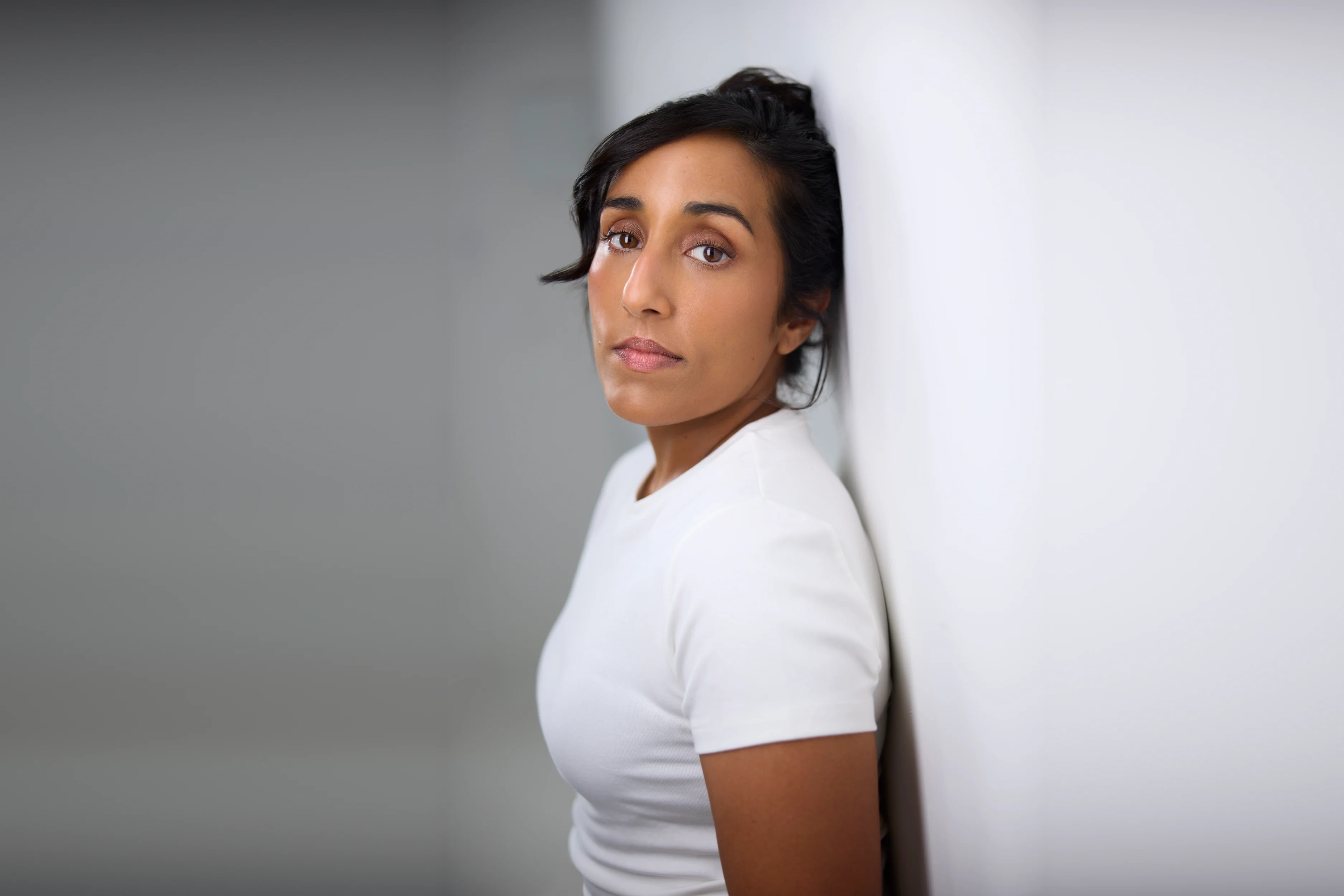
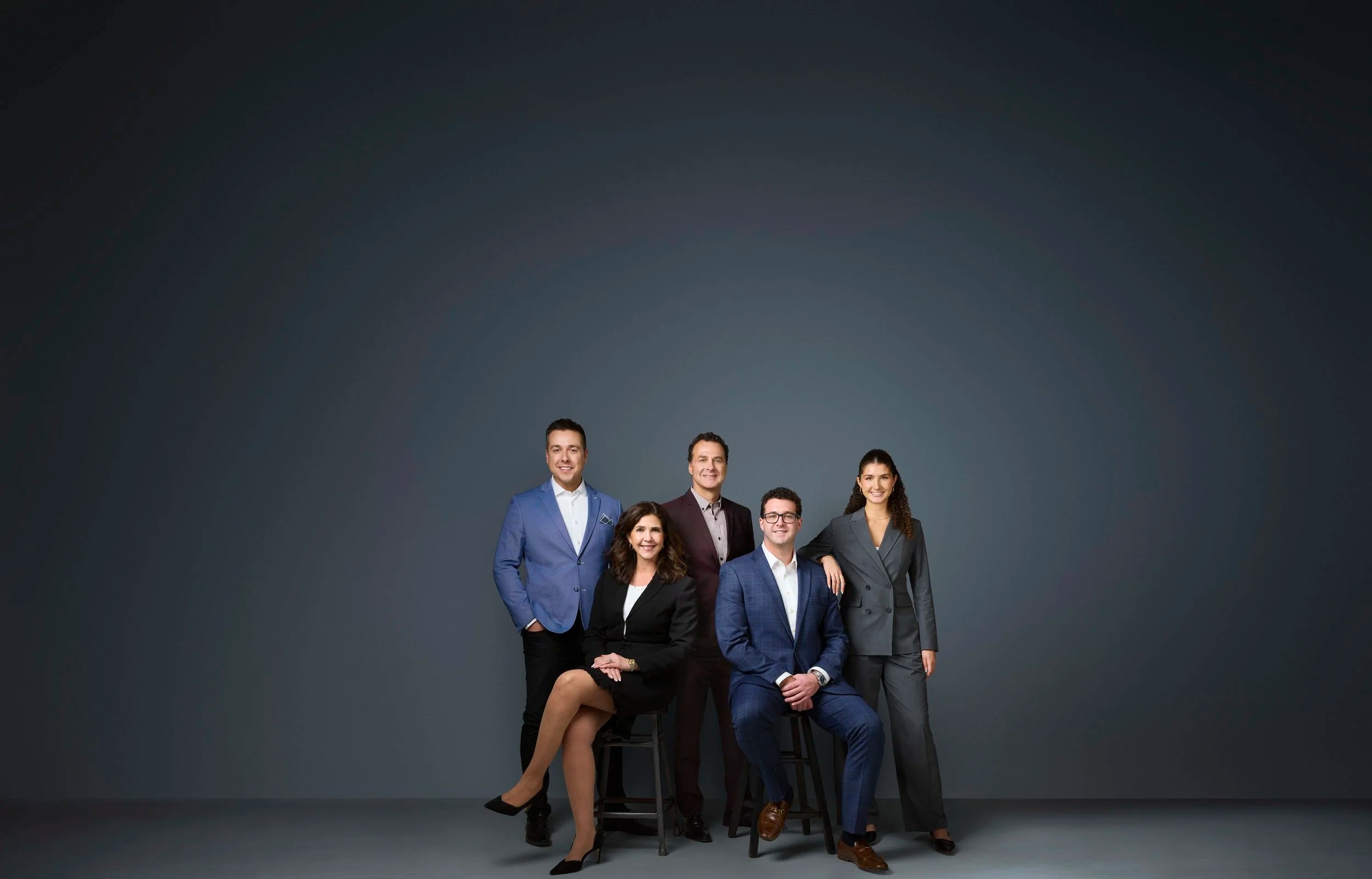
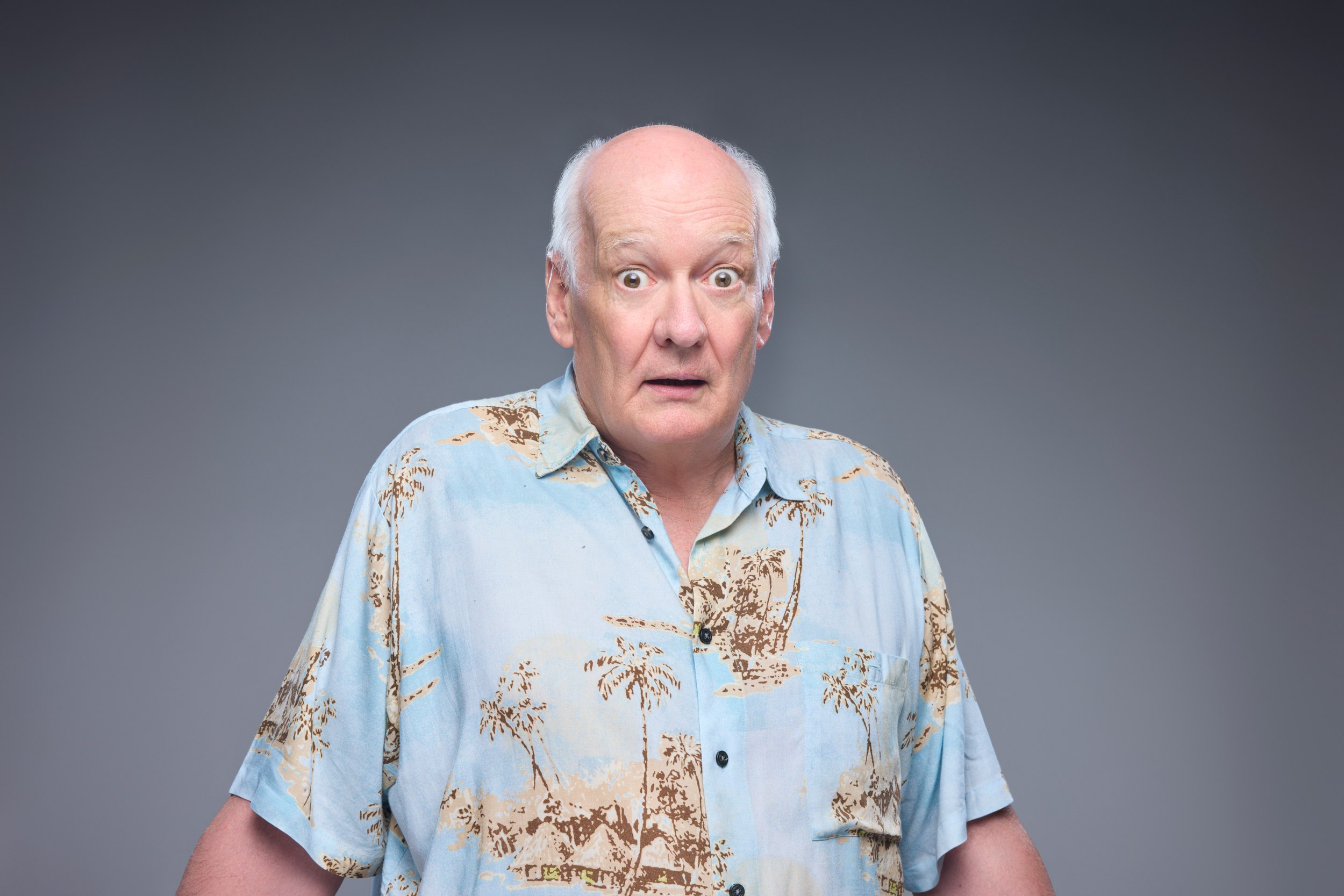
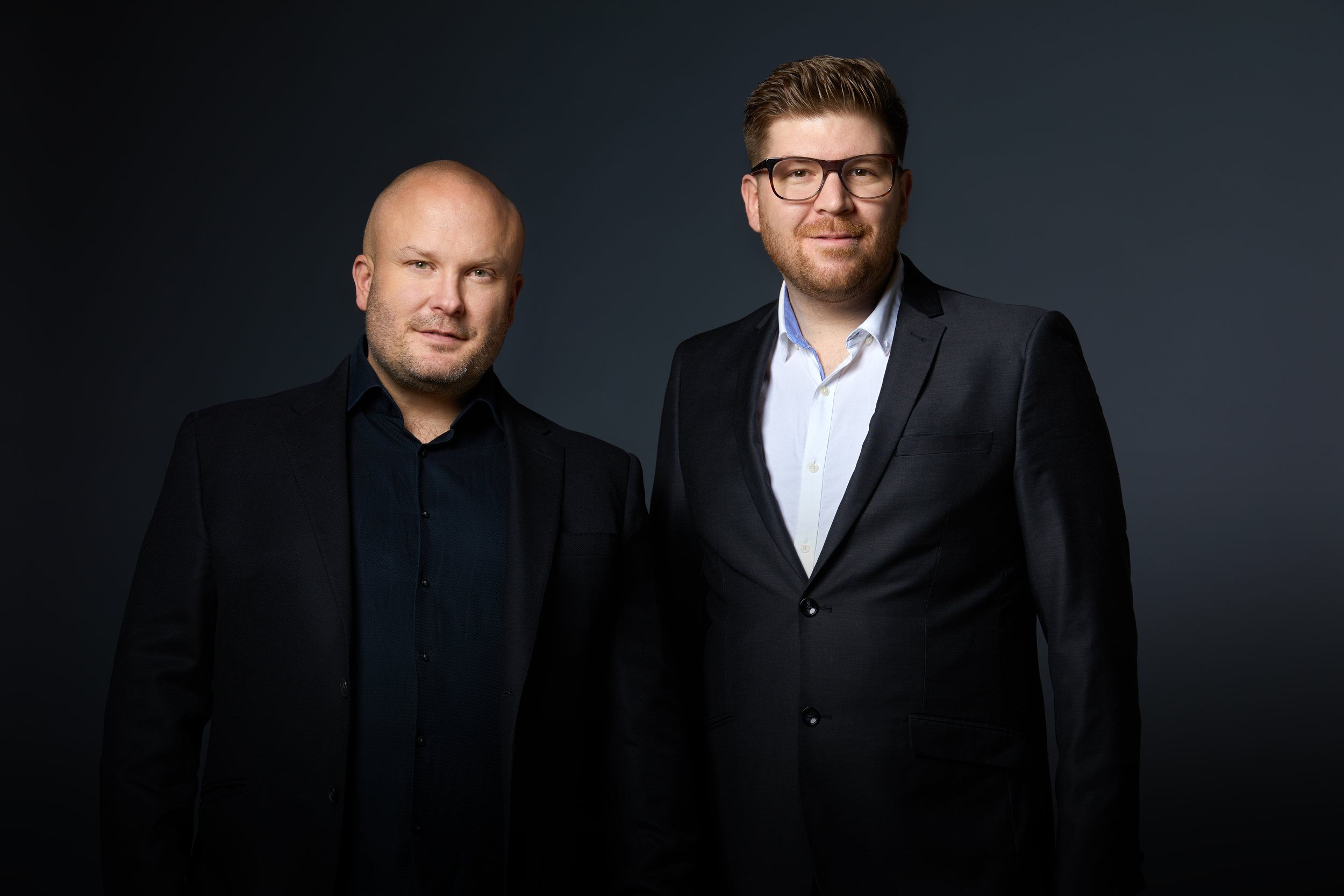
Yes. Founders, entrepreneurs, CEOs, executive directors and board chairs, whether the company is new or the role is. The session starts with the clean headshot and then opens up for the annual report, the website, the stage and the press.
02
I’m starting my own business. Do I really need a professional headshot?
Yes. It’s one of the first things you need, because people want to put a face to the name. I’ve needed it myself, when I started acting and again when I started this business. That one photo carries a lot of pressure. It has to show who you know you are, even before the business has caught up. Most people start a business out of passion. Even with supportive people around you, there’s usually a critic somewhere: in your own head, or in your family or network, unsure it’s the right call. Deep down, though, you know it’s the right call, or you wouldn’t be doing it. When a headshot shows that part of you, it’s more than a picture. It’s an affirmation that you can be that person, and already are. Seeing it, even in a still photograph, can launch you forward and build your confidence.
03
I’m starting my own business. Do I need more than one headshot?
You can get by with one, especially at the start. I run my own business, so I know how tight money is in the first stretch and how much else needs your attention. How many you need comes down to where you’ll show up: your website and its About page,
LinkedIn, an Instagram account tied to the business, your Google Business Profile, anything you’ll print, and whether anyone else on your team needs a matching photo. If your face is part of the brand, a few options go a long way, so you can use different photos on different platforms and refresh them with the seasons.
04
Do you photograph senior executives and women in leadership?
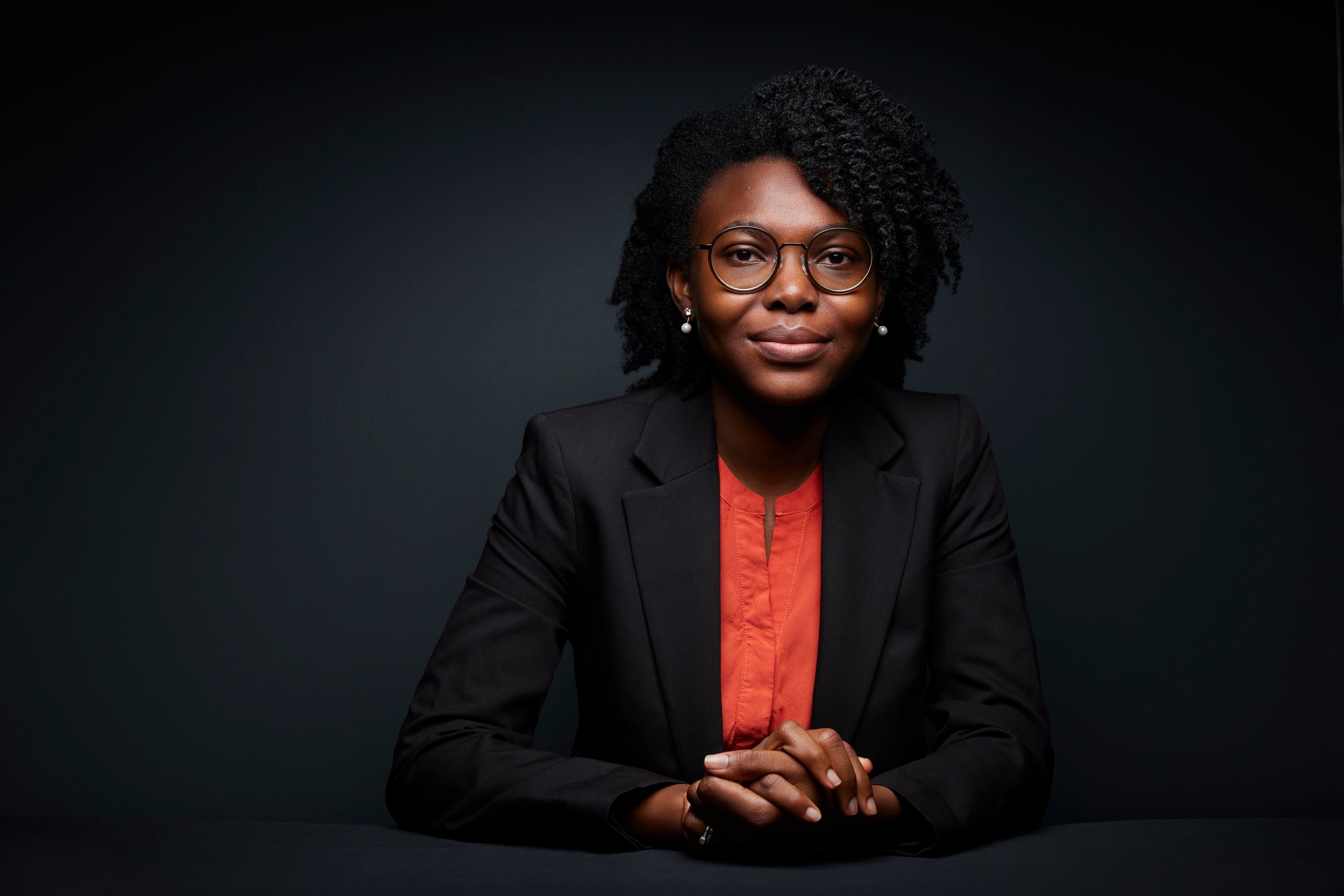
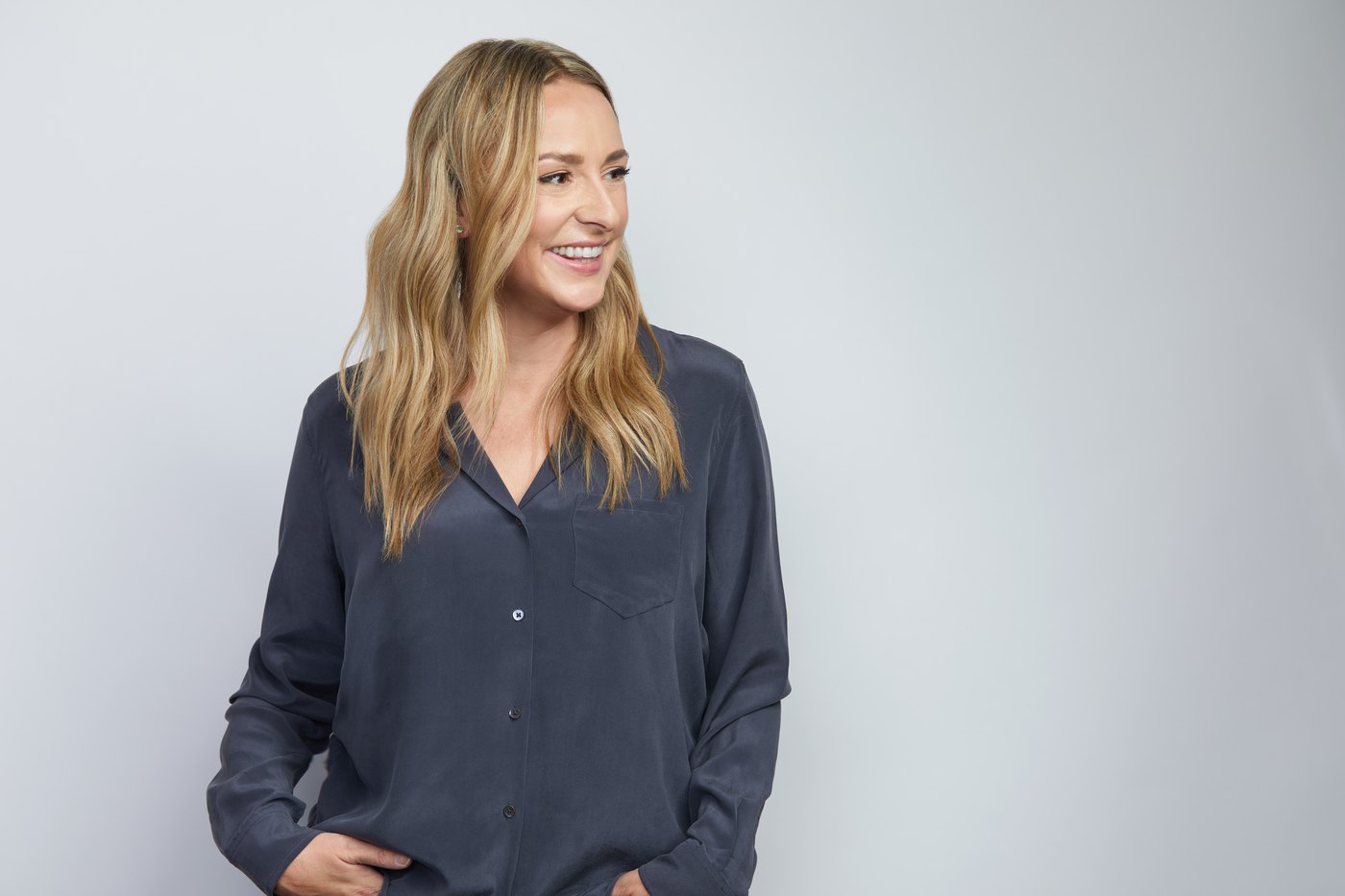
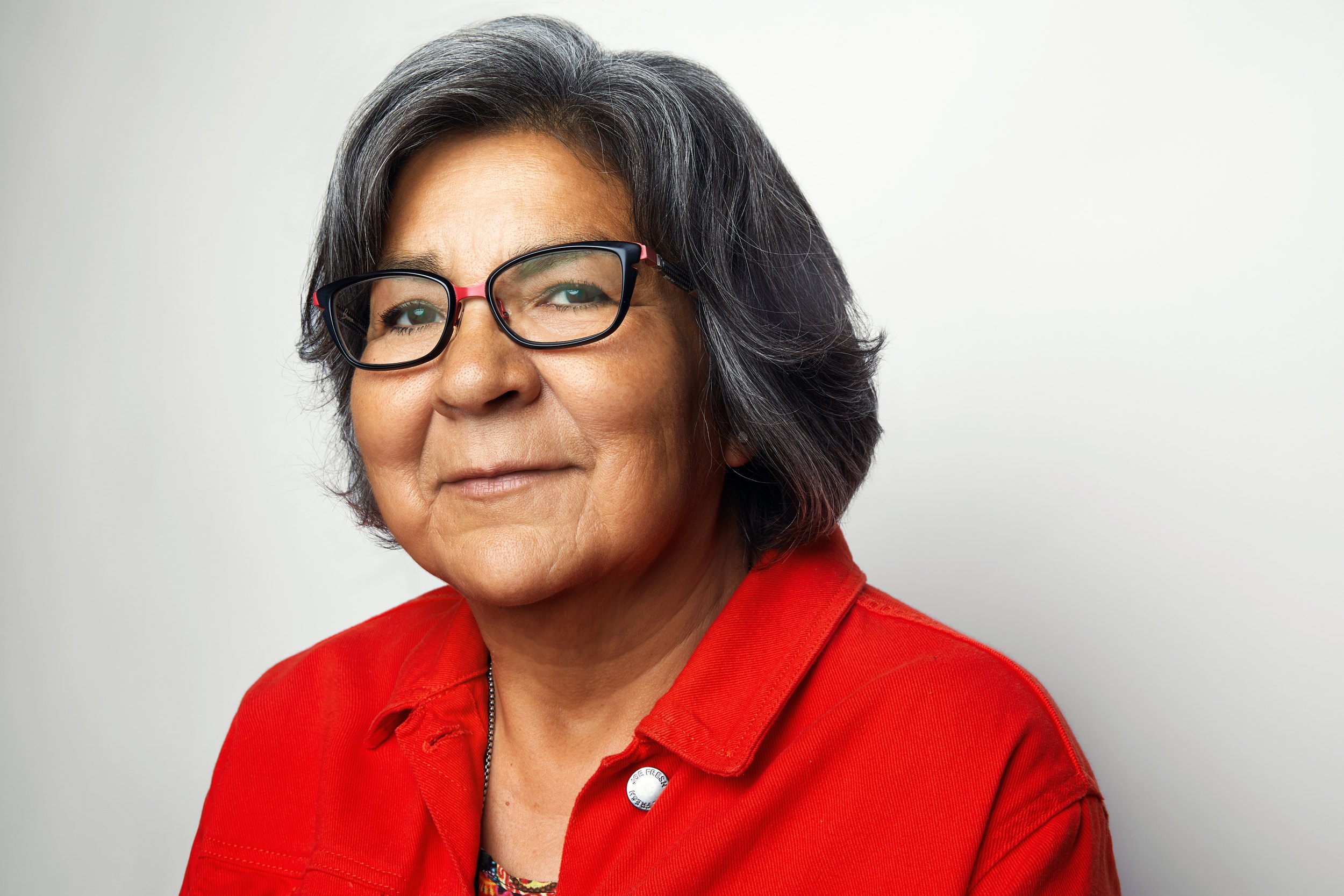
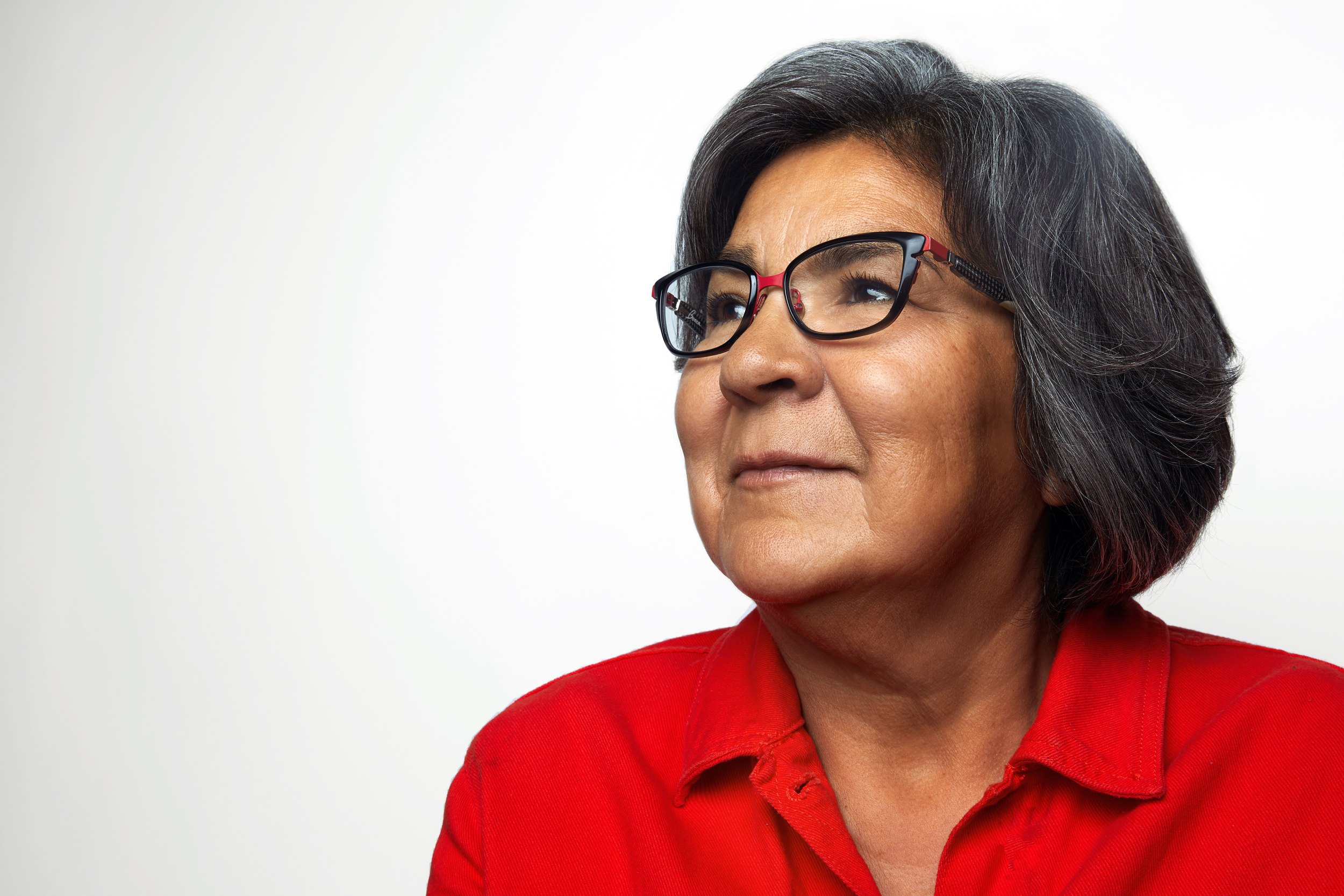
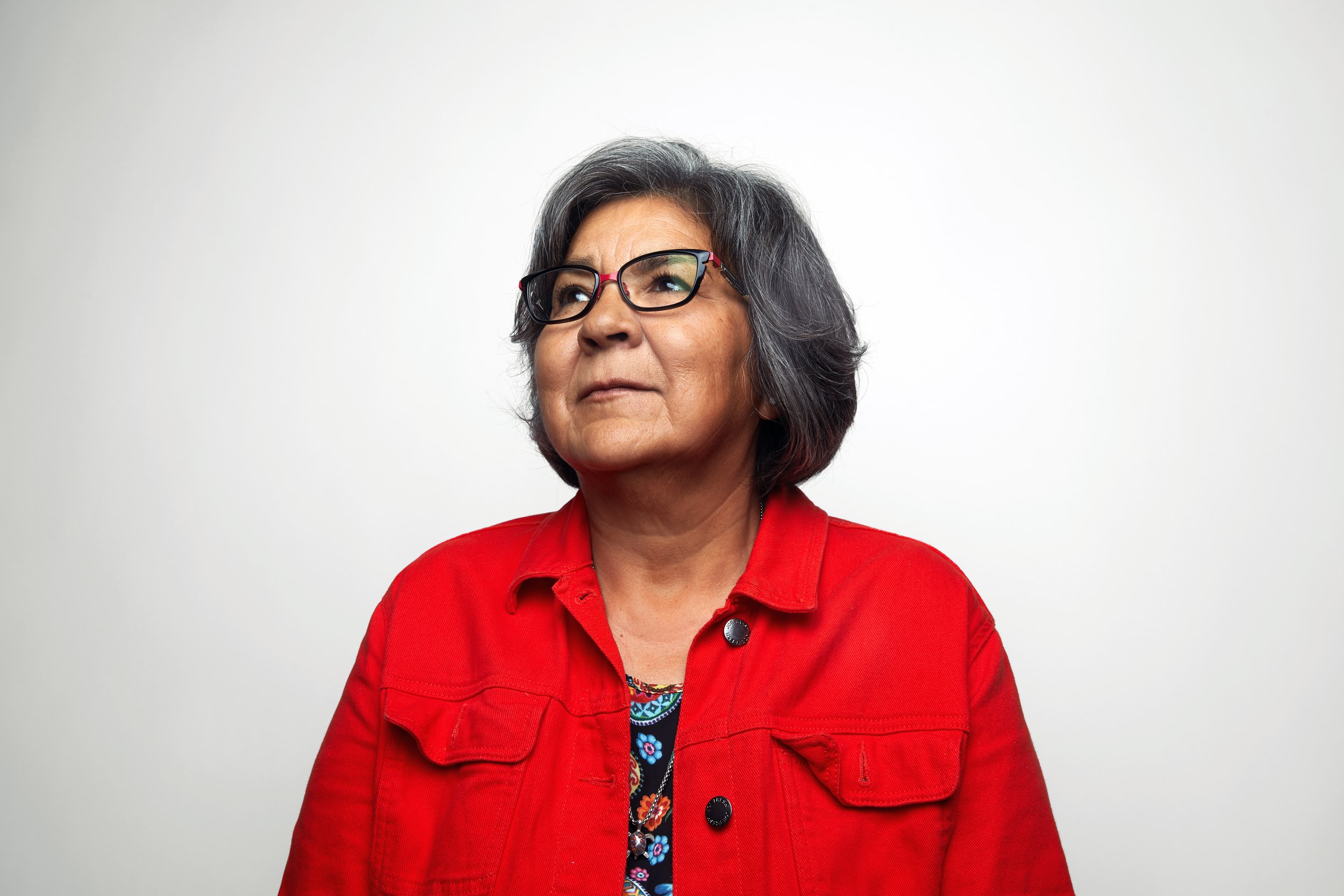
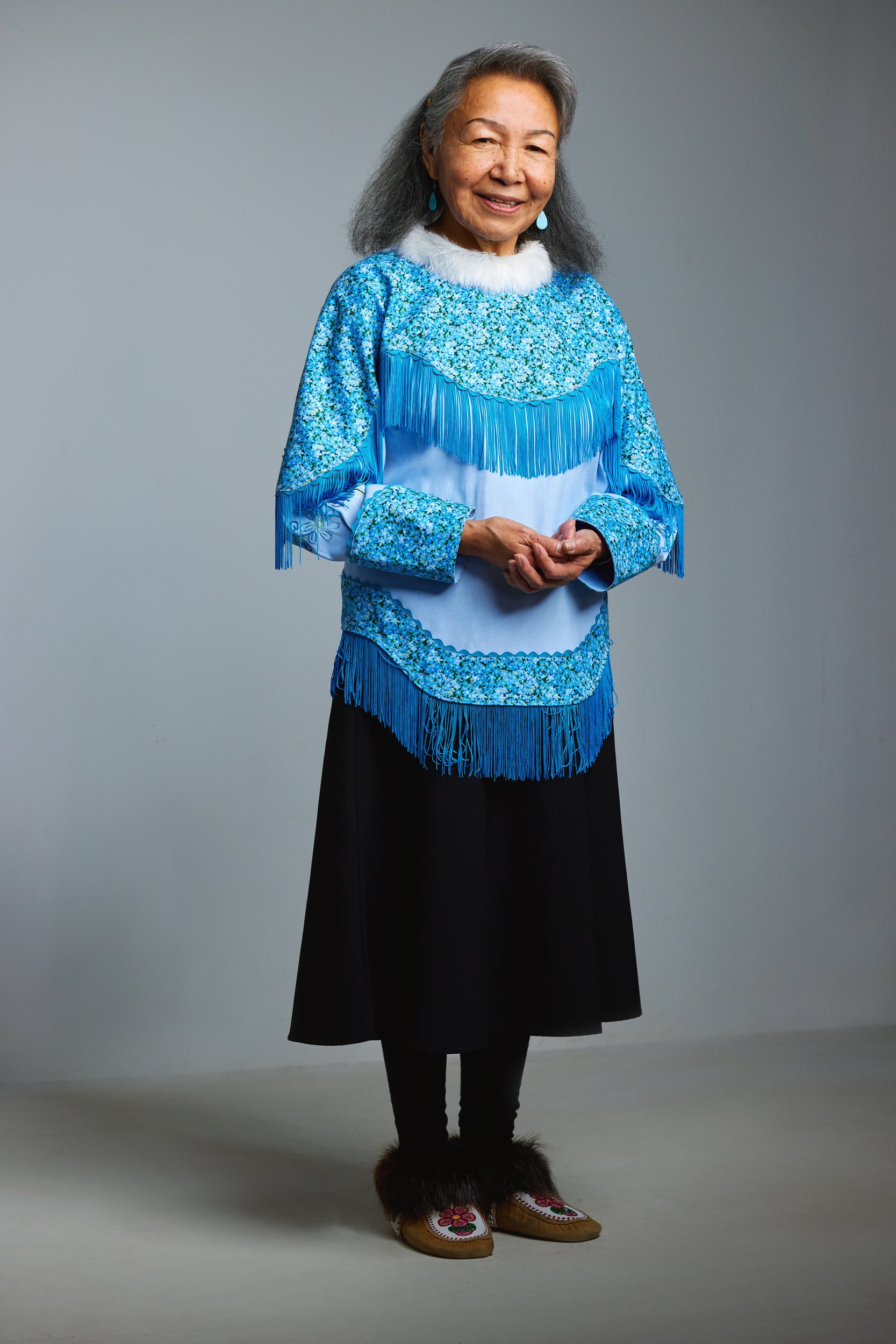
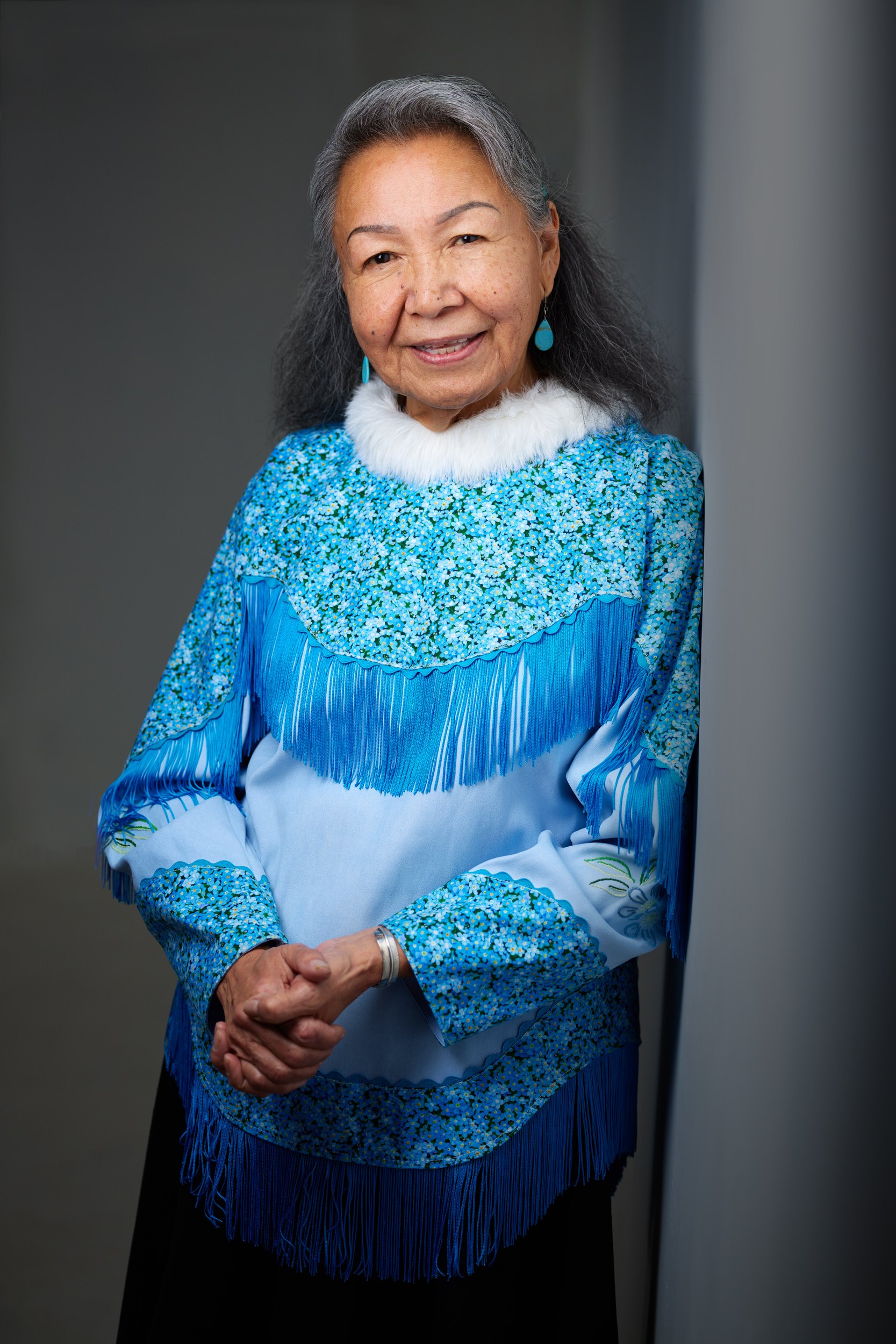
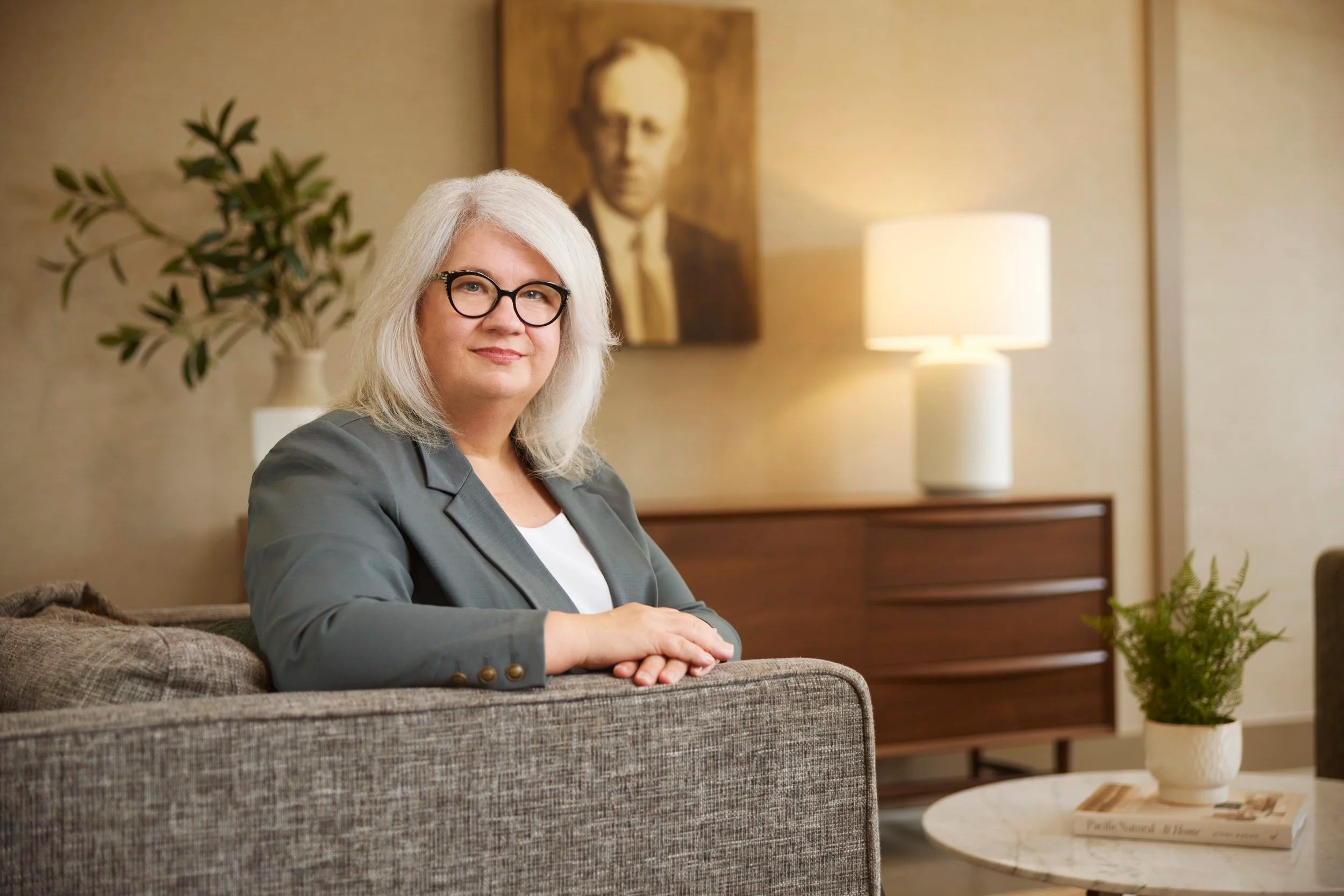
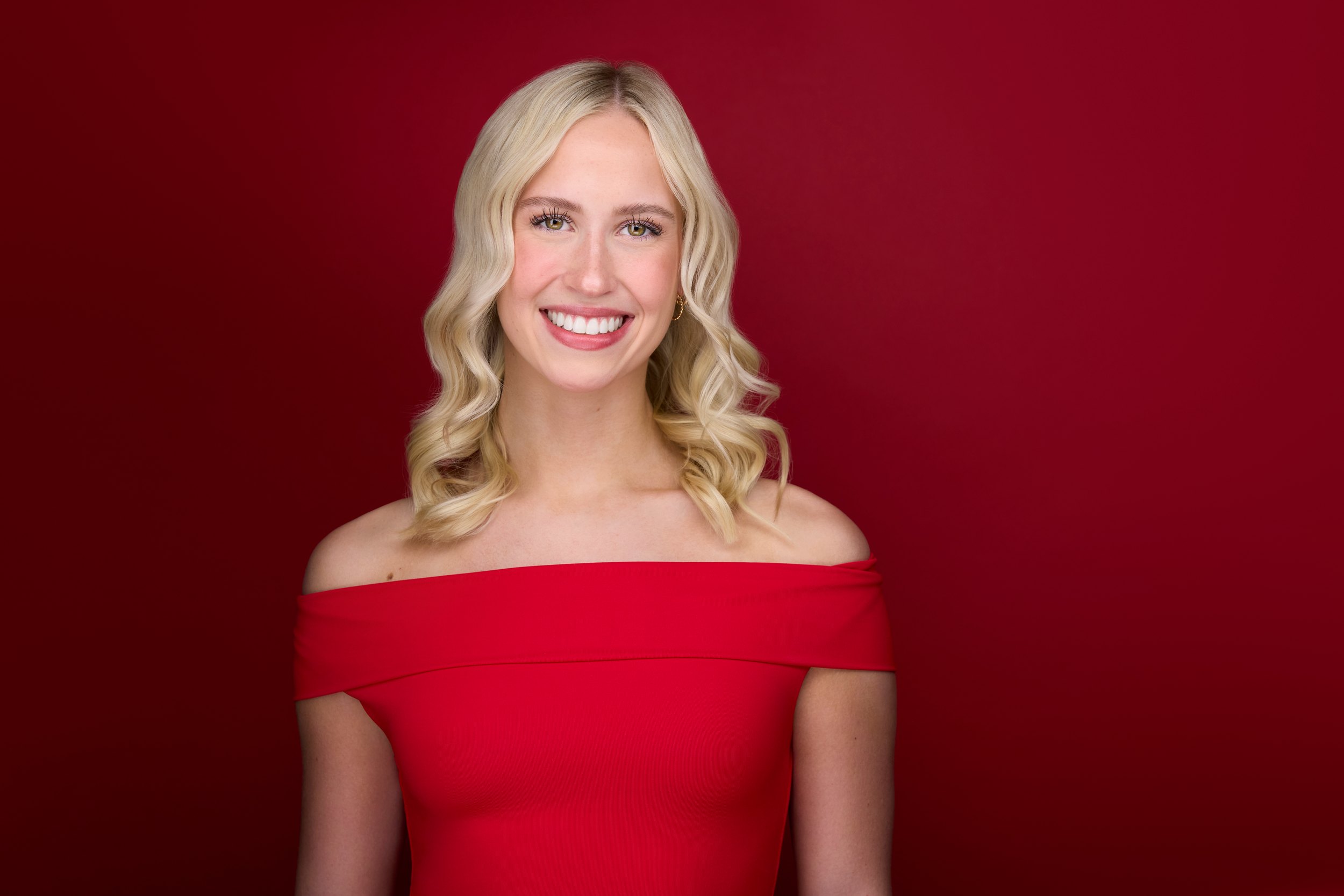
Yes. A lot of the people I photograph are women in senior roles: executives, leaders and people in public office. In my experience women get judged on their photos in ways men in the same jobs rarely are. Too polished reads as a problem, and so does too plain. So the wardrobe, the makeup and the expression all have to land on confident and approachable. The lines that make a man look distinguished get read differently on a woman, and that takes care too. When it helps, I bring in a makeup artist who’s experienced with mature skin and has worked with me on company campaigns. Lines get softened in retouching and stay yours, and nothing is final until you approve it.
05
Do you photograph authors for book jackets?
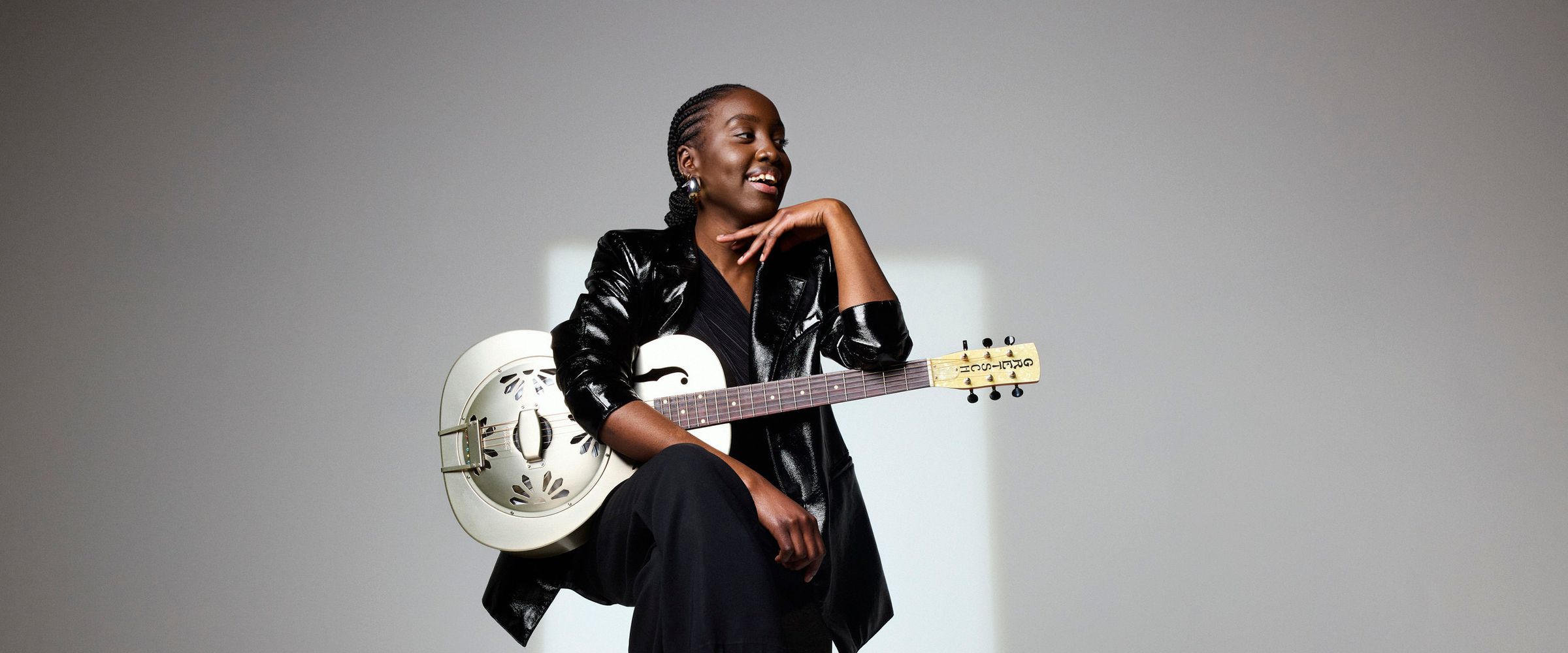
Yes. I’ve photographed more than 20 authors, including Marty Chan, Darrin Hagen, Morningstar Mercredi, Belinda Cornish, Katherine Koller and Theresa Shea, for back covers, inside flaps, front covers and press kits. My first question is always about your publisher: some have specific requirements, and it’s good to know them before the shoot, while others leave it open. After that, the photo takes its cue from you and what you write. For a financial advisor’s book, we went executive, with him looking off into the distance like a campaign portrait. For a thriller about a medical cover-up, we played with shadow and a more mischievous, intense expression. A historical fiction writer got calmer, more thoughtful light, and a romance author got warm tones. Sometimes it’s the lighting, sometimes the expression or the clothes. They all help tell the story of you within the stories you write.
06
Do you photograph keynote speakers?
Yes, all the time: people who keynote regularly, and people preparing their first keynote after making a name in their field. The photos end up on speaker pages, in conference programs and media kits, on event posters, and on the screen above the stage, so one photo has to work as a thumbnail in a program and fill a screen as you walk out. Every photo I take is made to hold up at any size. What changes is the conversation: when you know your face will be that big, you think harder about the expression you want. That part is yours to decide, and we find it together during the shoot. One dermatologist came in before speaking at a huge conference in Las Vegas, and he was extremely nervous. Afterwards he emailed to tell me how well it went. Seeing his photo on the screen as he walked out had given him confidence and grounded him.
07
Do you photograph political candidates and campaigns?
Yes. I’ve photographed candidates at the municipal, provincial and federal levels, across the political spectrum. Some run their own campaigns, and some have a full team behind them, with discovery meetings and a lot of back and forth to build the right set of photos. Working with those big campaign teams taught me what goes into a campaign at that scale, and I bring it to every candidate, including the ones running it on their own.
08
What does a campaign photo need?
More than a regular headshot asks for. A candidate’s photo has to tell people this person is listening, has their back and will speak up for them. Often that means a slightly lower camera angle, which carries a sense of leadership. A campaign also needs range: several angles, some side profiles, and wider frames that show more of you, cropped loose with crisp edges so they hold up on billboards, signs and pamphlets.
09
How is this different from a business headshot?
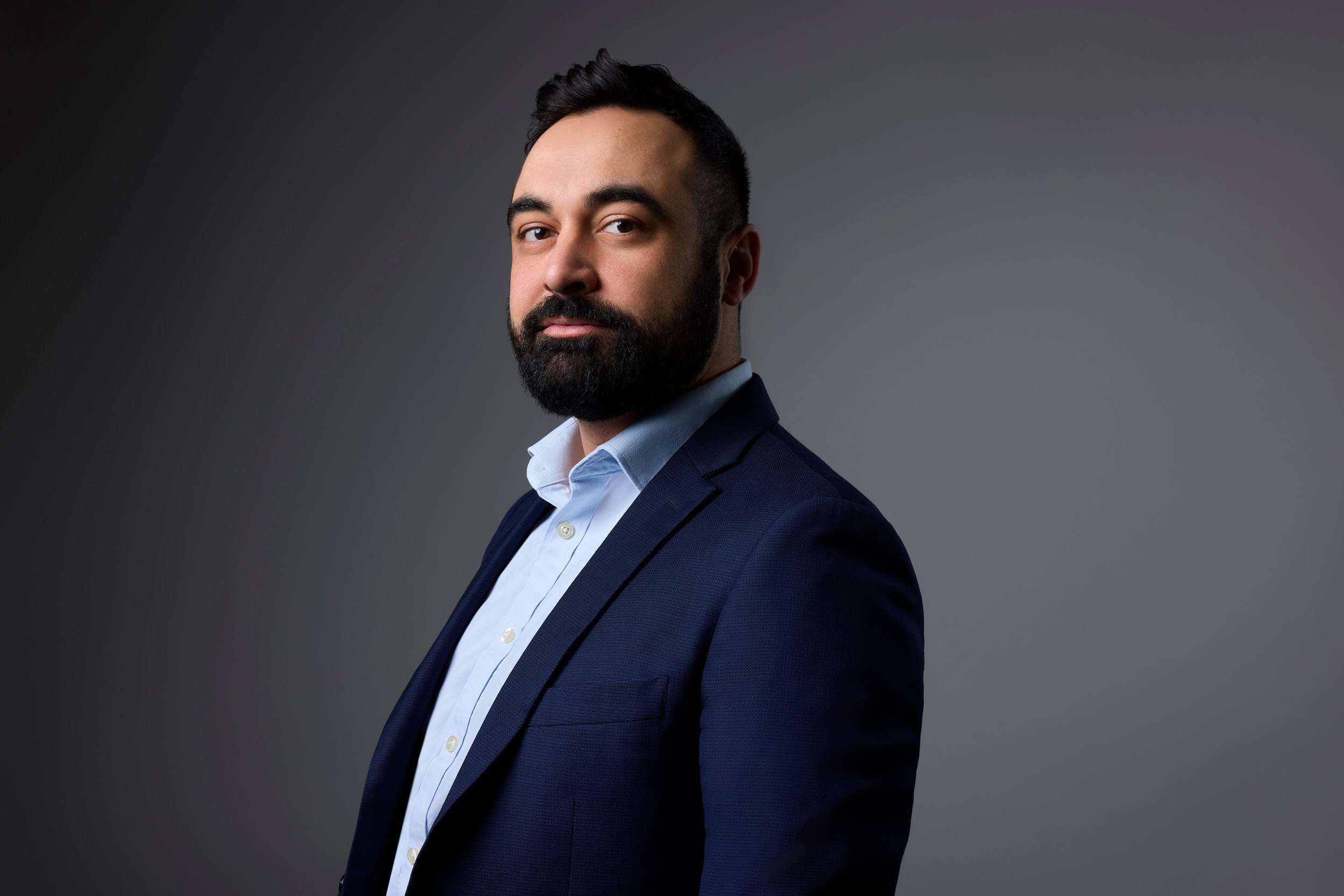
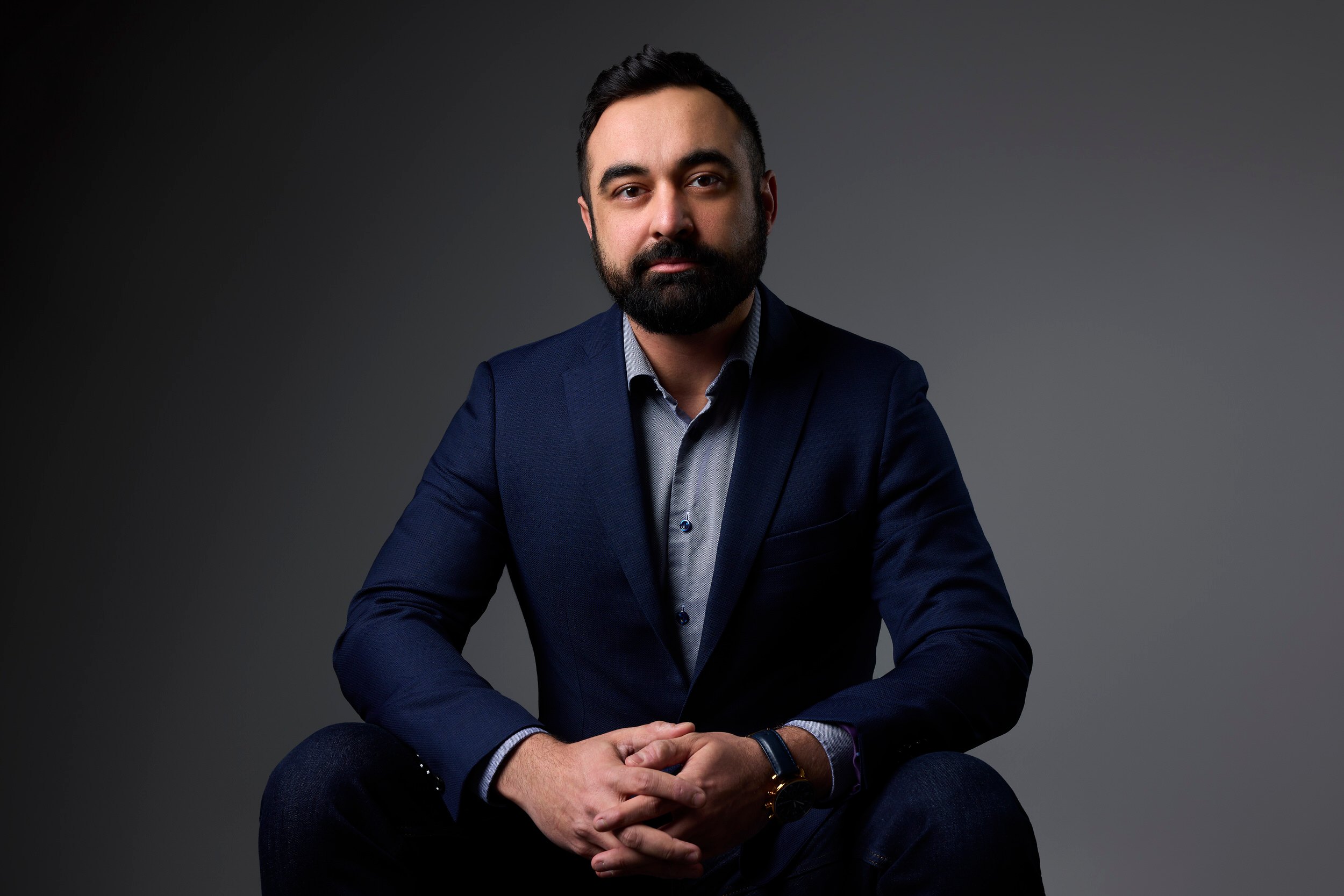
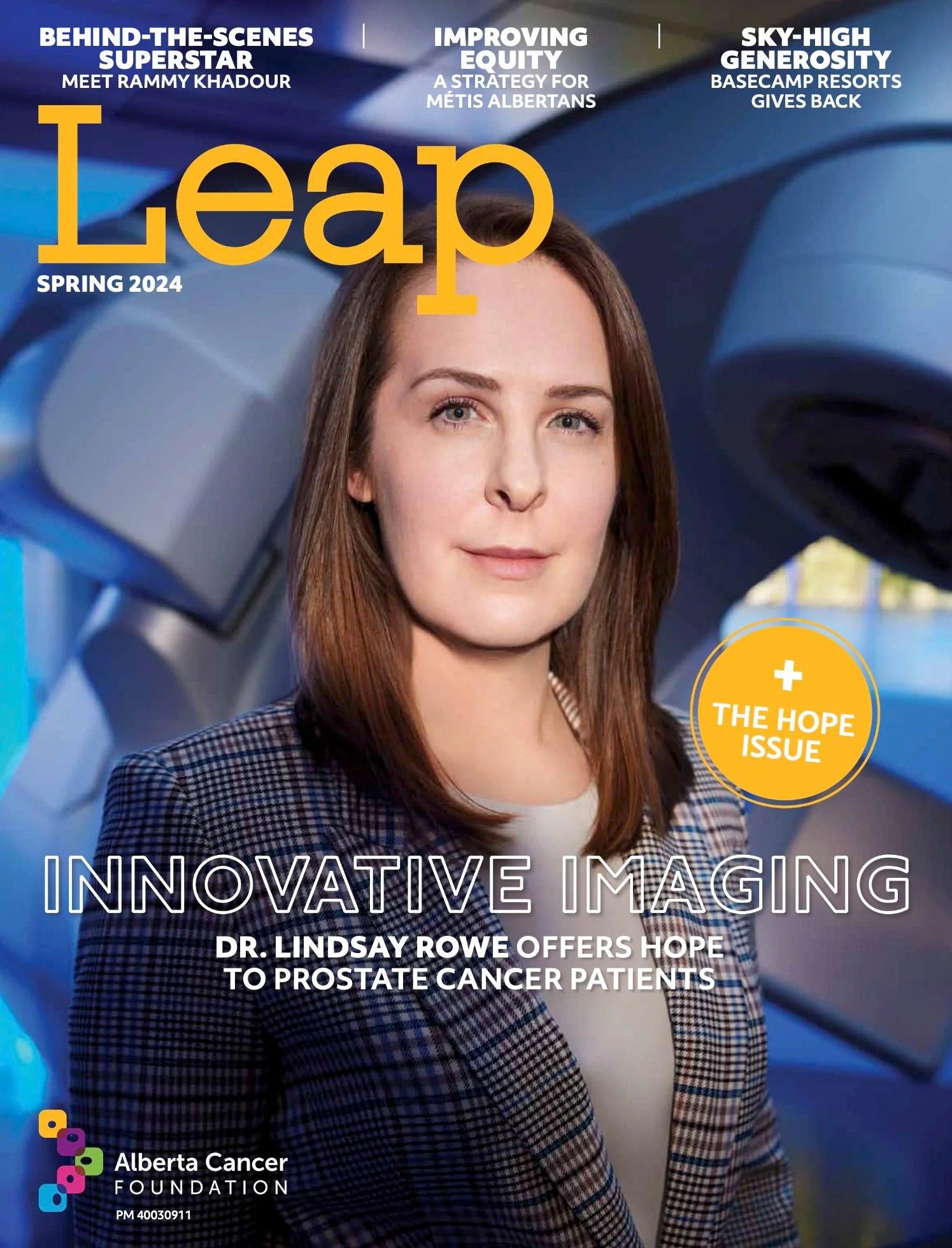
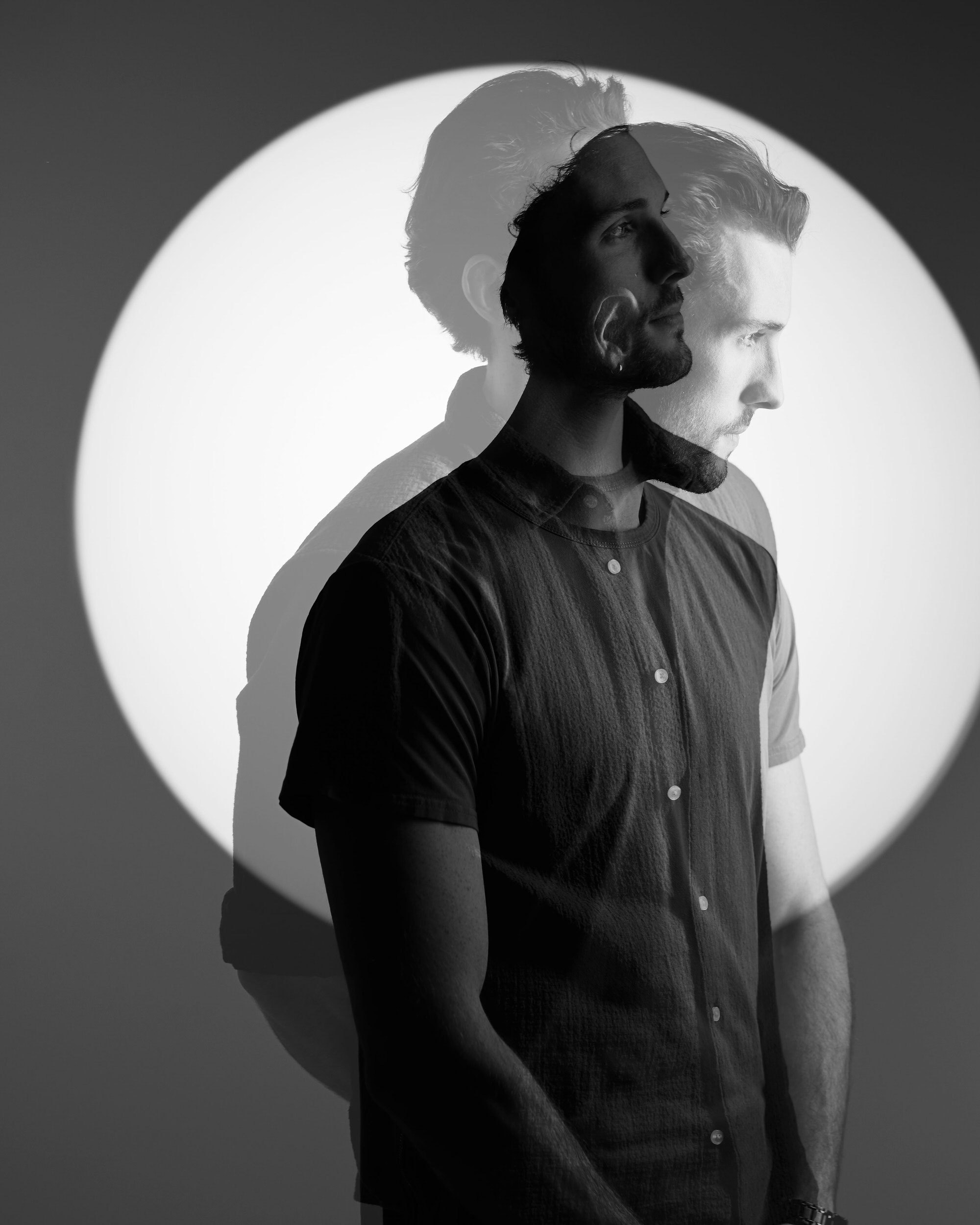
It starts as the same session and goes further toward the editorial: the kind of portrait a magazine would run beside a profile of you. The clean headshot comes first, and then the frame opens up: seated, standing, a second backdrop, a bit more shadow. The conversation beforehand is about how you need to be seen in the role, and the wardrobe and posing follow from that. For speakers and authors it is the same session built for a different set of places: the book jacket, the speaker kit, the press images that go out with an announcement.
10
Where does your approach come from?
Peter Hurley’s Headshot Crew, where I’m an Associate and a former Mentor, is where the foundation came from; what I’ve built on it is my own. How I direct a session comes from twenty years as a working actor: a conversation rather than coaching, with every frame on the screen between us so we can see it together.
11
Should I keep my glasses on?
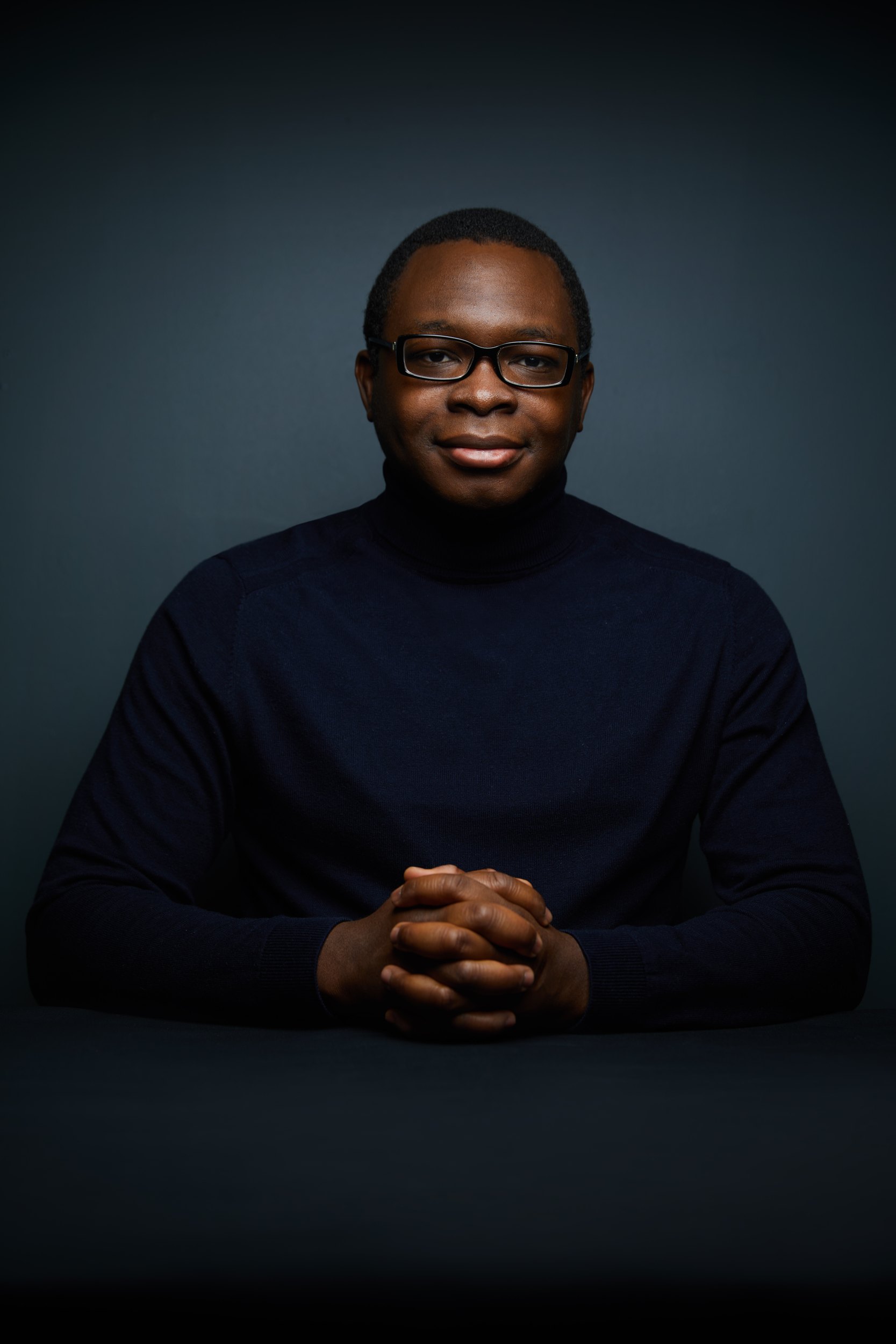
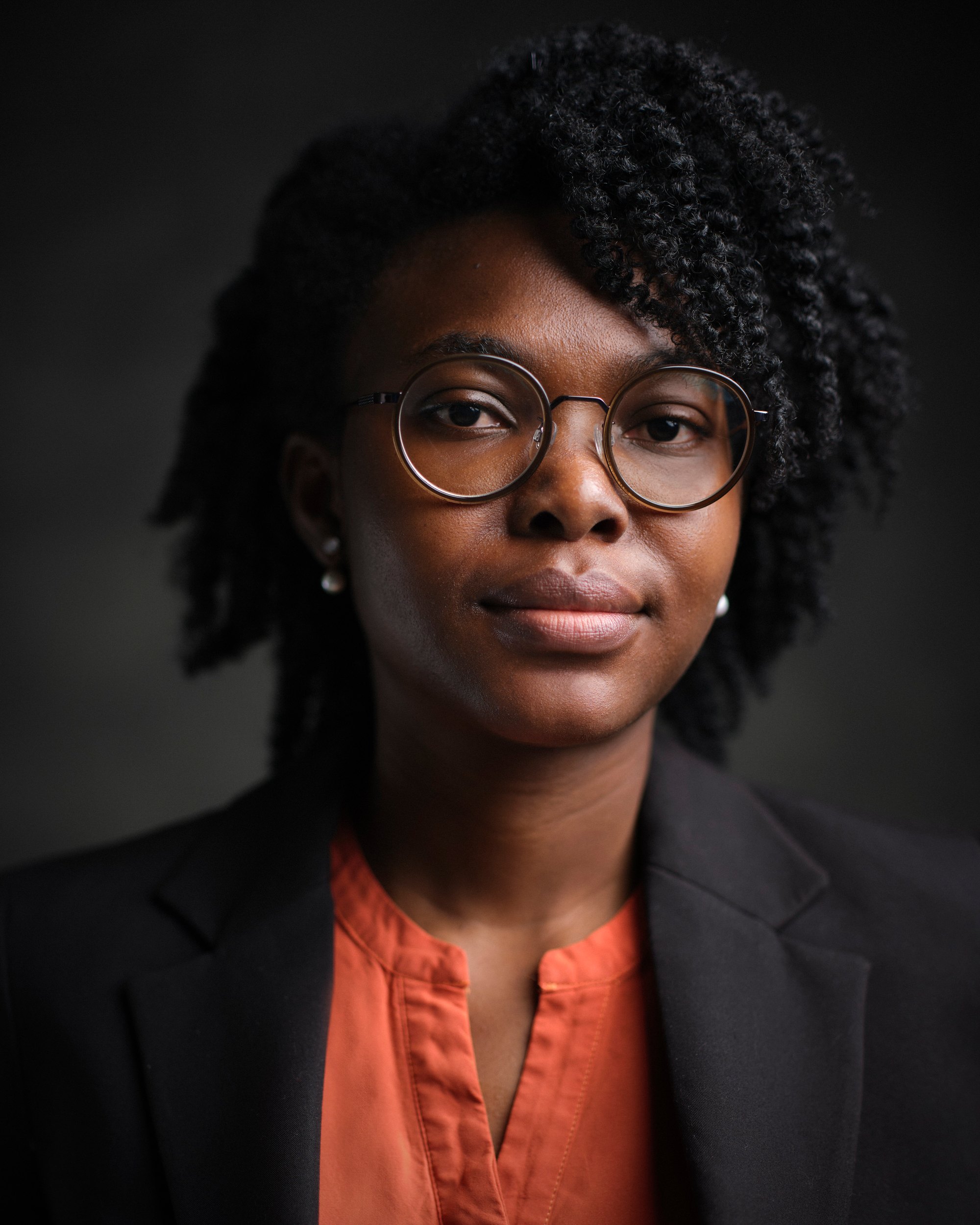
Whatever looks like you day to day. If glasses are part of how people recognize you, keep them on. One client brought several pairs of glasses, mostly thin wire frames, and they were working. Then she changed into a bolder top, and the photos stopped landing. I suggested the thick black frames she’d brought. We took one shot, came around to the screen, and both of us were screaming at the difference.
12
What should I wear?
Whatever you’d wear in the room where you’re taken seriously. Tie, watch and fit get talked through as part of the session.
13
How much does an executive headshot cost?
In the studio it’s the same rate as any headshot session with me: $250 for the session, plus $125 for each image you choose. There are no packages: you pick your images once you’ve seen them on the screen. The image fee covers the retouching and your rights to use the photos. Location shoots, and work that needs creative planning beforehand, are quoted separately.
14
How long does it take, and when do I get the photos?
I set aside two hours for every session, so nothing is rushed. If you need a single image, it can take as little as 15 minutes. Several looks or outfits, the way most actors and executives come in, use most of the two hours. Finals are ready within five business days of your picks.