
Photographing the University of Alberta Alumni Awards
Ryan Parker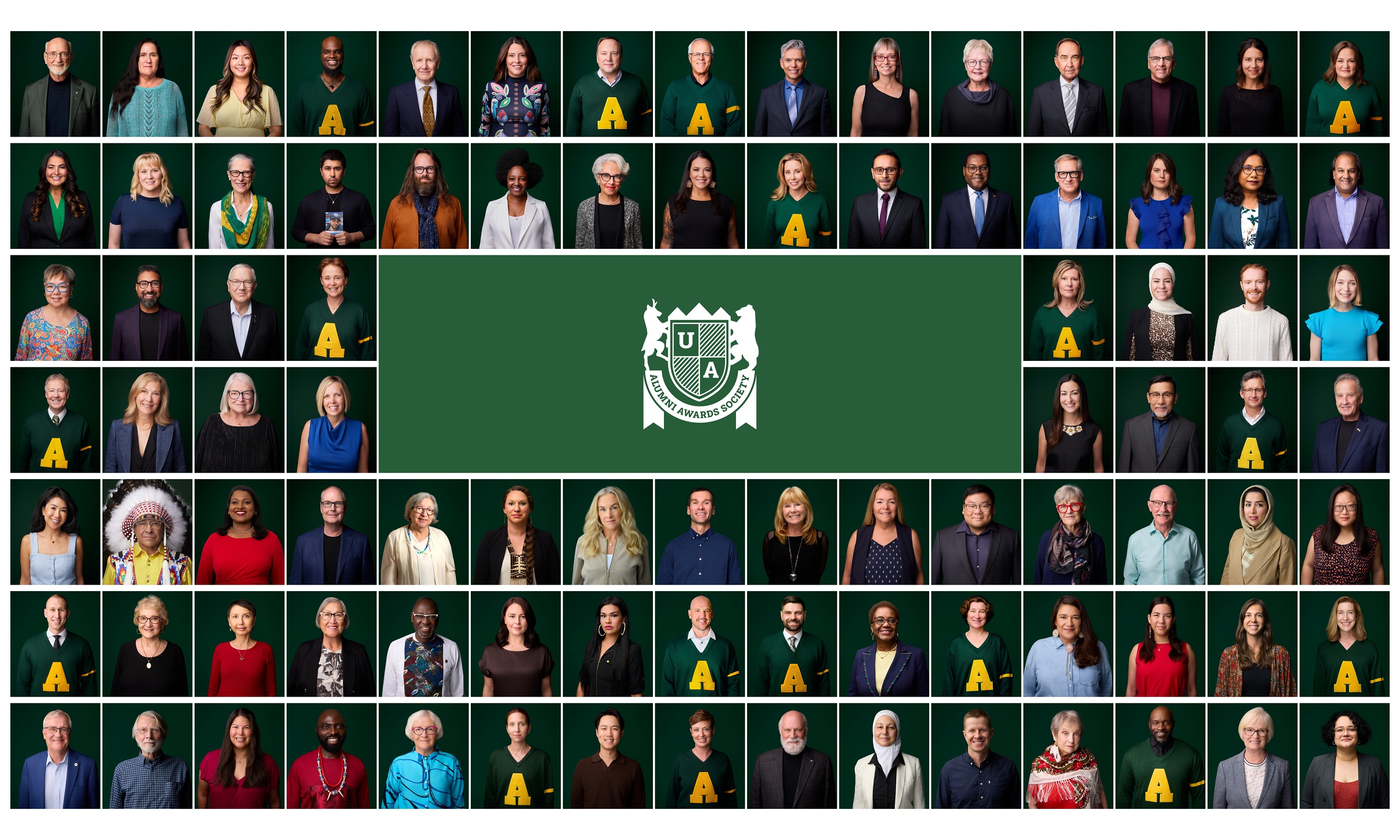
Each year, the University of Alberta recognizes a group of alumni scattered across North America, and each year, I've been trusted to make sure every portrait looks like it came from the same photographer, the same day, the same room. 4Years Running 19Cities 18Photographers 80+Portraits
The Assignment
The awards span categories like the Distinguished Alumni Award, professional excellence, emerging leadership, and provincial and national influence: alumni who've gone on to do genuinely significant work, scattered across the continent.
I've been fortunate to be brought back to photograph this project for four years running now, something I don't take for granted.
The ask has stayed consistent: portraits of every winner, in a single cohesive style, no matter where in North America they happen to live.
That's the part that makes this project different from a typical shoot. It's not one session in one room. It's a coordinated portrait project running across multiple cities, sometimes multiple countries, that still needs to look like it came from one photographer on one day.
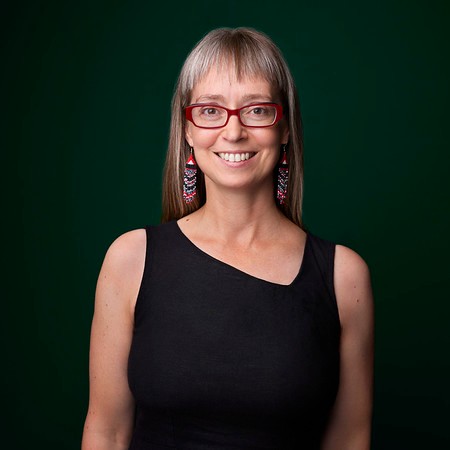
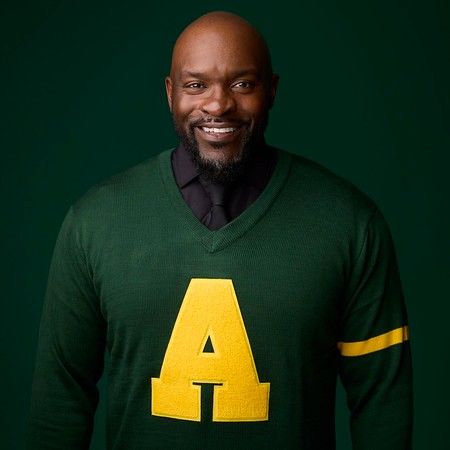
Past winners have included people like Dr. Deena Hinshaw, Alberta's former Chief Medical Officer of Health, and Neville Wright, a three-time Olympian who went on to join Canada Soccer's coaching and performance staff at the World Cup. Whoever the winner is and wherever they're photographed, the portrait needs to hold up next to work like this.
Built to Replicate
The first year I was brought on, the brief wasn't just "shoot these portraits." I also had to figure out the look itself. The university wanted something that matched the tone of the award and the calibre of the people receiving it, and they told me upfront that I wouldn't be the only photographer executing it. Winners are spread across the continent; there was never a version of this project where I'd be behind the camera for all of them.
So I built a setup with that constraint in mind from day one: classic enough to suit the prestige of the award, and simple enough that any portrait photographer with a working knowledge of strobe lighting could replicate it accurately. One large key light source, double-diffused, a white bounce from below, and negative fill on the opposite side. Nothing exotic, which was the point. The fewer variables in the setup, the more consistent the results across a dozen different photographers in a dozen different cities.
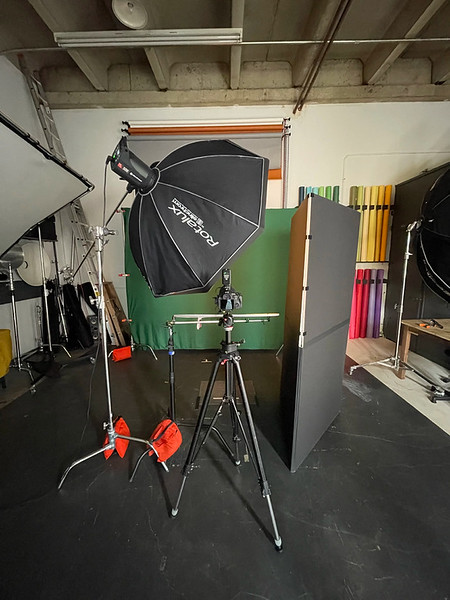
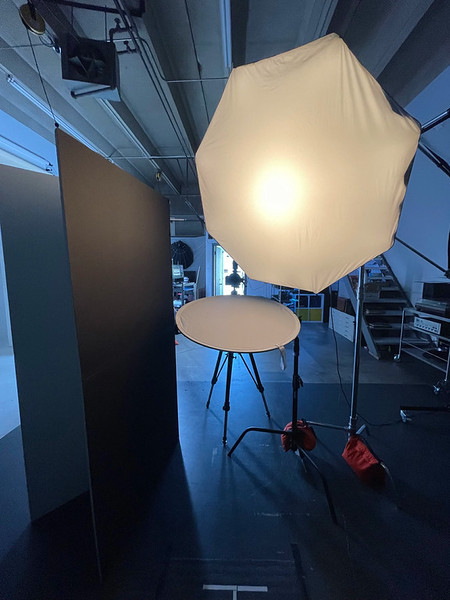
Every photographer who joins the project gets the same reference sheet and works from the same setup shown here, so replicating it isn't left to guesswork.
Building a Network, Not Just a Portfolio
Every year starts with a spreadsheet: that year's winners, their location, and their availability over the summer. Some are flexible. Some have a two-day window before they're off-grid at a cottage for the rest of the season. Either way, the location is fixed, and I'm not always the one behind the camera for it.
So for each winner, I go looking for a capable local portrait photographer in their city. In a bigger city, that's the easy part: plenty of options, and I can pick people I already trust. In a small town, it can mean exactly one option, if that. Ideally I'm looking for someone with a dedicated studio and real strobe lighting experience, since that's what the look requires. And I won't ask a winner to travel further than they would in a big city anyway: 20 to 30 minutes, not a road trip.
That's where the "network" part actually comes from. Do this enough consecutive years, and eventually a winner turns up in a city I've already built a relationship in. I reach out to that same photographer again, and more often than not, they're in.
This year, that meant a winner finishing up work in Syria, then in Spain for a few months, stopping in Montreal for a week on the way home. Enter Alex Tran, someone I've now worked with in two other years, including one where he drove three hours to Quebec City just to photograph a winner in their own home. Absolute legend. If I ever meet him in person, the drinks are on me.
Another: Rich Soublet, a friend from my years in Peter Hurley's Headshot Crew, who's helped on this project for two years now. Honestly, the Headshot Crew community has been enormous for this project specifically. Kent Meister, Rich Soublet, Trevor Walker, Greg Thomason, Anita Watkins, and Robert de Wit are all people I met through that community years ago who I now consider friends, and who've all shot for this project at some point.
That's the actual skill this project runs on, underneath the photography itself: being able to teach a specific, repeatable process clearly enough that someone else can execute it accurately, in a city I'm not in, on a day I'm not there, and having built up enough relationships over four years that I usually know exactly who to call.
Retouching Everything Myself
Every photographer in the network sends me their RAW files when they're done. Nothing gets edited on their end. I retouch every single image myself, regardless of who shot it or where.
That's the piece that actually holds the whole thing together. A dozen different photographers, in a dozen different cities, with a dozen different rooms' worth of light bouncing around, even with an identical setup, small variations creep in. The retouching pass is where all of that gets pulled back to one consistent look: the same color grade, the same crop logic, the same retouching hand on every face, so a winner photographed in a small-town studio sits next to a winner photographed in a major city and nothing gives it away. For an award representing the university's most accomplished graduates, that consistency isn't a nice-to-have. It's the whole point of hiring one photographer to run this instead of twenty independent ones.
The Network, Mapped
Four years in, the network spans 19 cities across Canada and the United States, 18 different photographers, and somewhere north of 80 portraits, all run through the same setup and the same retouching process. Seeing it laid out on a map is the clearest way to show what this project actually is: not a single photo shoot, but an operation.
The Best Part of This Job
I graduated from the University of Alberta myself, and that's not incidental to how this project feels from the inside. Every year, I get to photograph people who came out of the same halls I did and went on to do work that actually matters, in medicine, engineering, the arts, athletics, wherever their path led. There's a real pride in that: being trusted to make the portrait for someone whose story started at the same place mine did.
There's also a moment I genuinely look forward to every year: opening the first batch of proofs from a photographer I admire. Watching someone whose work I respect turn in something great, and then getting to pay them for it, is one of the best parts of running this project. It's not just relief that the consistency held. It's real appreciation for good work, from people I'm lucky to call colleagues.
Meeting the winners themselves is its own thing entirely. These are people who've spent decades building something real, and for however long our session runs, I get a small window into that. It's an honour every time, and four years in, it hasn't worn off.
This Year
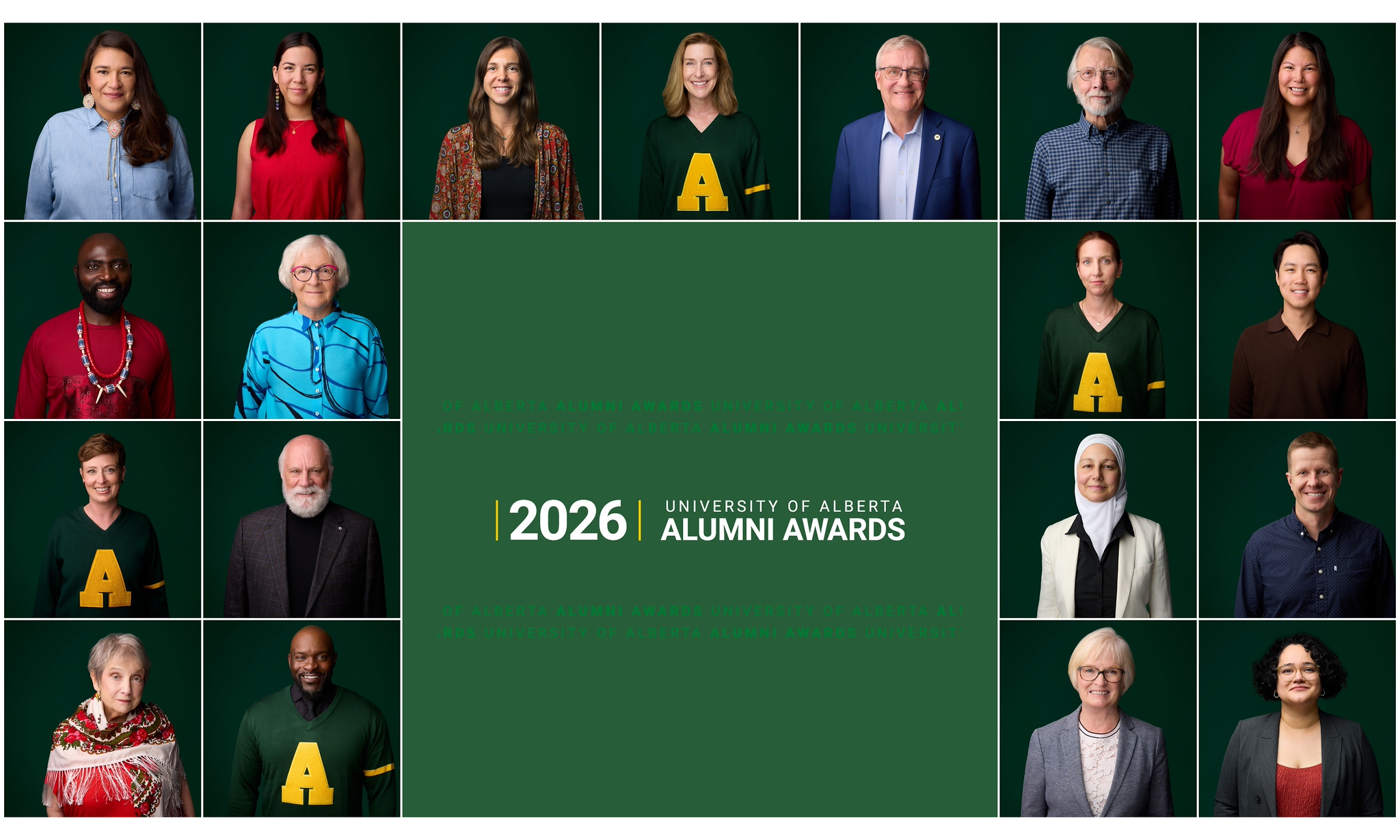
This year's recipients were just announced: 19 alumni across six categories, from the Distinguished Alumni Award down to the Sports Wall of Fame. They'll be honoured at a ceremony on October 22 at the Horowitz Theatre. Neville Wright, one of the portraits featured near the top of this post, is actually part of this year's group, recognized for his track and bobsleigh career.
Same network, same process, and I'm every bit as proud of this group as I was the first. You can see the full list of this year's recipients and read their stories on the University of Alberta's Alumni Awards page.
What This Is Becoming
Four years in, this is already starting to feel like something bigger than a yearly project. Whoever ends up behind the camera for it, five years from now or twenty, it's quietly becoming a real visual record: a growing archive of the university's most accomplished graduates, all photographed the same consistent way, year after year. That's a strange, quietly satisfying thing to have had a hand in building, even for just this stretch of it.
The Portraits, Year by Year
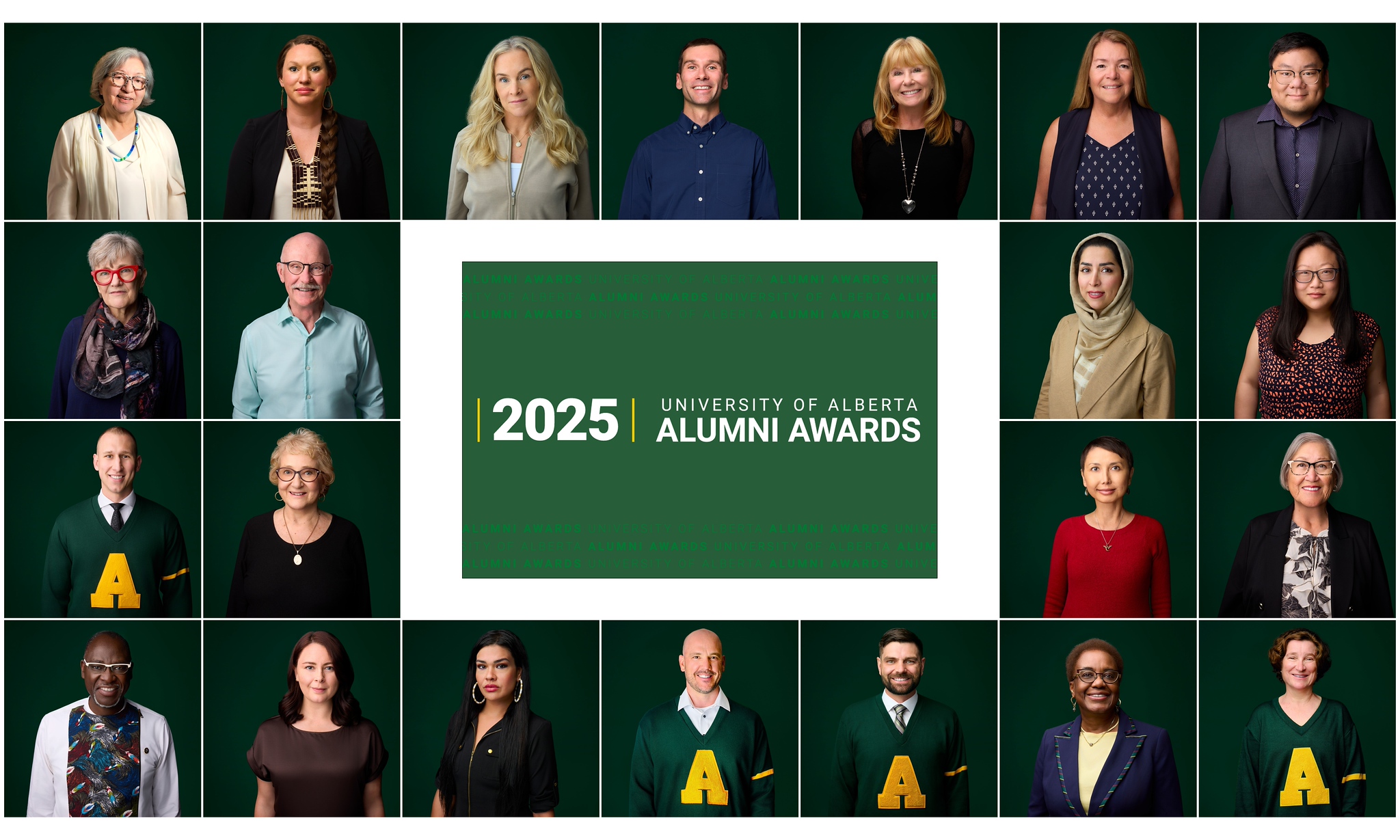
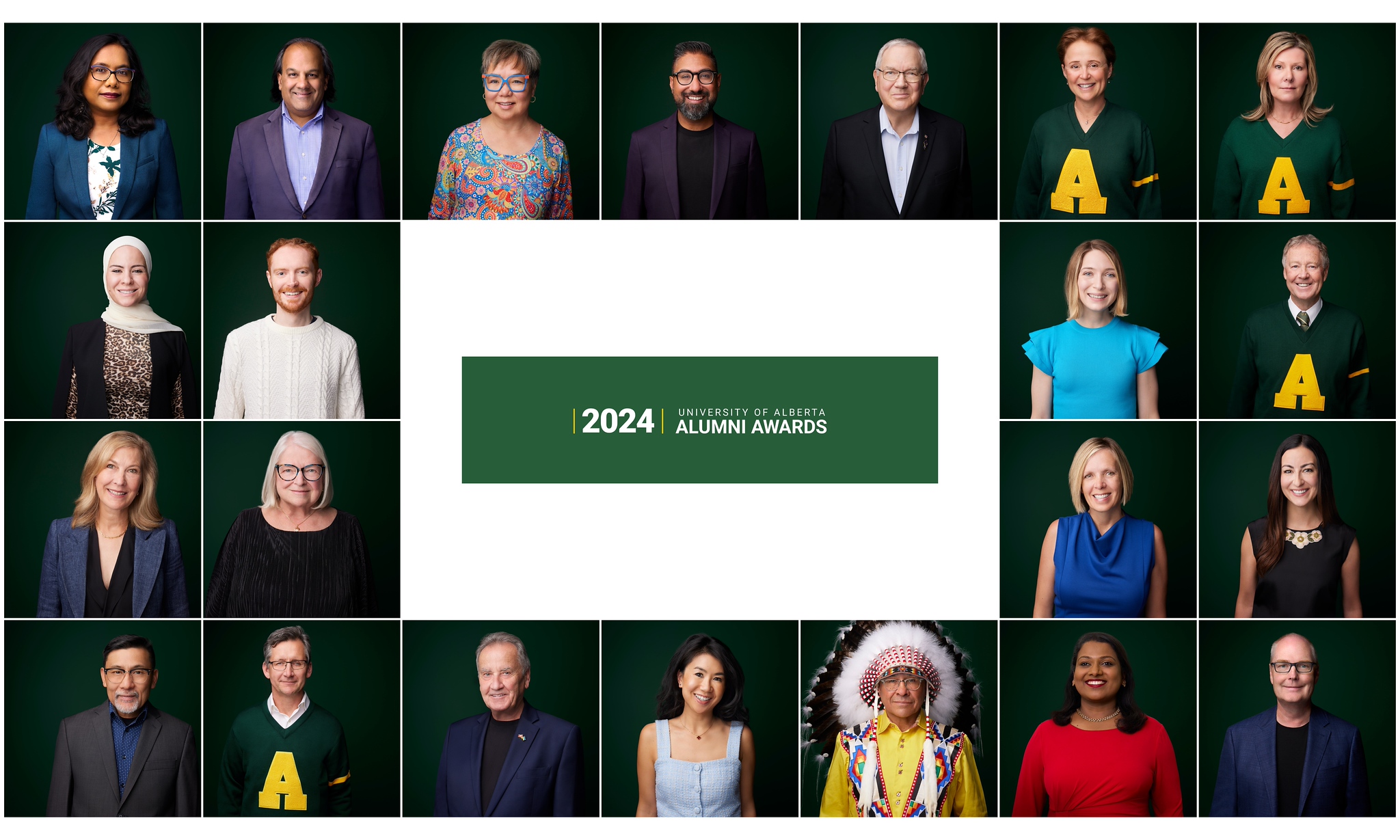
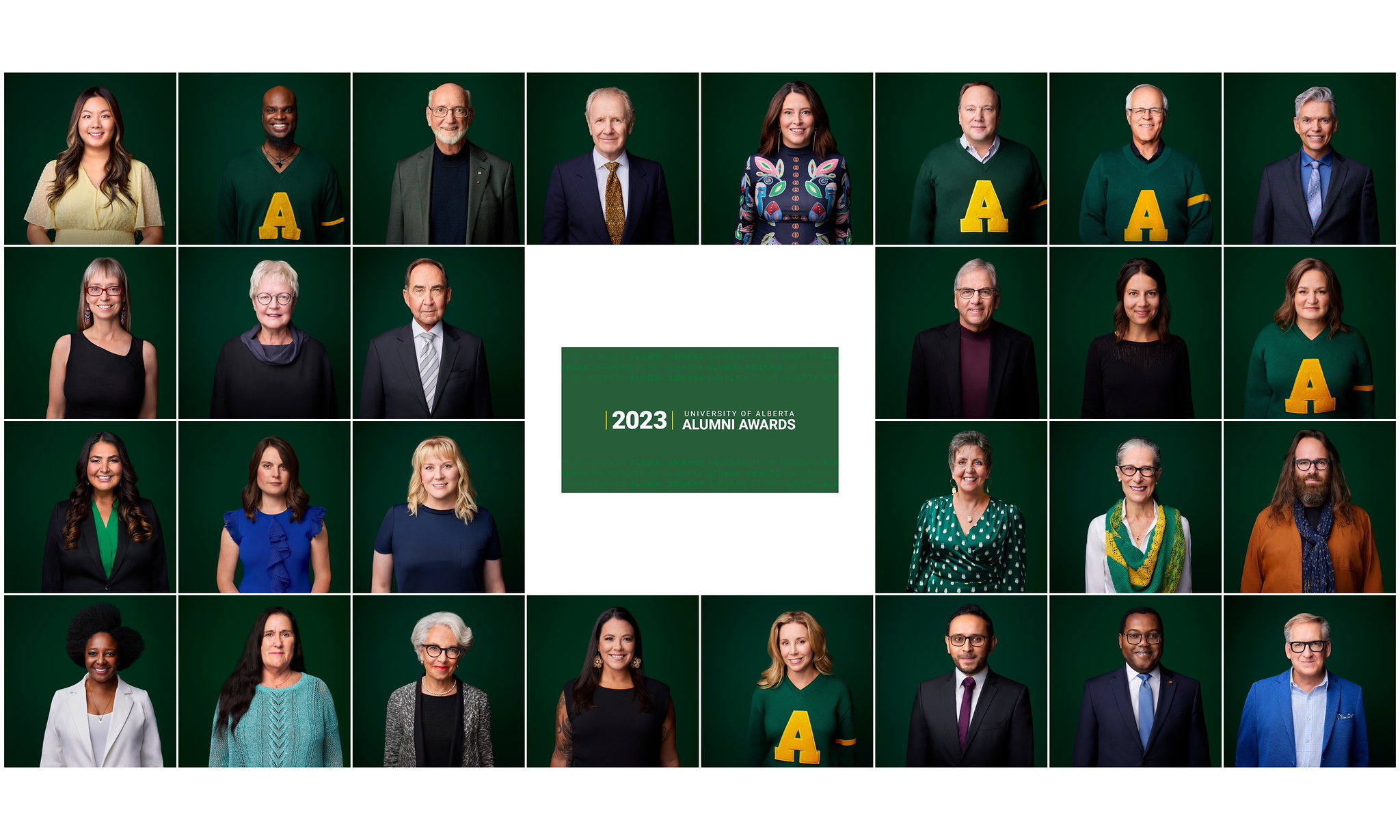
Every winner from each year of the project, starting with this year's group and working backward.
2026 This Year
2025
2024
2023 Year One
Need a consistent look across a team, an event, or a project spread across multiple cities?
Get In Touch