
Article
A Brief History of the Headshot
The actor’s photograph is about 165 years old. Watch three things along the way: the posing, who pays for the picture and how tight the frame gets.
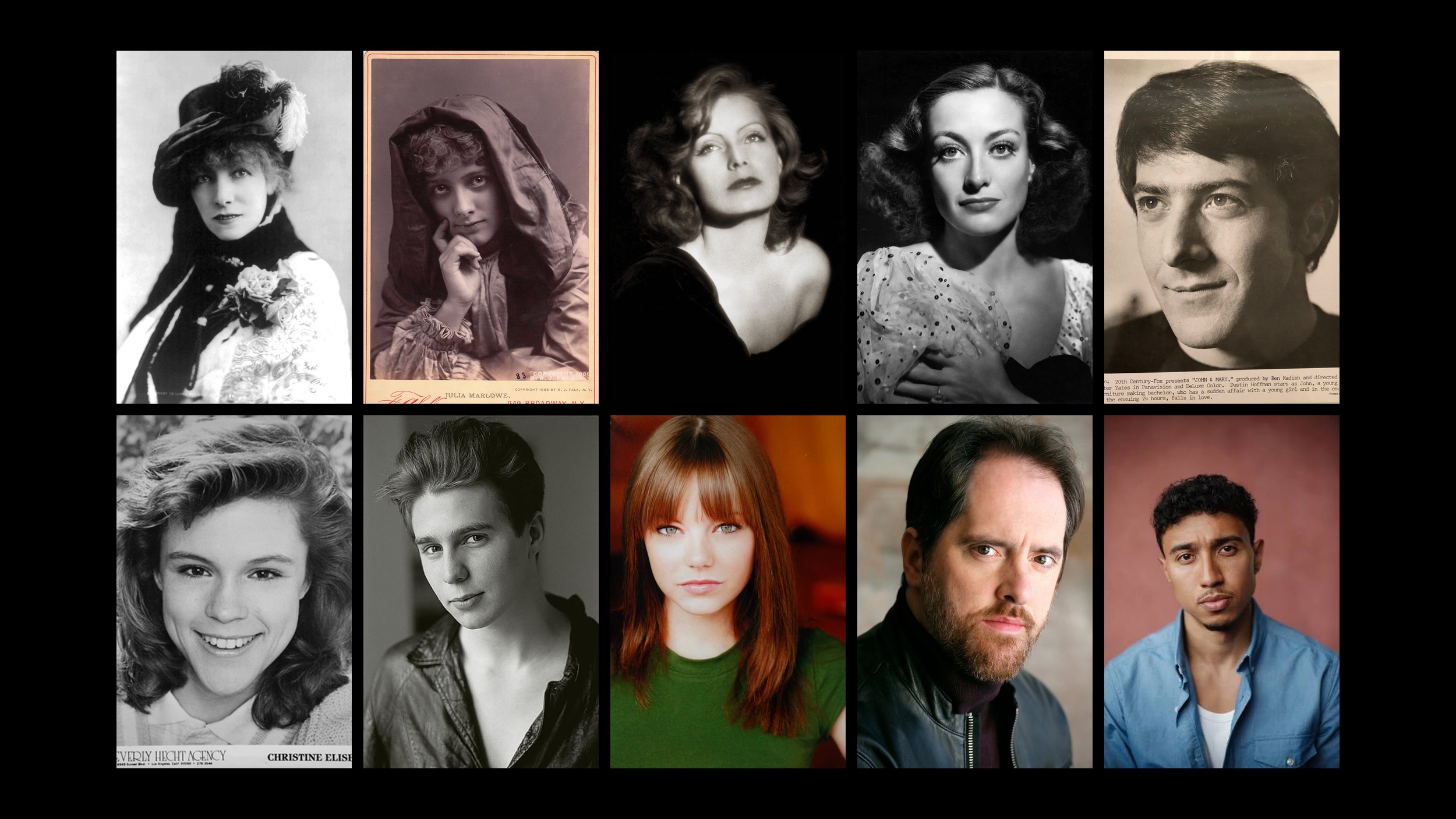
165 years
Where the headshot came from.
I was an actor before I was a headshot photographer, and in all those years on both sides of the camera, nobody ever told me where the headshot came from. When I finally went looking, nobody had written the whole story down in one place. So here it is.
It covers about 165 years, so we’ll go quickly. As we go, watch three things. Watch the posing. It slowly drops away, and the person comes through. Watch who pays for the picture, because it hasn’t always been the actor. And watch the frame. Every time the picture has to work smaller or faster, it gets tighter. One more thing. For its first fifty-odd years, none of this is a headshot. It’s a collectible, then an ad, then publicity. I’ll call each one what it is. The headshot, the picture an actor pays for to get hired, is born twice along the way, and I’ll point out both. All of it comes back at the end. Most of this happened in the States, so the dollar figures are American unless I say otherwise.
1860s
Cartes de Visite
The first actor photographs most people ever saw were cartes de visite. They were small prints, about two and a half by four inches, mounted on card. A French photographer named André Disdéri set off the craze in 1859 with portraits of Napoleon III and his family, using a camera that put eight pictures on a single negative. In New York in 1860 they ran from $3 a dozen at a good studio to 24 for a dollar at a cut-rate one, which claimed to make a thousand a day.
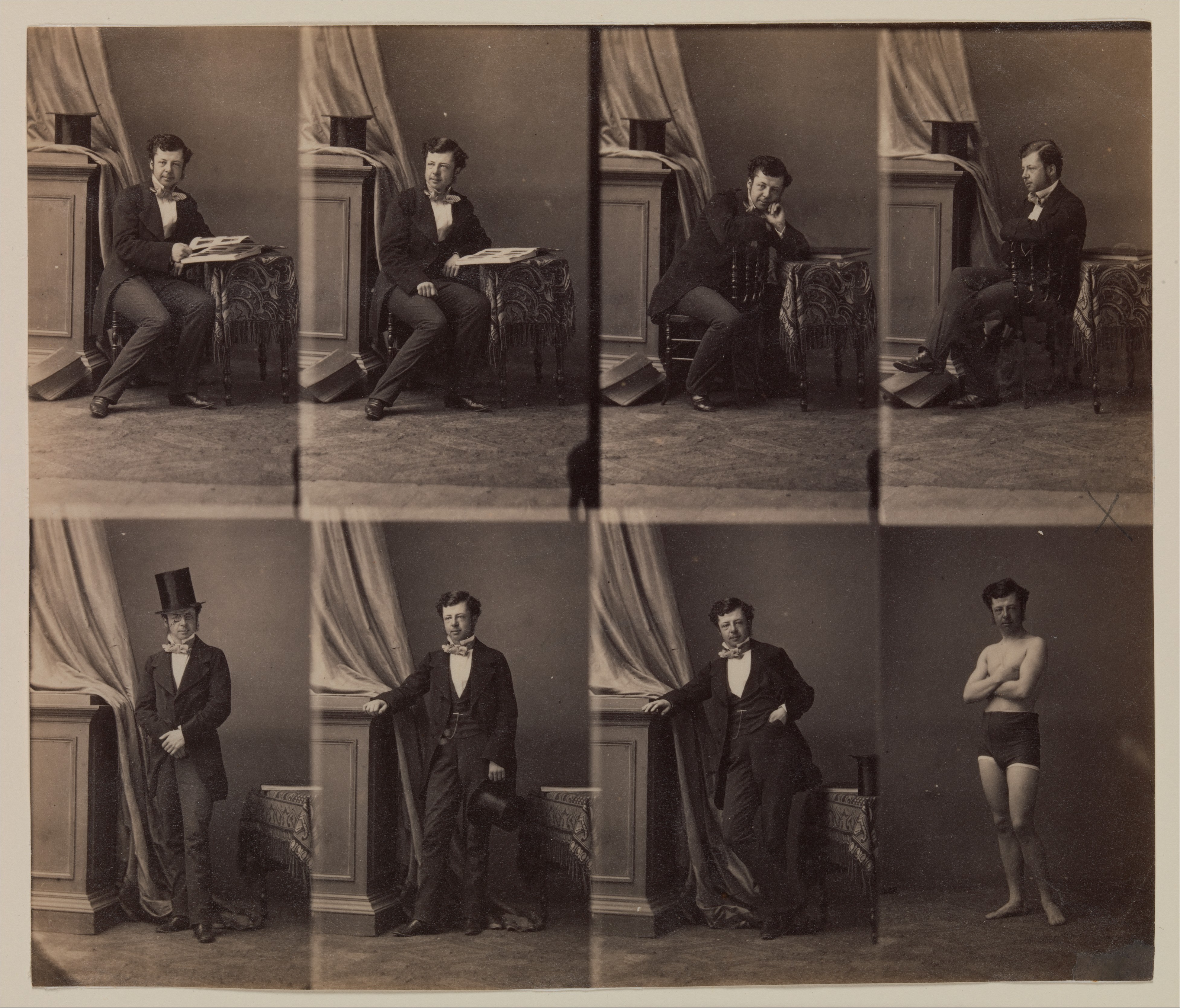
People collected them, traded them and kept them in albums. Royalty and generals sold best, but actors were in the trade from the start, and by the Victoria and Albert Museum’s account most actors in Victorian London had studio portraits made, in their street clothes or in costume.
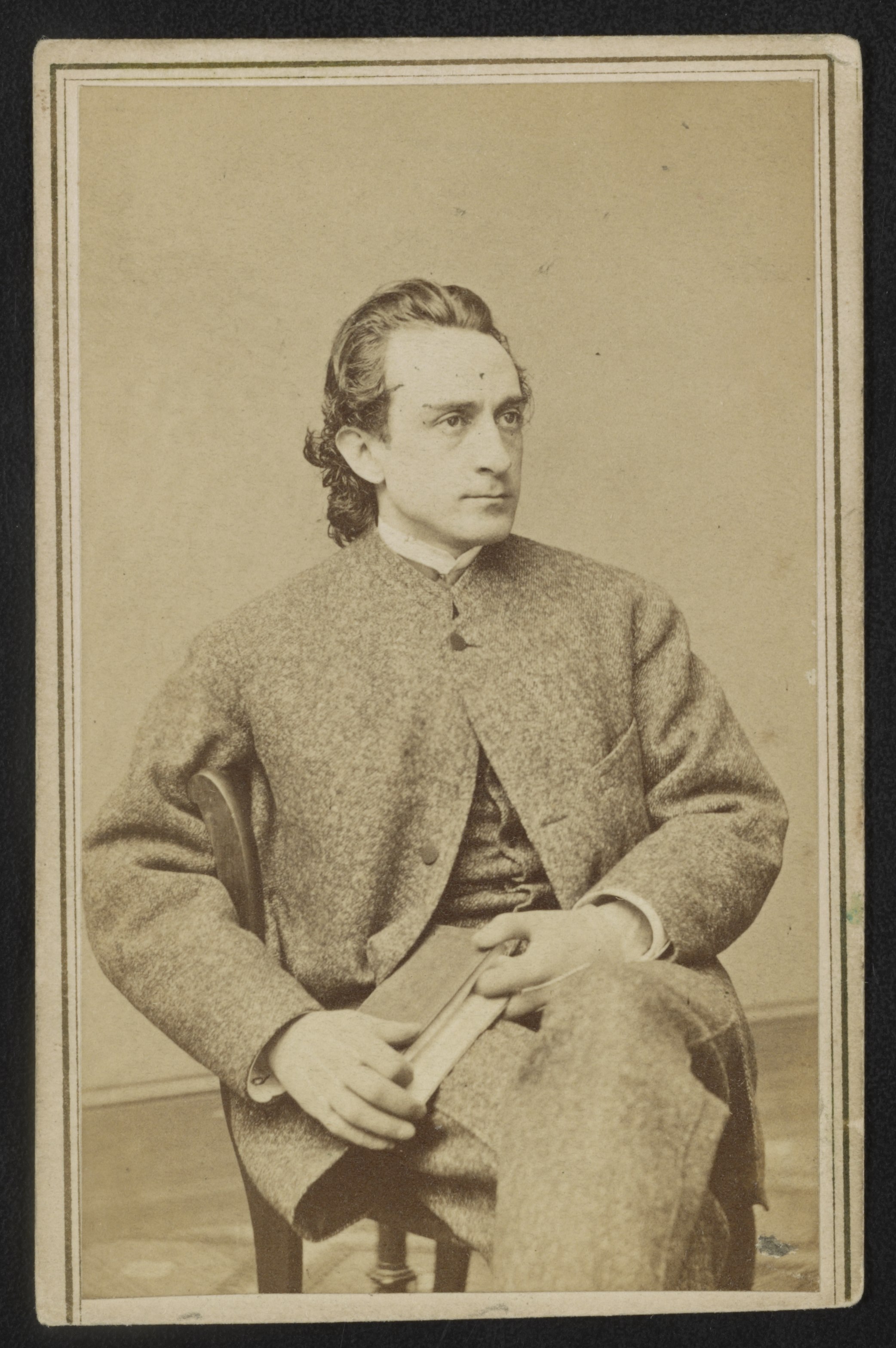
So let’s be clear about what these were. Not headshots. Merchandise. There’s no sign anyone was ever hired off a carte de visite. The actor didn’t buy them either. The photographer owned the negative and sold the face, the fans paid, and the photographer made the money. Your fame was the product.
There’s a Canadian thread here too. William Notman opened his studio in Montreal in 1856, and by the 1880s his name was on twenty studios. And the man who would define theatrical portraiture in New York, Napoleon Sarony, was born in Quebec City.
1870s to 1890s
Cabinet Cards
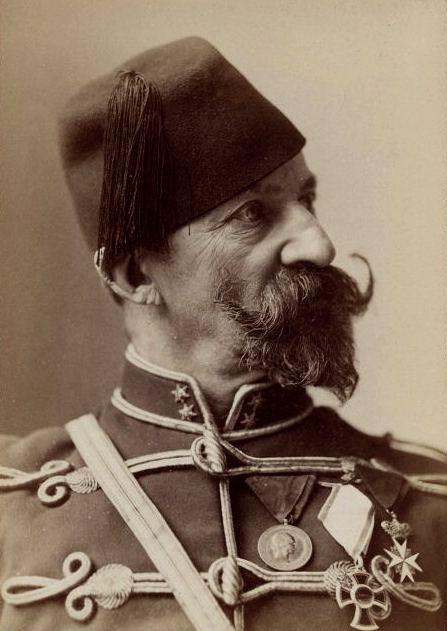
Then the card got bigger. Cabinet cards were about four and a half by six and a half inches, made for display in the parlour. They started in London in the 1860s and took over by the late 1870s. Theatre fans, mostly women, bought them by the dozen. By the 1890s a card cost about 35 cents, and you could buy one at a studio, from a dealer or at a newsstand, right next to the tobacco and the peanuts. The cigarette companies put the same faces on the little cards in their packs, and in 1886 one of them, Goodwin & Company, put actresses and ballplayers in the very same series. Actor cards and sports cards come out of the same pack. This is celebrity photography being born, a famous face printed by the thousand and sold to strangers. In 1893, one report had Lillian Russell outselling every other actress three to one.
Cabinet cards, and the same faces in a cigarette pack. Far left, by J. D. Merritt in Washington. Second from right, the stage actress Julia Marlowe by B. J. Falk, New York, 1888. Far right, Lillian Russell on a card from a pack of Old Judge Cigarettes, 1886 to 1890, Metropolitan Museum of Art.
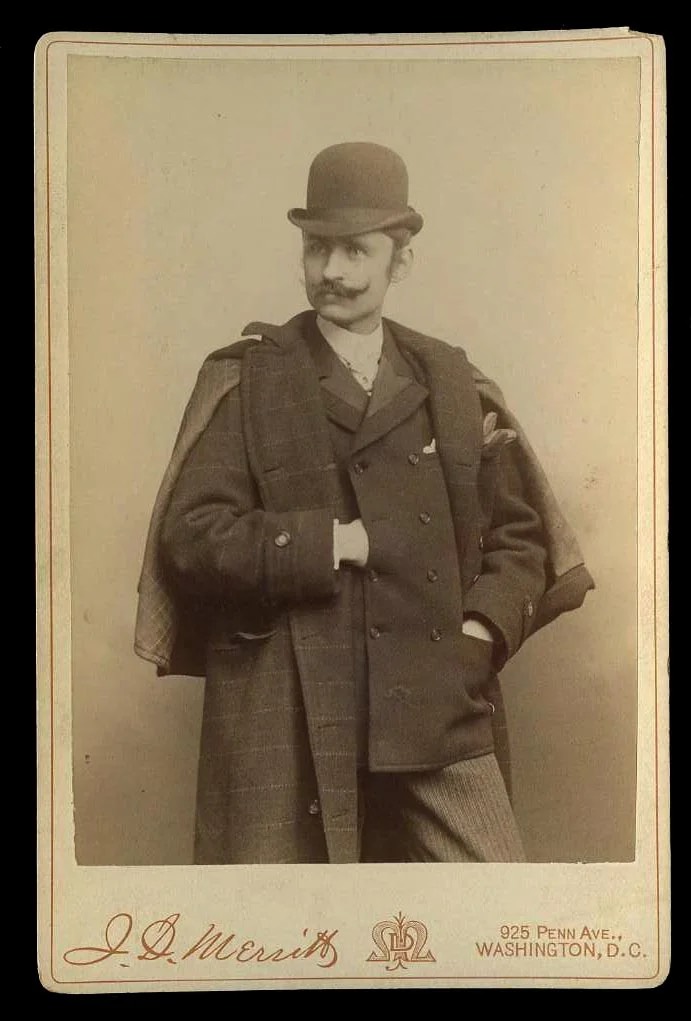
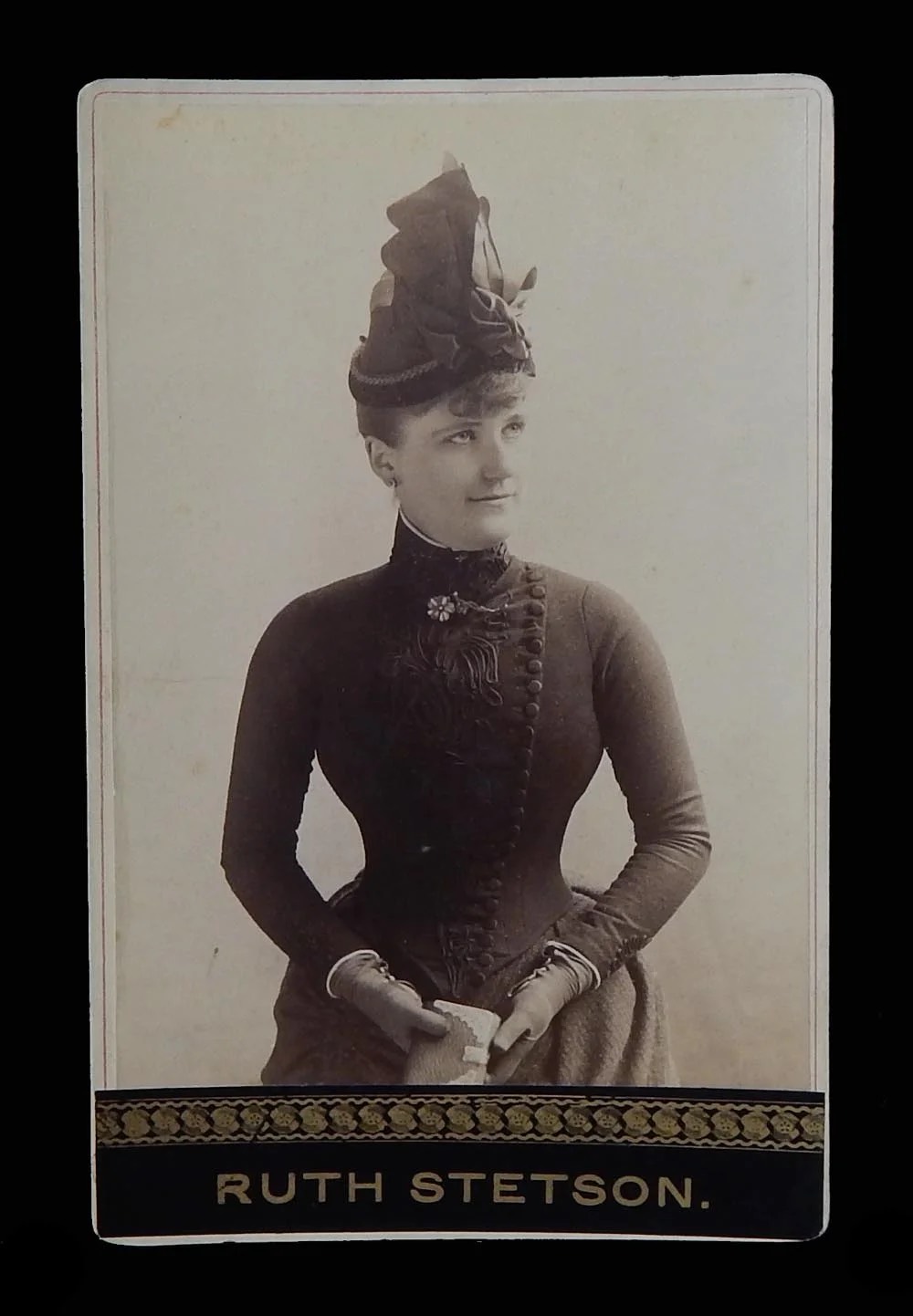
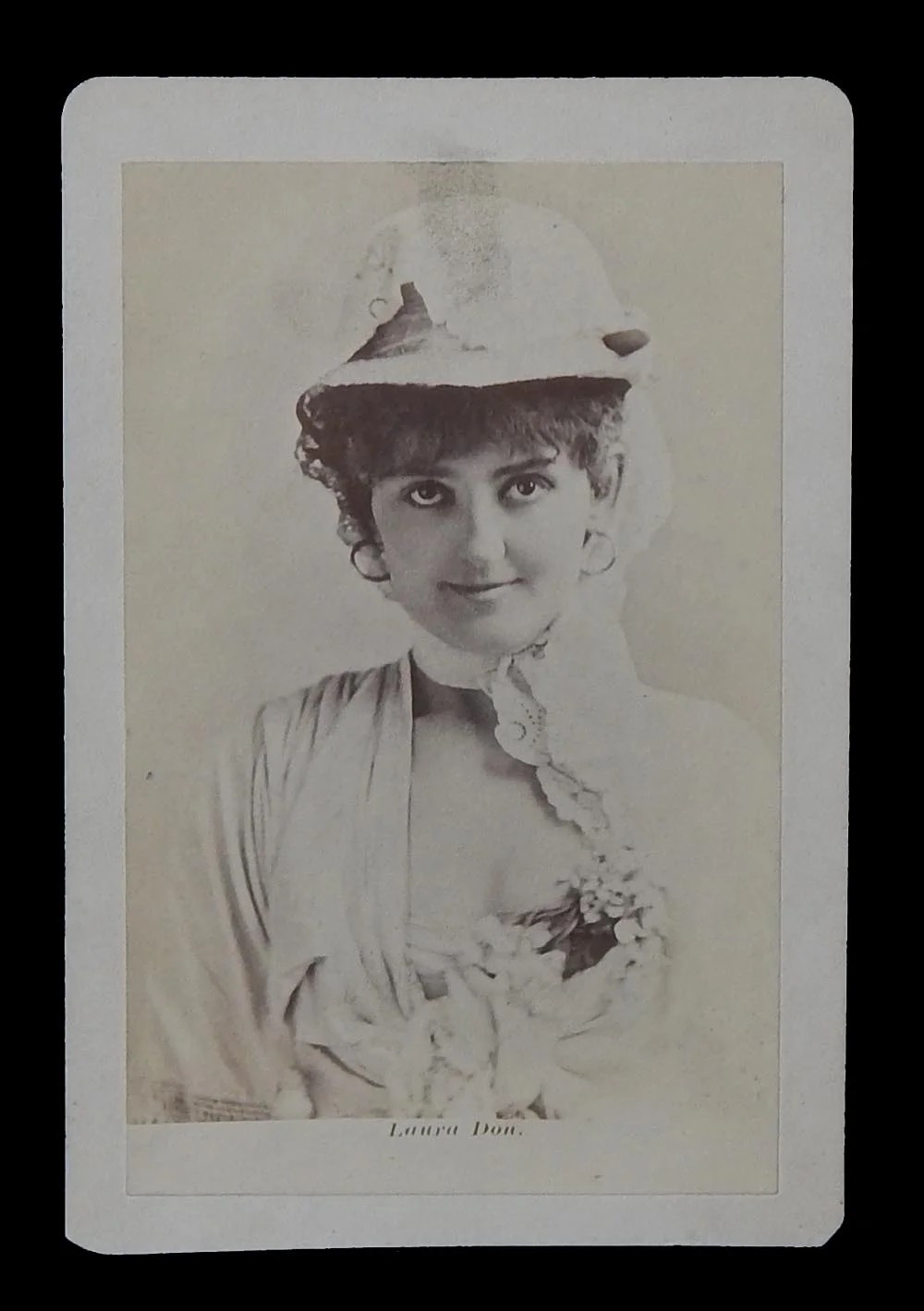
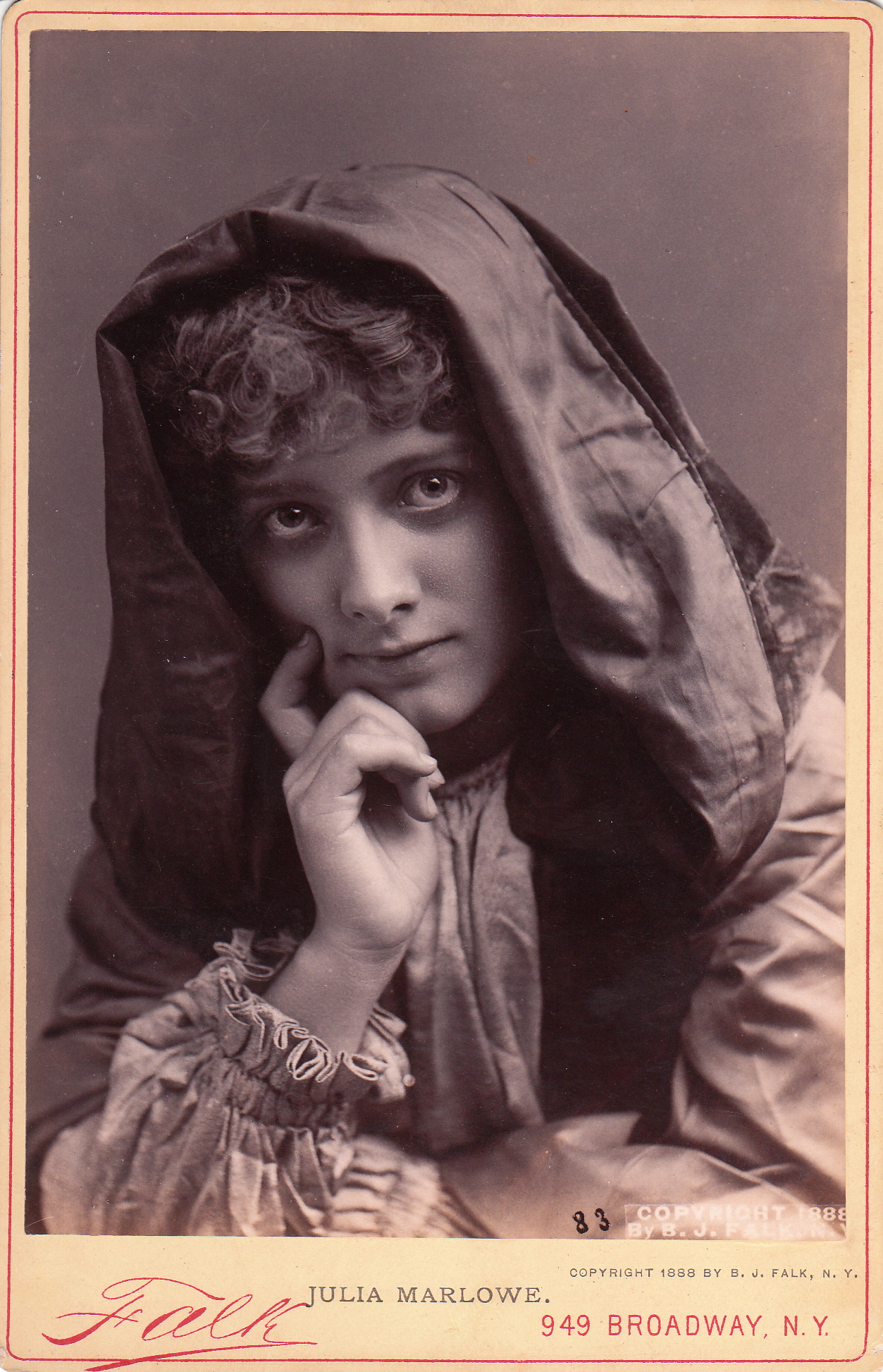
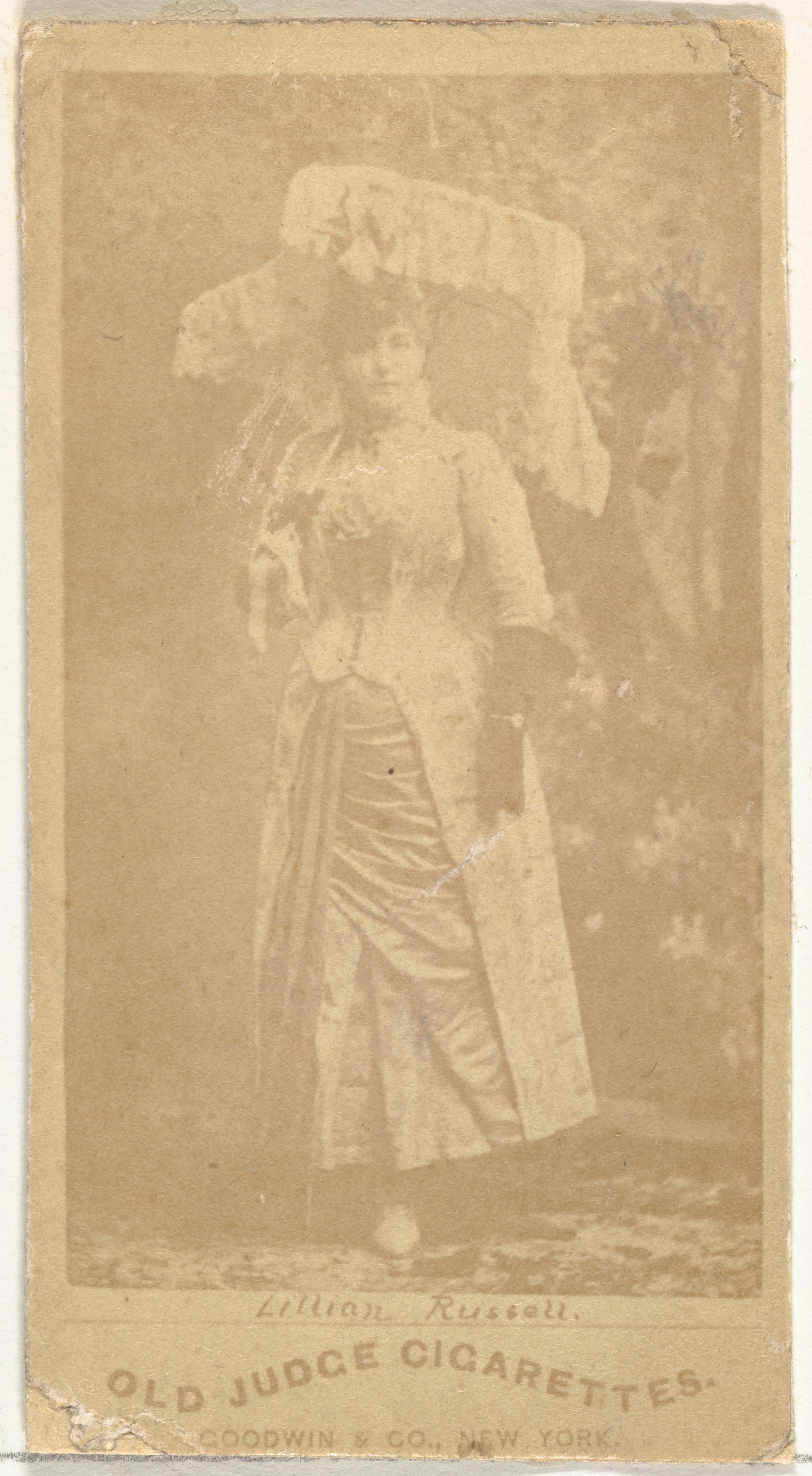
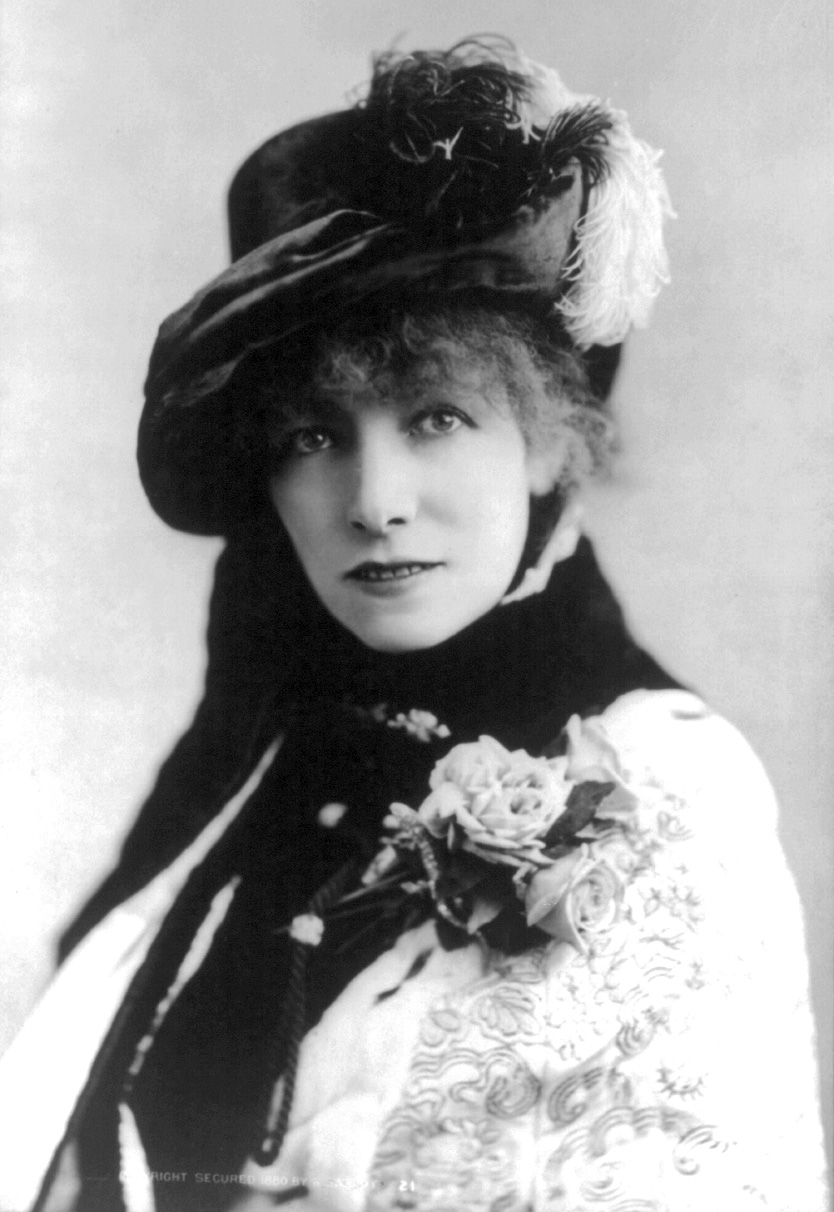
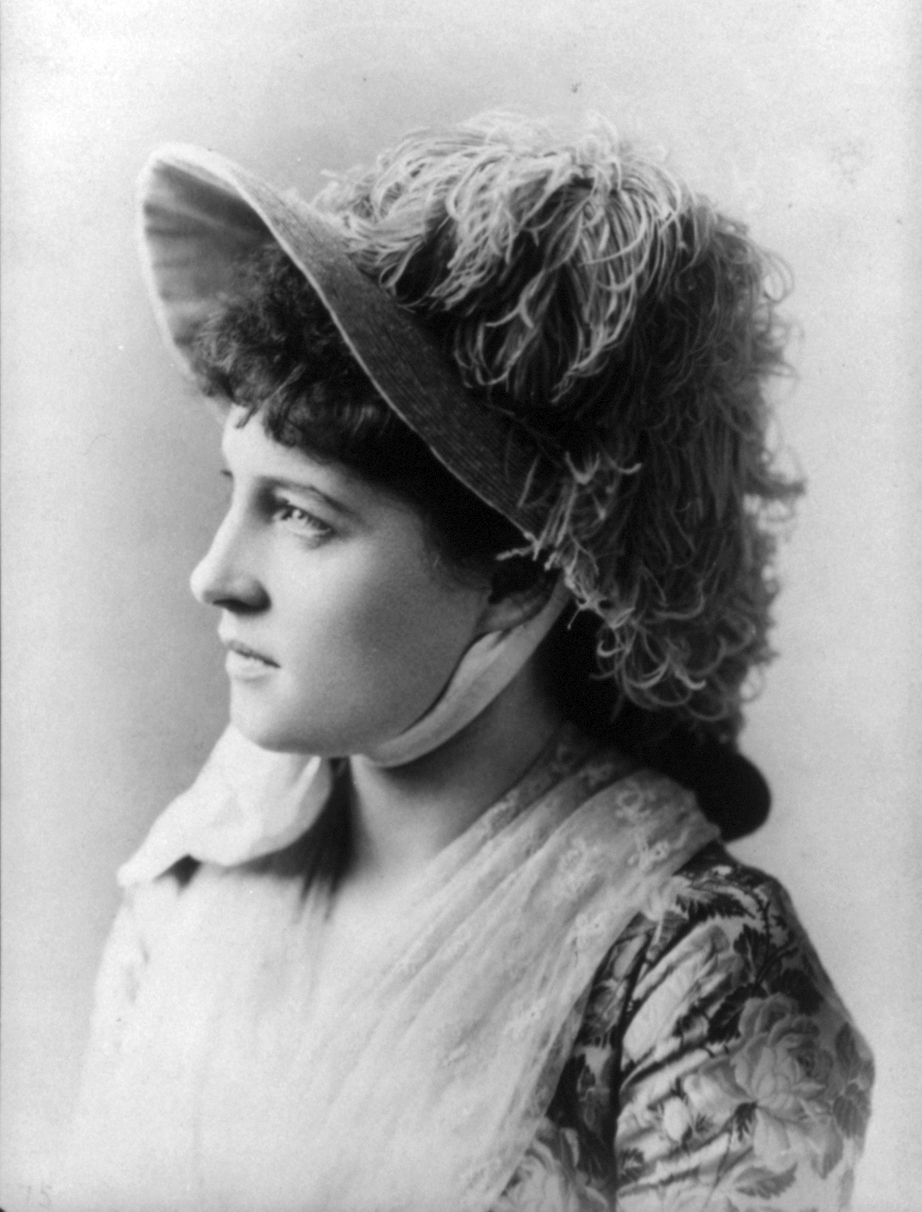
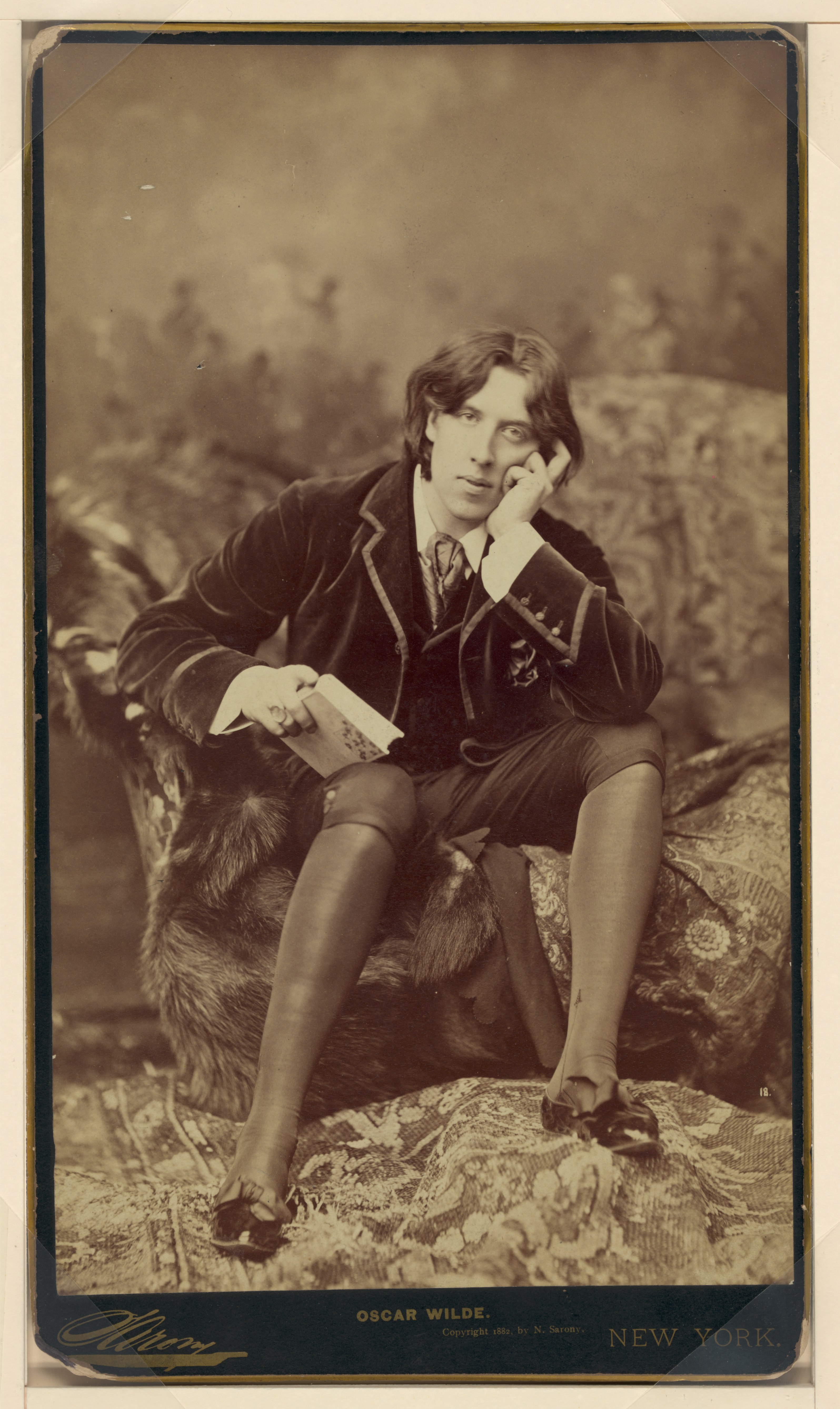
Now the money ran both ways. At the top, the photographer paid the actor. Sarony said he paid Sarah Bernhardt, Lillie Langtry and Oscar Wilde $1,500 for the exclusive right to photograph them in America. Bernhardt’s fee alone would be tens of thousands of dollars today. And he said he made it back in each case many times over. Everyone below the stars went the other way. They were paid in crates of prints to hand out, or they paid for their own publicity portraits. B. J. Falk, who had his own studio in New York by 1877, sued actresses who didn’t pay for their prints and published their names as a warning. These were publicity portraits, not headshots. There’s no sign anyone was cast from one. But look at the money. An actor paying a photographer to be seen is the business model of the modern headshot, and it was already running in the 1880s. The purpose would take another thirty-odd years to arrive.
Two of the three faces Sarony said he paid $1,500 for: Sarah Bernhardt in 1880 and Lillie Langtry in 1882, both by Sarony. Library of Congress.
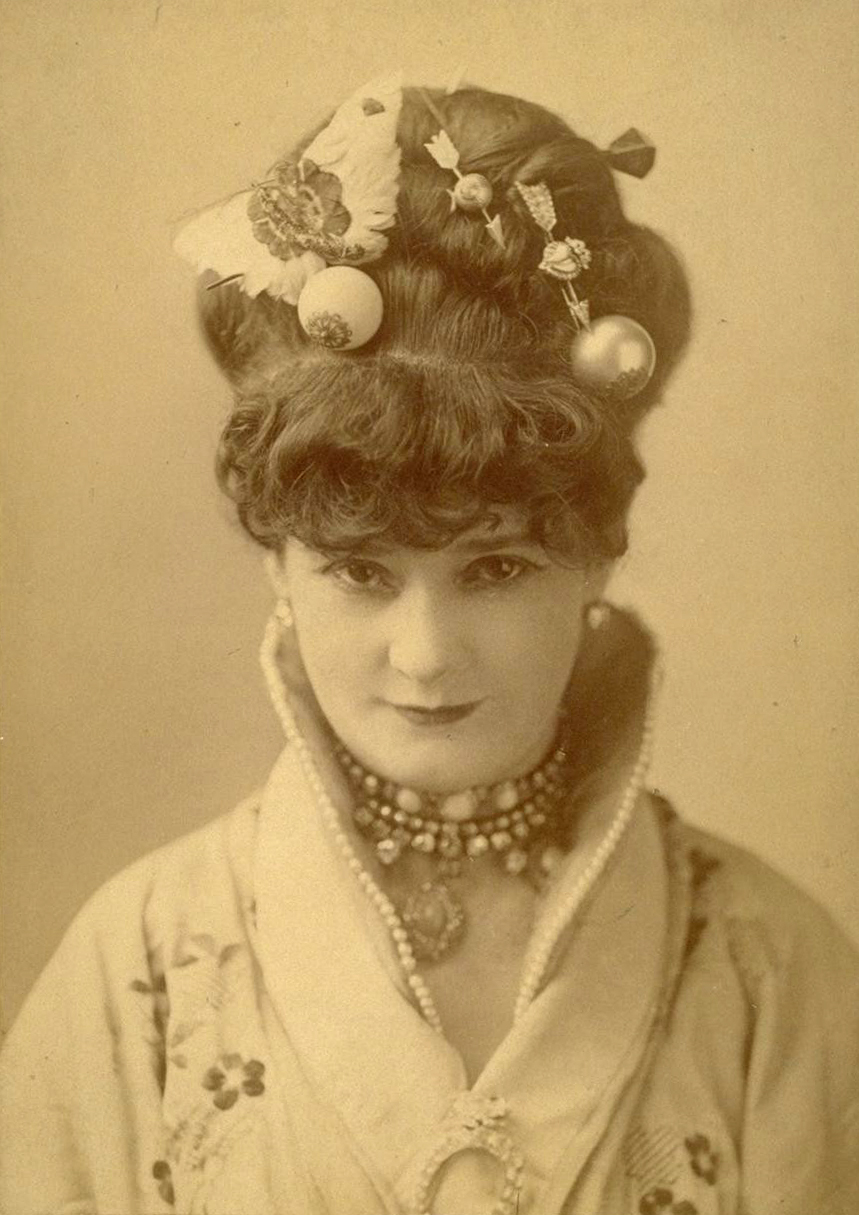
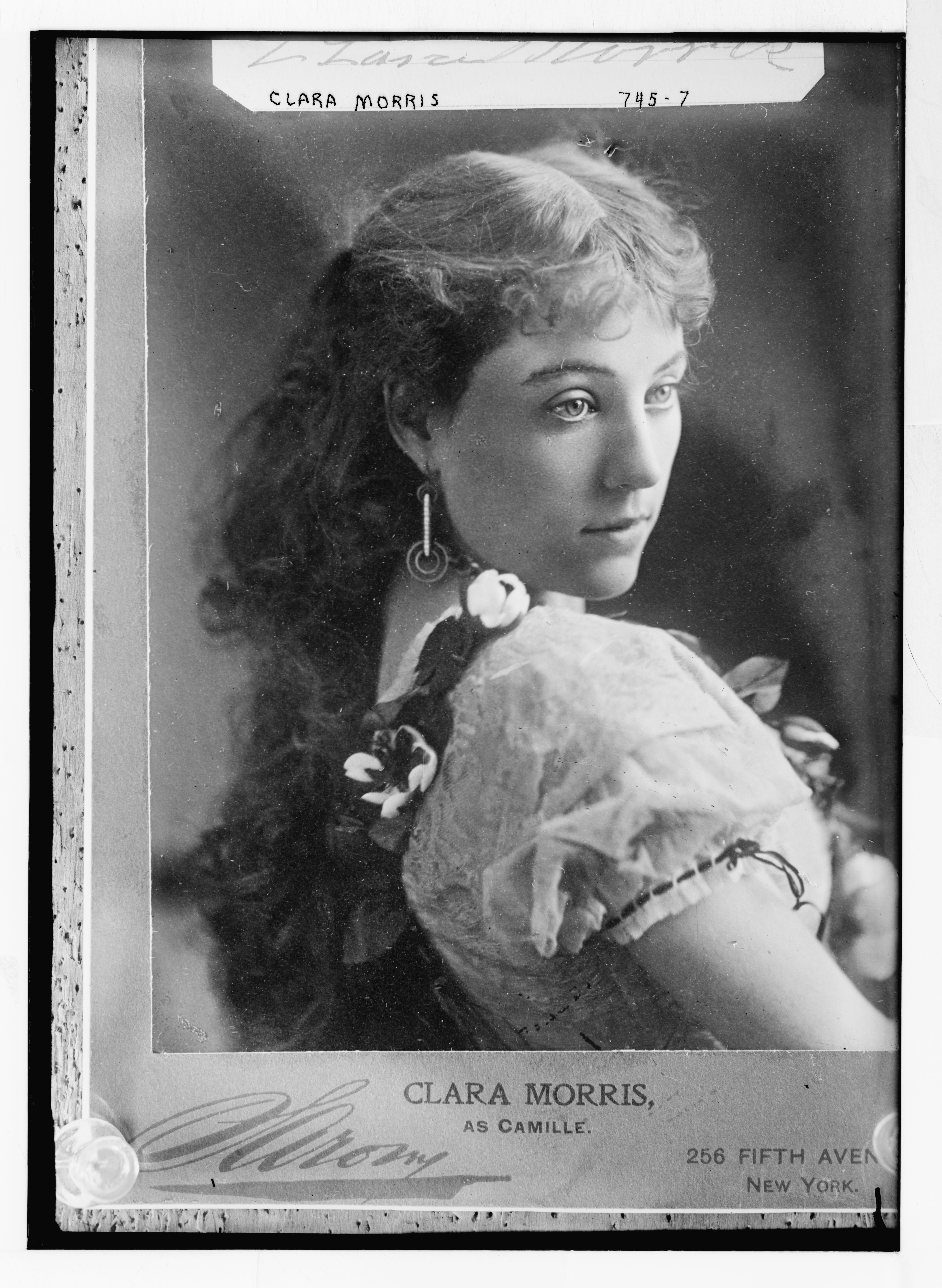
The posing was very much there. Sarony directed his sitters out loud and moved them through one attitude after another. Lotta Crabtree asked him for a promotional portrait, and Clara Morris went to his studio to build her fan base. And when a pose struck him, he signalled his camera operator to take it right then, in the middle of the moment. The best photographers were already chasing that.
Lotta Crabtree, who asked Sarony for a promotional portrait, and Clara Morris as Camille, who went to his studio to build her following. Both by Sarony.
A lithographer copied Sarony’s portrait “Oscar Wilde, No. 18” about 85,000 times, and in 1884 the case reached the Supreme Court. The court decided a photograph could be copyrighted, and that this one was Sarony’s because he posed Wilde, chose the costume and the props and arranged the light and shade. That’s still the job.
1880 to 1910
From the Card to the Page
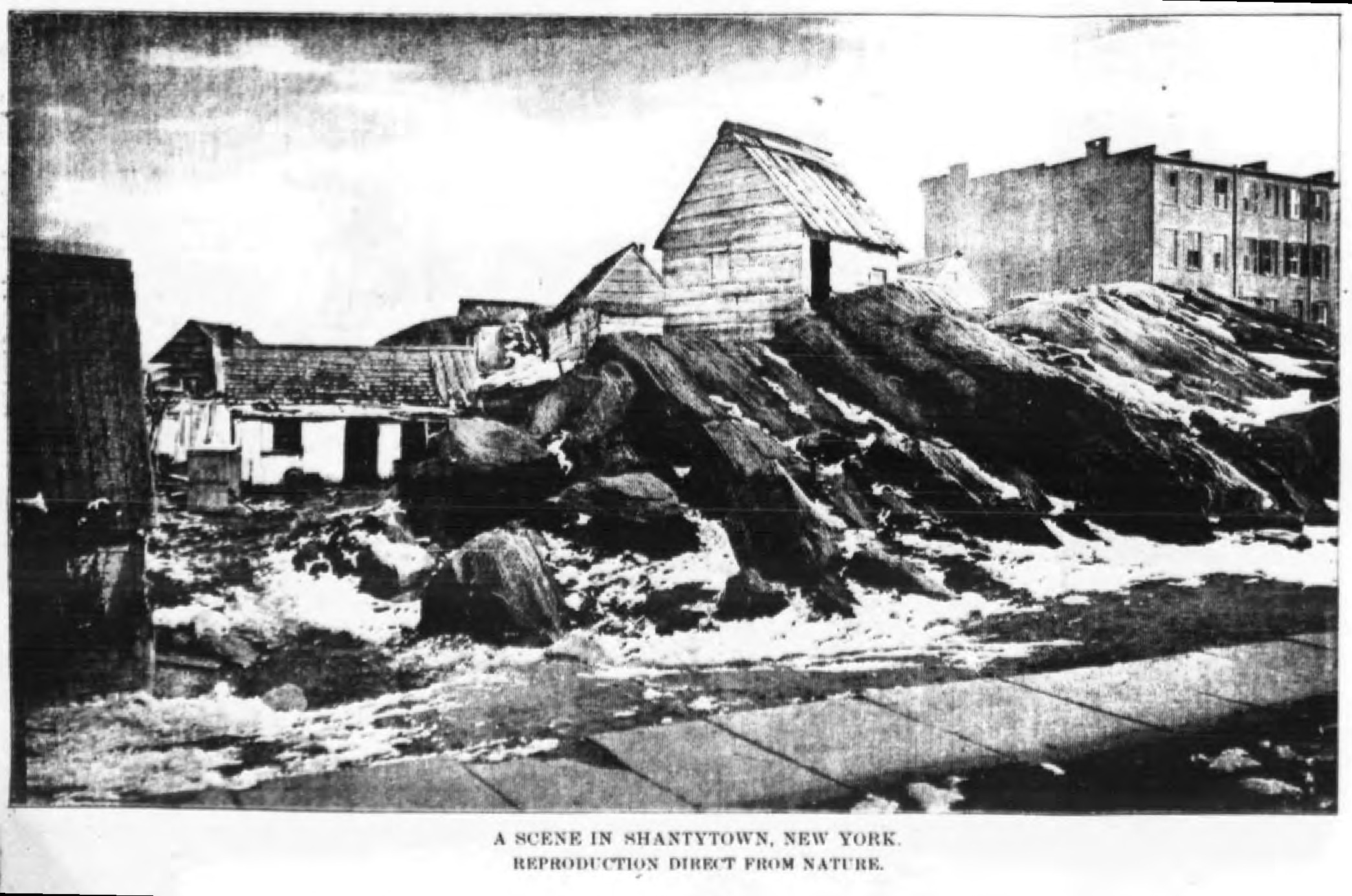
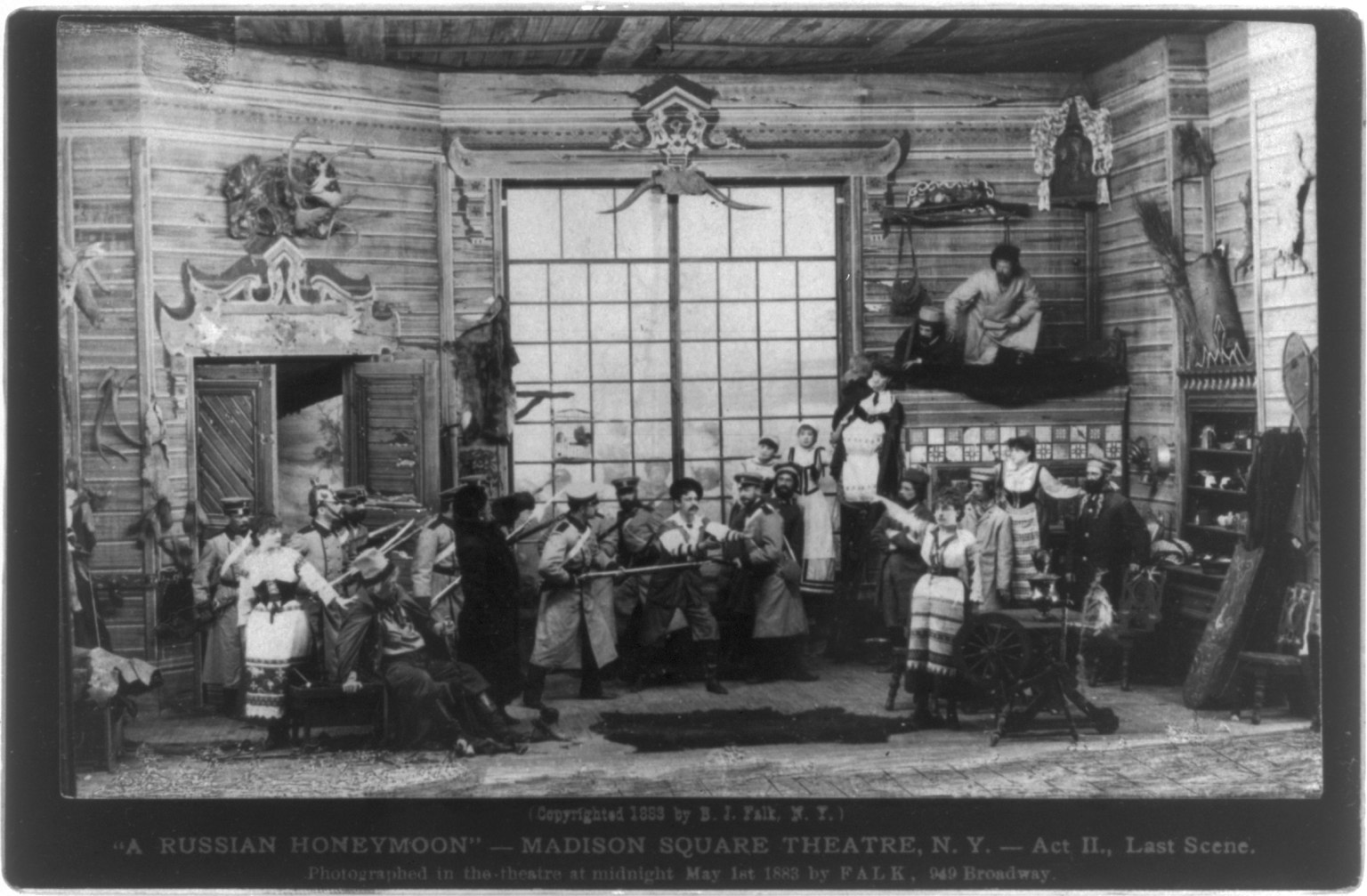
Next the face left the card for the printed page. In 1880 a New York paper printed the first halftone in an American newspaper, a photograph turned into tiny dots of ink. After 1903, newspapers ran photographs in their entertainment pages, and editors preferred portraits, because a full stage scene lost its detail in the dots. A face held up.
Left: the first halftone photograph in an American newspaper, the New York Daily Graphic, March 4, 1880. Right: B. J. Falk’s photograph of A Russian Honeymoon at the Madison Square Theatre, taken in the theatre at midnight on May 1, 1883, the first production still of a Broadway show. In halftone, a scene like this turned to mud. A face held up. Library of Congress.
That’s the first time the frame tightens, and the reason was technical. The face won because it printed.
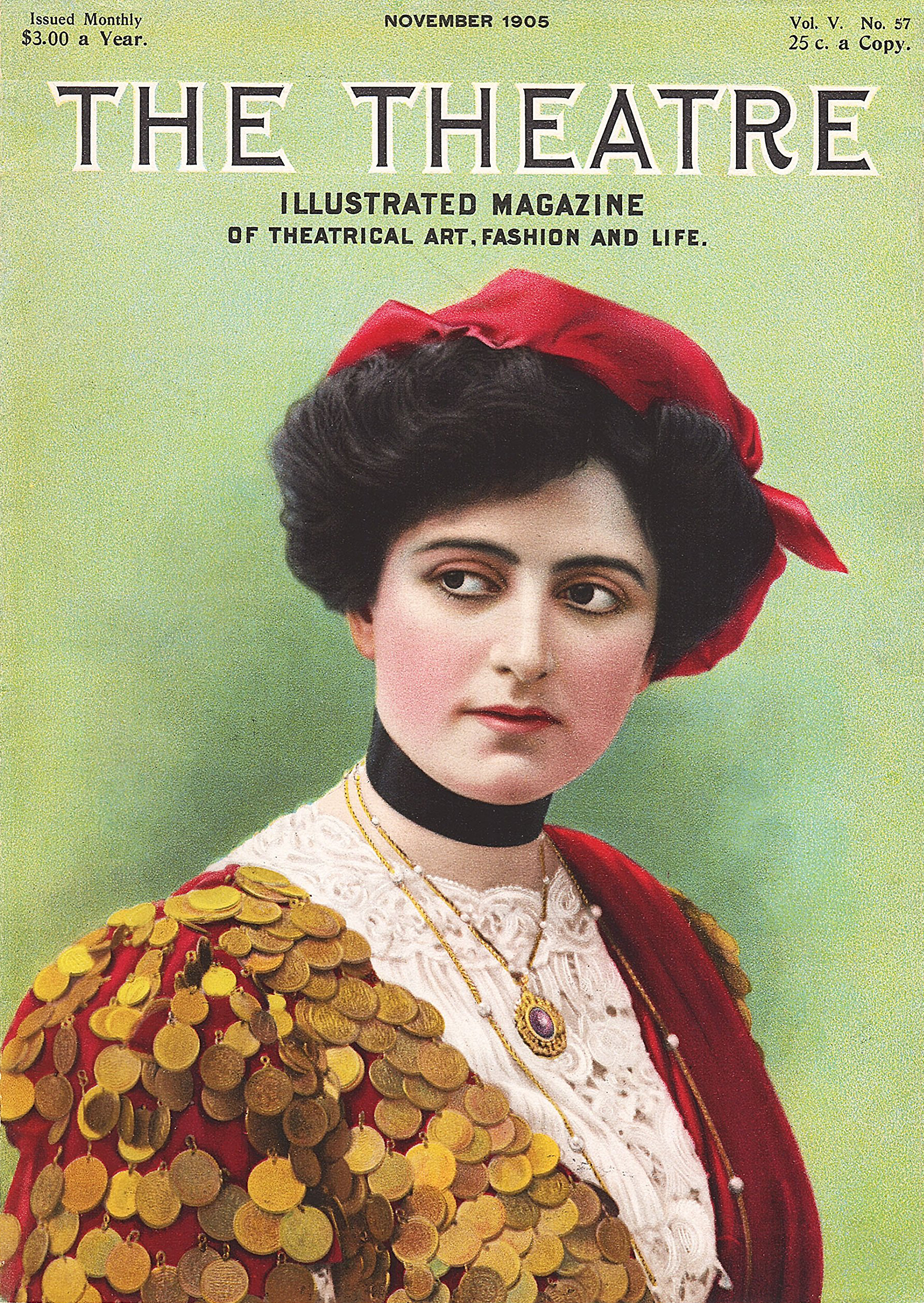
Magazines and picture postcards took over from the cabinet card. As the historian David Shields puts it, the magazines were killing the cabinet card business. The value moved from selling prints to fans to placing pictures in print, and producers became the photographer’s clients. The actor’s portrait had turned into publicity. Call these what they were: advertising when the producer paid for them, editorial when a magazine ran them. The point was to fill the house. Still not a headshot.
1910s and 1920s
Studio Stills
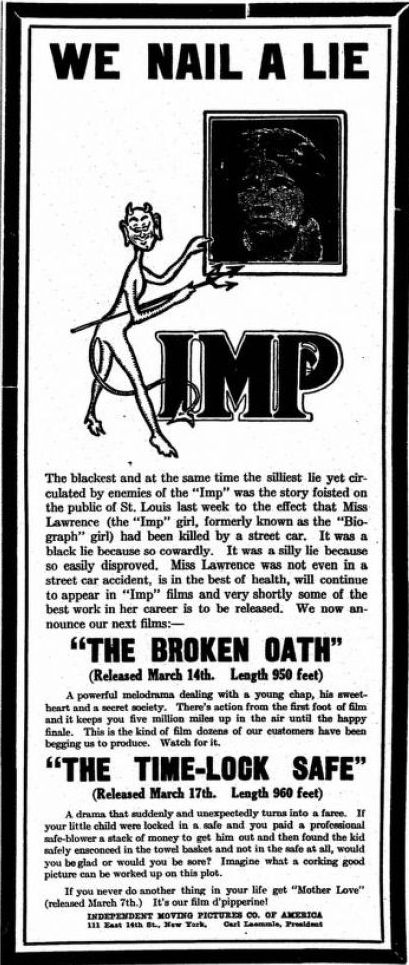
Then came film. The film companies kept their actors anonymous until about 1910, when Carl Laemmle, who’d hired Florence Lawrence away from Biograph, turned “the Biograph girl” into a named star by putting her face in the trade papers. After that, the movies needed faces.
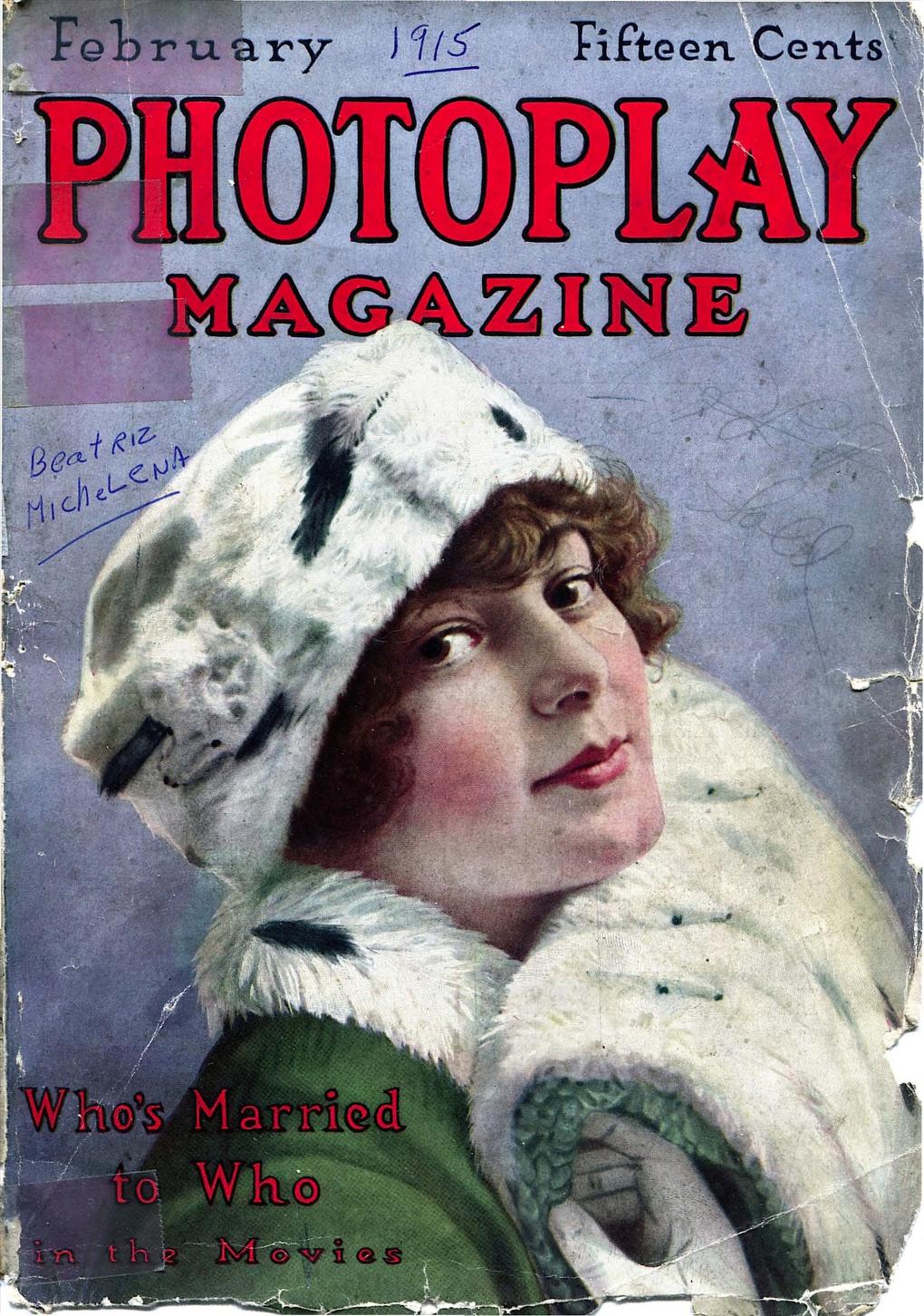
The movies learn to sell a face. Left: IMP’s answer to the rumour that Florence Lawrence had died, in the trade paper The Billboard, March 1910. Right: Photoplay, February 1915, with the actress Beatriz Michelena on the cover.
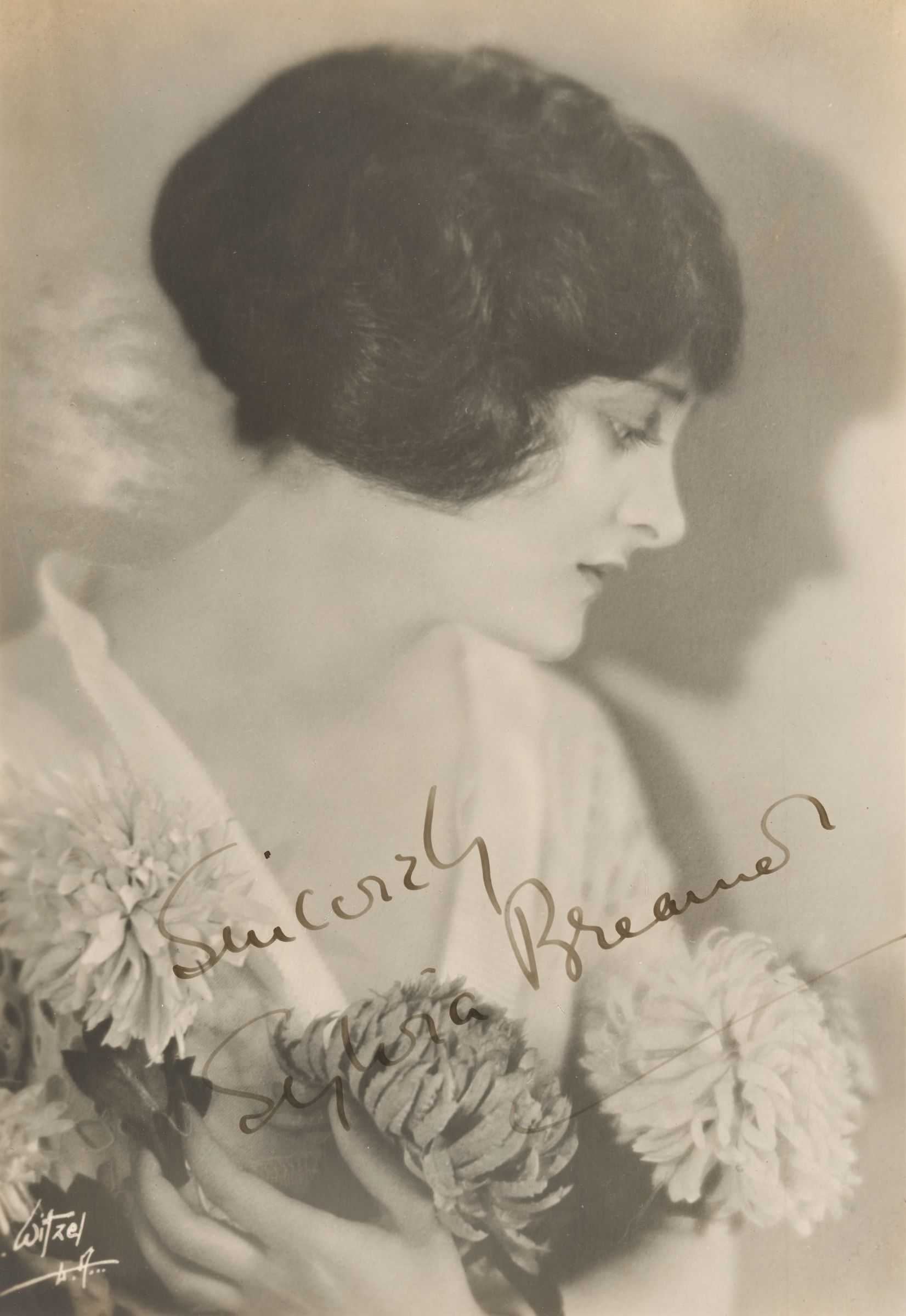
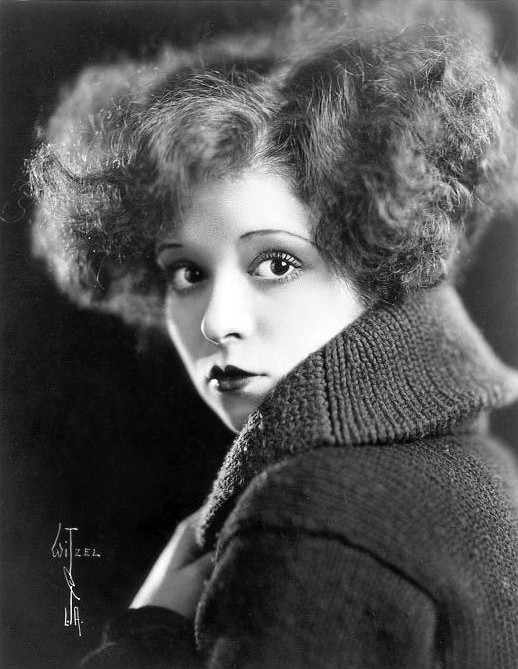
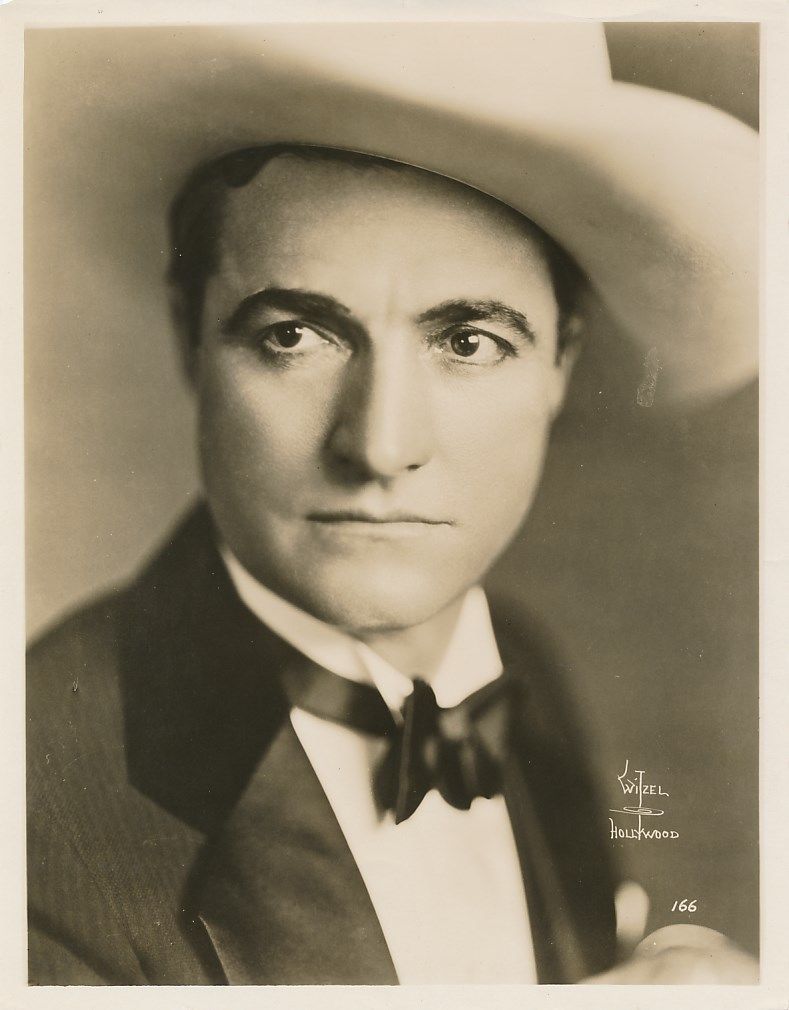
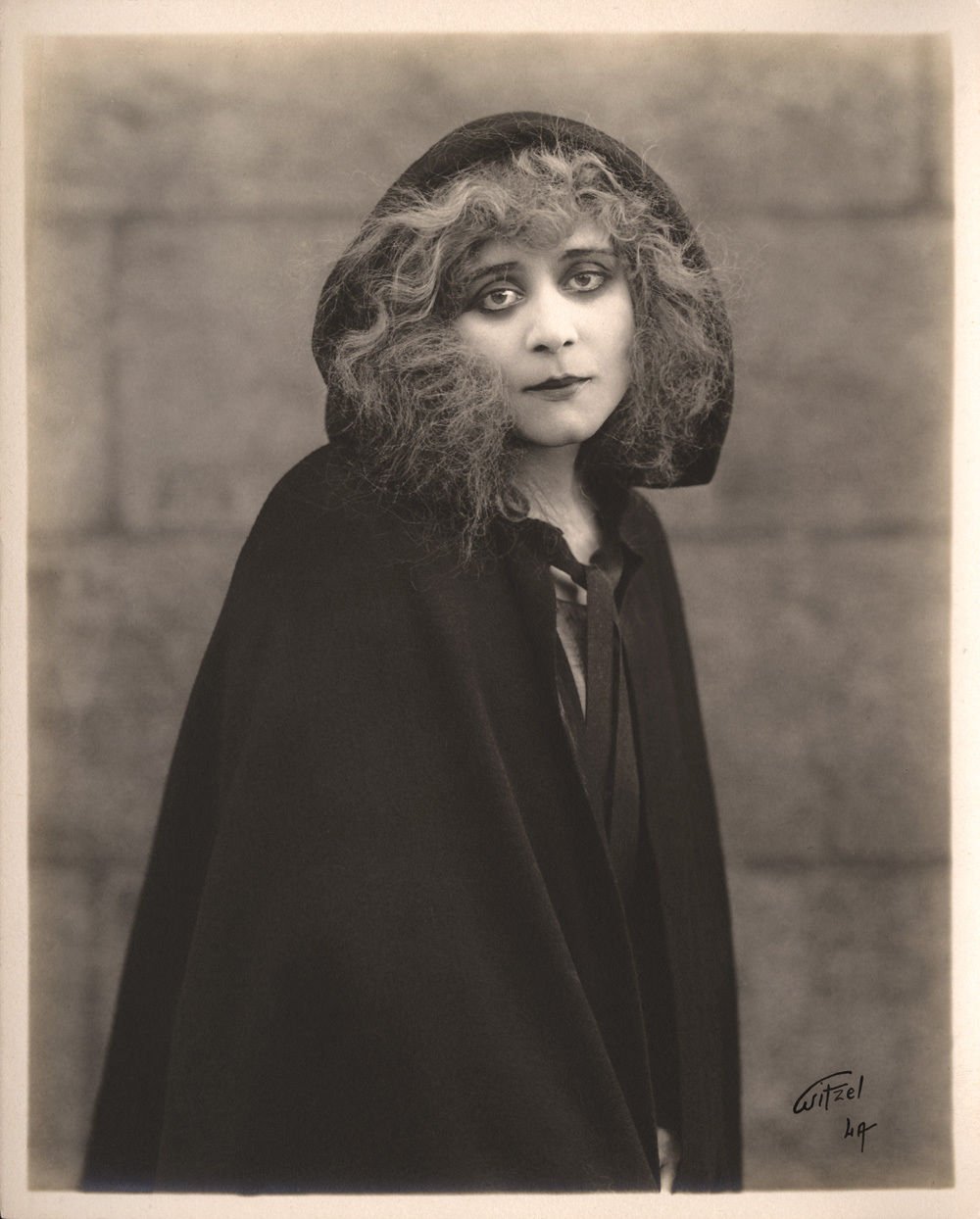
They came from portrait studios. Albert Witzel opened his studio in Los Angeles in 1909 and photographed Theda Bara, Charlie Chaplin and Harold Lloyd. In August 1913, his portrait of Viola Barry became the first movie star portrait to run in the Los Angeles Times. Star photos soon became a regular feature in newspapers and in fan magazines like Photoplay. These are publicity stills, the movies’ ads for their own stars, and the start of the glamour portrait. Witzel’s style was Rembrandt lighting, moody shadows and big, pronounced expressions, and he often cast his sitters as stock character types. That’s basically typecasting, in a photo. From 1920, the studios started building portrait galleries of their own, Goldwyn first, then Paramount and MGM.
Albert Witzel, Los Angeles: Sylvia Breamer in 1920, Clara Bow, Tom Mix and Theda Bara in 1917.
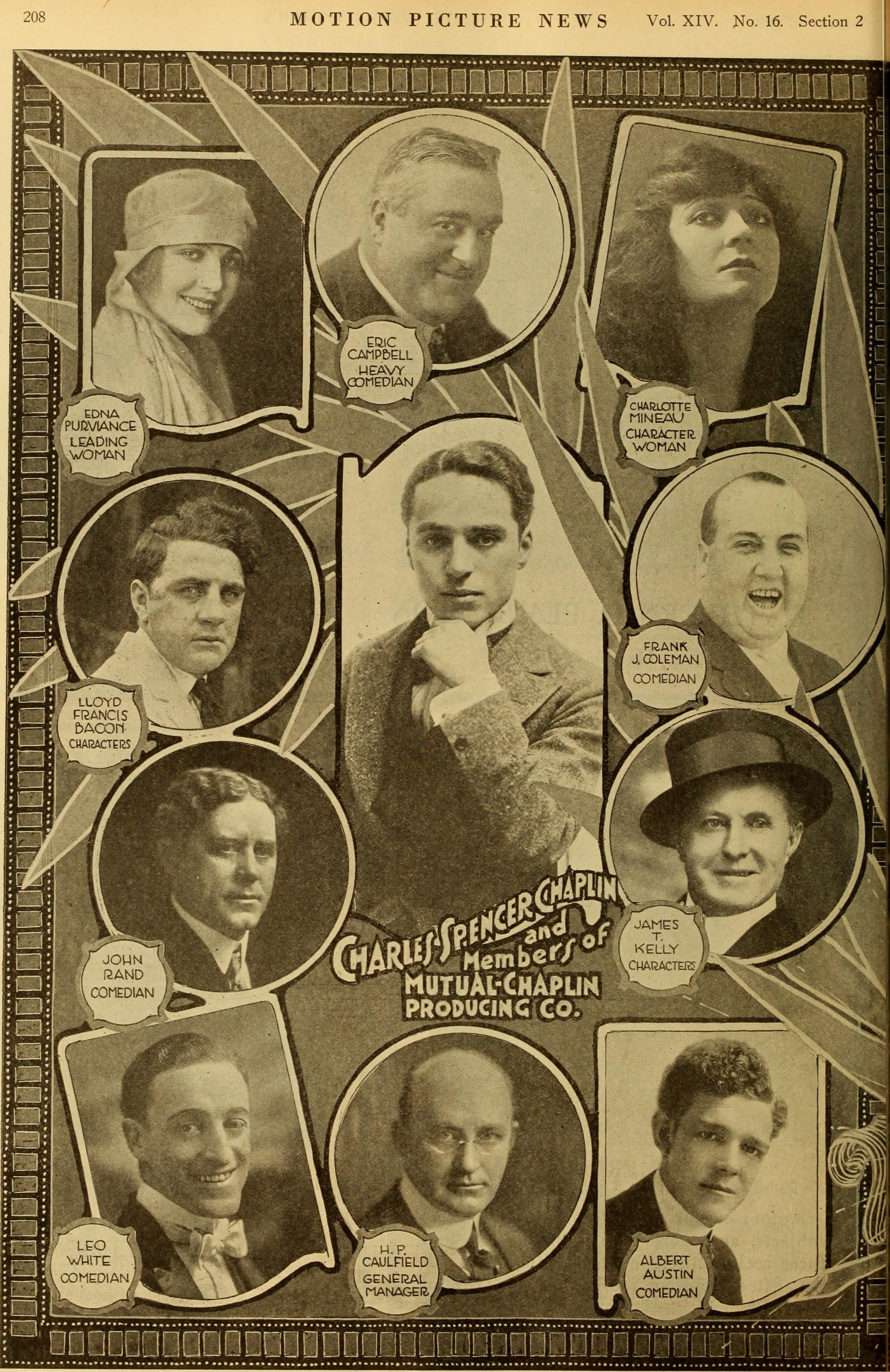
At the same time, a second kind of actor picture showed up, with a different job. This one was made to get you hired. A 1916 directory listed actors by the type of role they played, some with their height, weight, complexion, hair and eye colour, the same stats that later went on the back of an 8x10. In 1925 a casting directory sorted players under headings like “Character Women (Old).” And in 1926 the studios opened Central Casting, which faced about 30,000 people wanting to be extras and catalogued them by type and feature. Race was one of the types. Studios could order extras by race, and in 1927 Central Casting opened a separate branch for Black extras. By 1931 the writer Anita Loos said nearly everyone within ten miles of Hollywood had “registered his photograph.”
Spotlight started in London in 1927, a printed casting book of 236 performers, and British casting still runs on it.
Watch the frame again. Thousands of faces, and the answer was to file them by type. And mark this down as the headshot’s first birth. The publicity portrait sold you to the public. This new picture did something else. It filed you for the people doing the hiring. That’s a headshot’s job, and this is the first time a photograph had it.
1920s and 1930s
Glamour
By the 1930s the studio system was at its peak. The studios held exclusive contracts with their actors, and the five biggest owned the theatres that showed their films, so the studio controlled your image, and it paid for the picture. The actor didn’t choose it, own it or pay for it. Name the pictures from these years for what they are: glamour portraits and publicity stills, made by the studio to sell its own stars. The casting picture existed, in the directories and in Central Casting’s files, but a contract player didn’t make it or pay for it.
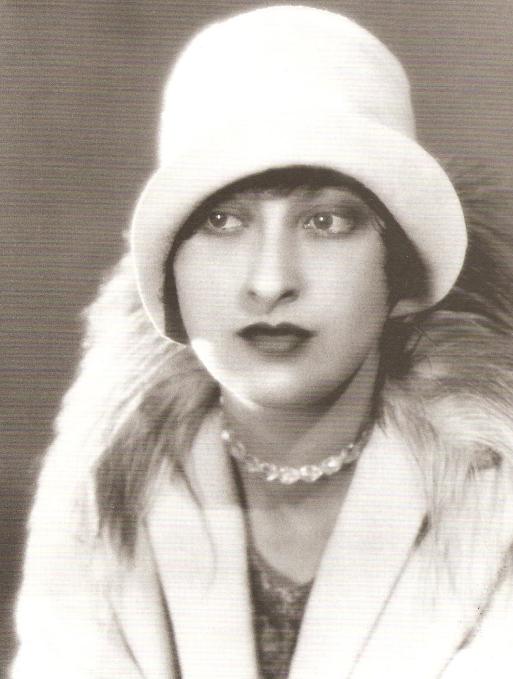
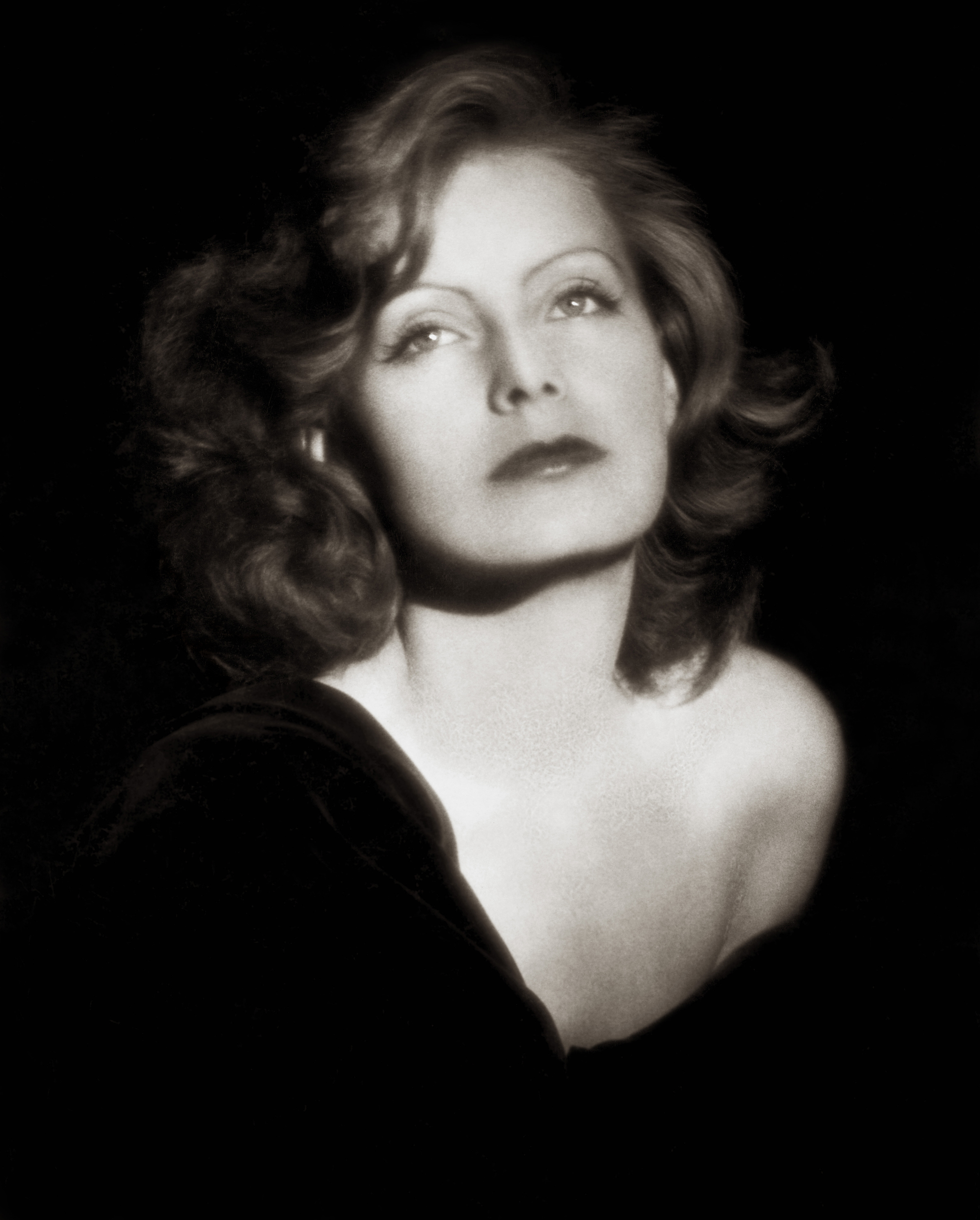
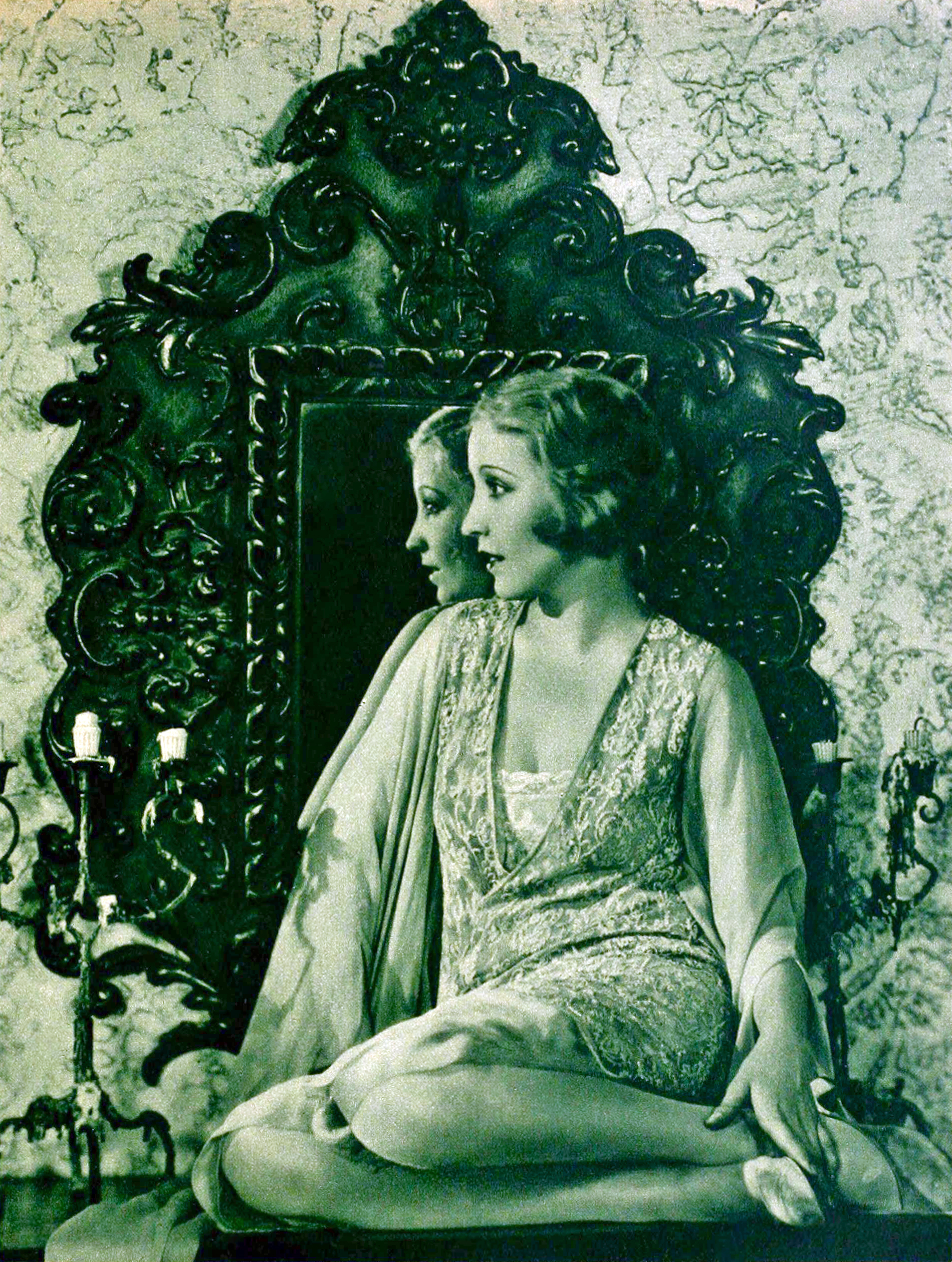
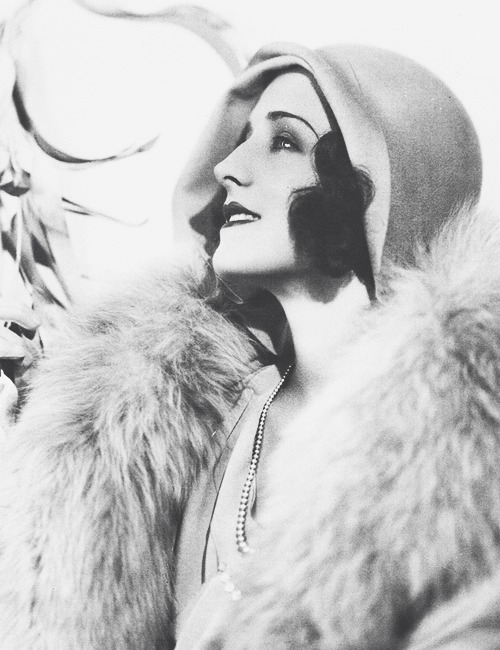
MGM’s head portrait photographer from 1925 was Ruth Harriet Louise. She was 22, the first full-time woman portrait photographer at any Hollywood studio, and she did five or six sittings a day. She shot full-length on big negatives, and her assistant enlarged them and cropped them into close-ups.
Ruth Harriet Louise, in a self-portrait from about 1928, and three of her MGM portraits: Greta Garbo in 1927, Bessie Love in 1929 and Norma Shearer.
Then Norma Shearer wanted to break her wholesome image so she could land the lead in The Divorcee. After seeing Hurrell’s pictures of her friend Ramon Novarro, she went to George Hurrell, who photographed her in poses more provocative than her fans had ever seen, and she showed the pictures to her husband, Irving Thalberg, MGM’s head of production. She got the part and won the Oscar for it, and when Louise left MGM at the end of 1929, Hurrell took her place. A set of photographs changed how a studio saw her.
Ramon Novarro, whose pictures led Shearer to Hurrell, in Hurrell’s portrait as The New Movie printed it in February 1930, and Shearer on the poster for The Divorcee the same year.
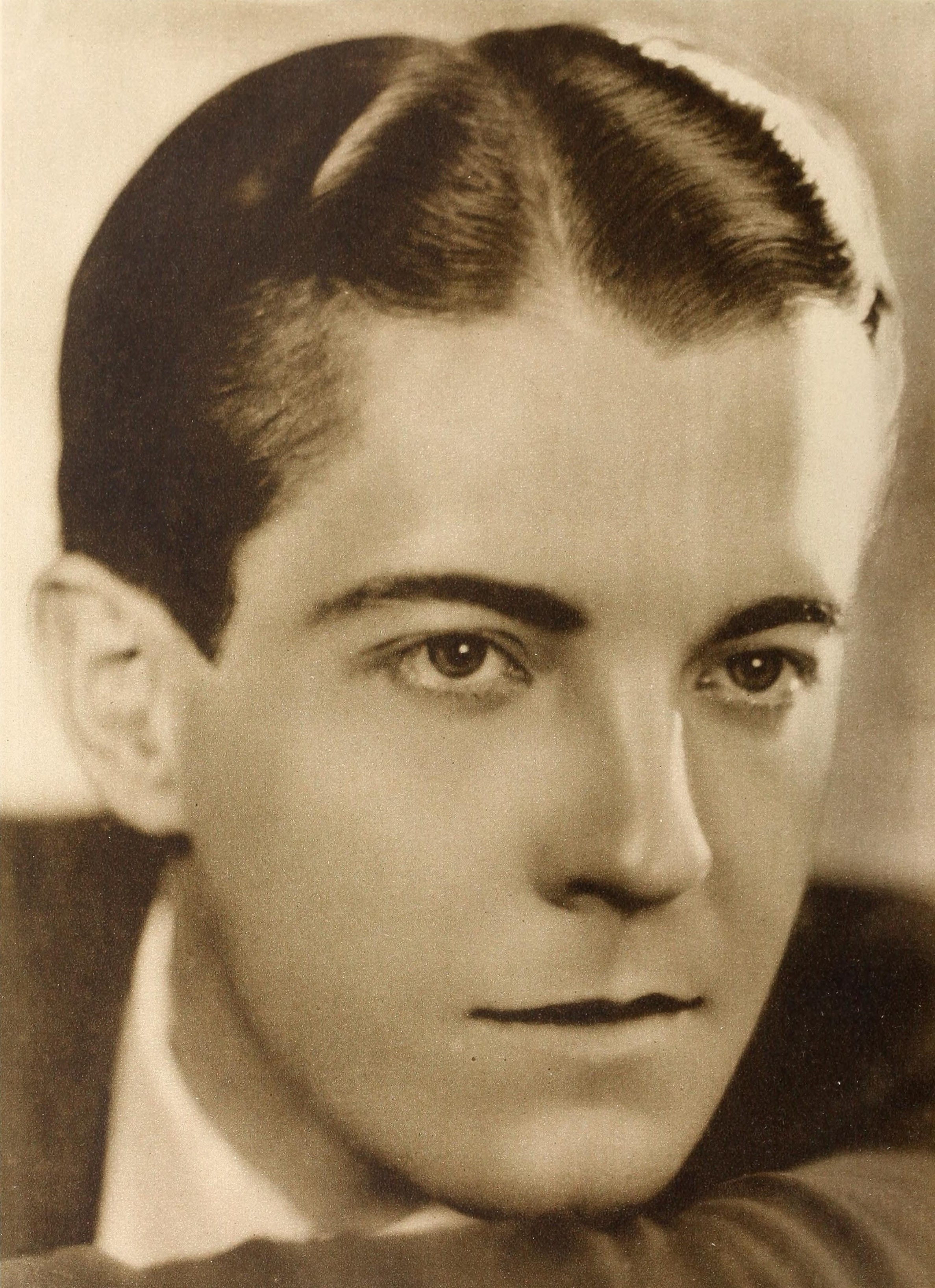
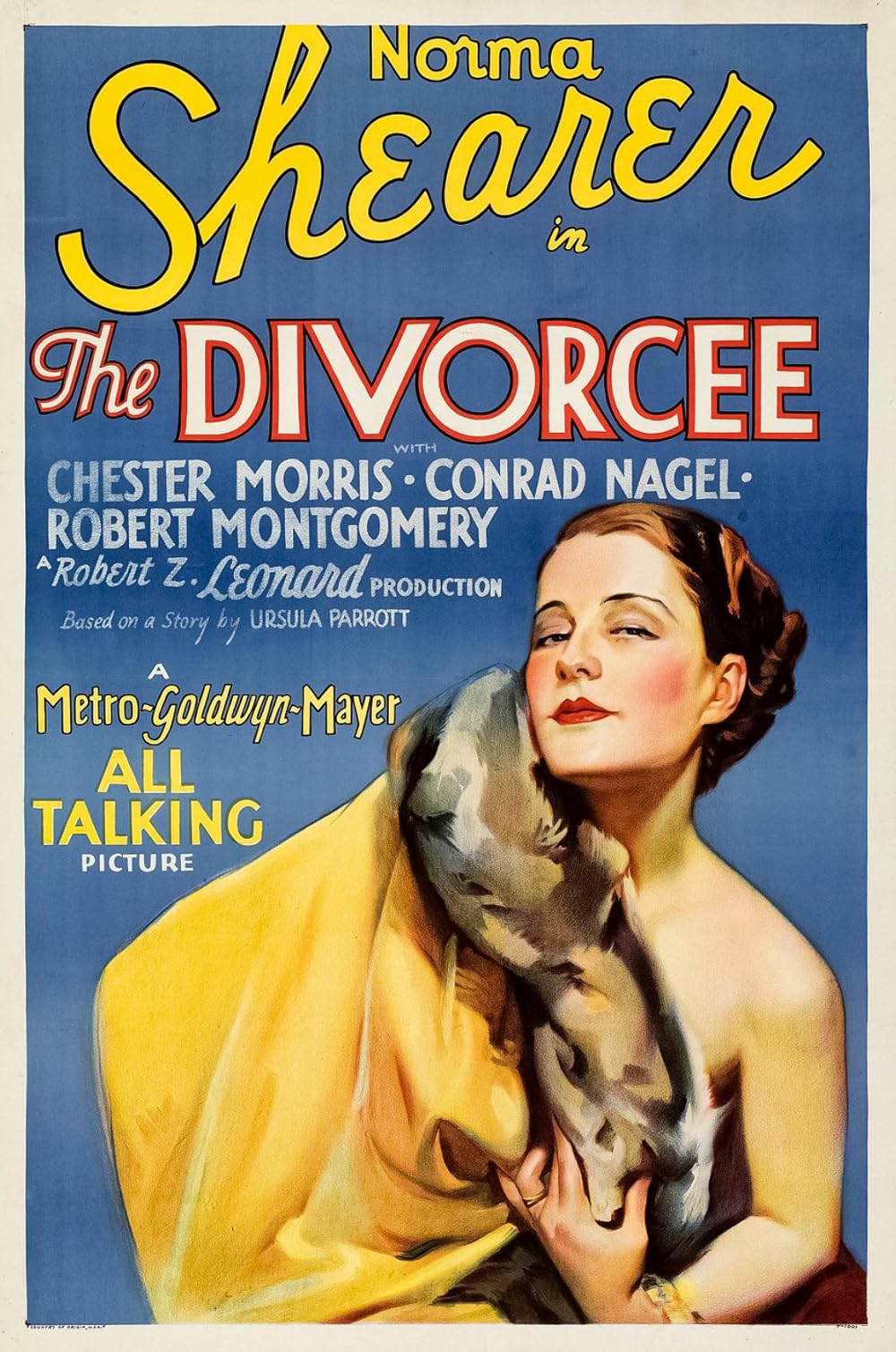
By 1933 Hurrell had his own studio on Sunset, and over the decade he photographed most of MGM’s stars. His motto was “Bring out the best, conceal the worst, and leave something to the imagination.” The concealing was literal. On his 1930 portrait of Joan Crawford, the retoucher took out every line, freckle and mole and whitened her skin, leaving what one writer called a “marble-smooth mask.” Big lights, hard shadows and heavy retouching, with everything posed and held. It’s about the most produced moment a portrait can be, and it comes back into this story at the end. This is where the glamour shot comes from, and it’s the opposite of what a headshot is for. A glamour shot is a face made to be admired. Casting needs a face it can recognize when you walk in.
George Hurrell at MGM in 1930, among his lights, and three of his portraits: Dorothy Lamour, a full-length glamour study in a feathered headdress, and Joan Crawford in 1936.
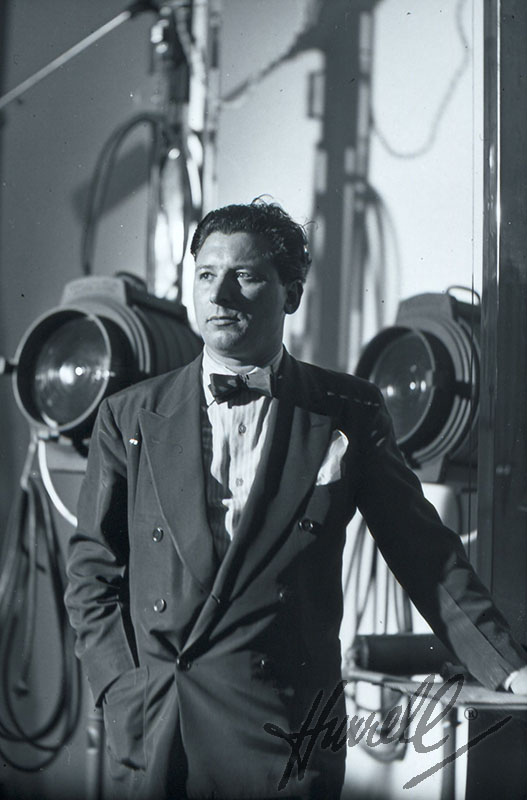
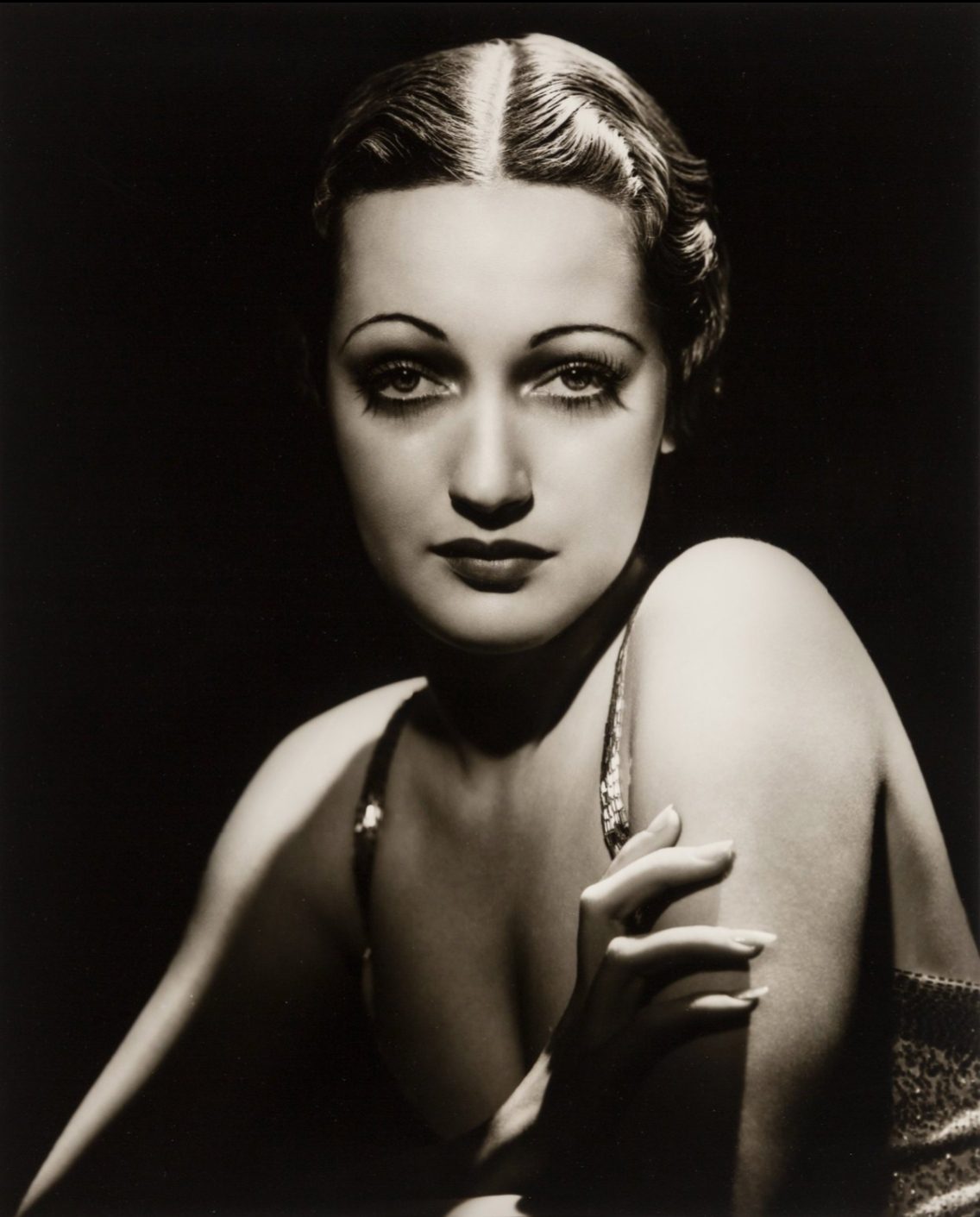
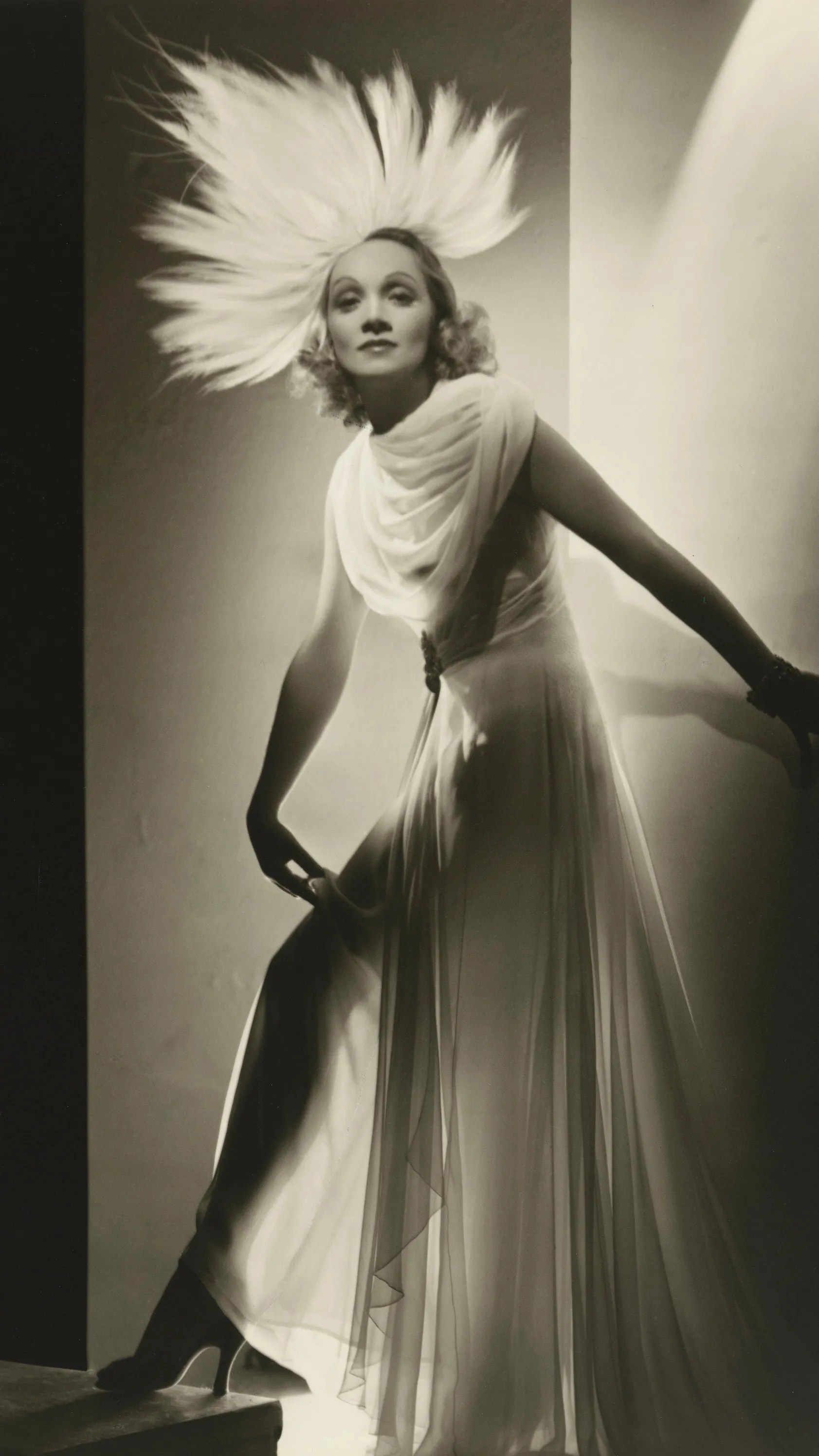
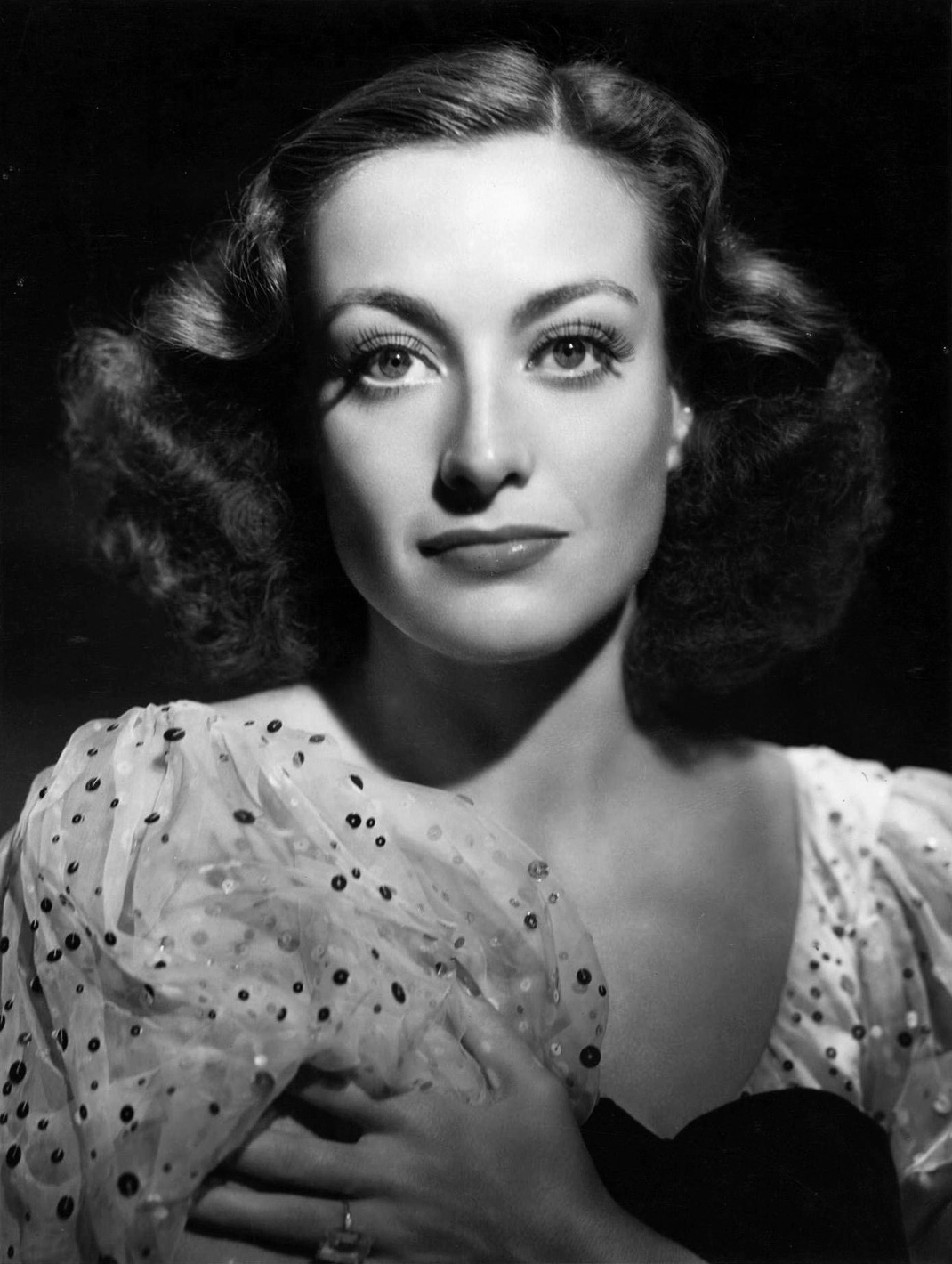
Casting happened inside the studio, through screen tests, and the studio paid for those too. A screen test at Universal in the late 1930s cost $500 to $800. The pictures came after you were signed. But the system still needed a book of faces, and in January 1937 the Academy printed the first Players Directory, with 1,257 actors from Mae West and Bette Davis on down, sorted by the type of role they suited. TV writer and producer Ken Levine remembers it in later years as two phone-book-sized volumes a year, one for men and one for women, with a whole section called Ingénues and Paul Newman right next to the bit players. The word itself is from these years too. The dictionary dates “headshot” to 1936. The picture had its name a decade before most actors had to make one.
1946 to 1971
On Your Own
Here’s the second birth, and it’s the one that makes the headshot what it is today. Stage actors had been paying for their own pictures since the 1880s, and New York got a stage directory of its own in 1944, the Players’ Guide. In film, the picture became the actor’s job after the war.
The contract system came apart over about a decade. In the mid-1940s Olivia de Havilland beat Warner Bros. in court under a California law that capped personal-service contracts, studio contracts included, at seven years, and after the war stars started going freelance. Then the Supreme Court’s 1948 Paramount decision forced the studios to sell off their theatres over the next decade, and with them went the reason to keep long rosters of actors under contract. Agents now carried actors, and agents needed pictures. In the 1940s they were sending young actresses to Bruno Bernard, who photographed a young model named Norma Jeane in 1946, just before she became Marilyn Monroe. Without a studio portrait department behind you, the picture was up to you. That’s the moment the two halves meet. The 1880s gave the headshot its business model, the actor paying to be seen. The directories gave it its job, a picture to be hired by. After the war, the two came together in the actor’s own hands, and that’s the headshot we have now: the picture you pay for so that casting can find you.
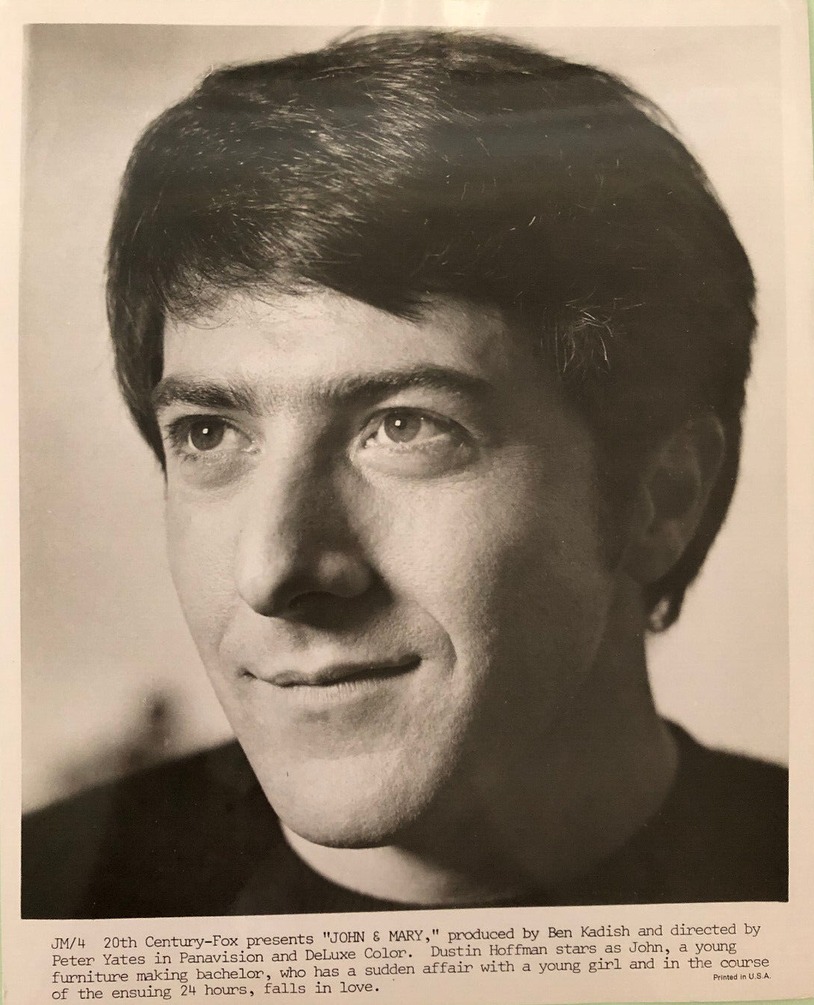
Live TV in New York needed new actors every week. Marion Dougherty started in casting at Kraft Television Theatre and went on to cast Naked City and Route 66. She gave James Dean, Warren Beatty, Robert Redford, Dustin Hoffman and Glenn Close their first shots in front of the camera. She opened her own casting office in 1965 and found actors in the theatres, and she was known for casting on ability instead of type. Out west, Lynn Stalmaster became one of the first independent casting directors. From 1949 a newsletter called Ross Reports told New York actors who was casting, which was the start of knowing where to mail your picture. And by 1960 the Screen Actors Guild had three contracts, theatrical, television and commercial. I suspect that’s where the theatrical and commercial headshot get their names.
Far left: Dustin Hoffman, who got his first shots in front of the camera from Dougherty, in a 20th Century-Fox press still for John and Mary, 1969.
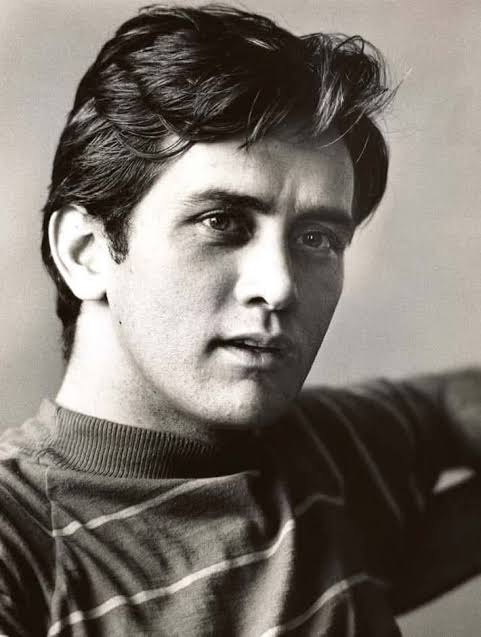
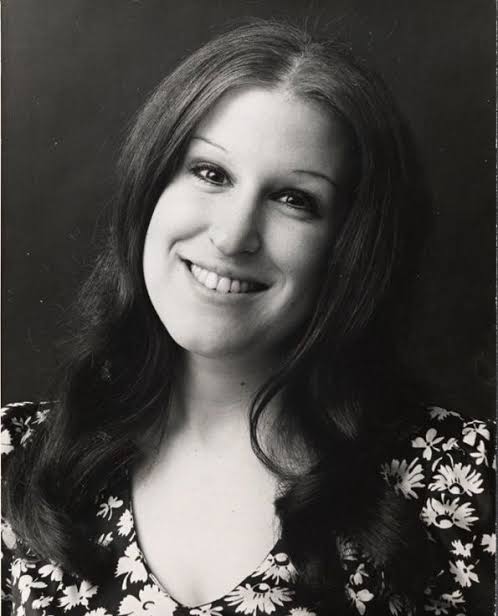
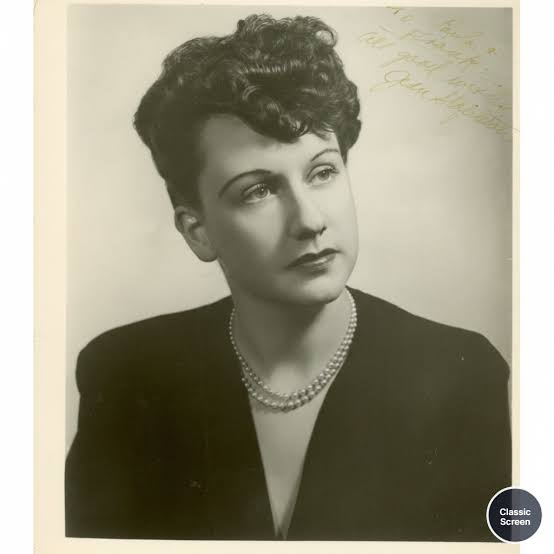
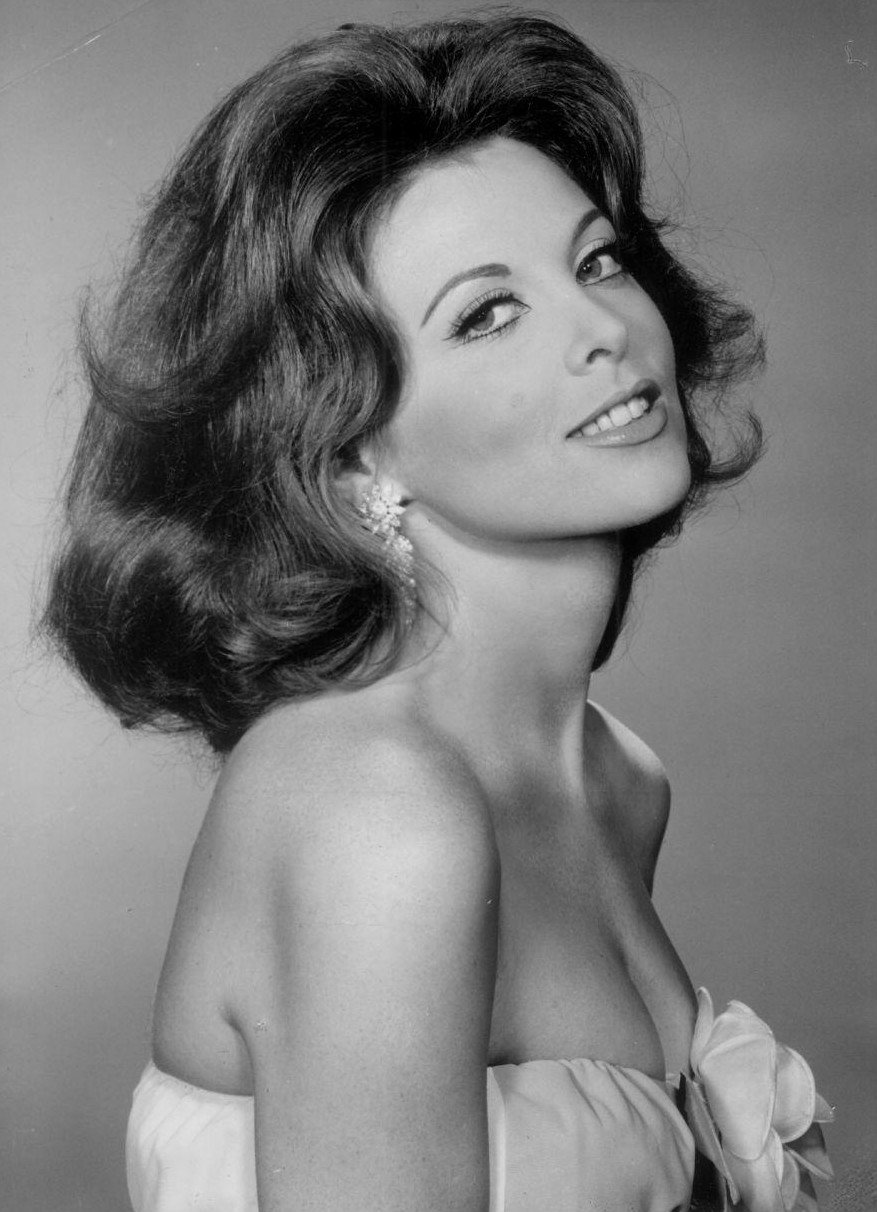
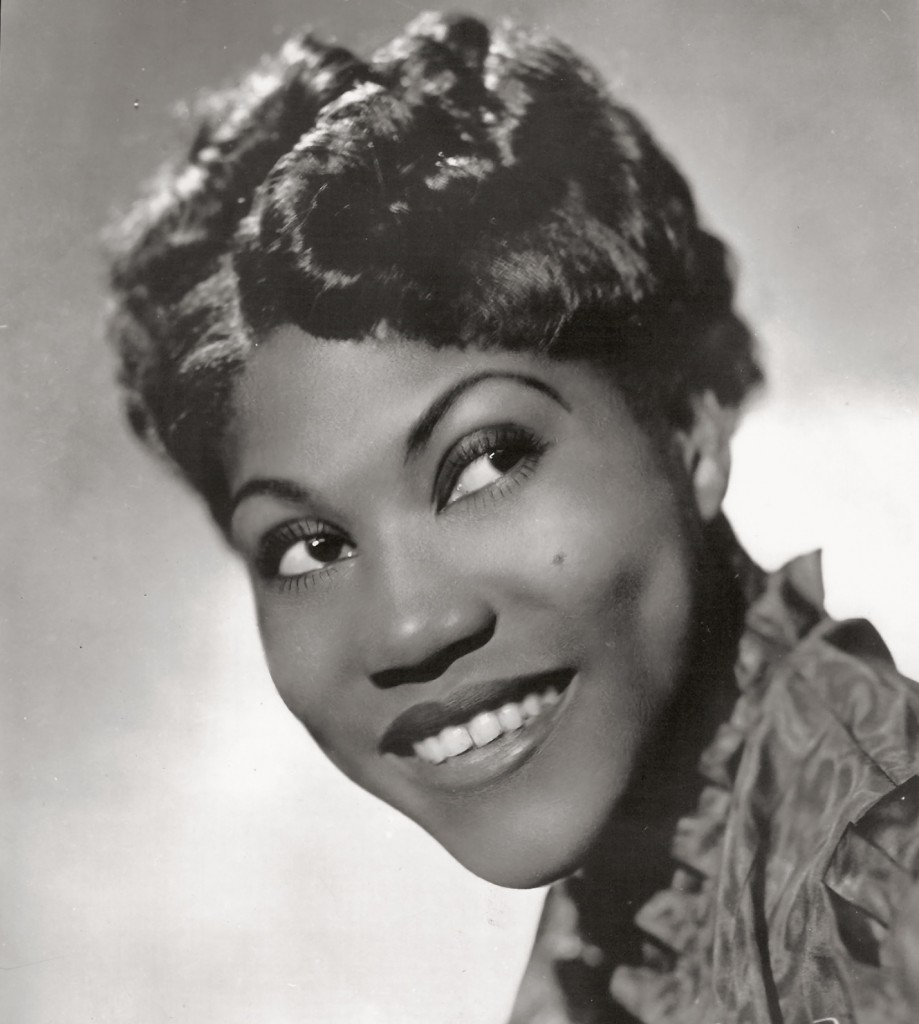
The glamour went with the studios. Hurrell, talking about the big plate cameras of the studio days, put it this way: “When we stopped using those 8 x 10 cameras, the glamour was gone.” The New York Public Library holds about a million headshots, and its curator says the photographers she talked to agreed a headshot should be “simple, neutral and focus attention on the performer’s face.” Most of the ones in the collection are, in her words, “basically faces inside rectangles.” The posing was dropping away. If you wanted to show range, you might get a double exposure, your face and your profile in one print.
1971 to the 1990s
The 8x10
In 1971, Gary Marsh started Breakdown Services. His mother was an agent, and she paid him $20 a week in gas money to read scripts on the studio lots and write up the roles. He made carbon copies of his notes for other agents, and within about a month around twenty agencies were paying him $20 a week too. He was barred from every studio lot in town on the same day, and it still took off. Those were the first breakdowns.
That started a paper machine. Breakdowns reached the agencies first thing in the morning, assistants stuffed envelopes with their clients’ pictures and résumés, and messengers ran them to the casting offices twice a day, a big expense for the agencies. In the casting offices, someone cut the envelopes open and sorted the 8x10s into piles, Perfect, Maybe and No Way. One column remembers the paper cuts. Submissions for a role could stack up waist high. By the time A Chorus Line opened in the mid-1970s, the picture and the résumé were one object, and the show put dancers on stage holding them up in front of their faces.
I couldn’t find when the 8x10 became the standard size. By the time I came into the business in 2000, it already was, and my guess is it goes back to the studio days. Another guess I’ve heard is the résumé: an 8x10 is the closest photo size to a sheet of letter paper, so it lined up with the résumé on the back, which would put it in the 1970s or 80s. I haven’t found anything that settles it. What changed was the volume. Photographers priced the session by the roll of film. In Los Angeles in the late 1990s that was usually $75 to $135 a roll, or $100 to $295 for two. Then you needed hundreds of copies, so a second trade grew up beside the photographers: the repro lab. Most copies were lithographs. Litho paper cost about 2 cents a sheet against 30 cents for photographic paper, so five hundred lithos could cost the same as a hundred real prints. In the late 1990s, a hundred black and white lithos ran about $50 to $65 in Los Angeles, and a hundred in colour anywhere from about $65 to $200.
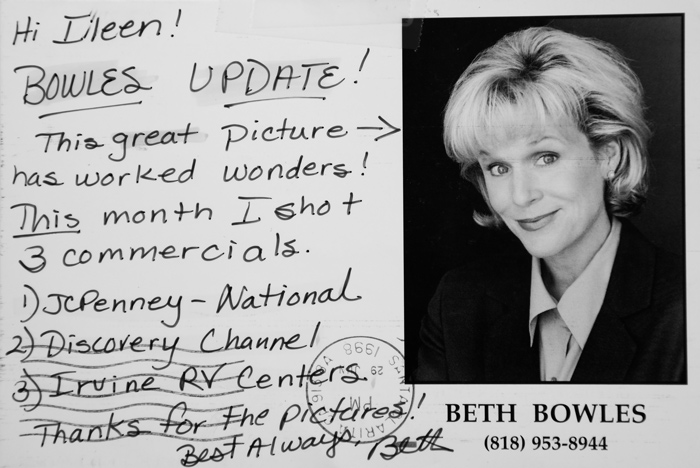
So the actor carried a bill that kept coming back: the session, the prints and the postage. And where actors are spending money hoping for a break, the scammers follow. California had to start regulating so-called talent services in 1999, after people posing as agents took money from hopefuls, and a 2009 law stopped those services from making actors pay for photos at all. A couple of years later, under pressure from city and state officials, even Central Casting stopped charging its background performers a $25 photo fee.
What did the pictures look like? In 1986 an artist named David Robbins took himself and seventeen other artists, including Cindy Sherman and Jeff Koons, to a real working headshot studio in Times Square, and ordered a hundred copies of each picture, the normal actor print run. Sherman’s is now in the National Gallery of Art. Black and white, head and shoulders, a plain background, her head tilted a little, smiling into the lens, with her name printed right into the bottom corner.
1980s 8x10s, names printed on the bottom: Christine Elise, Susan Dohan and a character actor in suspenders.
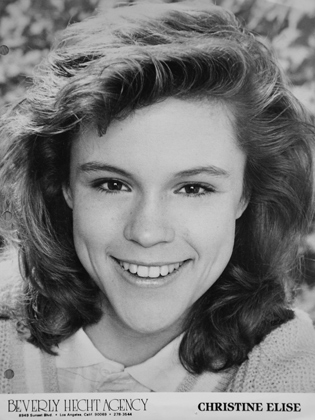
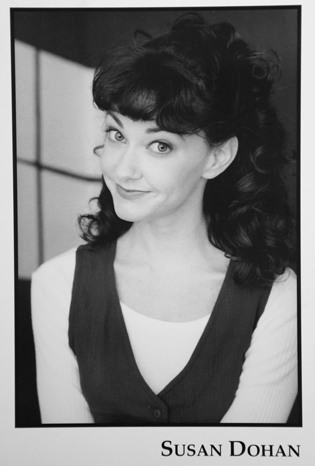
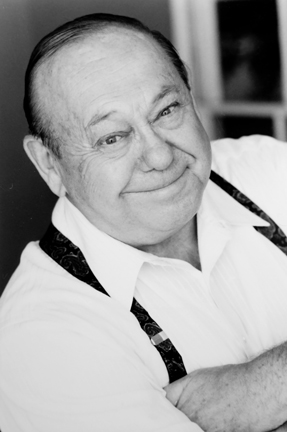
Colour is a little murky. The library’s curator says colour headshots grew more popular in the 1970s and 80s. An agent who worked through those years remembers everyone shooting black and white, and redheads who went colour getting mocked for it. Both can be true. Colour was there, but it cost more, so most people didn’t use it.
By the end of the century you can see the posing easing off. Andrew Brucker’s black and white work in New York, with natural light, plain backgrounds and minimal styling, shows where it was heading. With the posing gone, a headshot became a lot more about the expression. And that’s still the heart of a good headshot.
Andrew Brucker, New York.
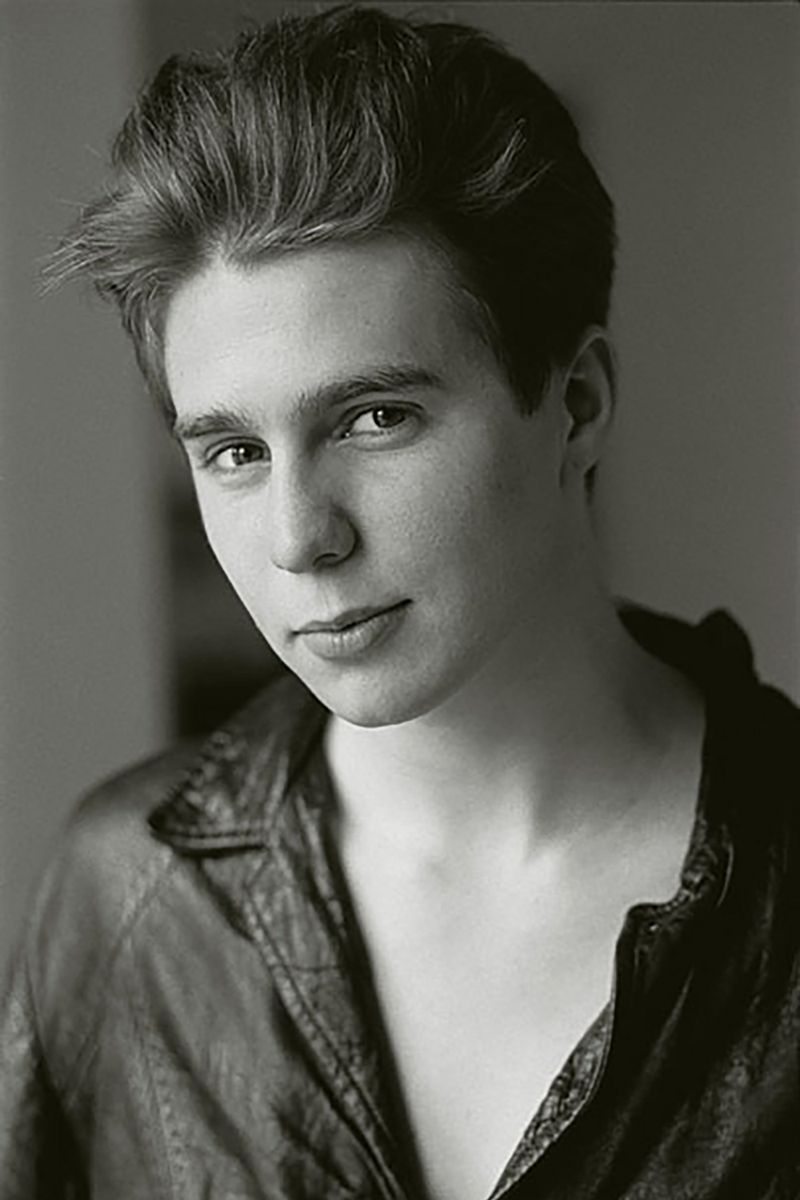
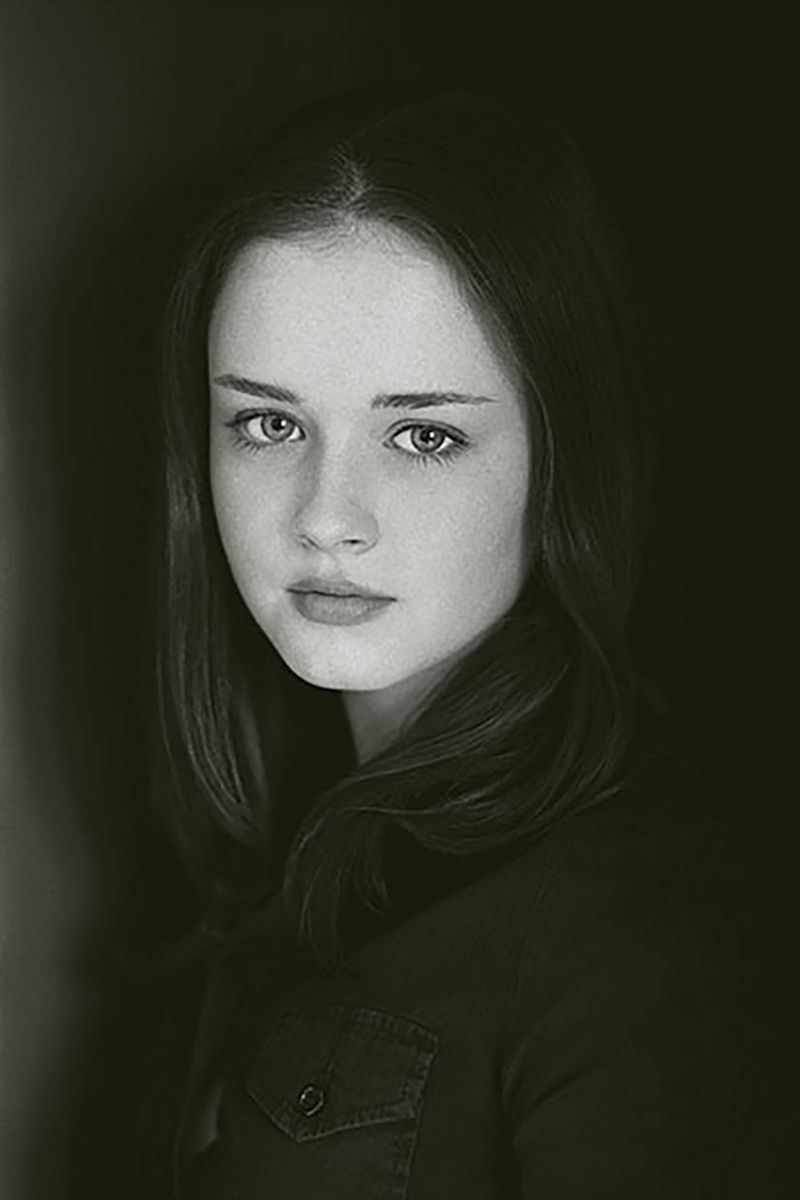
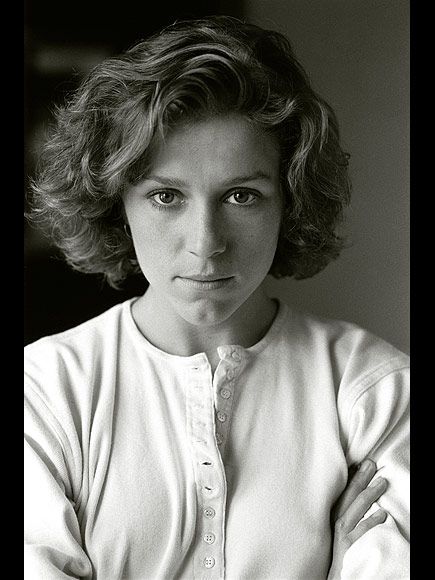
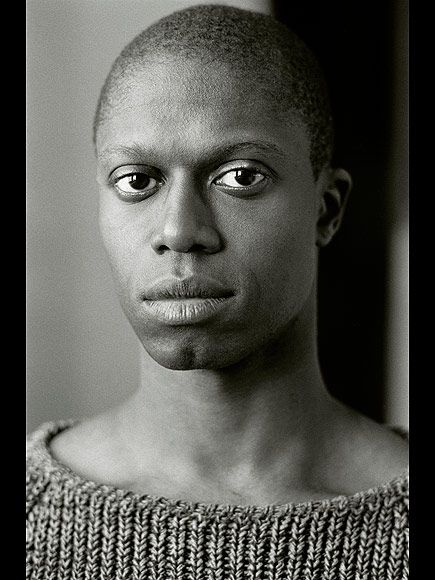
The paper machine was starting to crack. New York’s Players’ Guide printed its last edition in 1996. Spotlight went online in 1997. Up here, ACTRA put its directory of members online in 1997 too. Every member paid about $90 Canadian and supplied a résumé and, of course, an 8x10.
2000s
Colour and Online
Colour came from Los Angeles. In 2009 the casting director Paul Russell wrote that it began there around 2001 and spread to New York “like a virus,” and that by then a black and white headshot told casting it was at least five years old. It didn’t happen everywhere at once. In 2005, an informal poll of actors in Chicago found most of them still using black and white. To me, colour won because it shows casting what you actually look like.
Early colour headshots.
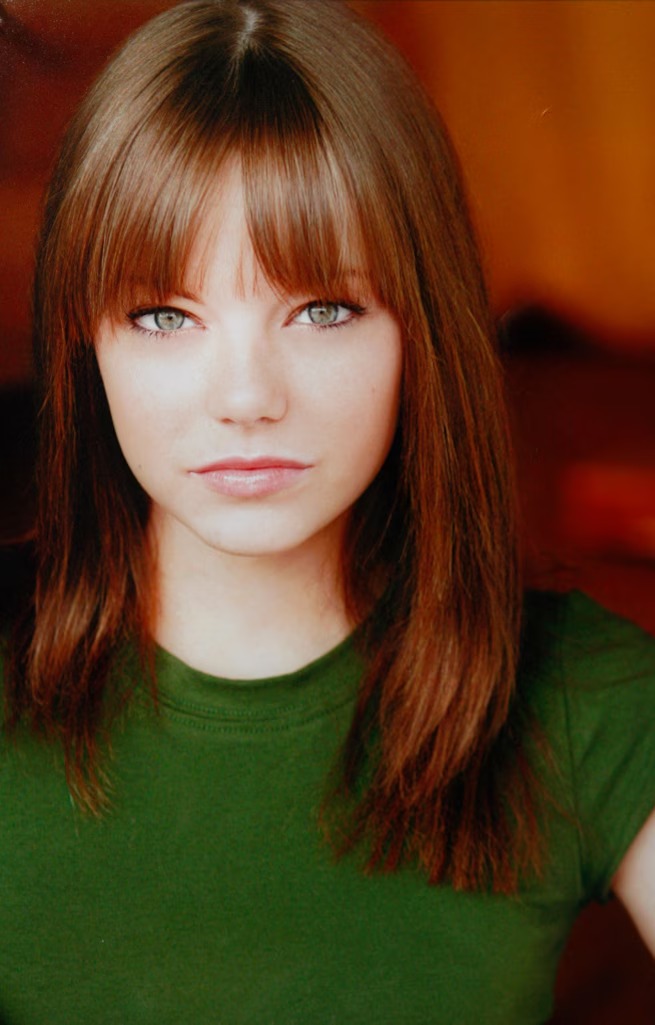
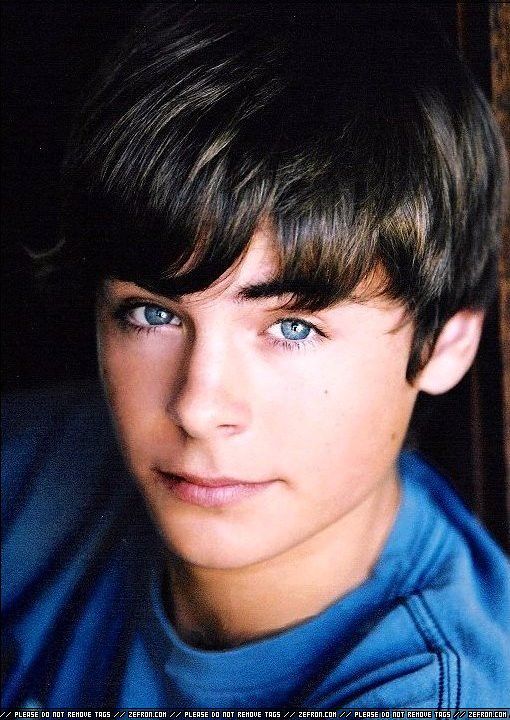
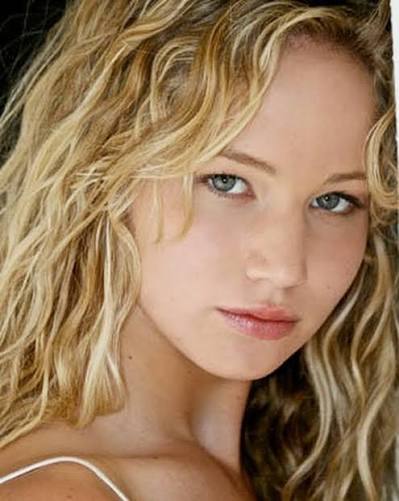
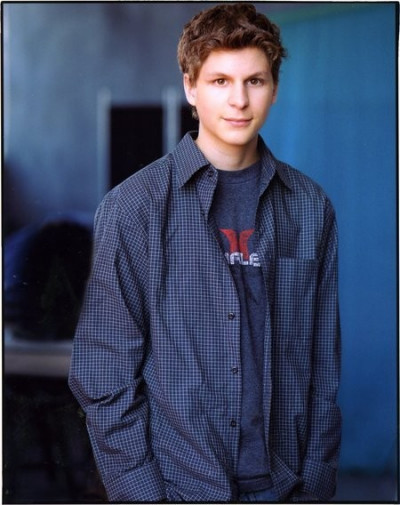
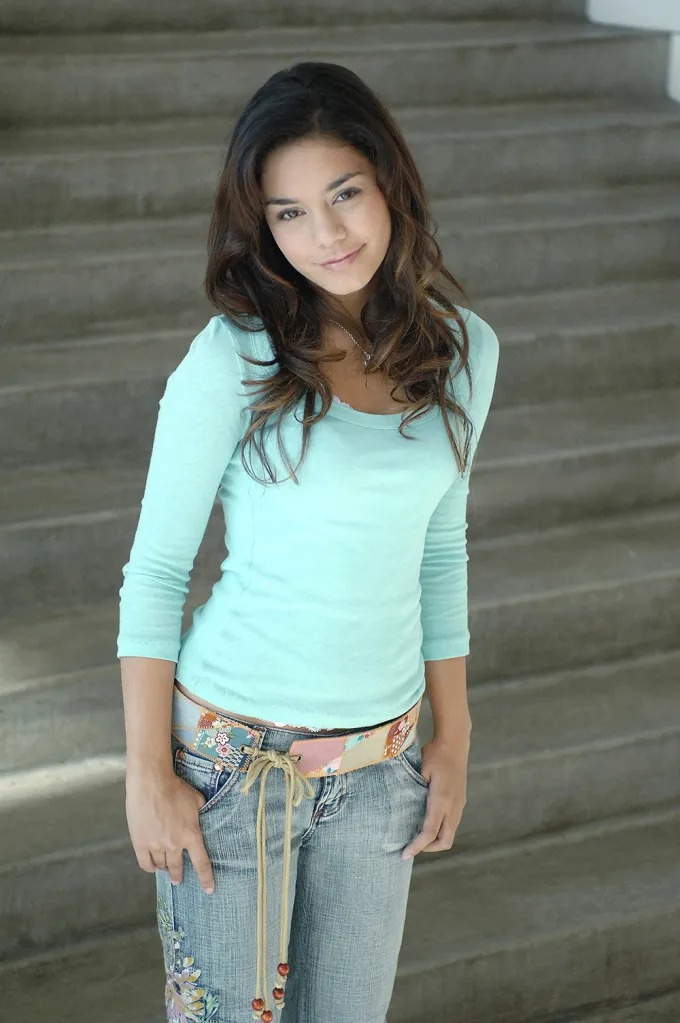
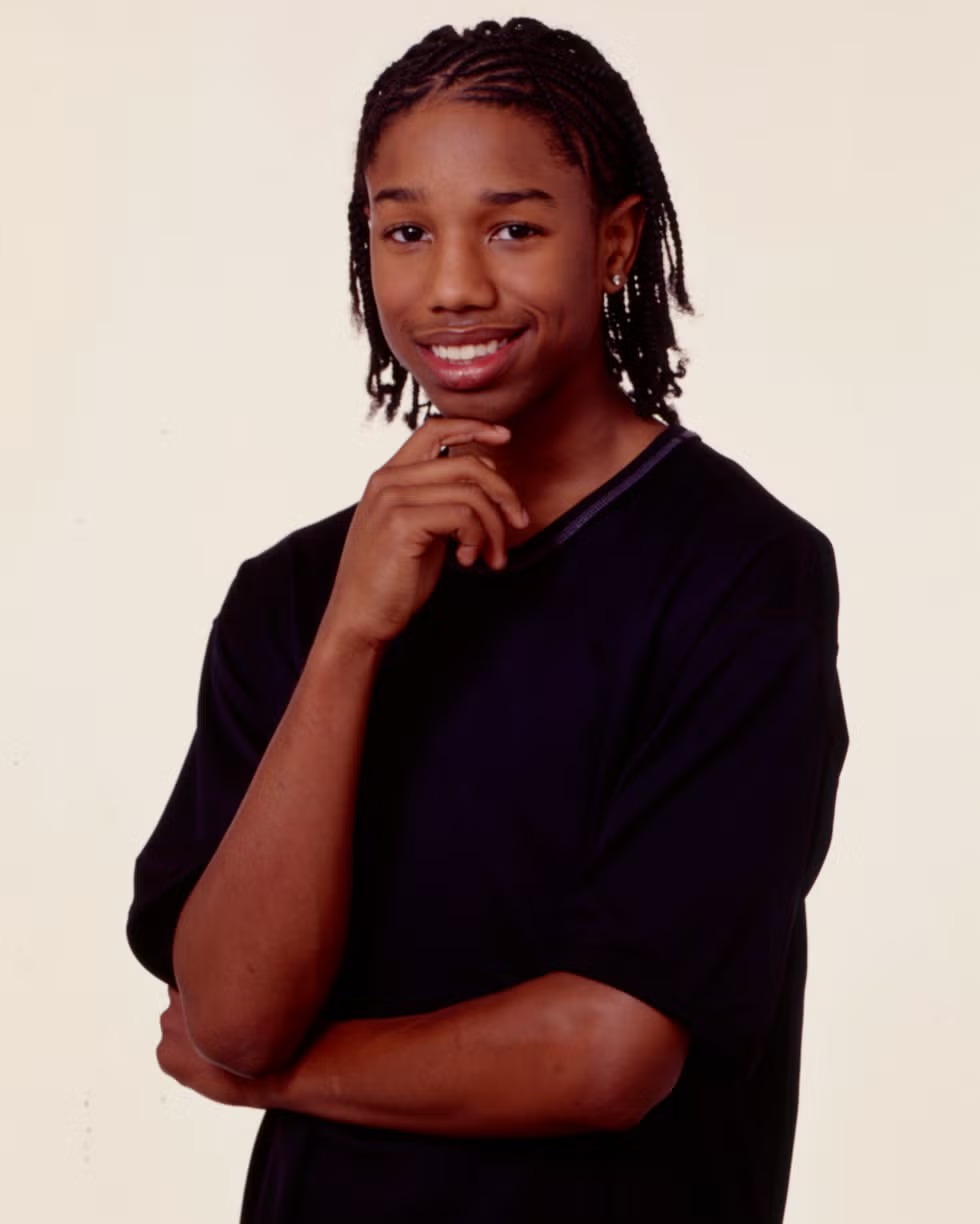
Digital changed the session too. Two rolls of film gave you 72 frames, and you waited a couple of days for contact sheets to go over with a loupe. A digital session ran to about two hundred frames, and you could look at them right there. Professional digital cameras cost $3,000 to $6,000, but the average package still ran $200 to $300, about what film photographers charged, so actors got almost three times the frames for the same money. At the top end, the best-known New York photographers were already charging $1,000 a headshot.
At the same time, casting moved online. Breakdown Services let actors submit electronically for the first time in October 2003, over the objections of agents and casting directors. Commercial casting went fastest. Within a couple of years, actors at many Los Angeles commercial auditions no longer needed to bring a headshot at all. In 2006, after seventy years, the Academy handed its Players Directory over to an online company. Up here, a lot of casting runs through Casting Workbook, and its founder remembers casting offices at the start still using fax machines and couriering headshots around.
Look at what that did to the money. The mailing bill and the messengers fell away. Printing didn’t stop overnight, though. In Vancouver in 2009, an acting school was still telling actors to get a shot printed as an 8x10, about $100 Canadian for the first fifty, after a session of $300 to $600 Canadian. And look at the frame. Online, a single role could draw more than a thousand submissions, all thumbnails on a screen. One casting director’s advice at the time was to keep the online pictures “simple, close-up, and real.” Actors had carried more than one look for years, two or three pictures in the envelope, but online made several looks cheap and standard.
Retouching moved into everyone’s hands with Photoshop, and the rule in the trade by 2006 was to soften the skin and keep its texture. One agent’s warning: if your headshot doesn’t look like you, “you’re most likely not going to get the job.” A long way from Hurrell’s marble mask.
And in 2007, LinkedIn let its members add a photo, and headshot photographers picked up a whole second market.
2000s
The White Background
The looks were local, too. New York headshots ran darker and more serious, lit in the studio. Los Angeles was warmer, “the land of natural light.” Canada had its own versions of the two. In my experience, a Vancouver headshot was outdoors, in sunlight, with the background falling away, and a Toronto headshot was lit by big warehouse windows. You could often tell where an actor had their photos taken.
The look I saw take over New York in those years came from Peter Hurley. He put actors on a white background and framed them horizontally, tight on the face, cutting off the top of the head. To me, that frame is his biggest mark on headshots. He lit with Kino Flos, soft continuous lights made for film sets, set up to copy a window, and he says he was one of the first headshot photographers to do it. Soft light, a white background and a shallow depth of field. Everything in that setup keeps your attention on the face, and he built his whole approach around expression.
2010s
The Thumbnail
By the 2010s, casting directors were scrolling grids of faces shrunk down to the size of a postage stamp. In 2015 Gary Marsh said a role could draw about a thousand submissions “within a couple of hours.” Photographers in Los Angeles said a headshot had about one second to work. One casting director’s advice was simple: “You should be trying to engage me with your eyes in the picture.”
So the frame tightened again. Less body and more face, with the eyes doing the work.
That white background look held strong, and the blurry background was added to the mix. Natural light, a fast lens, and everything behind you melts away, so the only thing sharp is your eyes. In 2010, Backstage readers in Los Angeles picked natural light studio photographers as their favourites, so the two looks ran side by side, one on each coast. Paul Smith in Los Angeles is a good example. He won that 2010 poll for photographers charging over $400, working in natural light in a studio downtown with a range of backgrounds. He described his work as “just honest moments.” His headshot of Rami Malek is one of them.
Paul Smith, Los Angeles. Fourth from the left: Rami Malek.
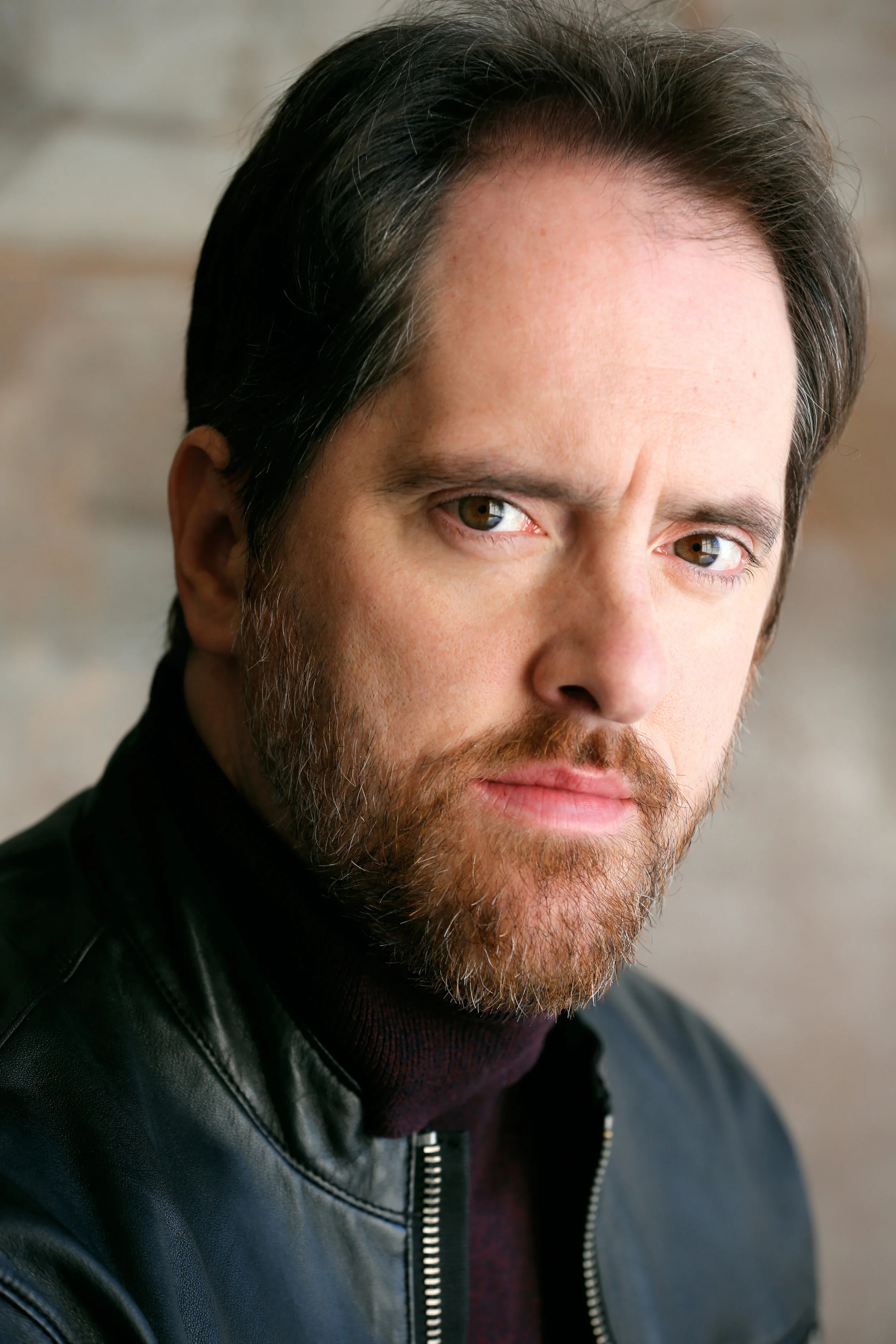


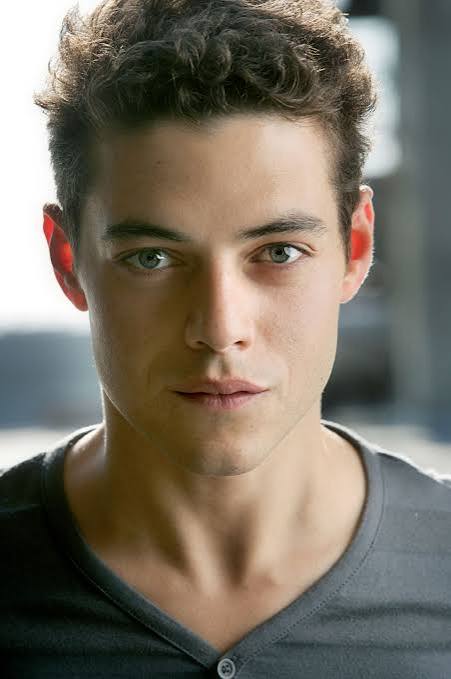
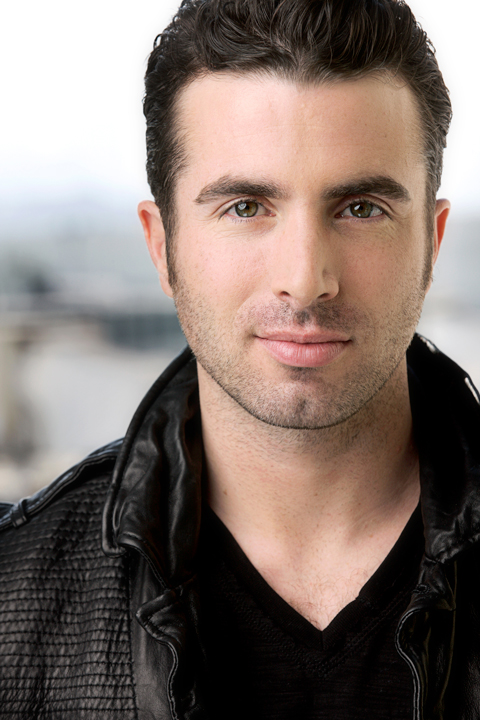

Colour moved into the backdrop, too. As I was shooting, it took over from about 2017 to 2022: photographers, me included, went looking for colour, matching backdrops to an actor’s eyes or wardrobe so the face would pop off a page of thumbnails. One New York studio dates the flat coloured backdrop to 2017 and says it’s now fading. In my experience it’s less sought after than it was, but clients still love it and I still use it. Like any trend, it didn’t really go away. It just added to what’s possible. Today it’s a mix: white, colour, window light and outdoors, depending on where you shoot and who you shoot with.
Actors bought more looks and fewer prints, and the repro labs lost their business. Britain held on to print longest. Spotlight’s books grew to ten volumes and more than 60,000 performers, and the last printed edition came out in 2017. A British actor working in Los Angeles that year said the UK had only switched to colour in the last couple of years. By the end of the 2010s and into the early 2020s, the print was pretty much obsolete, at least up here, though American theatre still asks you to bring one.
2020s
Full Circle
So where is it going? I can only tell you what I’m seeing. Some photographers are bringing back elements of those early studio stills, while keeping the engagement and connection we have now. To me, Phil Sharp in London is leading the charge. He was the first I saw doing it, and other photographers are following his lead.
He mostly photographs actors, usually in natural light, often with just a window, and among his influences he names the Dutch masters Vermeer and Rembrandt. Remember Witzel’s Rembrandt lighting? Same painter.
Phil Sharp, London.
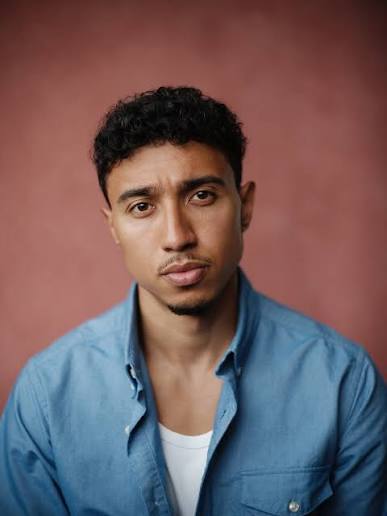
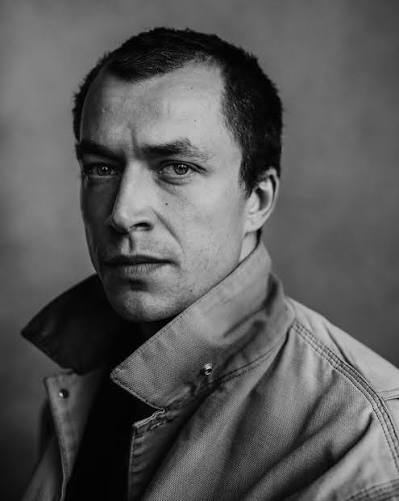
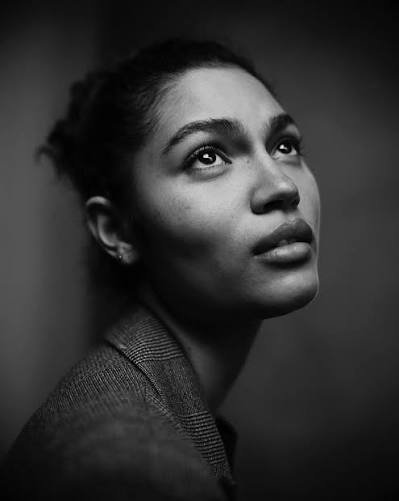
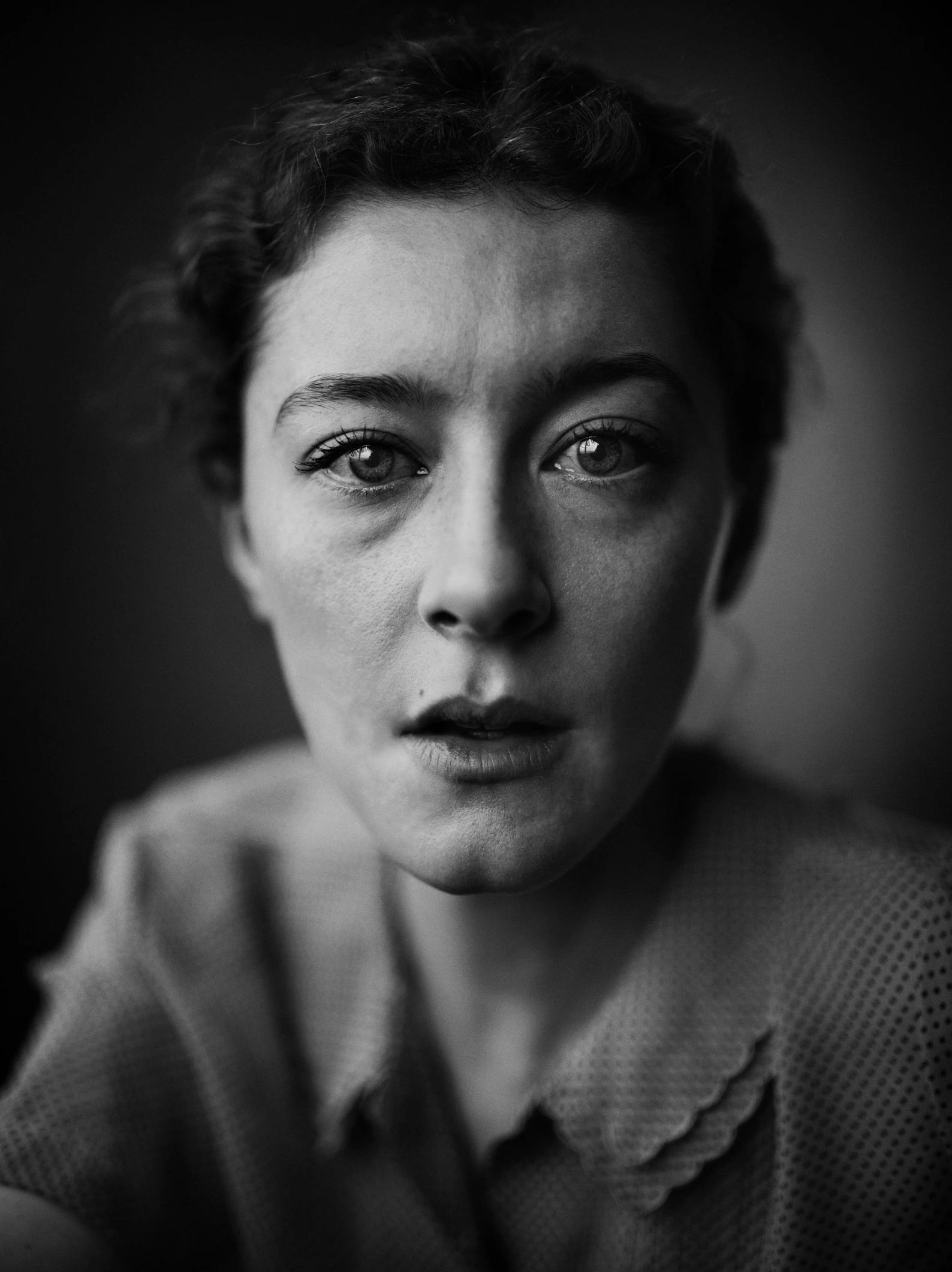
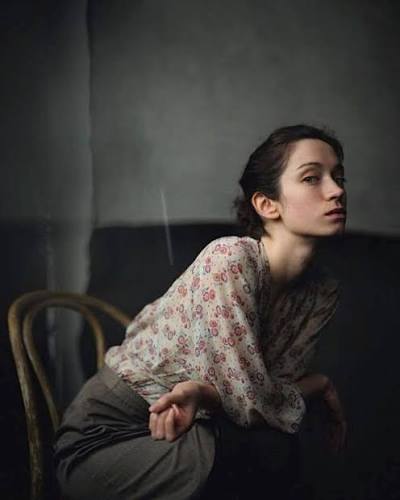
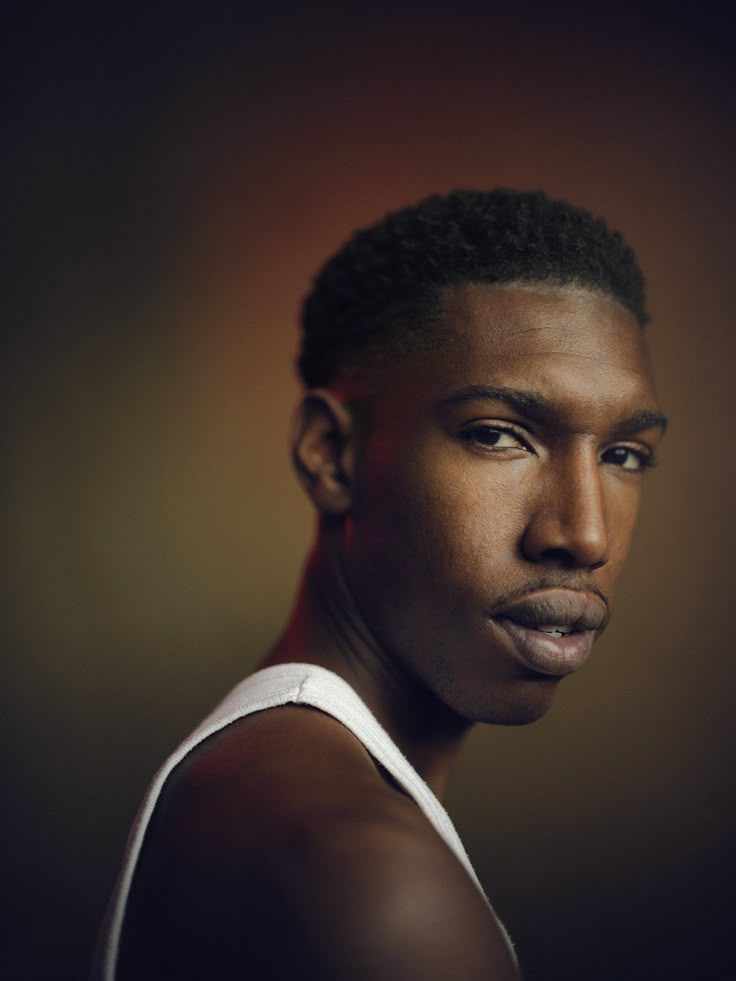
But he isn’t posing anyone. He says he tries to let people be, and in his words, “It’s not about perfection. It’s about presence.”
What I think will carry forward is the way he directs, more than his look. His expressions are sometimes far from pretty, and they read like a frame from a film. That might be where the headshot is heading, whatever the light or the background.
That matters, because casting hasn’t changed its mind about what the picture is for. Spotlight tells actors not to retouch out their wrinkles and not to use dramatic studio lighting, and one casting director calls the headshot “a reference to the person who’s going to walk in the room.” Window light can do the old mood and still look like you. That’s why I think it works.
And the 8x10 never really went away. Casting Workbook still crops every photo to an 8x10 shape.
The bill is still the actor’s, too. A Backstage guide from a few years ago put a single look at $250 and up, Los Angeles photographers at $300 to $1,200 and each extra look at $100 or more. Prints, when you need them, now cost about 79 cents to $1.59 each from online printers. And ACTRA’s president says Canadian performers earn about $10,000 Canadian a year on average from acting.
So the posing is gone and the person comes through. Maybe the light of the 1920s is coming back too, with the connection of now.
Then and now
What Changed, and What Hasn’t
Look at the three threads together. The posing went from Sarony’s attitudes to Hurrell’s mask to simply you. The bill went from the photographer paying the star, to the studio paying for everything, to the actor paying to be seen. And every time the picture had to work smaller or faster, the frame got tighter: faces over stage scenes because they printed, casting books sorted by type, envelopes sorted in seconds, thumbnails the size of a stamp.
The job of the picture changed with all of that. It’s been a collectible, an ad, a glamour shot, a casting file and a thumbnail. What hasn’t changed is what casting needs from it: the face that walks into the room. That’s why expression is where the work is now.
If you want the long version of how that works, I wrote The Science of Not Being Photogenic.
Now
Does the Headshot Still Matter?
So is the headshot still worth it? Twenty years ago it was the thing that got you in the room. Now the first round is usually a tape. In ACTRA Toronto’s 2025 survey of more than 1,100 members, most first-round auditions were self-tapes, even though nearly half said they’d rather be in the room.
But the photo is still the first thing casting sees. Netflix casting director Julie Tucker put it simply this year: “A really current picture is everything.” A good one, she said, tells a story, and tells her what roles to call you in for.
What’s changed is that it has company. Casting can look you up, and as one casting director told Casting Networks, “What you post online is a reflection of you.” In my experience, the actors doing best now have more than one kind of picture: the headshot for the submission, and editorial images, the kind that look shot for a magazine feature, for everything around it. That’s where I think work like Phil Sharp’s fits.
I think the headshot is here to stay. It just carries less of the load than it used to.
Sources (92)
- V&A, Guy Little theatrical photographs (Window & Grove, Ellen Terry, 1878) Link
- London Review of Books, Tom Crewe on Paul Frecker’s Cartomania (Apr 2025) Link
- Gary Saretzky, “Early Cartes de Visite in New York City” (revised Feb 2026) Link
- Art Canada Institute, William Notman biography Link
- Smithsonian Magazine, “Supremely Wilde” (Sarony) Link
- David Shields, “Buying and Selling Cabinet Cards 1865–1905,” Broadway Photographs (University of South Carolina) Link
- Ohio Memory (State Library of Ohio), on cabinet cards, first introduced by a London studio in 1863 Link
- Metropolitan Museum of Art, Goodwin & Company’s Old Judge series (N167), 1886: actresses, ballplayers and boxers Link
- Metropolitan Museum of Art, Lillian Russell, Actors and Actresses series (N171) for Old Judge Cigarettes, 1886 to 1890 Link
- David Shields, “Seeing the Stage,” Broadway Photographs Link
- LACMA, “Acting Out: Cabinet Cards and the Making of Modern Photography, 1870–1900” Link
- Museum of the City of New York, “Benjamin J. Falk, Photographer and Master of Light” (2015) Link
- Burrow-Giles Lithographic Co. v. Sarony, 111 U.S. 53 (1884), Cornell LII Link
- HistoryofInformation, first US newspaper halftone (1880) Link
- Little White Lies, Florence Lawrence and the first movie star Link
- LA Daily Mirror, Mary Mallory, “Albert Witzel, Early Glamour Photography Pioneer” (2013) Link
- Criterion, “Shooting Stars” (Clarence Sinclair Bull, Goldwyn 1920) Link
- Motion Picture Studio Directory (1916), Lantern Link
- Standard Casting Directory (1925), Lantern Link
- Wikiwand, Central Casting Link
- PBS SoCal, Lost LA, “How Central Casting Found Racial Types for Classical Hollywood Films” Link
- Spotlight, “The History of Spotlight” Link
- Women Film Pioneers Project, Ruth Harriet Louise Link
- National Portrait Gallery (Smithsonian), Hurrell exhibition brochure (2024) Link
- The Arts Desk, on Hurrell’s 1930 Joan Crawford portrait Link
- ABC7 New York, “Remembering a photographer who broke color barriers,” on James J. Kriegsmann Link
- Backstage, on the documentary Casting By Link
- Academy release via WebWire (2006), Players Directory history and handover Link
- OAC, Academy Players Directory collection Link
- Ken Levine, “The actors directory” (2020) Link
- Merriam-Webster, “headshot” Link
- Playbill, “The Players’ Guide Ceasing Publication” (1996) Link
- Encyclopedia.com (Gale), “Postwar Stars, Genres, and Production Trends” Link
- De Haviland v. Warner Bros. Pictures, 67 Cal. App. 2d 225 (1944), Justia Link
- National Constitution Center, “The day the Supreme Court killed Hollywood’s studio system” (2023) Link
- Wikipedia, Bruno Bernard Link
- Backstage, “Marion Dougherty, Legendary Casting Director, Dies at 88” Link
- Variety, Lynn Stalmaster obituary (2021) Link
- Wikipedia, Wallace A. Ross (Ross Reports) Link
- SAG-AFTRA, history, the 1960s Link
- BroadwayWorld, NYPL curator Barbara Cohen-Stratyner on head shots (2015) Link
- NYPL, “Head Shots: Double Exposures” (2016) Link
- Breakdown Services, About Link
- Daily Actor, interview with Gary Marsh (2015) Link
- Backstage, “Breakdown Brief” Link
- Backstage, “Online Electronic Submission Services” Link
- BroadwayWorld, NYPL “Head Shots” exhibition (A Chorus Line file, 2015) Link
- Backstage, “Lithographic vs. Photographic Reproduction” Link
- California Assembly, AB 1319 analysis (2009) Link
- National Gallery of Art, David Robbins, Talent: Cindy Sherman (1986) Link
- Backstage, “The Evolution of the Headshot” Link
- Playback, ACTRA’s Face to Face with Talent online (1997) Link
- Wikipedia, Spotlight (company) Link
- Backstage, Paul Russell, “Headshots: Border or Not?” (2009) Link
- Chicago Acting blog, David August (Sept 2005) Link
- Backstage, “The Digital Picture” Link
- Backstage, “The Final Frontier?” (Casting Frontier) Link
- Señal News, interview with Casting Workbook’s founder (2024) Link
- Cabinet, Sara Levine on headshots (2008) Link
- Backstage, “Dos and Don’ts of Headshot Retouching” (2006) Link
- LinkedIn Newsroom (Sept 27, 2007) Link
- Peter Hurley, The Headshot (New Riders, August 2015), free excerpt of chapter 1 Link
- CreativeLive, Peter Hurley, “Simple Lighting for Portraits” (Class Introduction; Continuous Lighting Overview; Natural Light Overview) Link
- Fstoppers, Pete Coco on cropping heads in headshots, with his comment of July 13, 2022 Link
- Kino Flo, company history Link
- Backstage, casting director Kim Williams on headshots and résumés Link
- Backstage, Los Angeles photographers on what makes an effective headshot (2011) Link
- Backstage, 2010 Los Angeles Readers’ Choice Link
- Backstage, “Paul Smith” Link
- Headshot Visuals, “Key elements from famous actors headshots and portraits” (Rami Malek, “Photo by Paul Smith”) Link
- InPublishing, Spotlight’s directories go digital (2015) Link
- Backstage UK, Gibbons, “Headshots: UK vs. LA” (2017) Link
- Backstage, headshot printing guide Link
- Acting Magazine, “Do Actors Still Need Printed Headshots?” (2024) Link
- Amateur Photographer, “Shallow depth of field portraiture” (Phil Sharp) Link
- Thomas Berlin, “No manipulation. Just presence.” Phil Sharp in conversation (June 2025) Link
- Spotlight, “Everything you need to know about photos” Link
- Spotlight, casting directors on headshots Link
- Casting Workbook help, uploading photos (2026) Link
- Lantern, Universal screen-test costs (late 1930s) Link
- Backstage, “Southern California” headshot photographer and lab directory (late 1990s) Link
- Backstage, “Central Casting Halts Photo Fees” Link
- Fstoppers, The Art Behind the Headshot DVD pre-order post, with Peter Hurley’s comment of May 12, 2011 ($1,000 New York headshot) Link
- Rangefinder, on Peter Hurley (2013) Link
- Biz Studio, Vancouver headshot and printing costs (2009) Link
- Backstage, “How Much Do Headshots Cost?” Link
- CBC, on self-tapes and actors’ incomes Link
- ACTRA Toronto, State of Auditions survey (more than 1,100 members, Oct 30 to Nov 20, 2025) Link
- Casting Networks, Netflix casting director Julie Tucker interview (Jun 16, 2026) Link
- Casting Networks, “Do Followers Matter? Top Casting Directors Weigh in on Social Media and Acting Careers” (Feb 20, 2025), quoting Julie Schubert Link
- Backstage, Michael Roud, “5 Differences Between NYC and L.A. Headshots” Link
- Headshots NYC, “Headshot Trends for Actors” (flat-coloured backdrops “became popular in 2017, but that is now fading”) Link
Need a headshot in Edmonton?
Get In Touch