
Article
What to Wear for Your Headshot, According to the Research
Quick answer: Wear what you’d wear in the room where you’re taken seriously, in solid colours that stand apart from your skin tone. Make sure it fits and isn’t wrinkled. Skip words, big logos and very fine patterns. Keep your hair and makeup close to how you wear them on a good day, keep your glasses if people know you in them, and bring a few options so you can check them on the screen as you shoot.
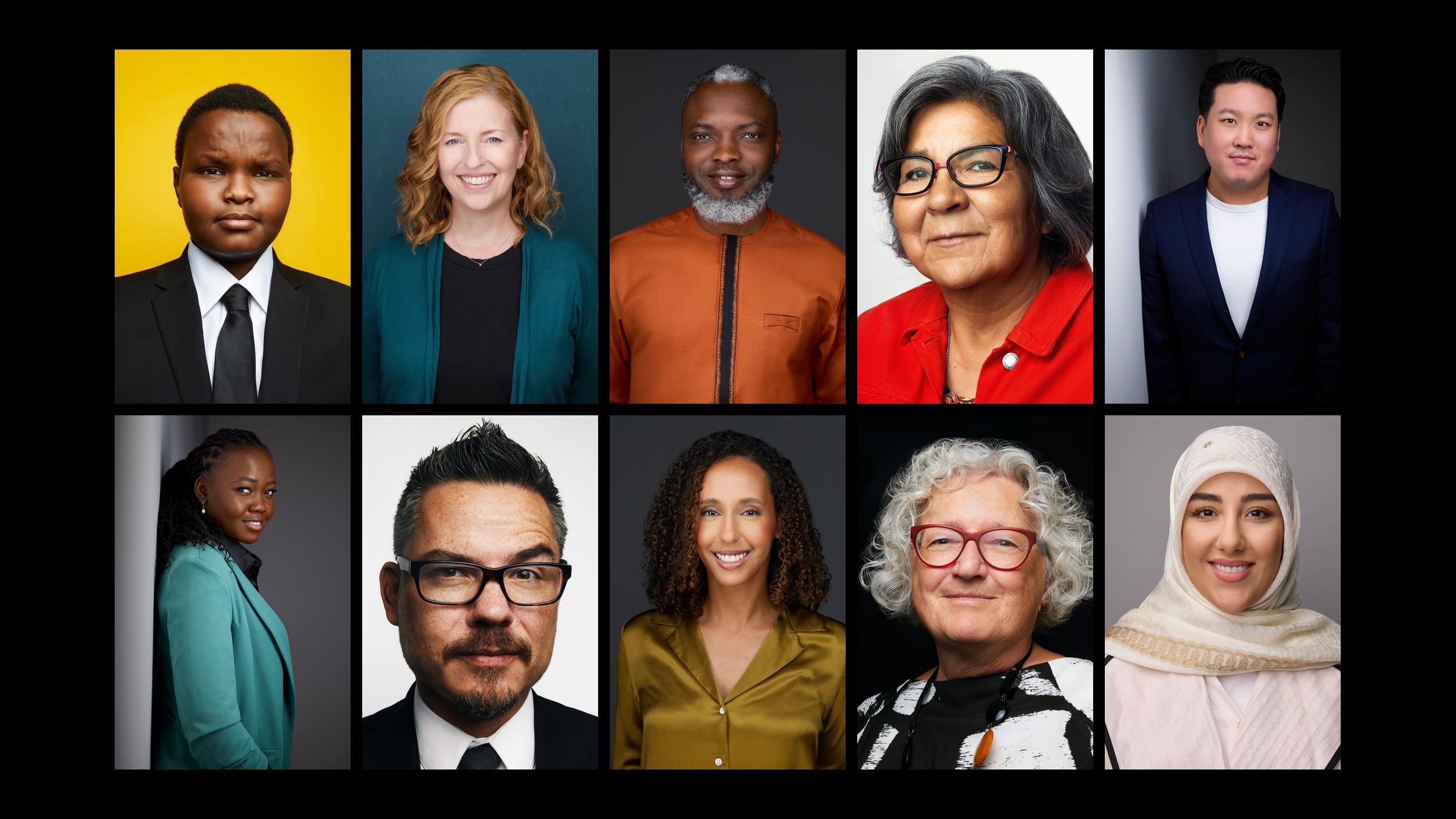
Start here
Your clothes show up with your face.
Why It Matters
Most people ask me what to wear before they ask anything else. It makes sense. Your clothes are the one part of the photo you get to plan ahead.
And they do matter, a little. People size up a face in about a tenth of a second, and that snap judgement barely changes when they get longer to look. Your clothes are in that first tenth of a second too. In a set of studies at Princeton, people rated the same faces as more competent when the clothes looked a bit more expensive. It held when they were told to ignore the clothes, and even when they were paid to get it right.
The good news is how small those differences were. They were so subtle that people describing the photos almost never mentioned the clothes. So what matters most is that your clothes suit your room, fit your body and work on camera. Here’s what the research says, and where it runs out.
Dress for Your Room
The best outfit is whatever you’d wear in the room where you’re taken seriously, and that room is different for everyone. When researchers asked over 4,000 American patients what their doctors should wear, formal clothes with a white coat came out on top. But for surgeons and emergency doctors, patients preferred scrubs. The right clothes were the ones that fit the job.
So think about who’ll see your photo. A lawyer, a startup founder, a real estate agent and an actor all walk into different rooms. If you’re an actor, skip anything that looks like a costume for a role, so the photo looks like you. And if your headshot is part of a team shoot, check the dress code with your point person or HR first.


Ties
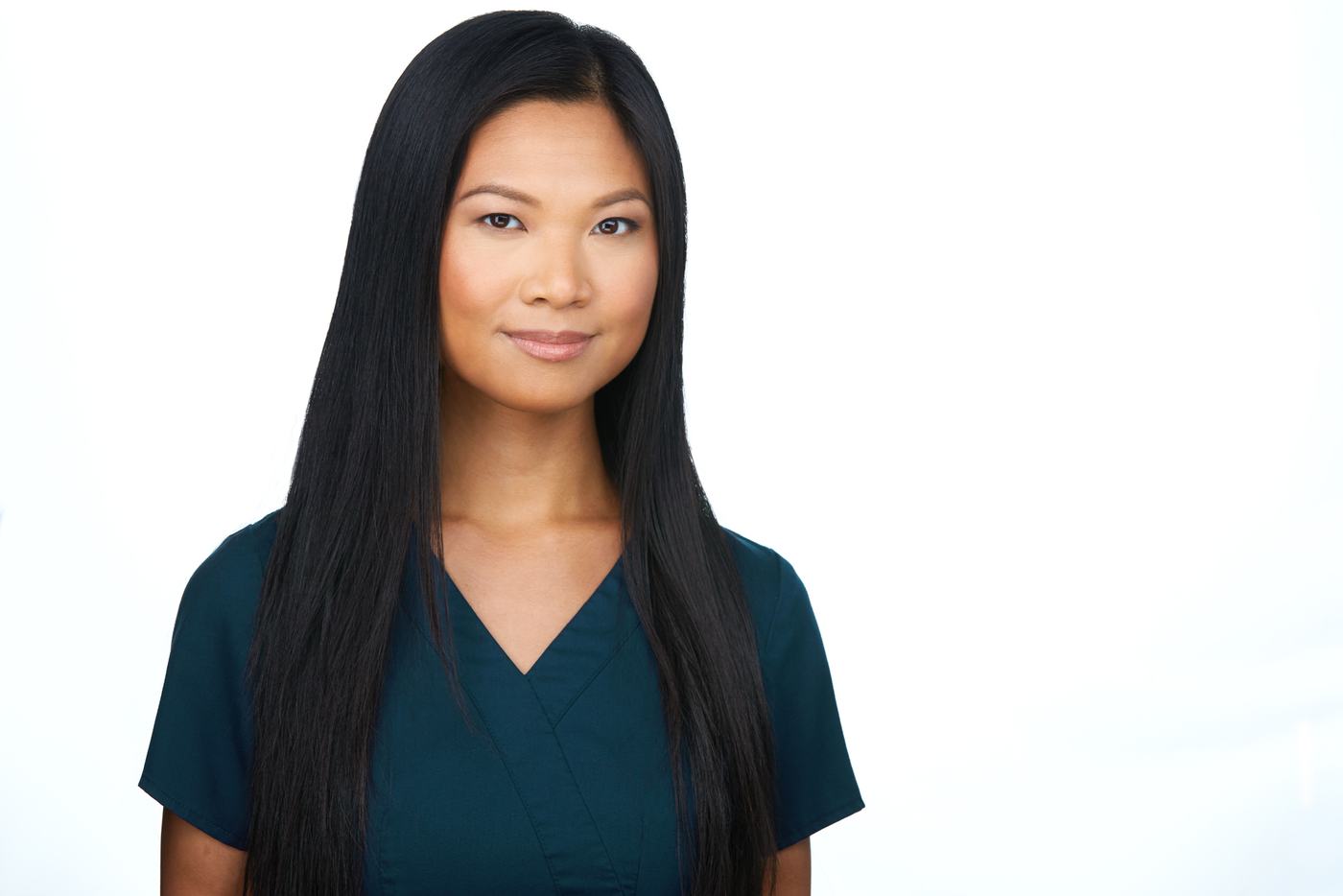
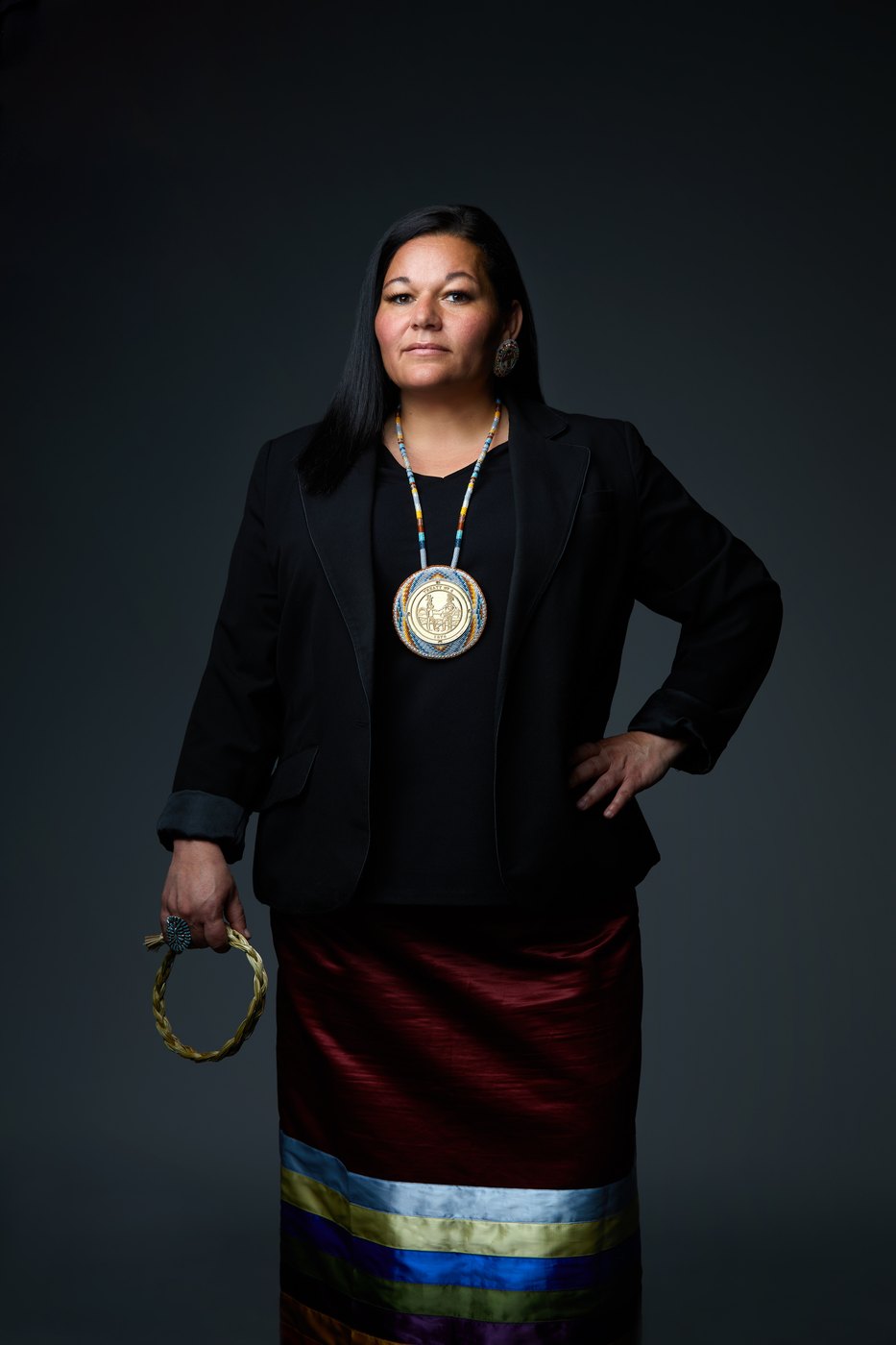
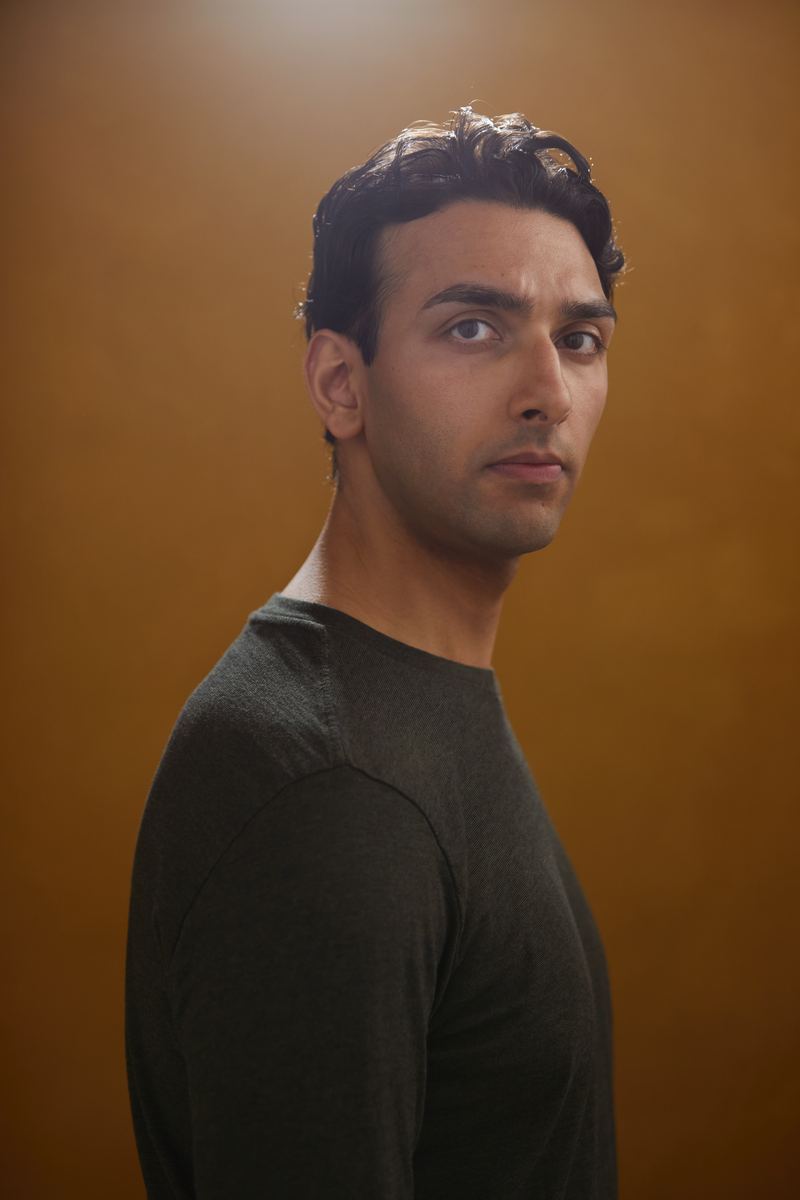
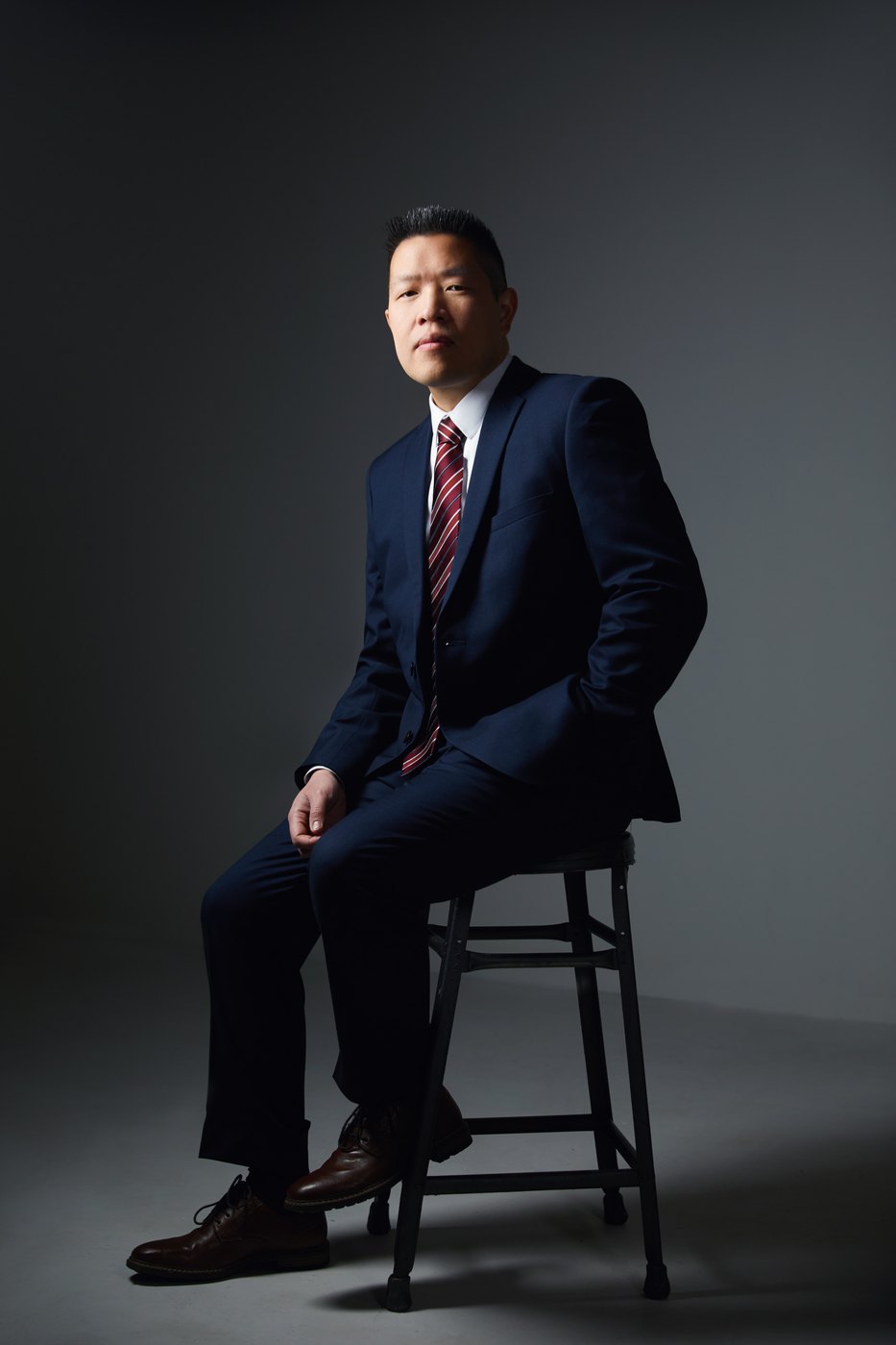
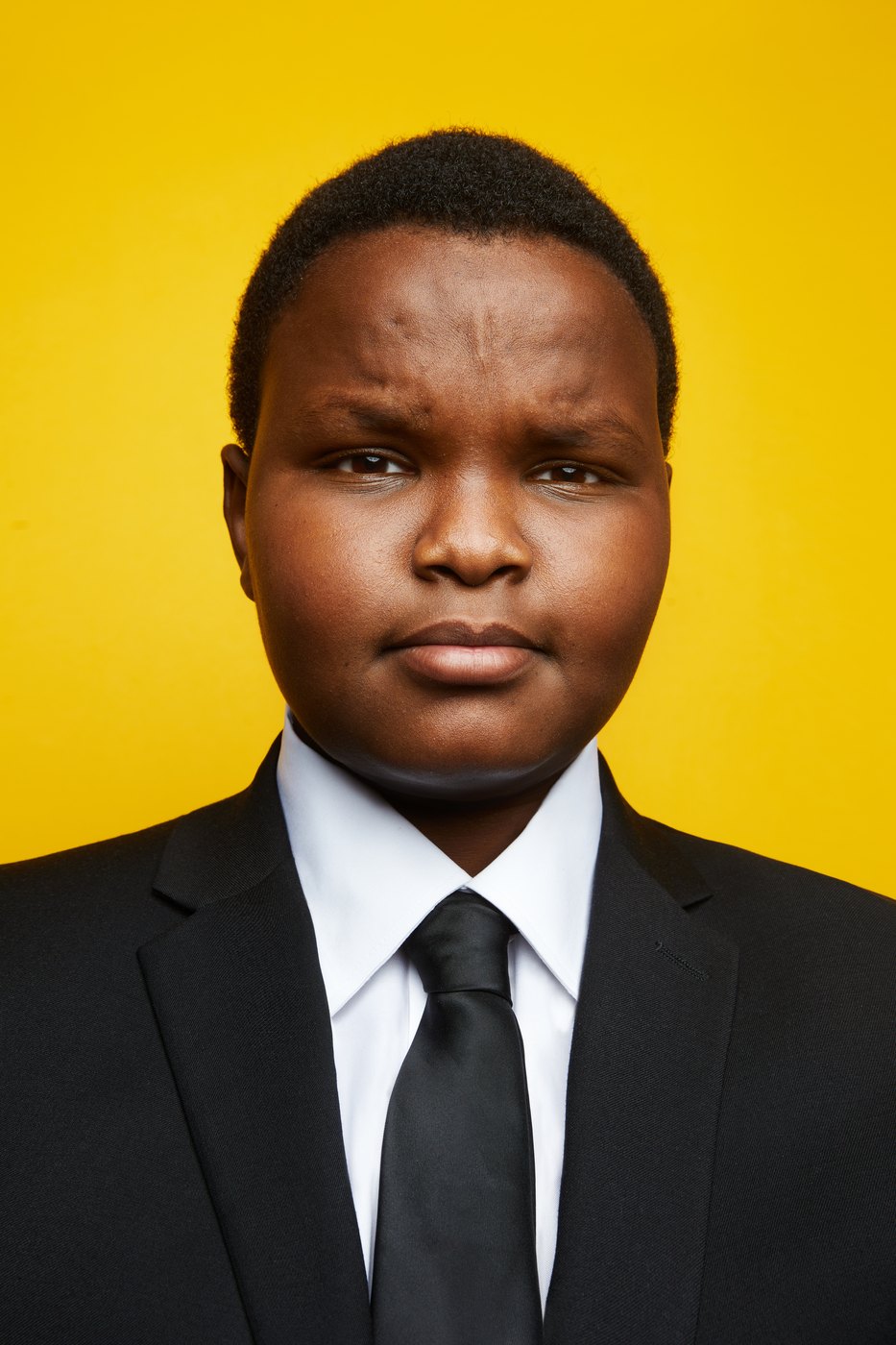
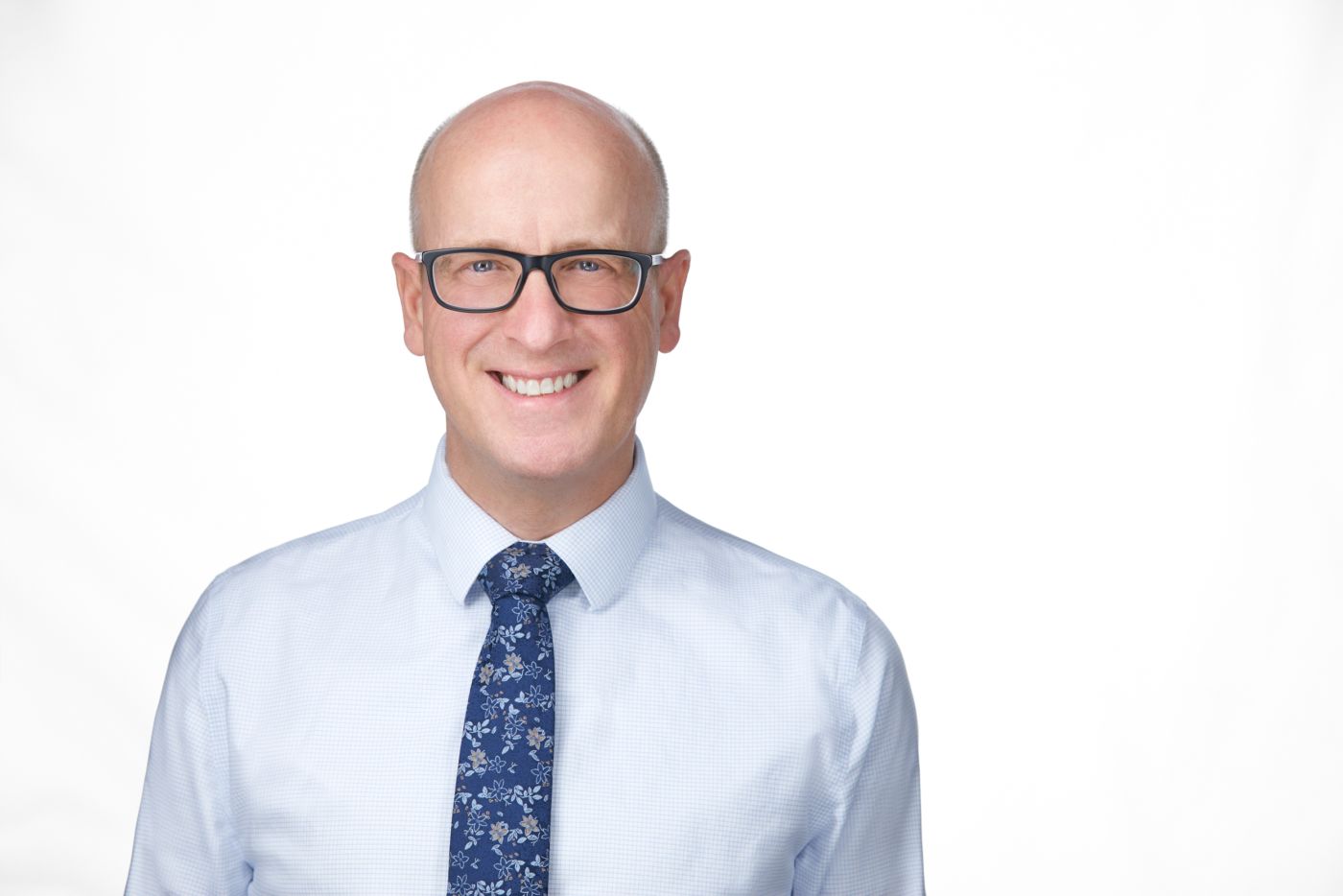
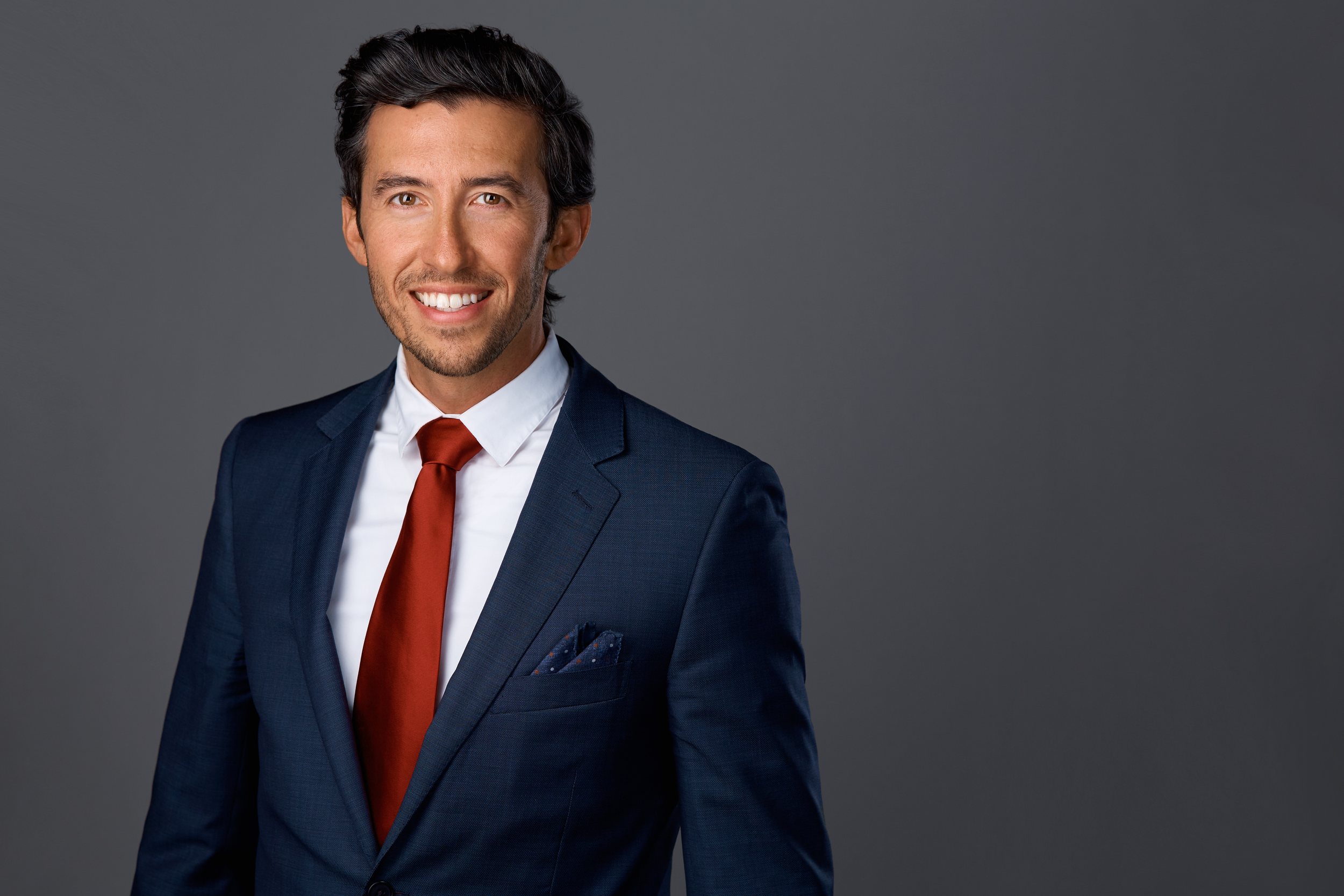
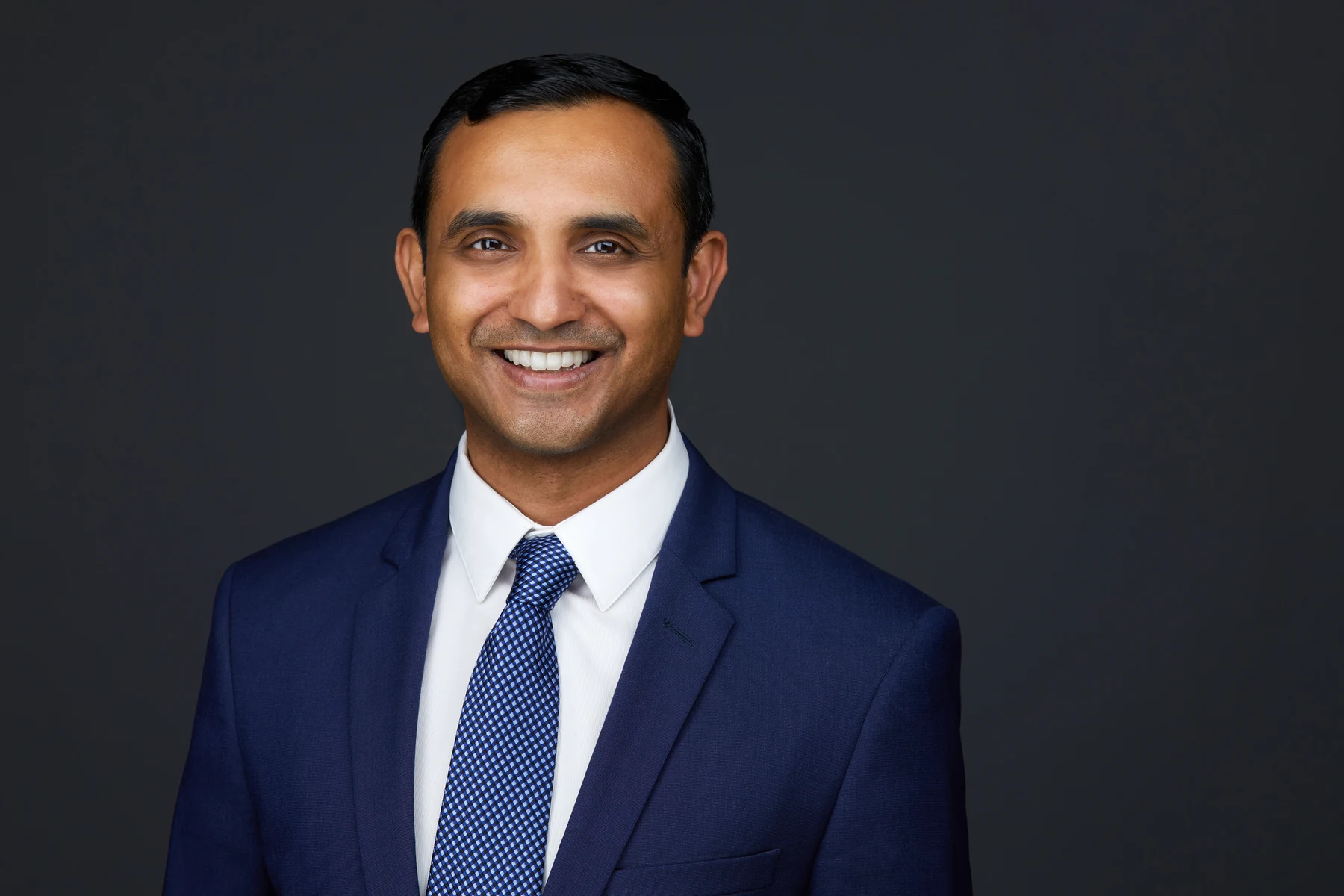
Fewer people wear ties than ever. Even before the pandemic, only 6% of American men wore one to work every day, and by 2023 just 3% of workers wore a suit most days. So a tie says more than it used to. In one study, the same man looked more competent in a tie, and a little less warm. In another, people looking at a video call were far more likely to pick the person in a suit as the leader, especially when they were the only one dressed up. But when founders pitched investors, the casually dressed ones came across as more genuine. So dress for your room. If a tie is part of how you show up for work, bring it. I always shoot it both ways, and it’s worth asking your photographer to do the same, unless your company’s dress code calls for one.

Fit Beats Price
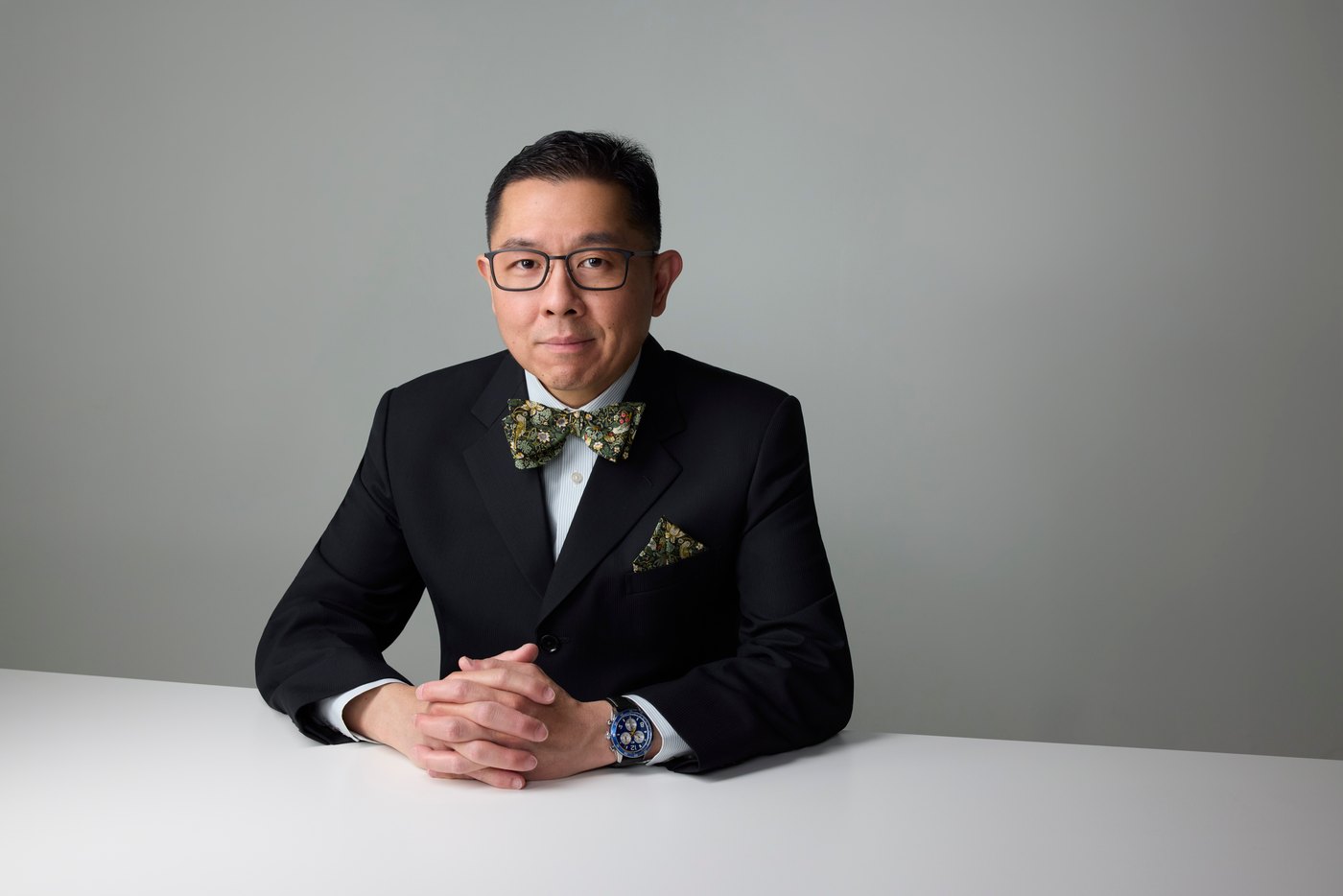
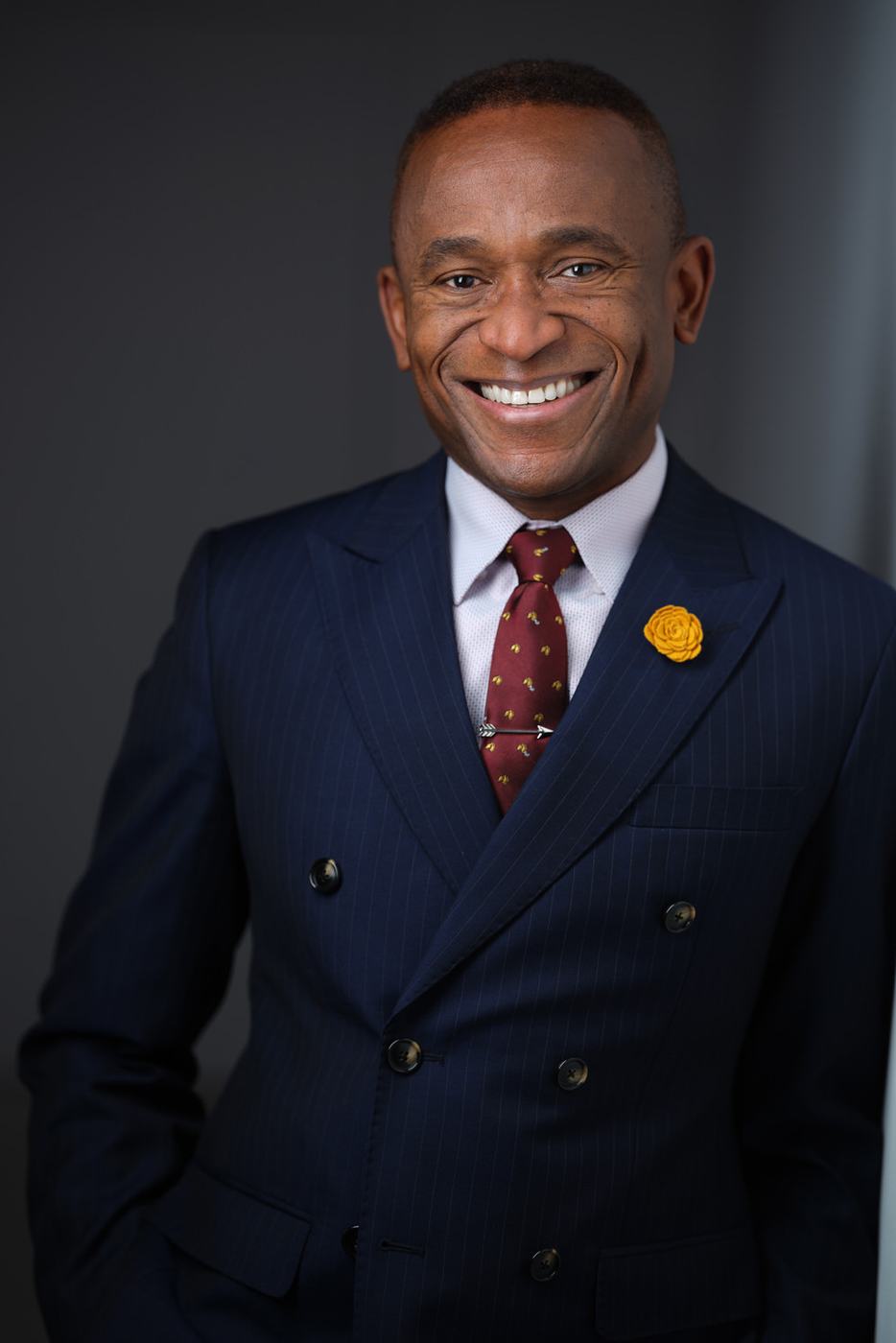
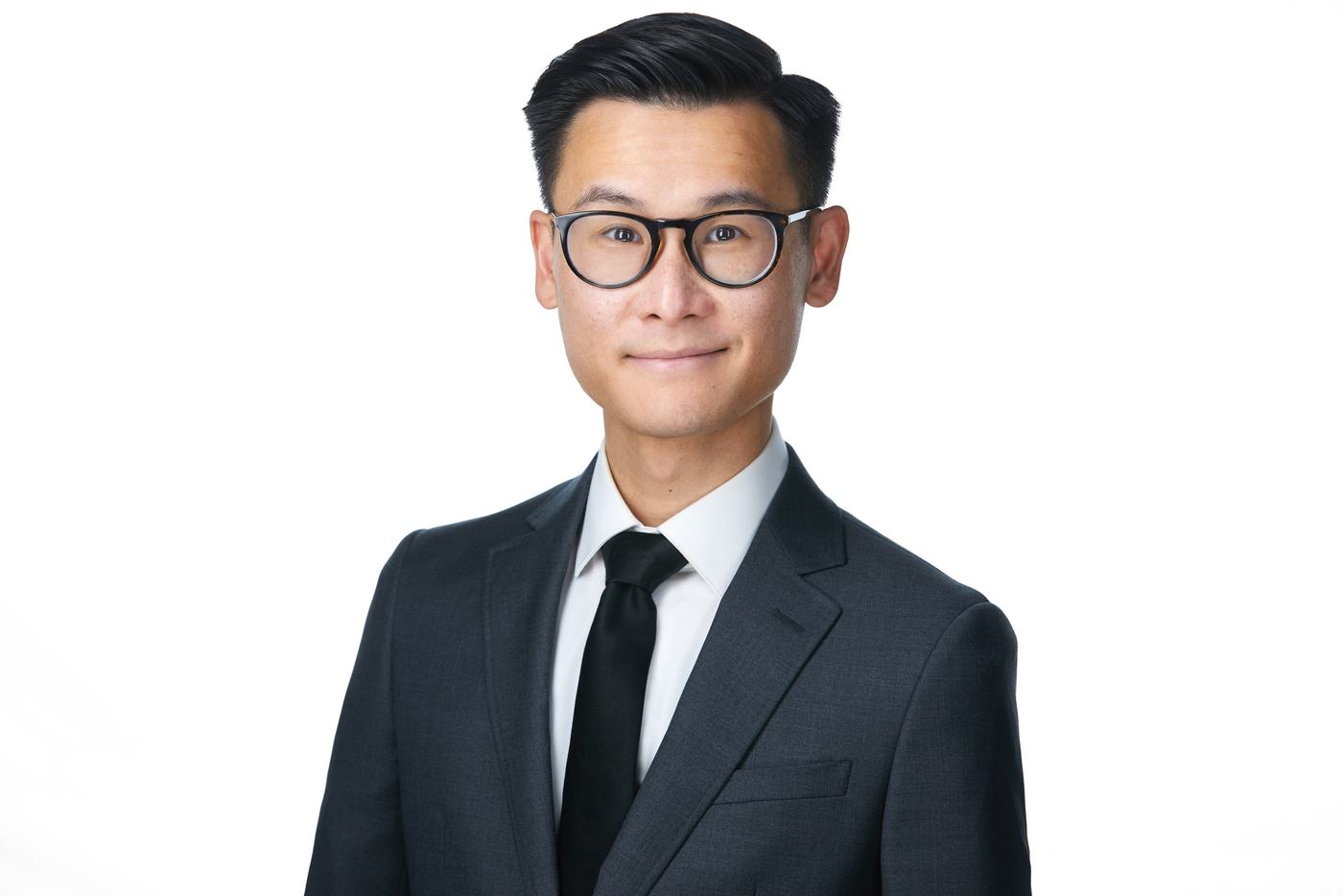
In one study, people saw the same man in two dark blue suits, one made to measure and one off the rack, with his face hidden. In the one that fit, he looked more confident and like he earned more. Whatever you wear, it should fit you now and not be wrinkled, because the camera sees everything. For a chest-up headshot, a closer fit reads best. When the photo is framed wider, looser clothes can work too.
Not Sure What to Wear? Bring a Jacket
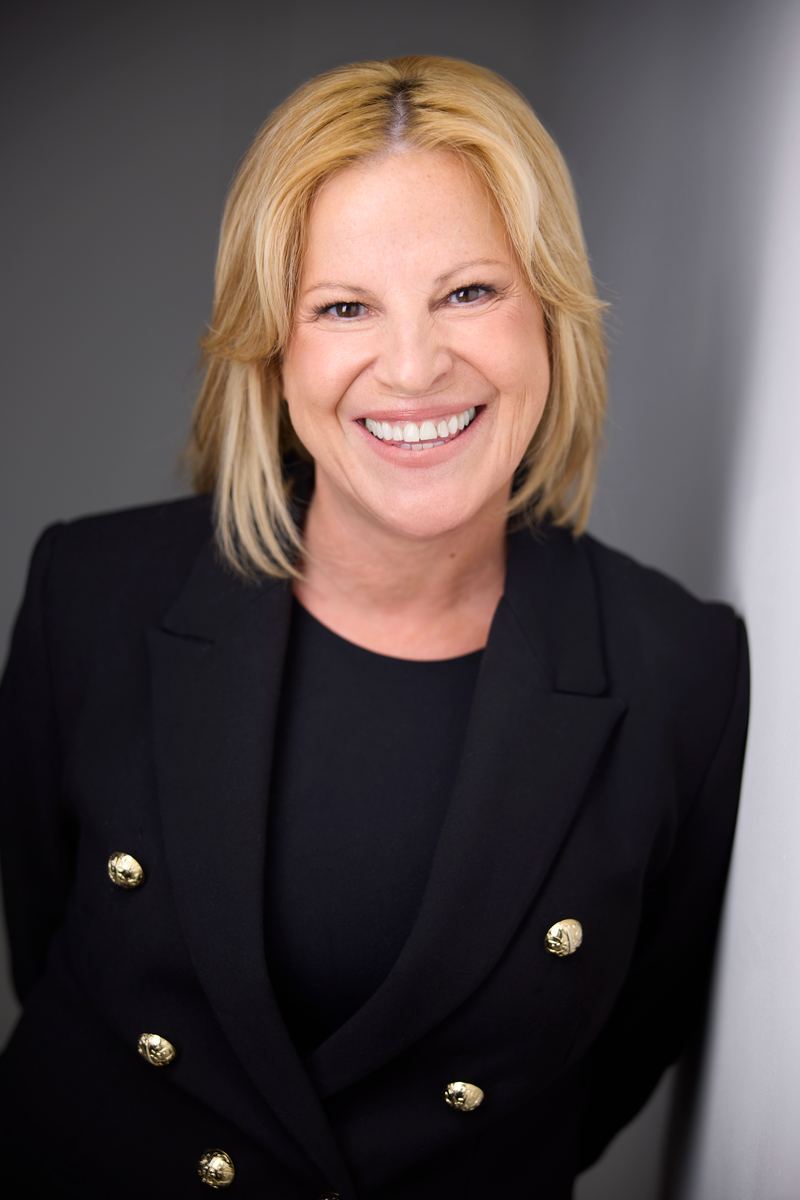
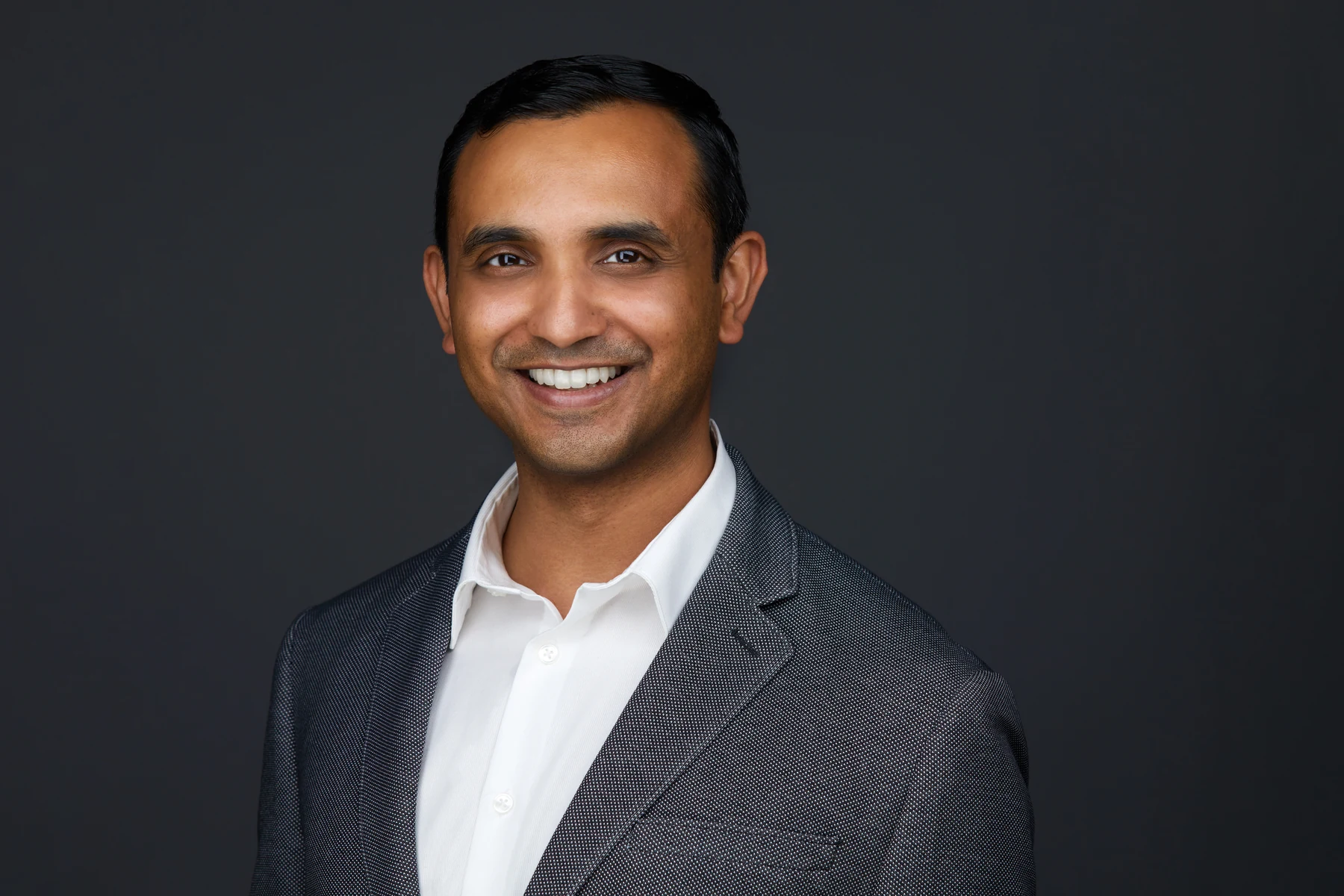
A blazer over a simple top gives a clean line. In a study of over 1,300 students, the same instructor, man or woman, looked more competent in a navy jacket than in a hoodie, and a little less warm. It’s the same trade as the tie, and it mattered less in casual fields. So bring it, and try it both ways.



Colour and pattern
Stand apart from your skin.
Contrast With Your Skin
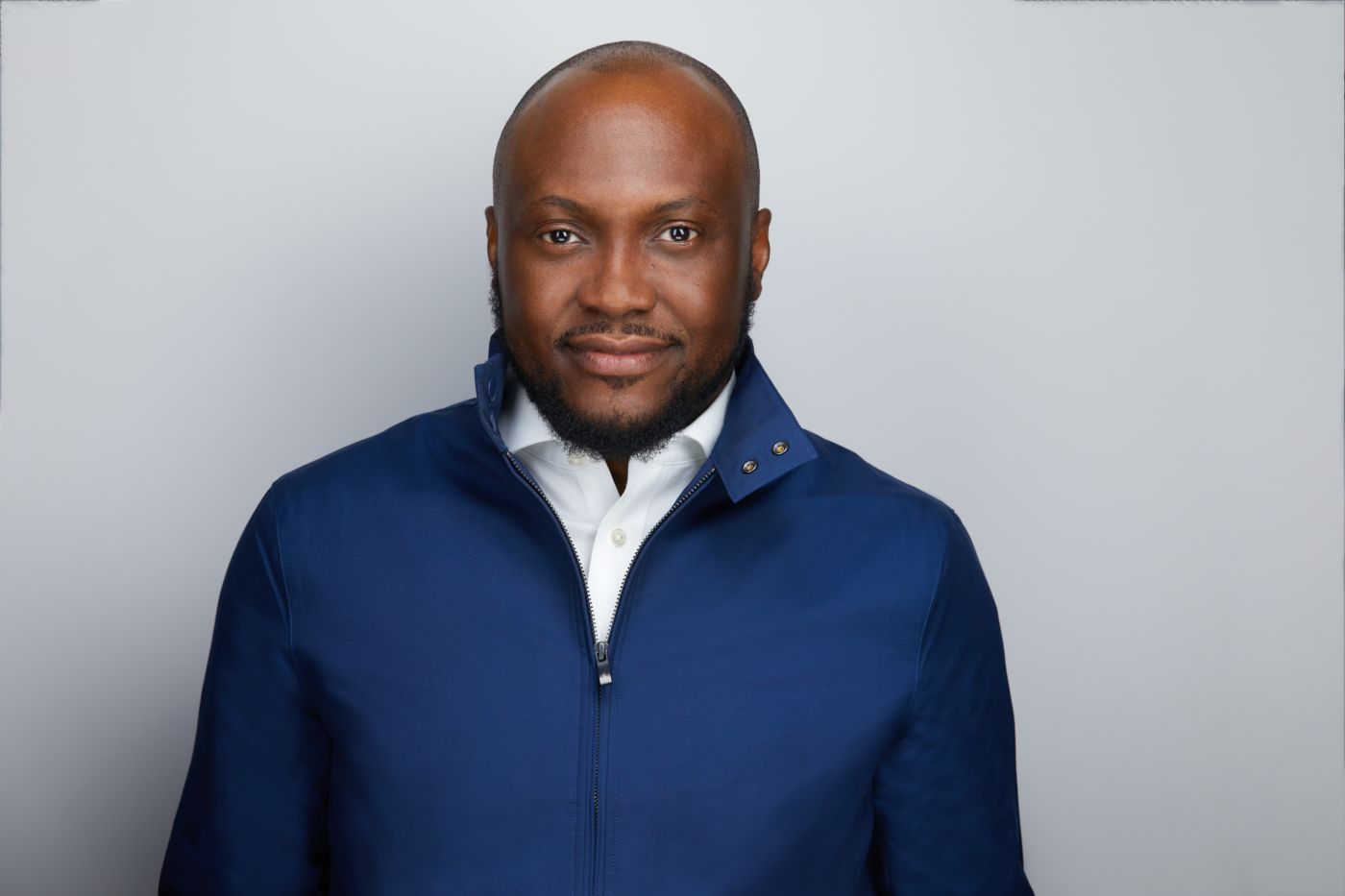
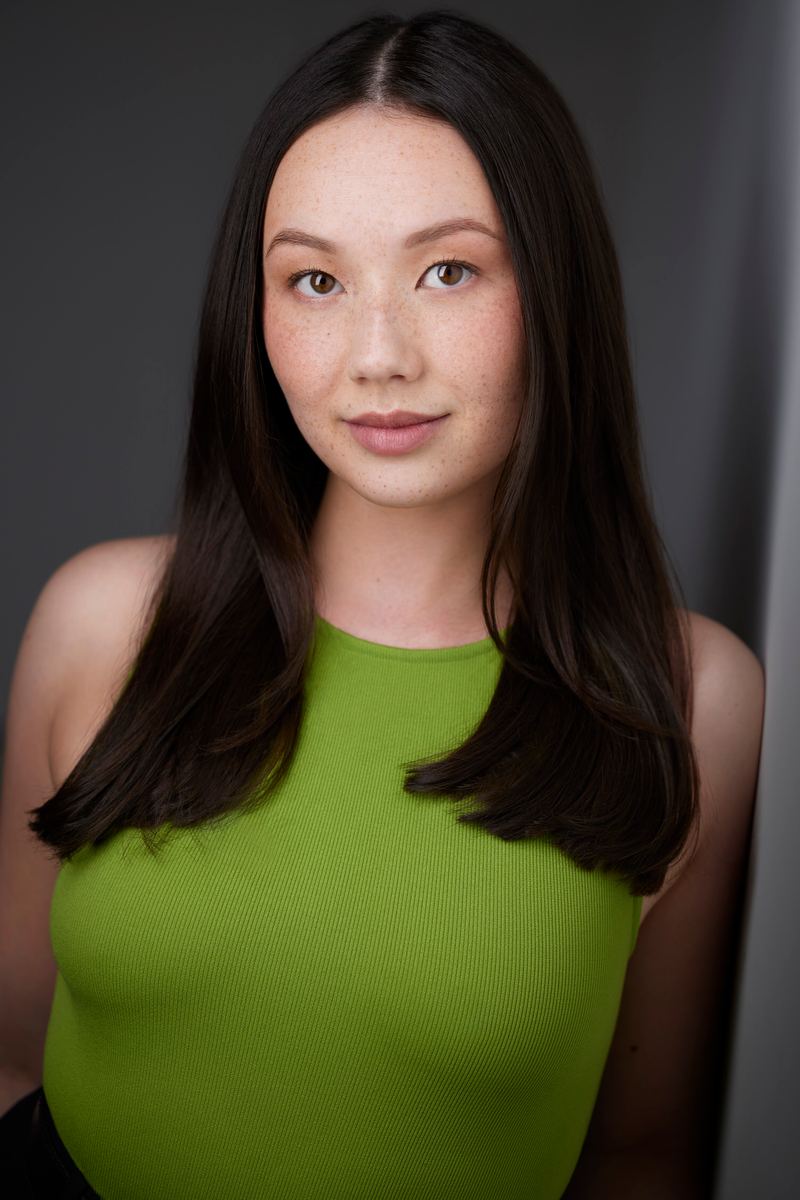
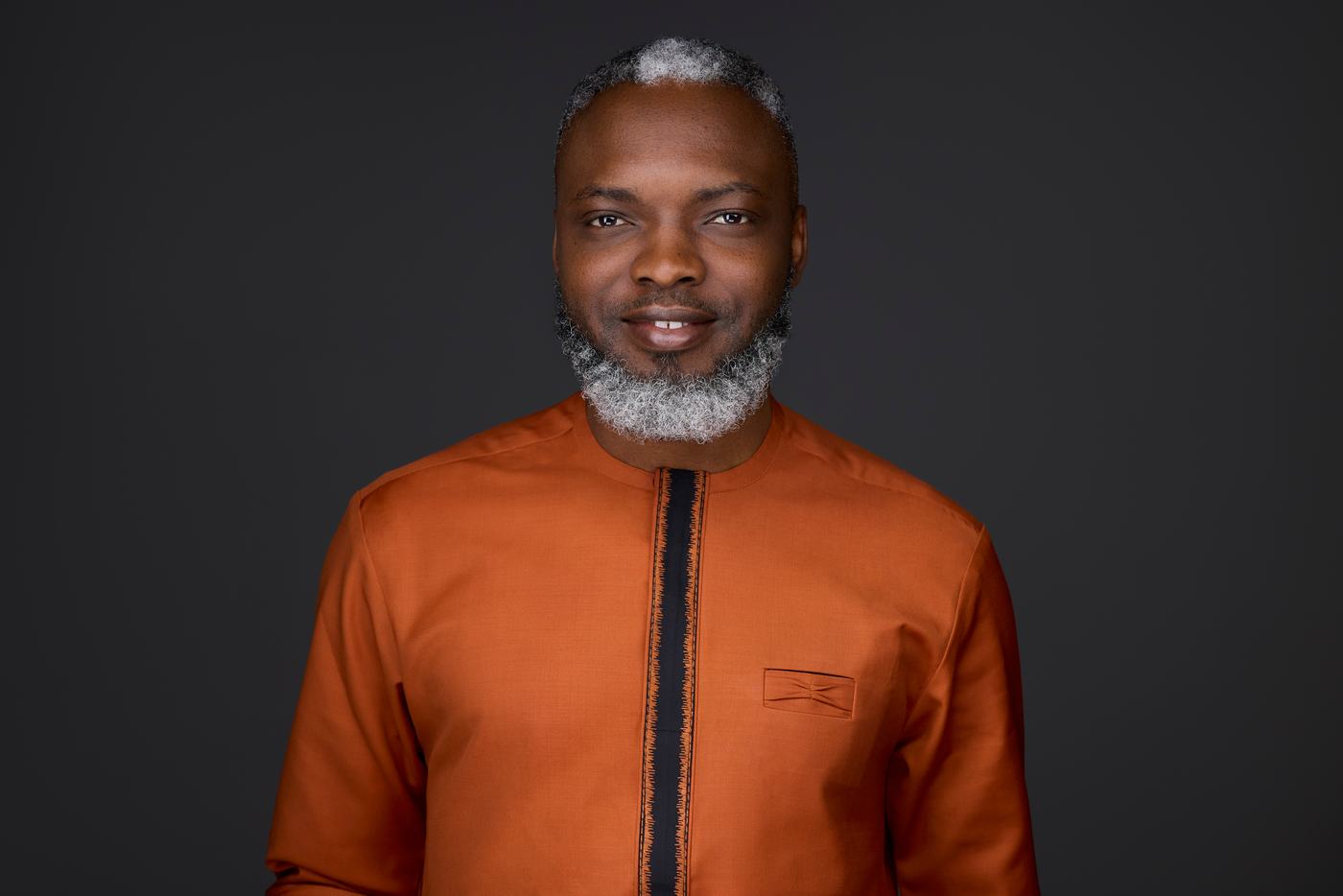
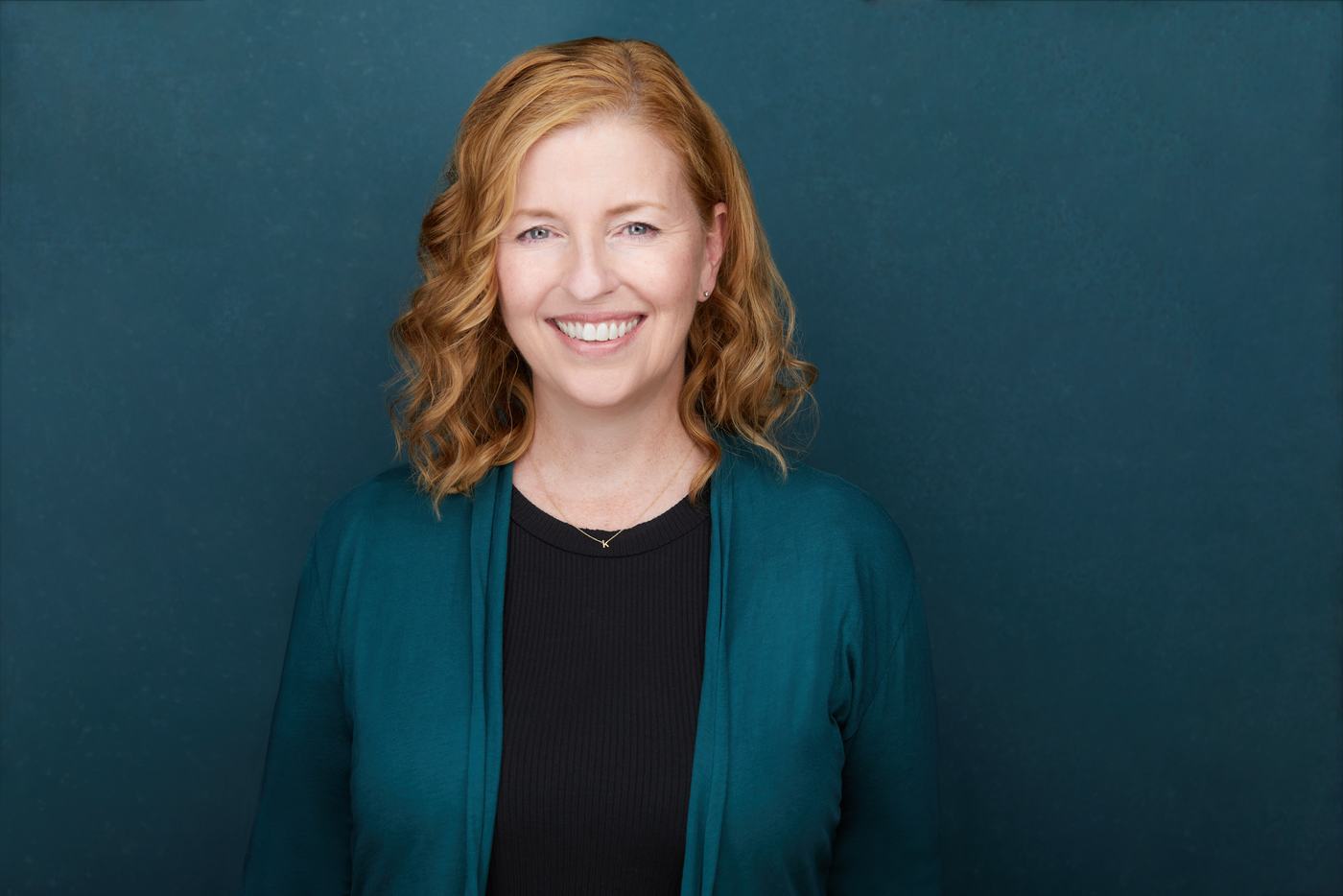
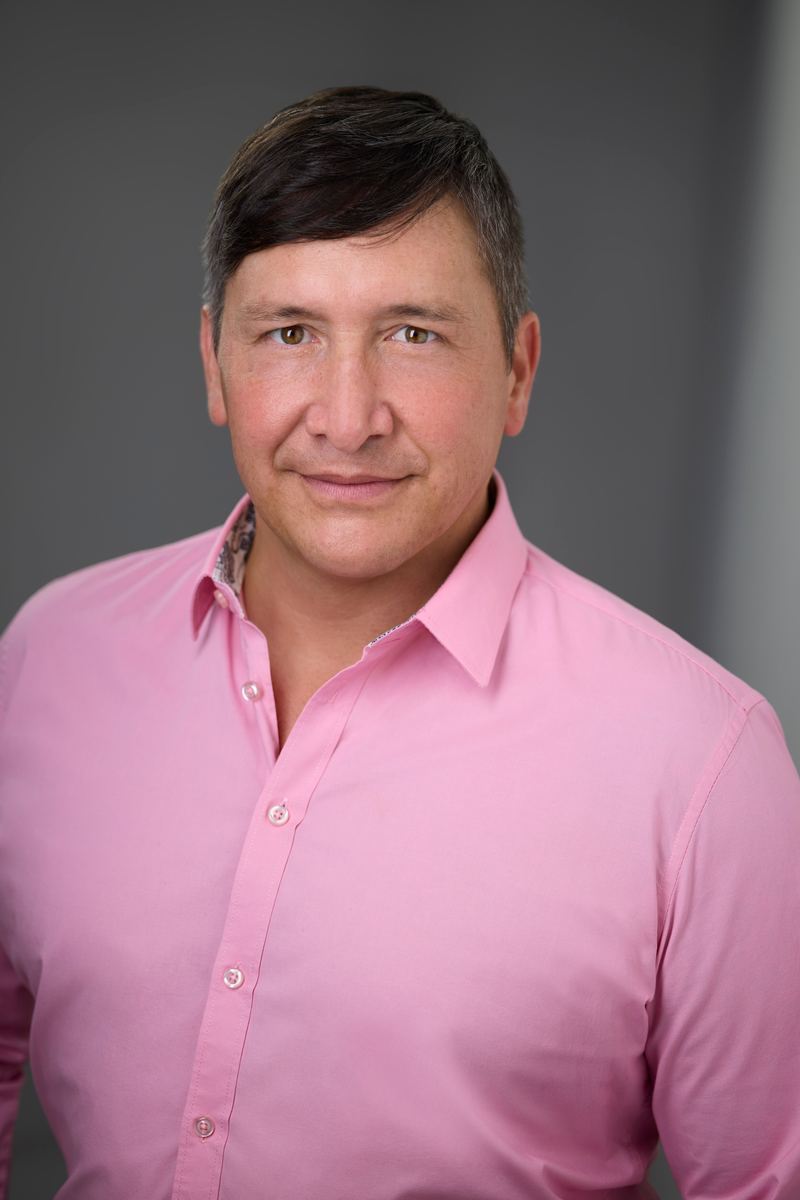
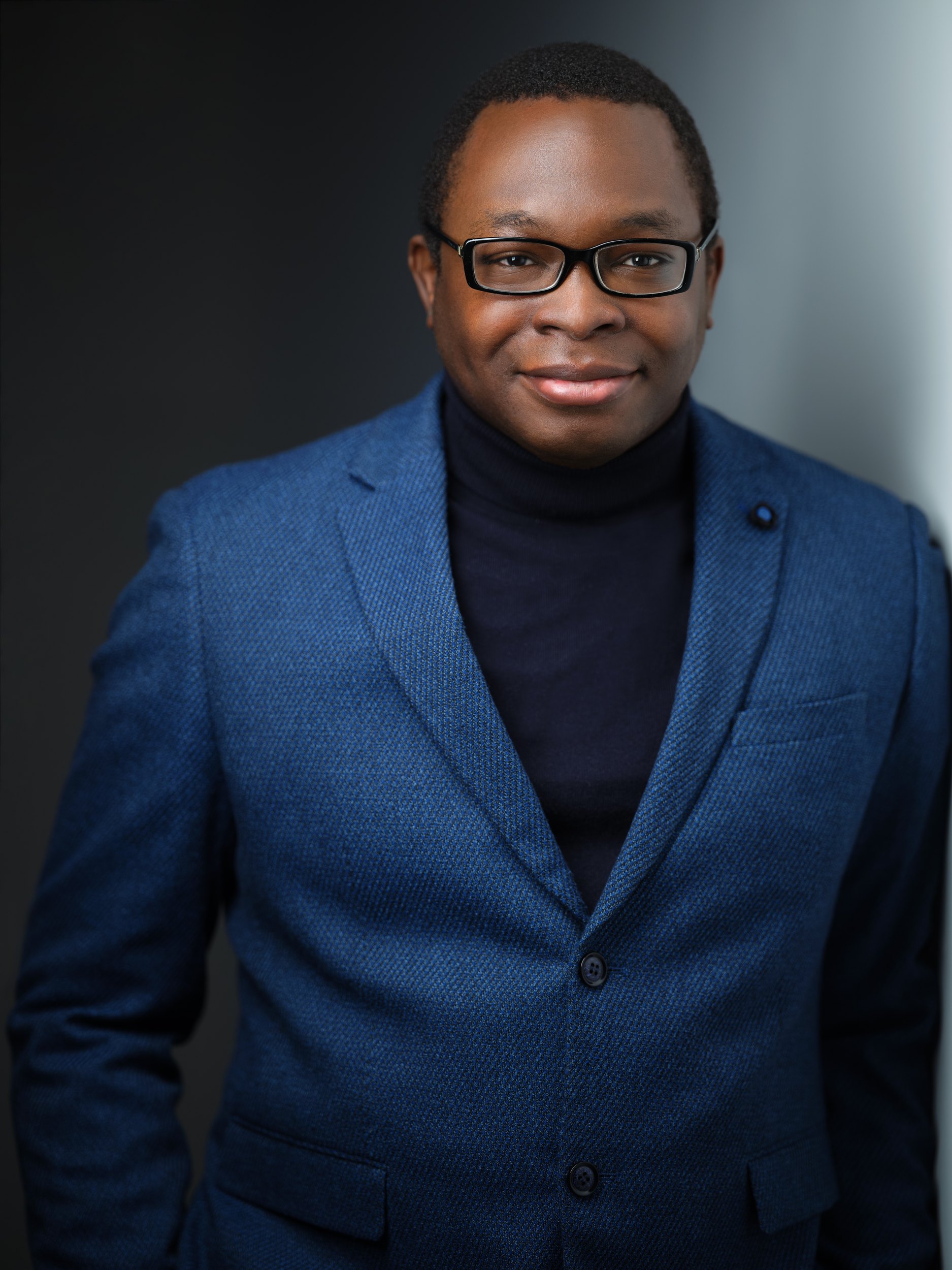
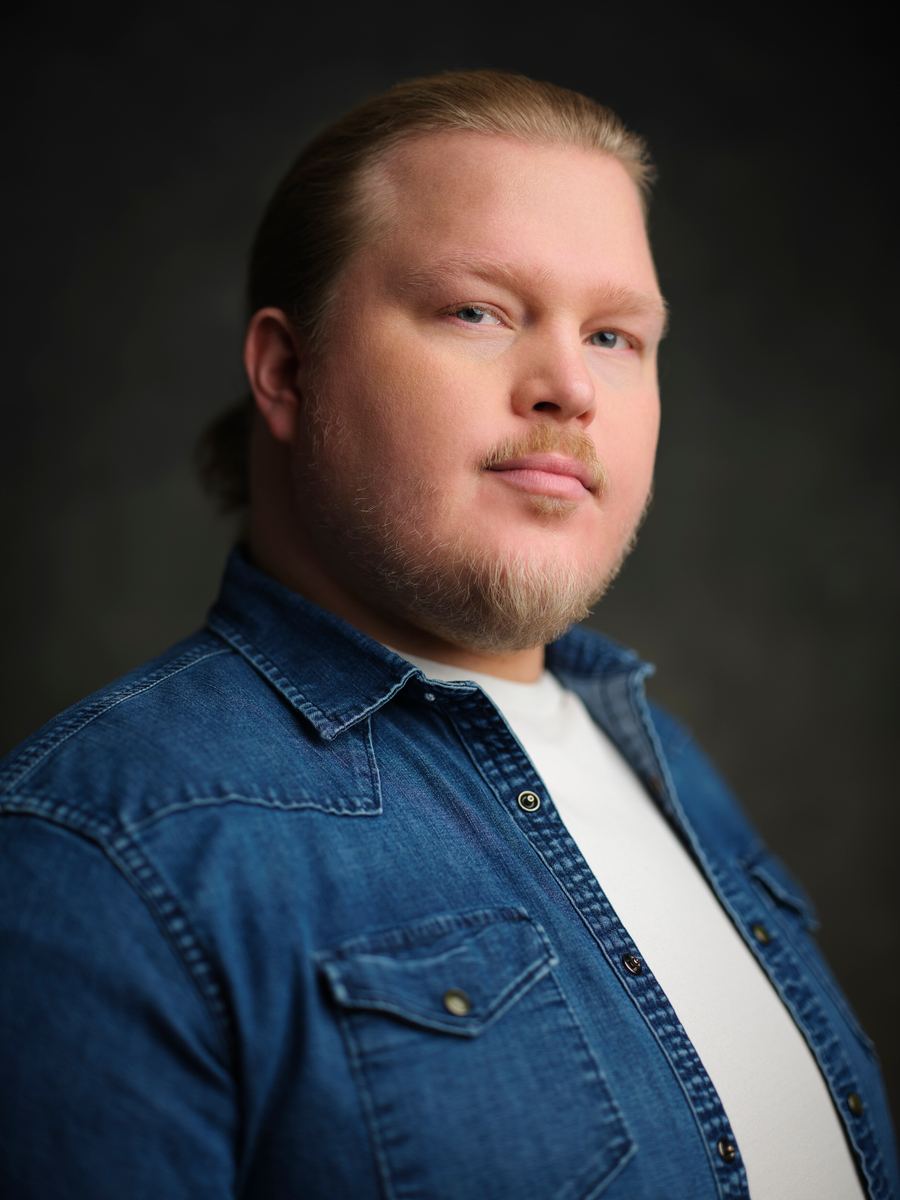
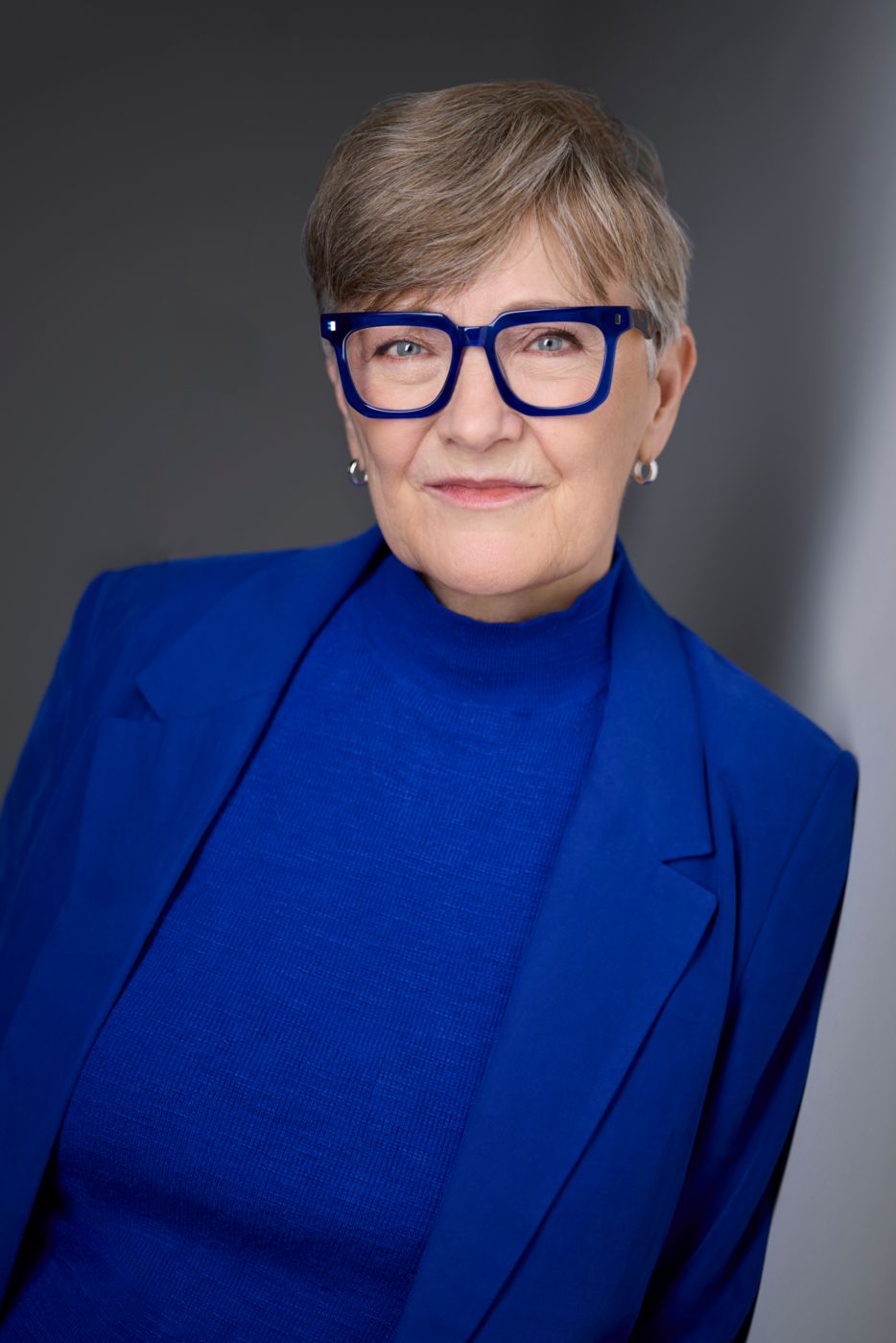
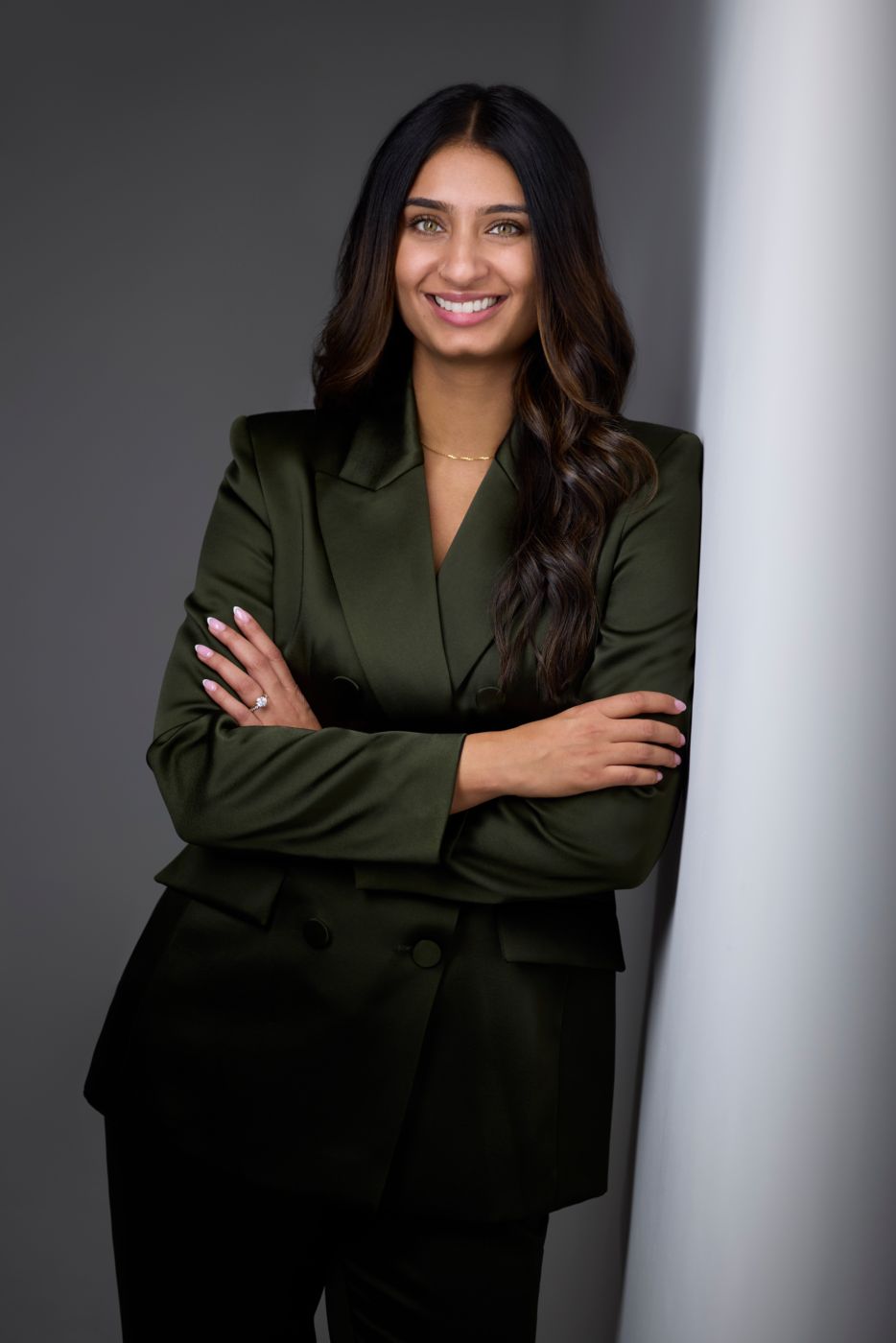
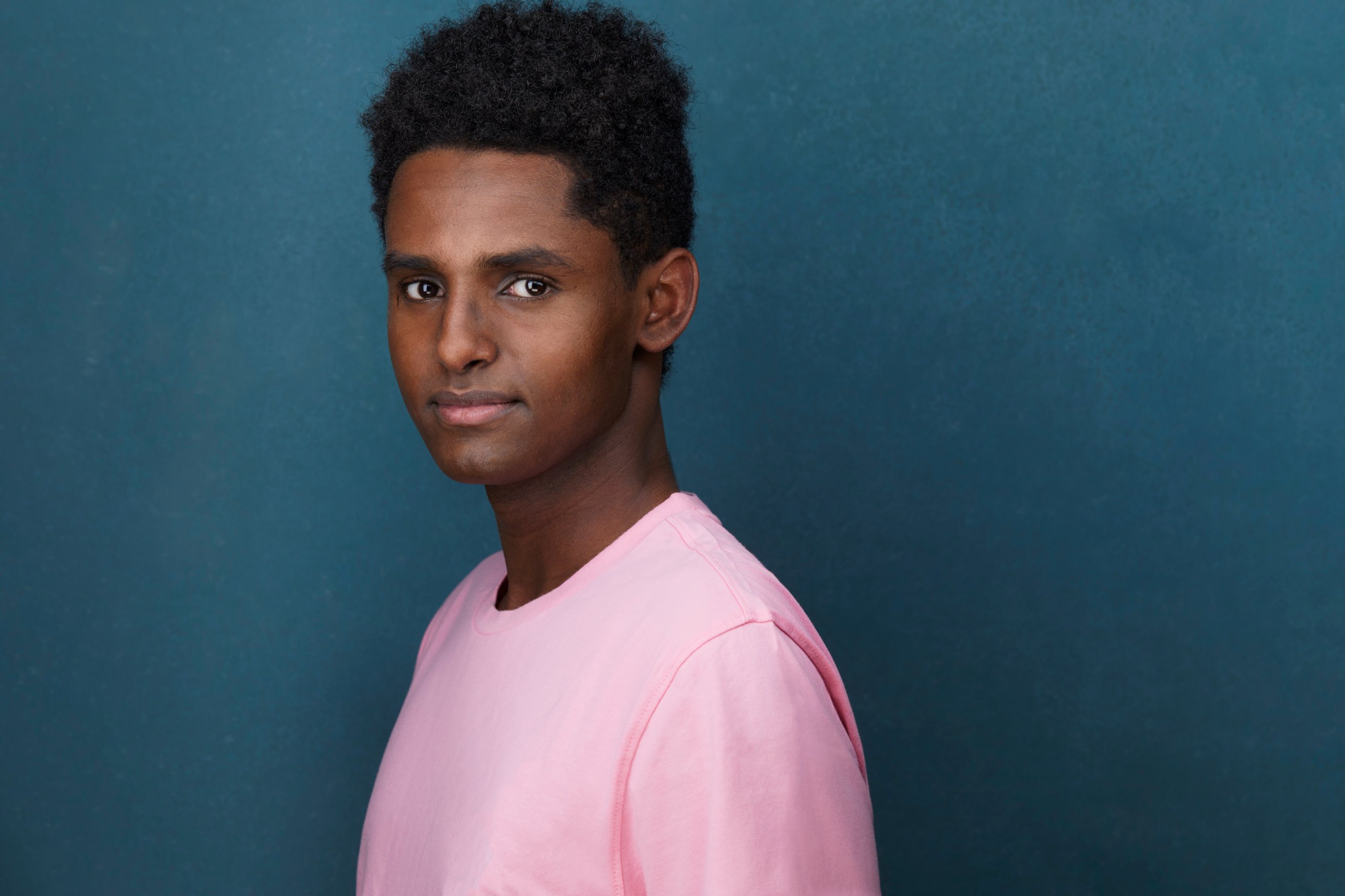
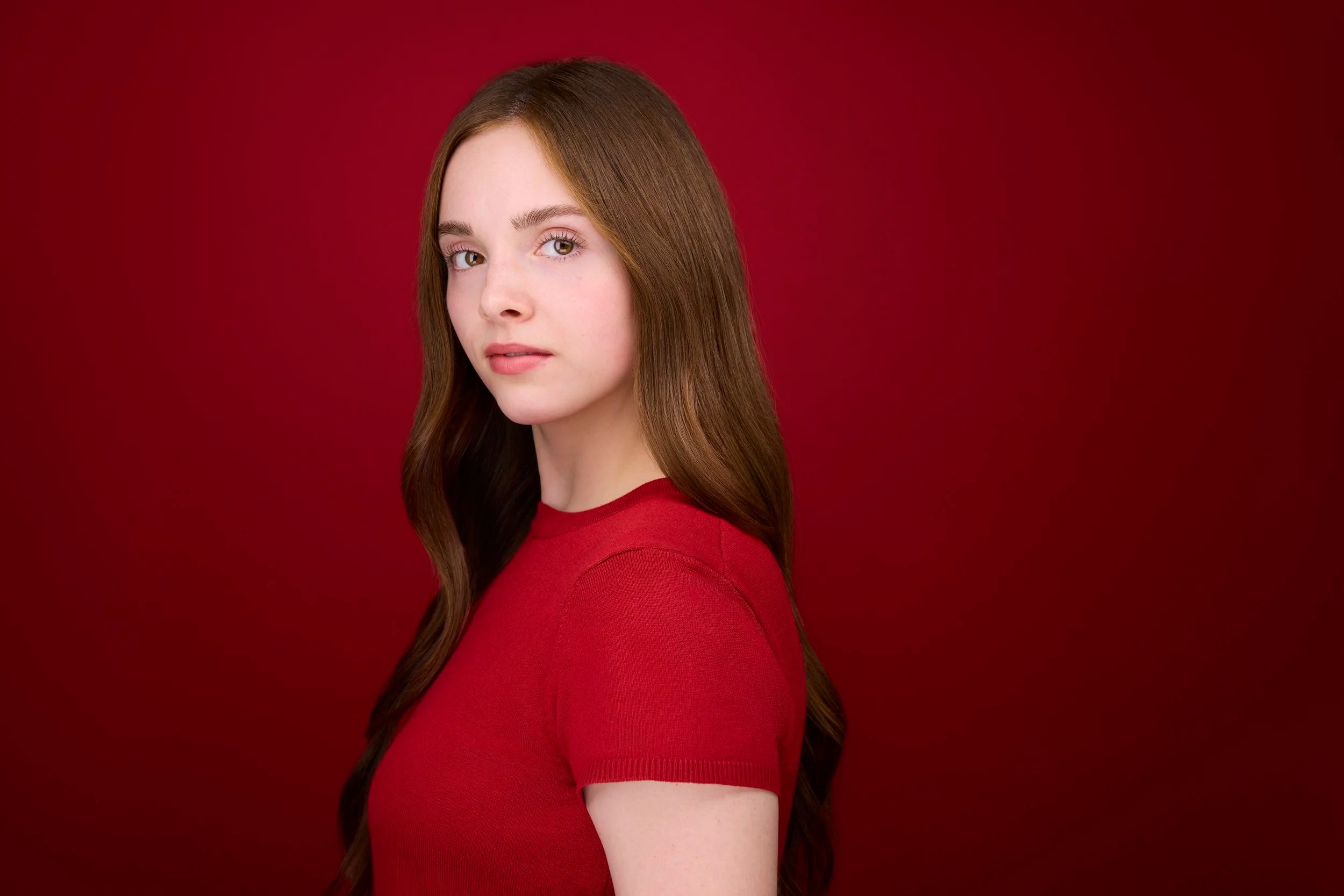
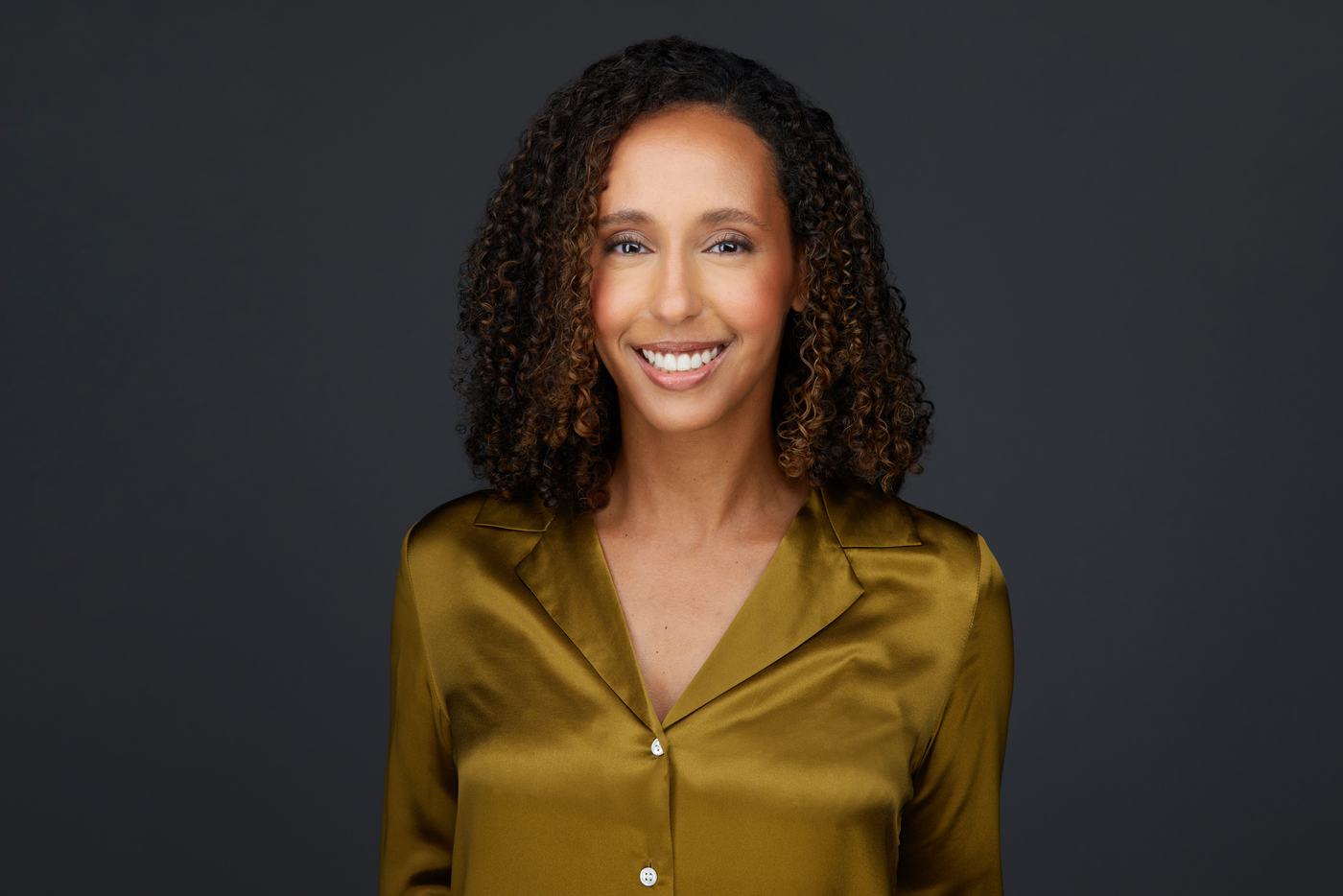
Pick a colour that stands apart from your skin. Whatever your skin tone, a colour close to it, in how light or deep it is and how warm it is, can blend in and wash you out. On fair skin, that might be pale yellow, pink or beige. On olive or golden skin, it might be khaki, camel or mustard. On deep brown skin, it might be chocolate or espresso. Anything with clear separation from your skin will work.
A note on the research: most studies of clothing colour have only used white faces, which is a real gap. The contrast idea comes from how our eyes see colour, so it should hold for everyone, but nobody has tested it on deeper skin yet.
Solid Colours
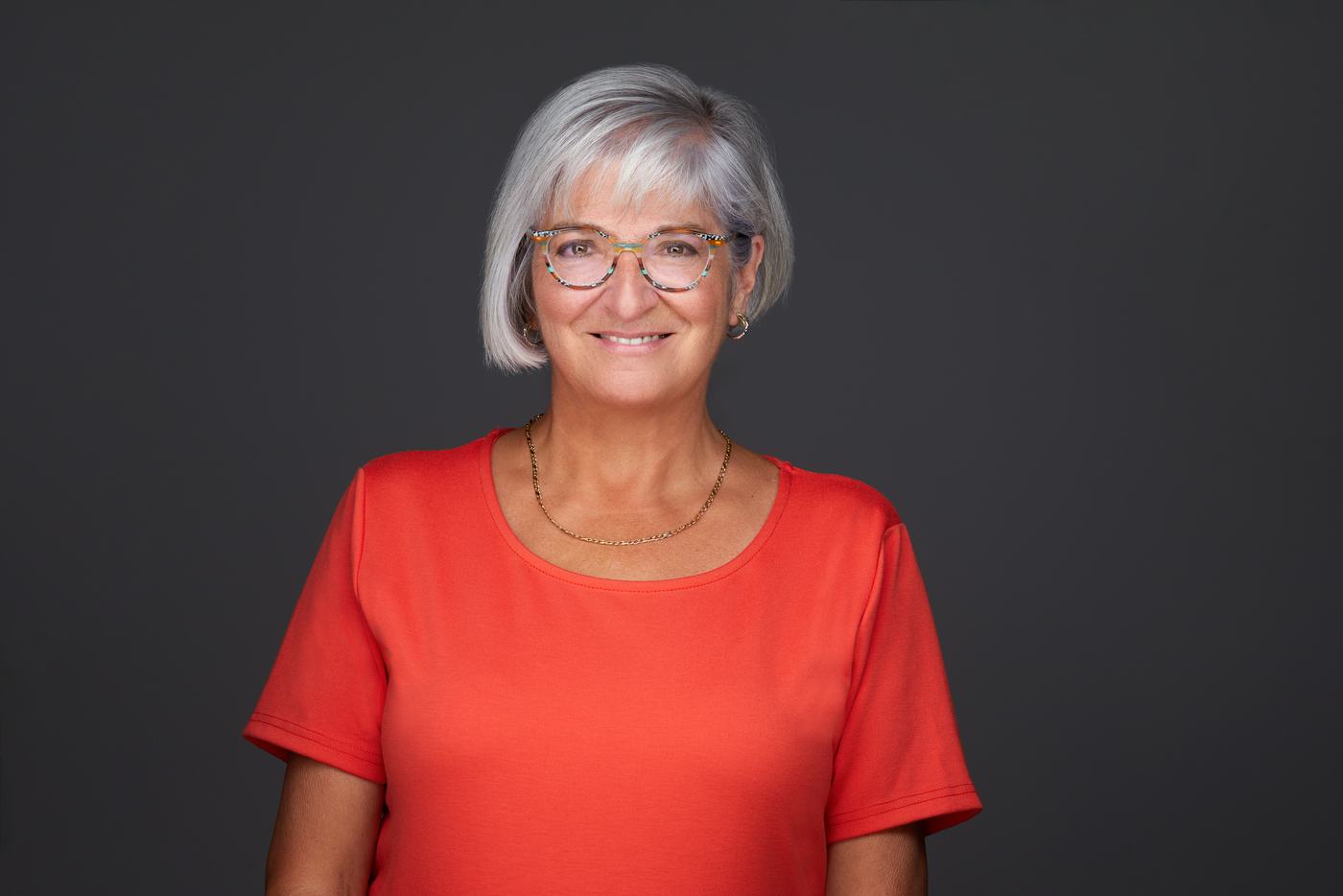
Solid colours are the easiest place to start. LinkedIn’s own photo tips say solid colours tend to do best on camera. Your photo often ends up as a small circle beside your name, and a solid colour keeps the attention on your face.

White, Black and Colour Cast
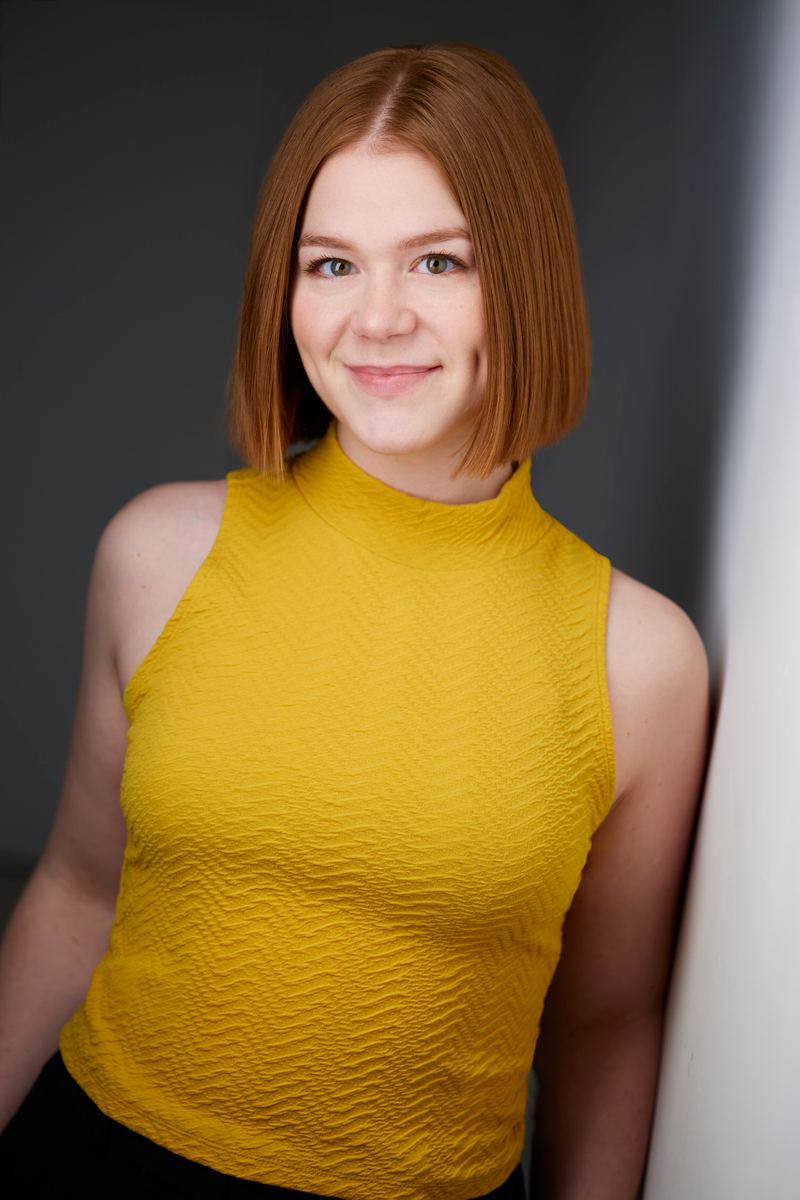
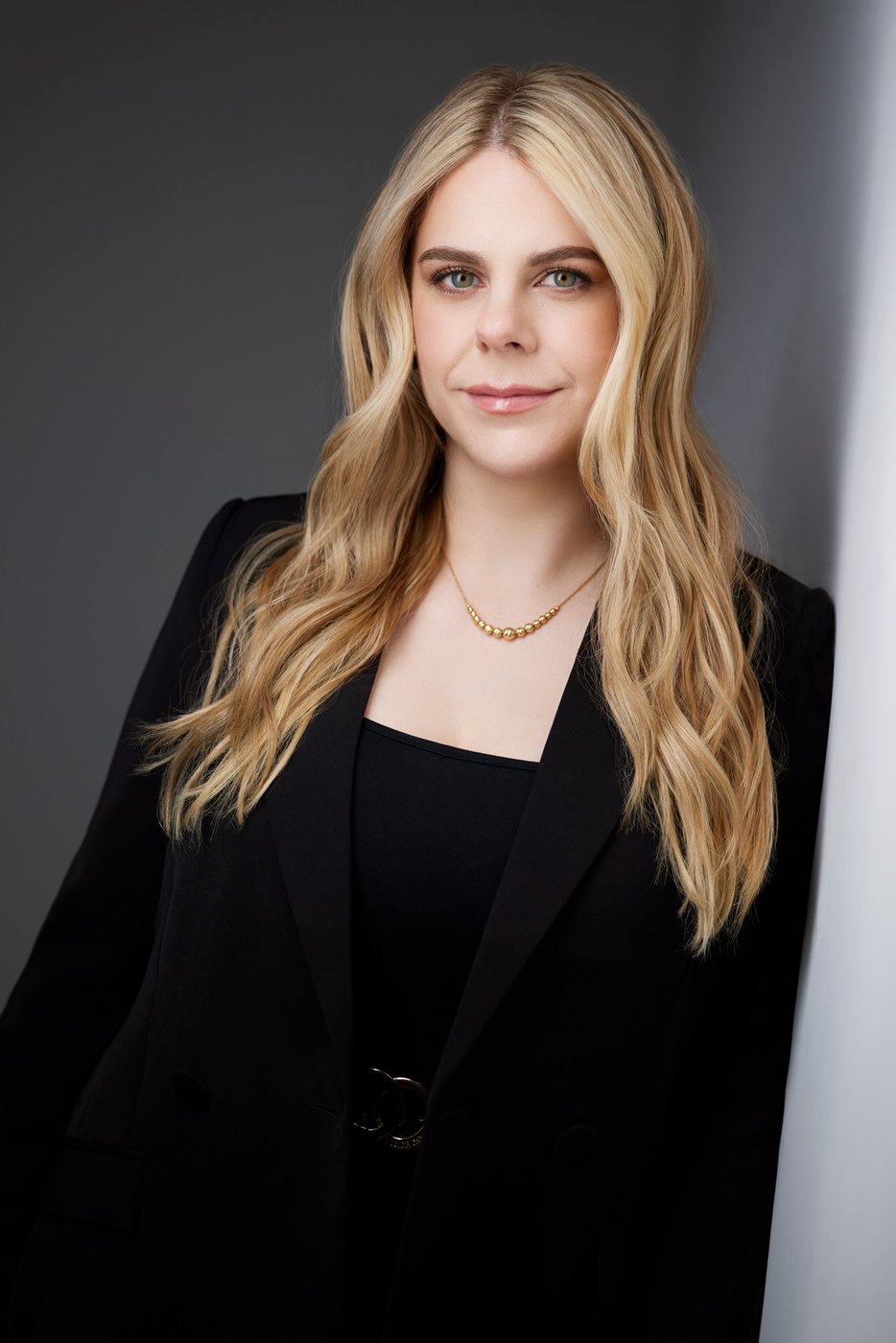
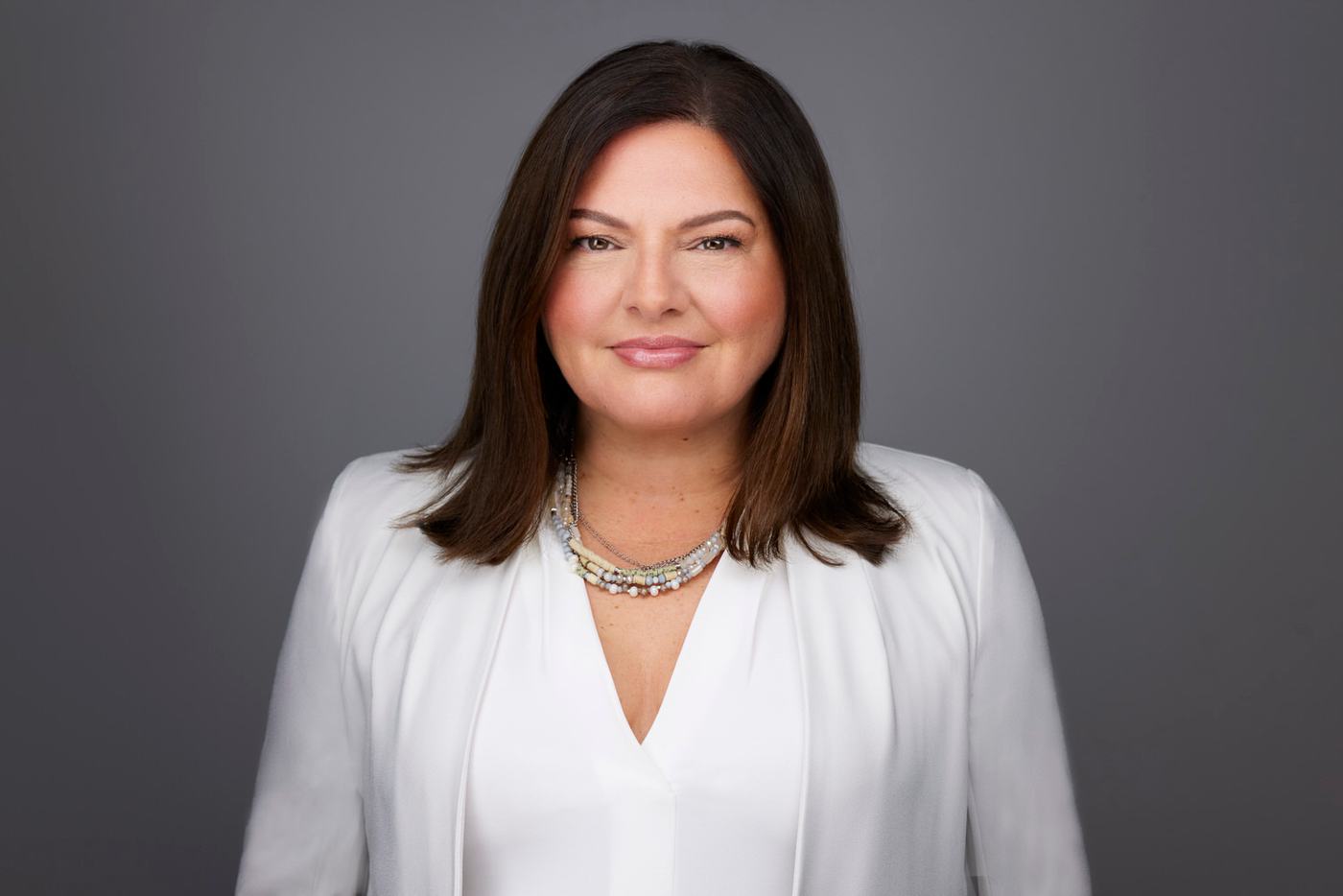
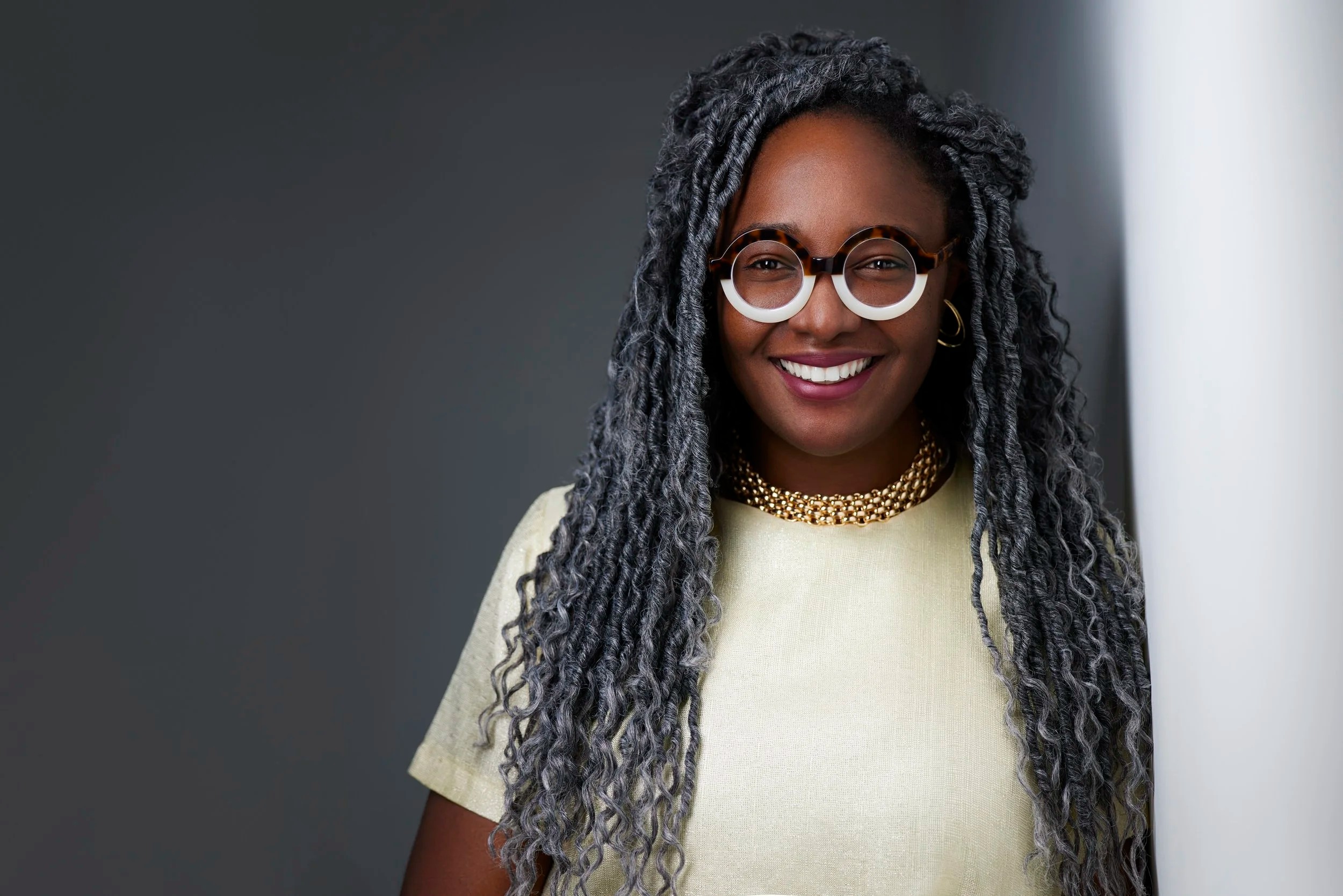
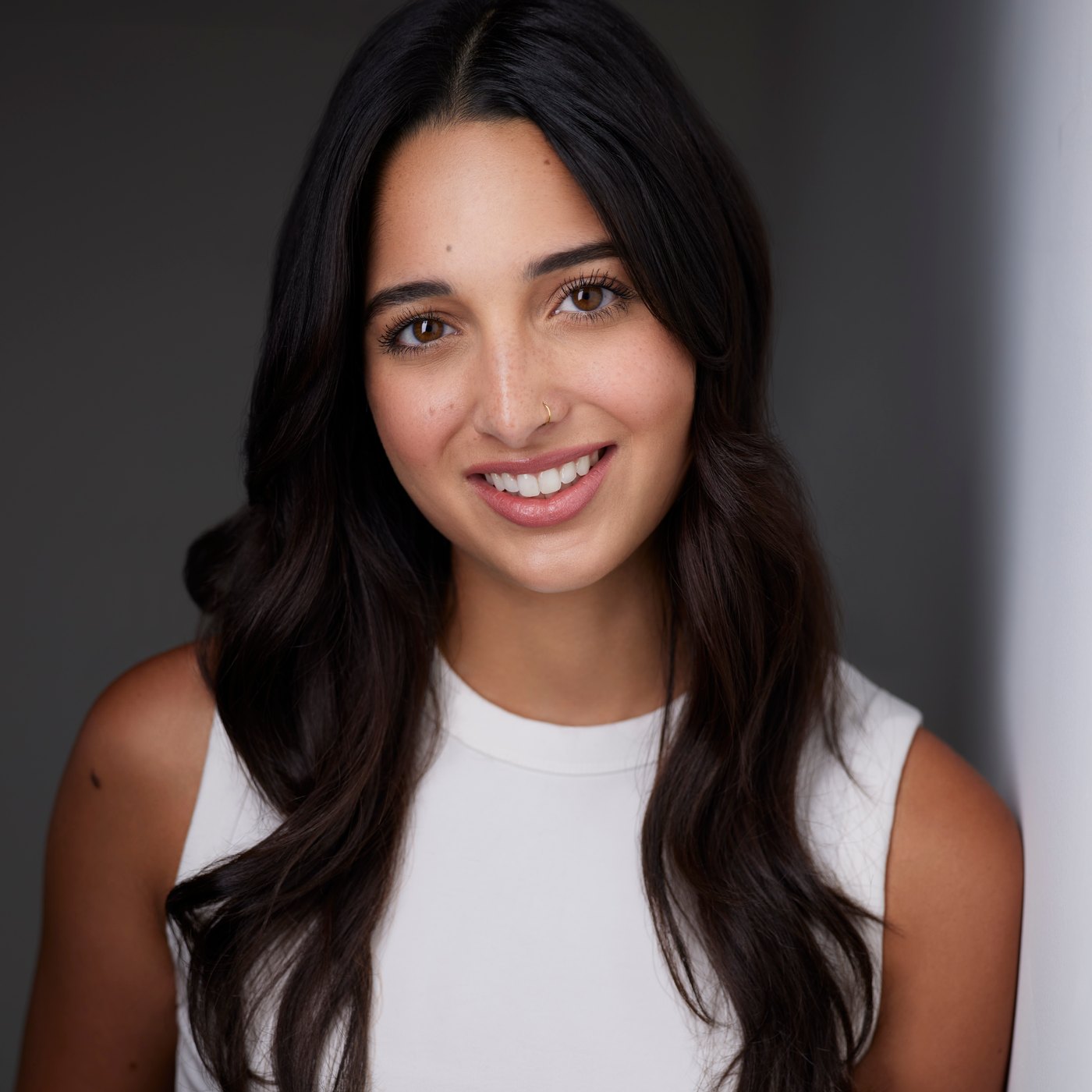
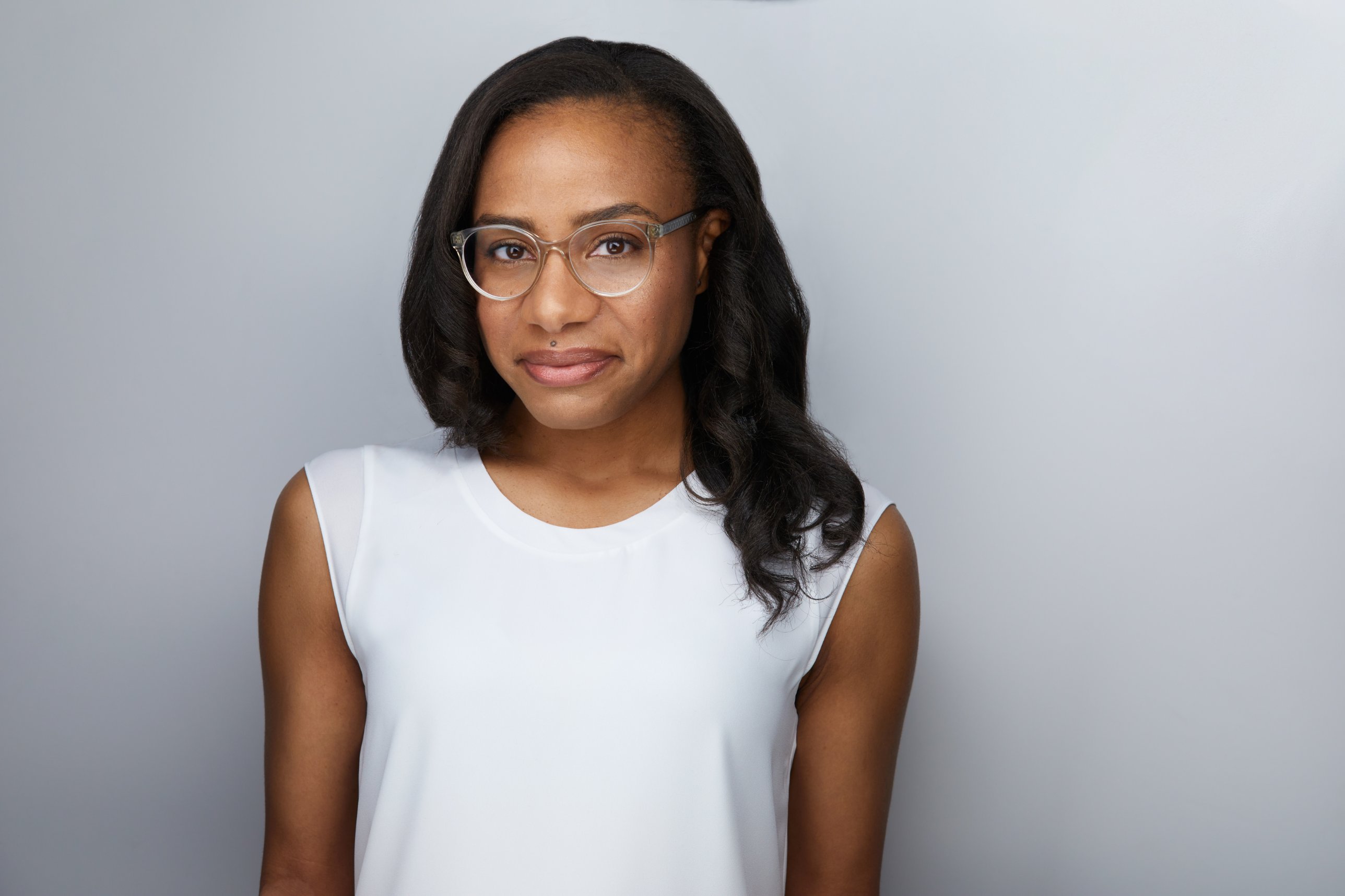
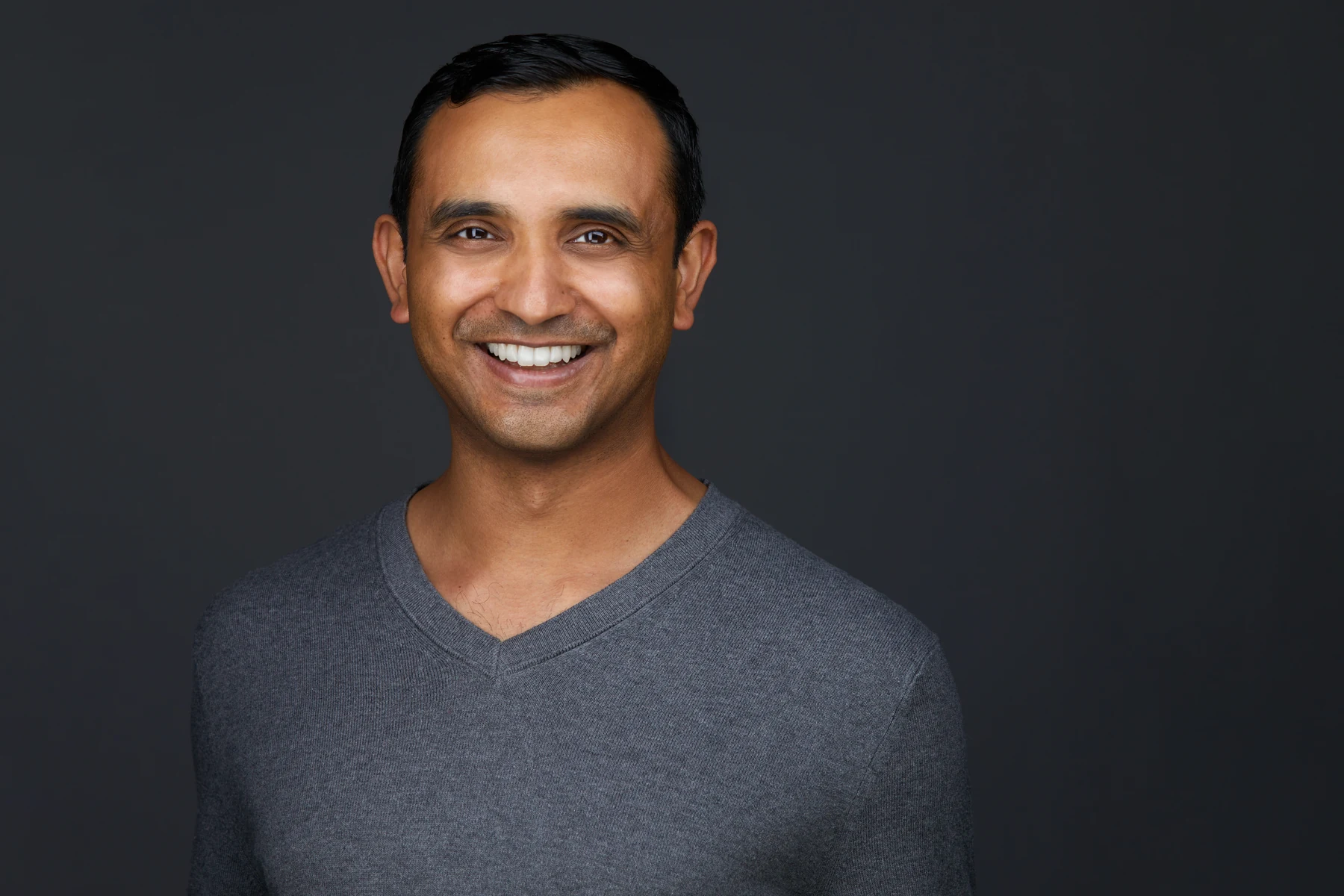
White, black and grey all work, and so does almost any colour. A few things to watch for on the screen:
- White can lose its texture if it catches too much light. It works on every skin tone, but the deeper your skin, the bigger the jump in brightness from your face to the shirt. Either way, your photographer should expose for your face and make sure the shirt keeps its detail.
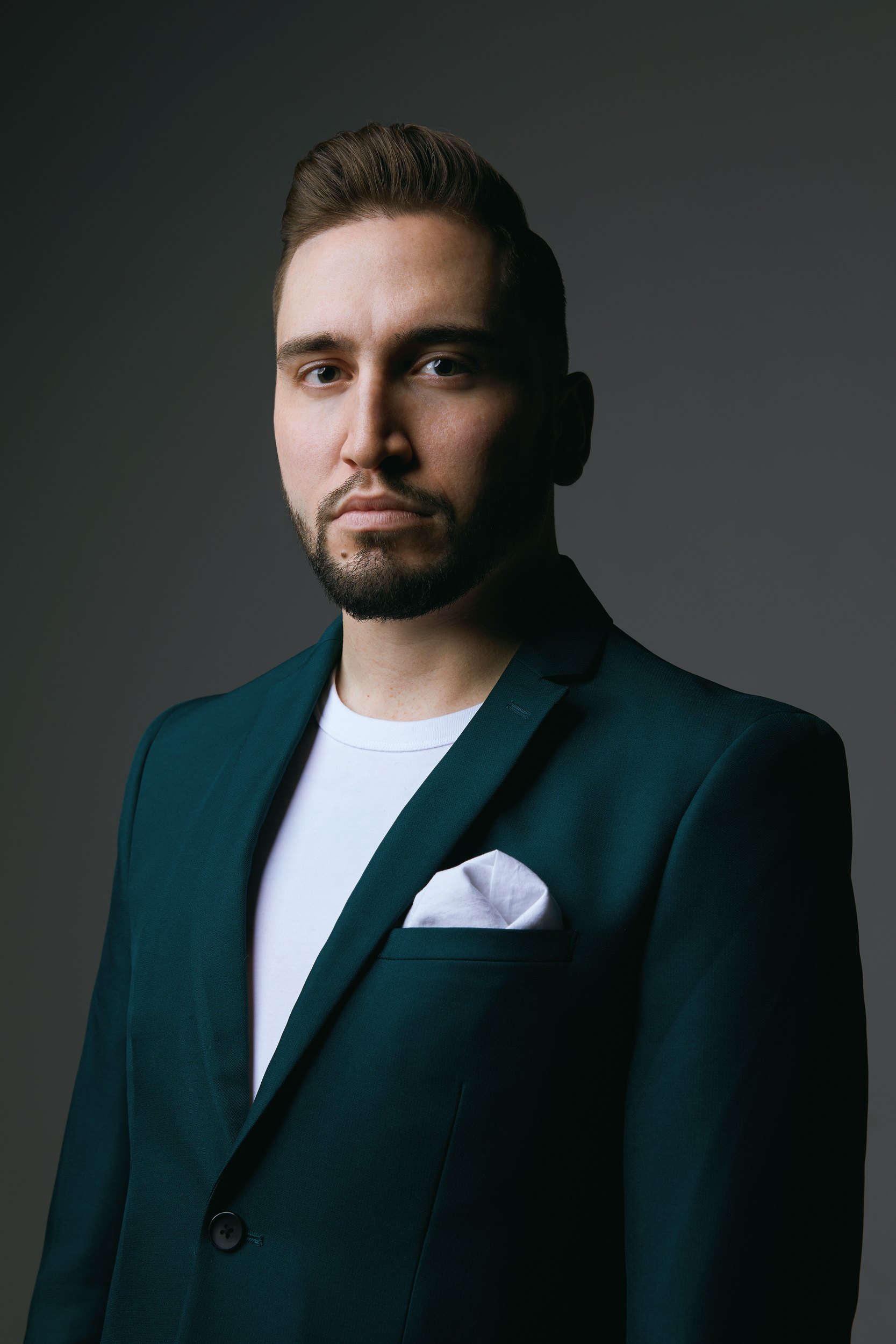
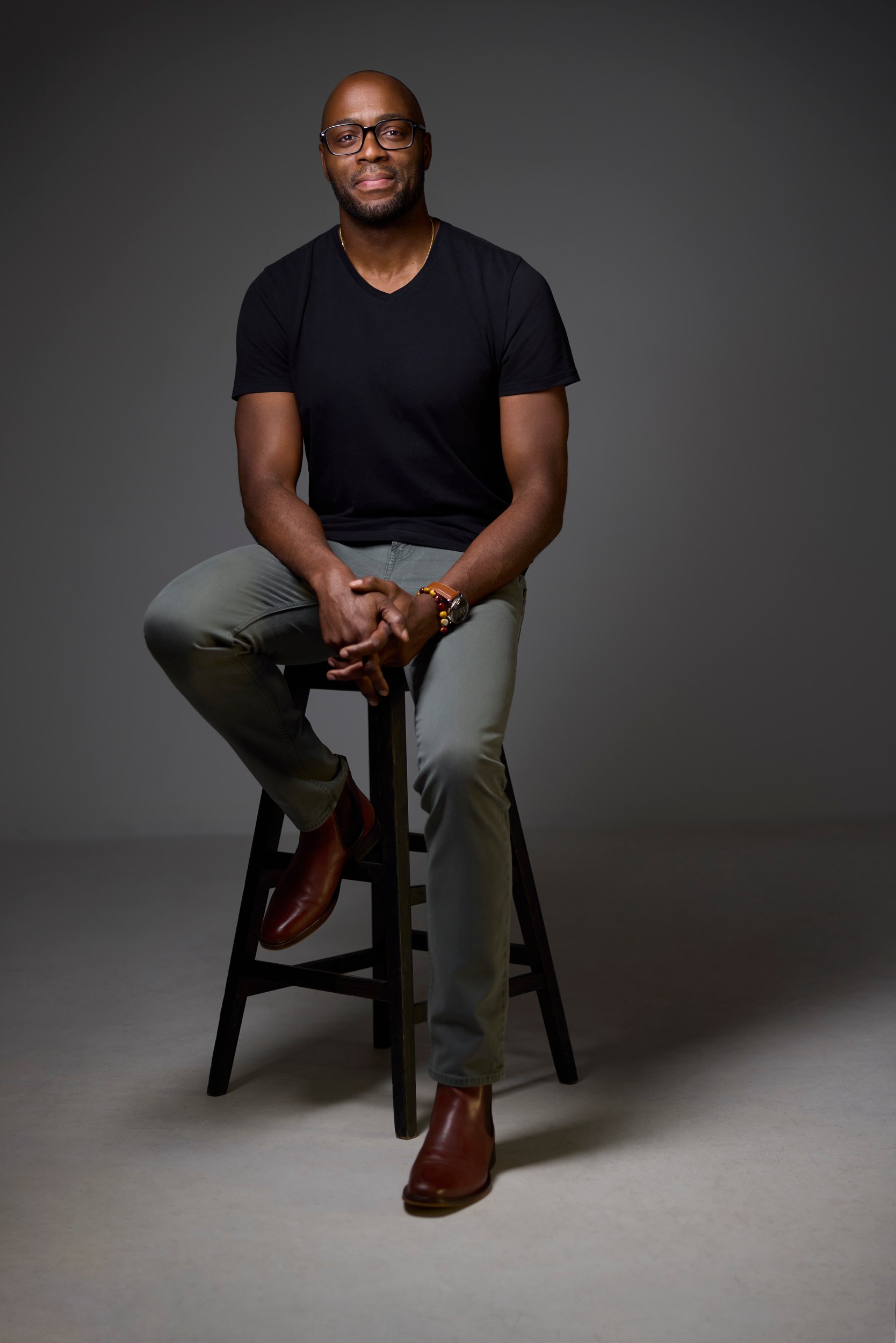
- Black can melt into a dark backdrop and leave you looking like a floating head. A little light from the side or behind brings your shoulders back.
- Strong colours, green most of all, can bounce a tint onto your skin, usually up under the chin. If it shows up on the screen, it’s worth fixing before you keep shooting.
What About Red?
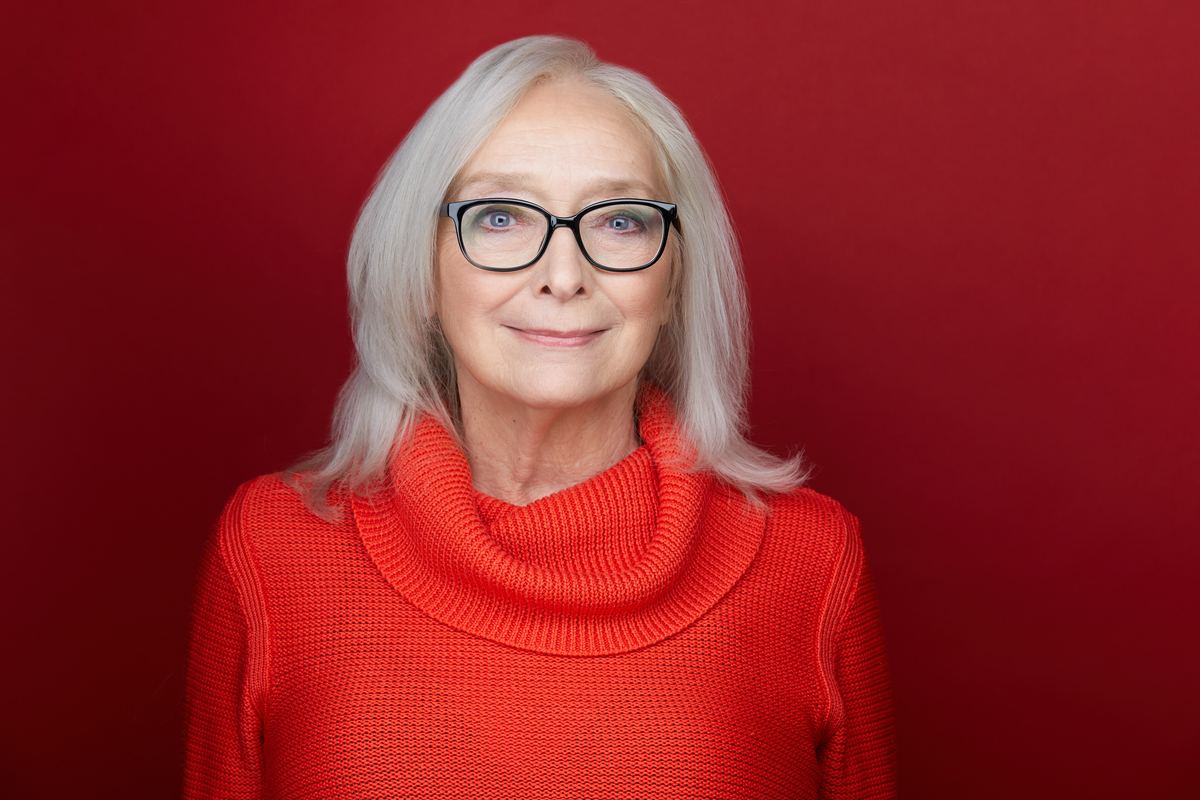
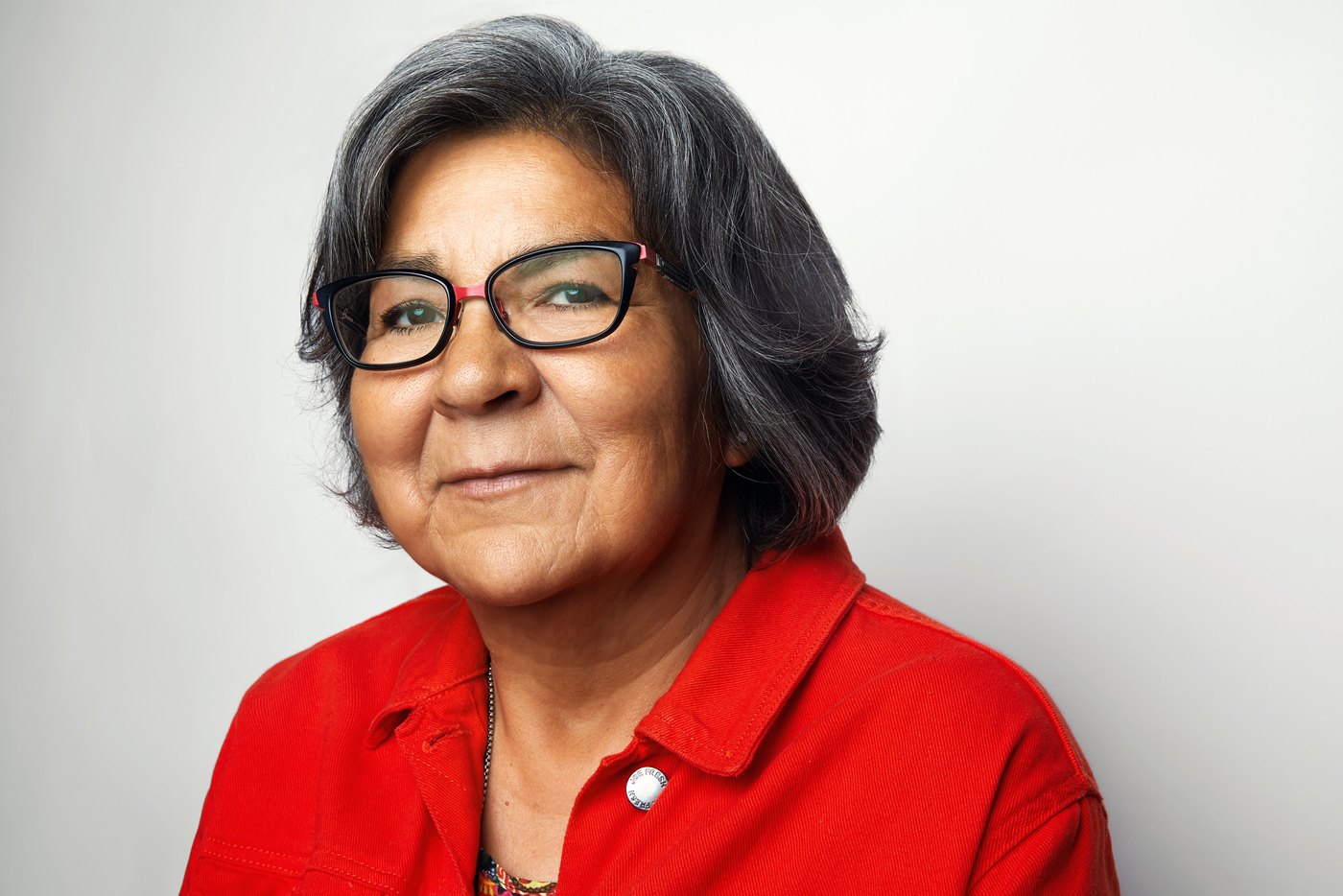
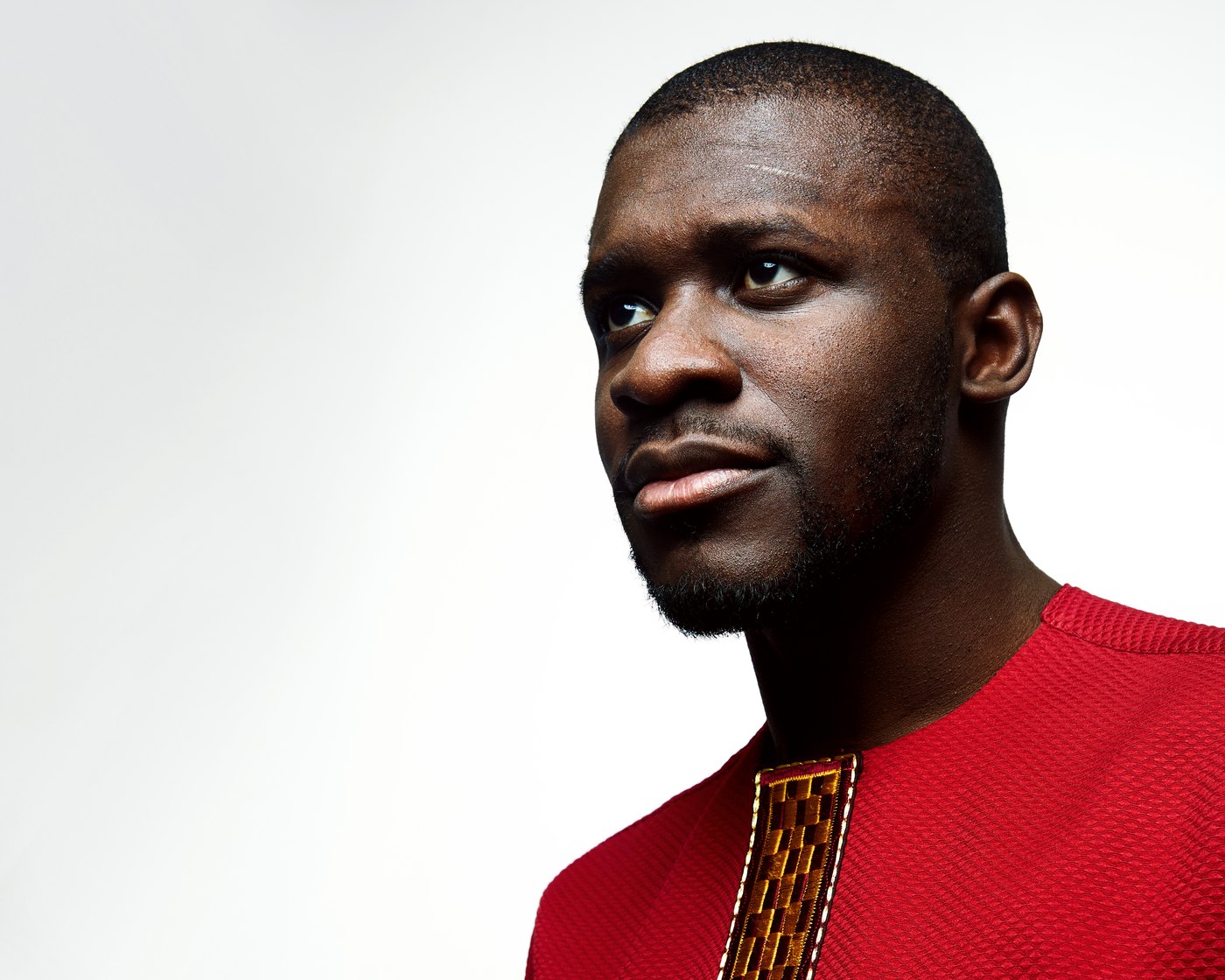
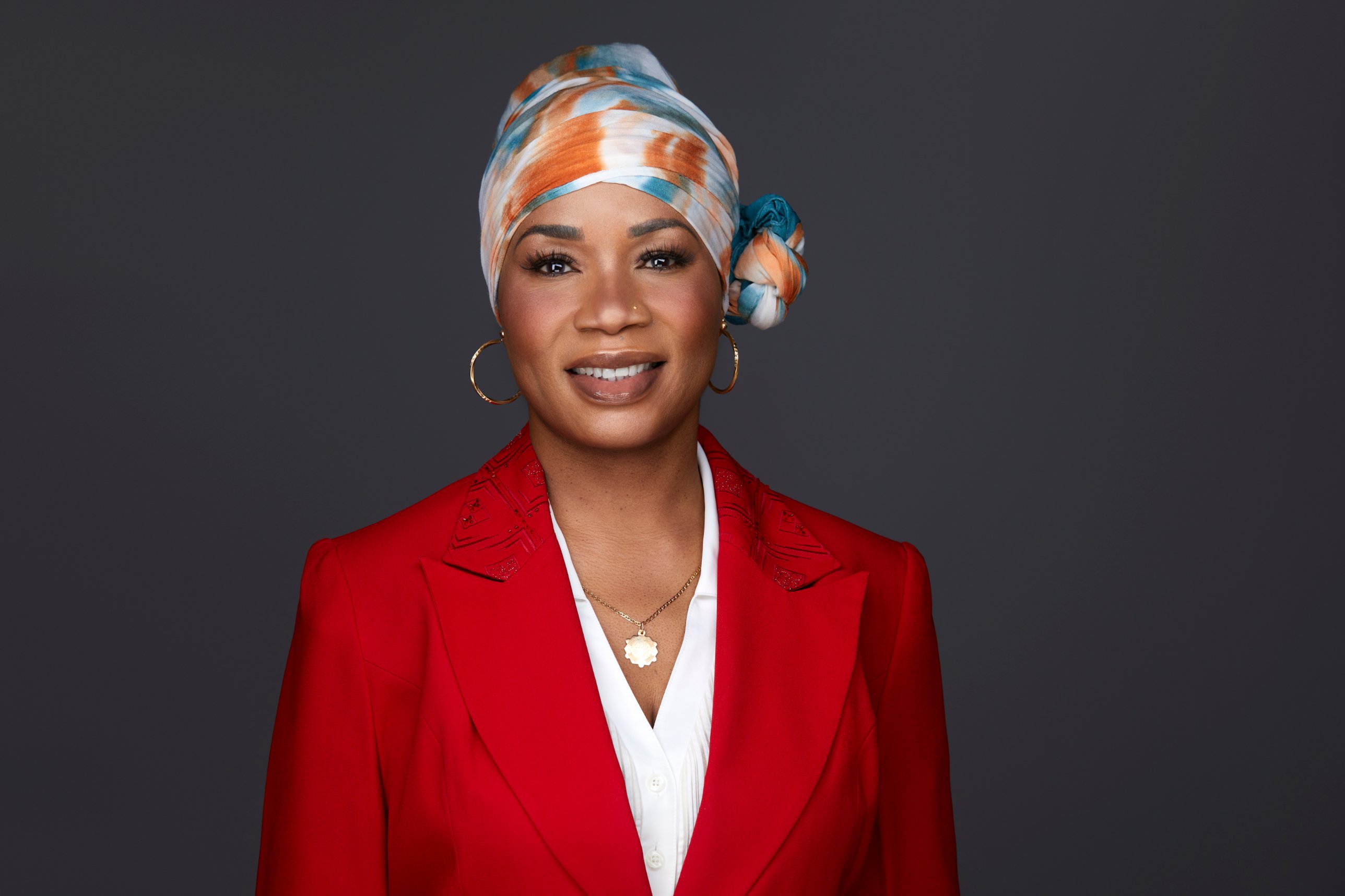
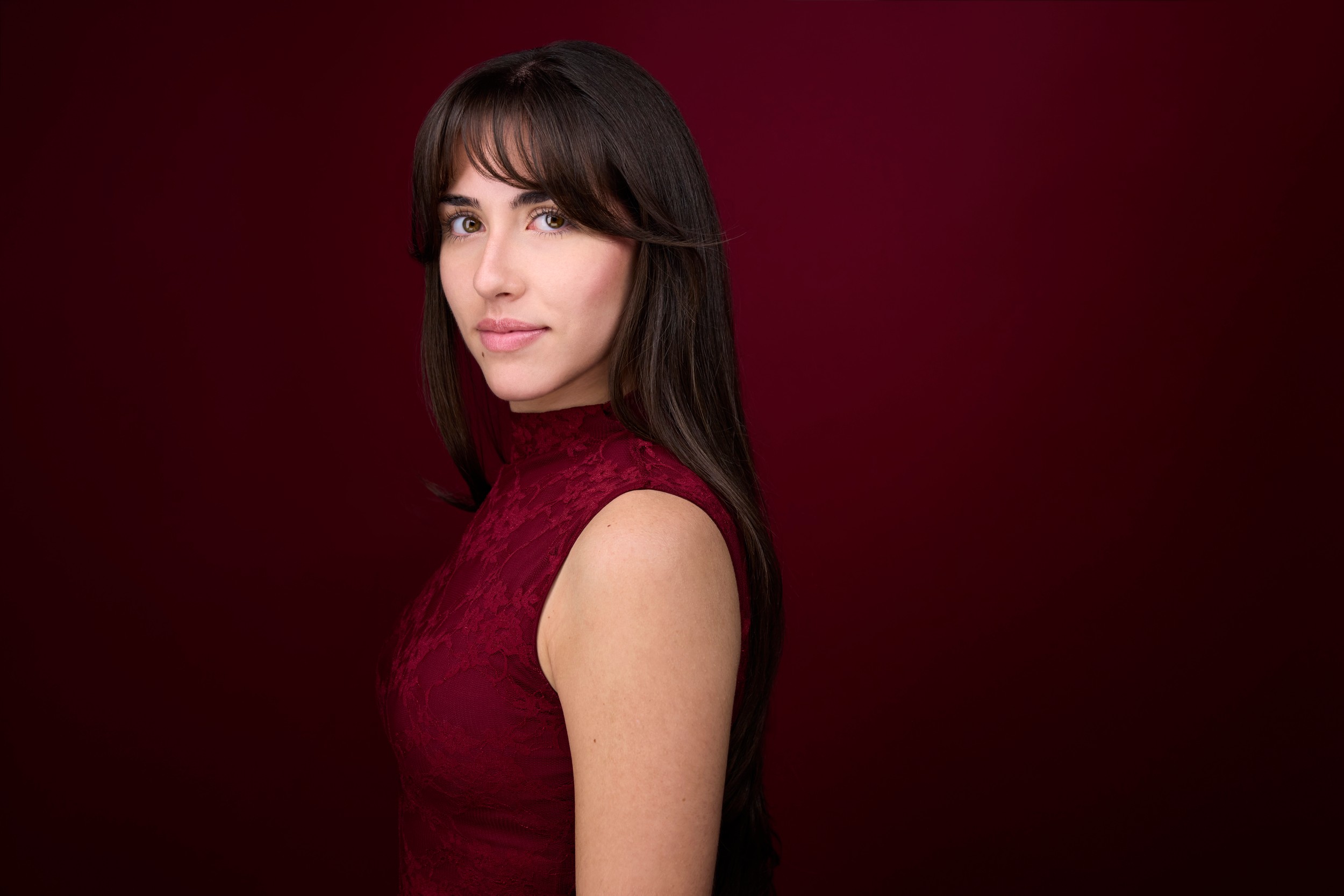
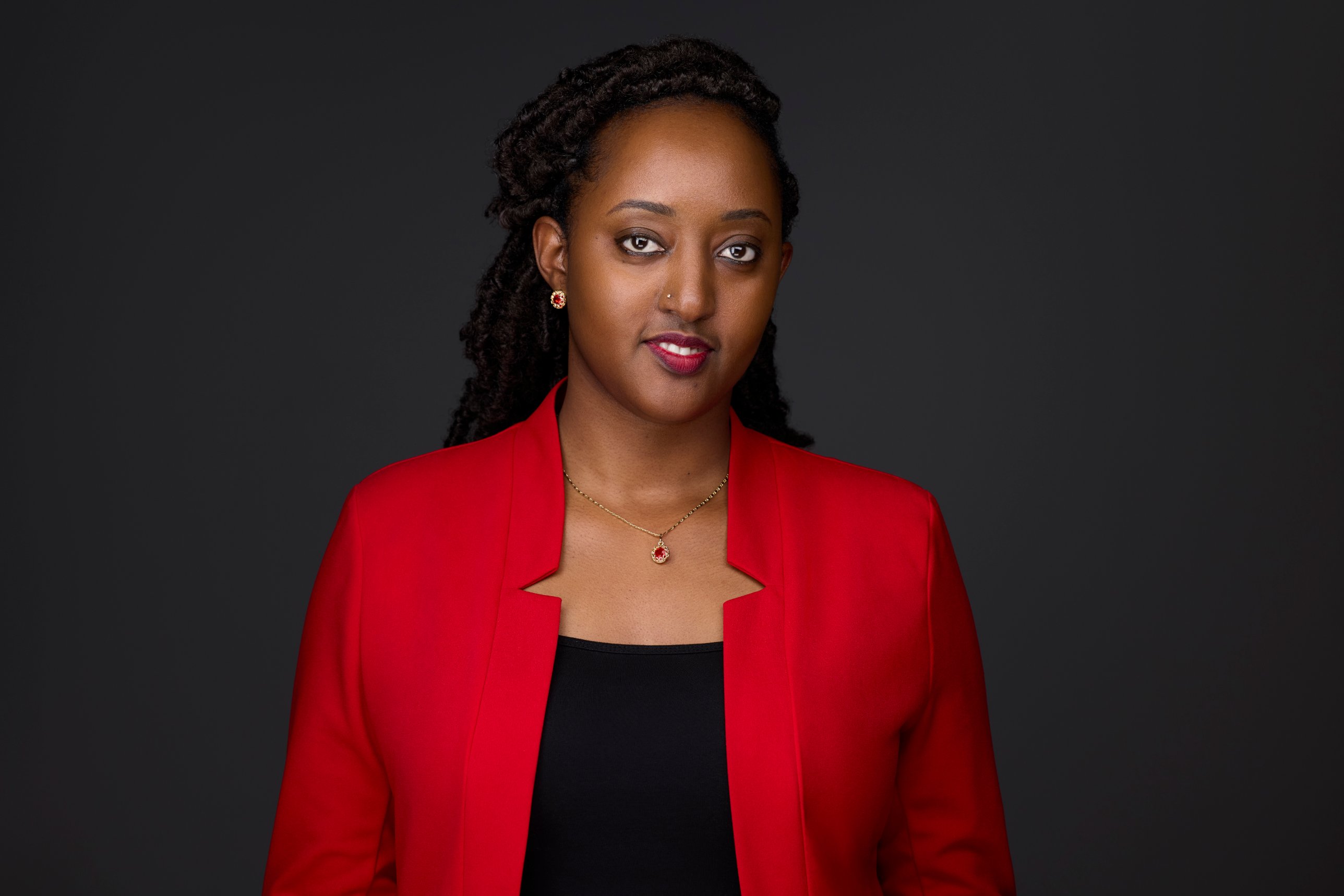
You may have heard that red makes you more attractive, or that a red tie is a power tie. Neither holds up well. The attraction effect mostly shrank when other researchers tried to repeat it. And when one researcher switched the ties on videos of three politicians, Stephen Harper among them, from blue to red, nobody rated them any differently as leaders. Treat red like any other colour. If it suits you and stands apart from your skin, wear it.

Patterns, Words and Logos
Faces are the first thing people look at in a photo, and words come next. In an eye-tracking study at Caltech, faces drew about 16 times more looks than other parts of a scene, and text about 11 times more, even when people were searching for something else. So skip shirts with words or big logos, because they’ll pull eyes off your face. A small logo can usually be removed in retouching, so ask your photographer if you’re not sure.
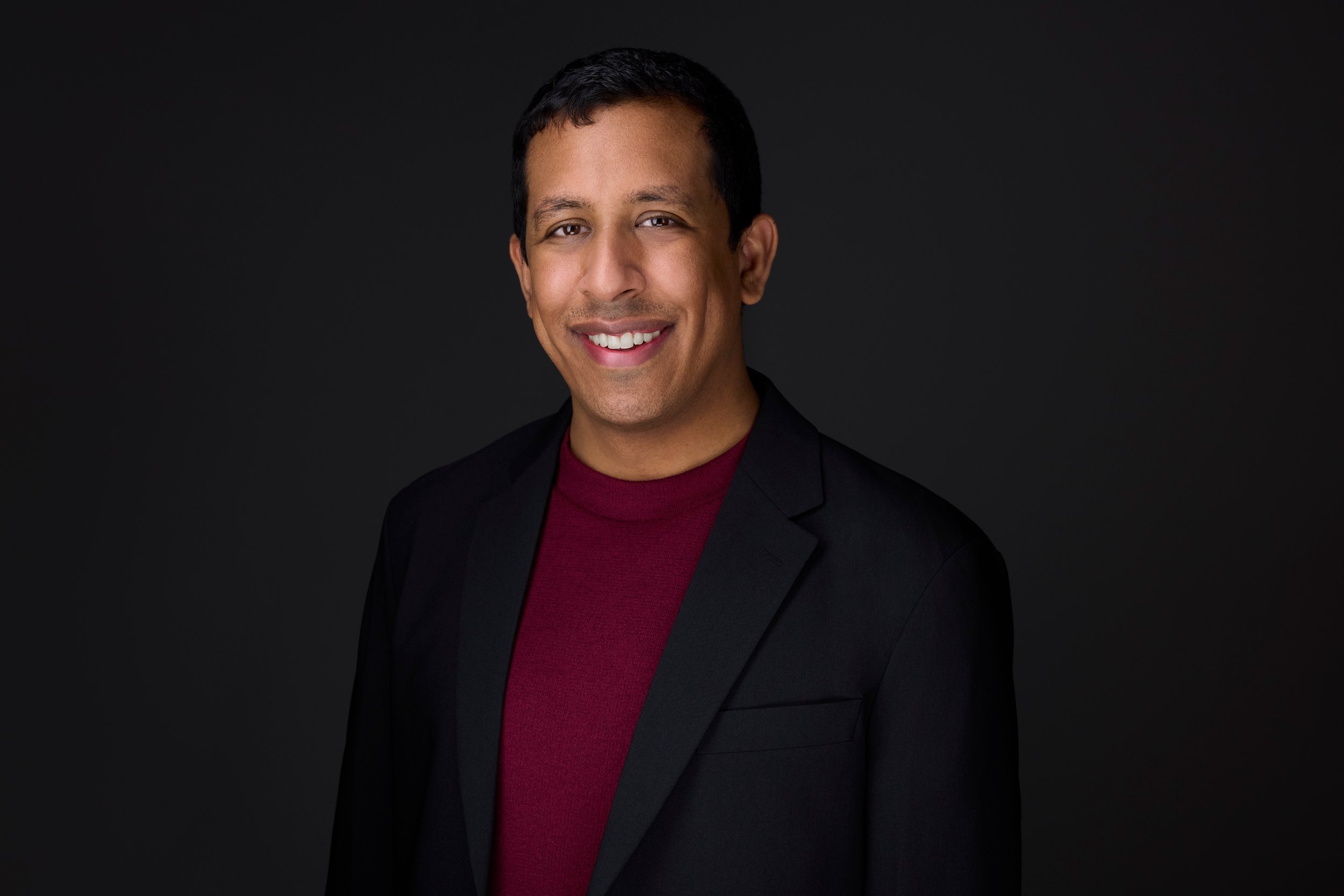
Very fine patterns are the real trouble: tight stripes, small checks and fine weaves. They can clash with the camera’s sensor and make a shimmering ripple called moiré. It’s hard to spot on a big screen, and it shows up once the photo shrinks down to a profile picture. It’s also a pain to fix afterward. A good photographer should steer you away from those, and if moiré shows up on the screen during your shoot, change tops before you keep going.
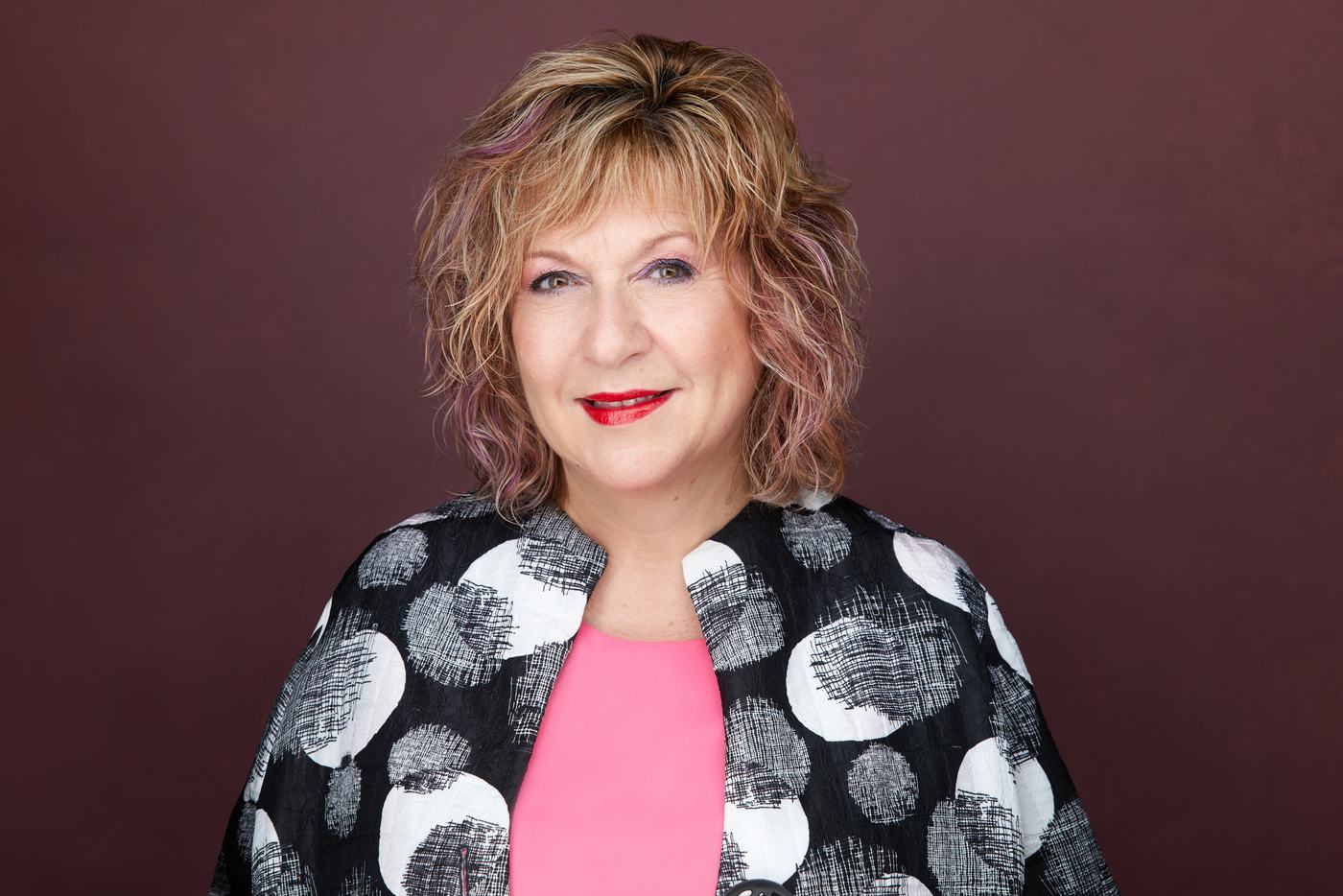
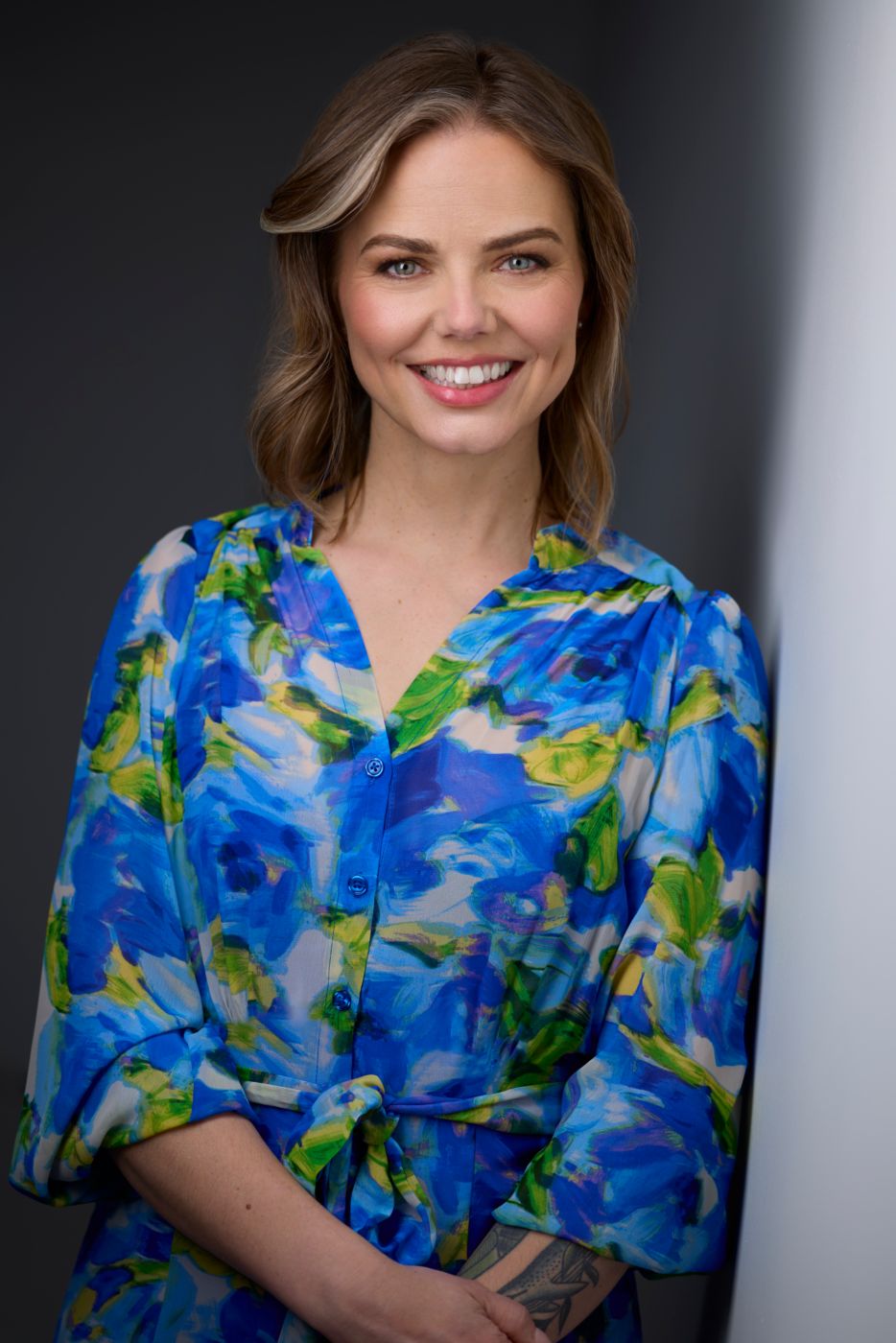
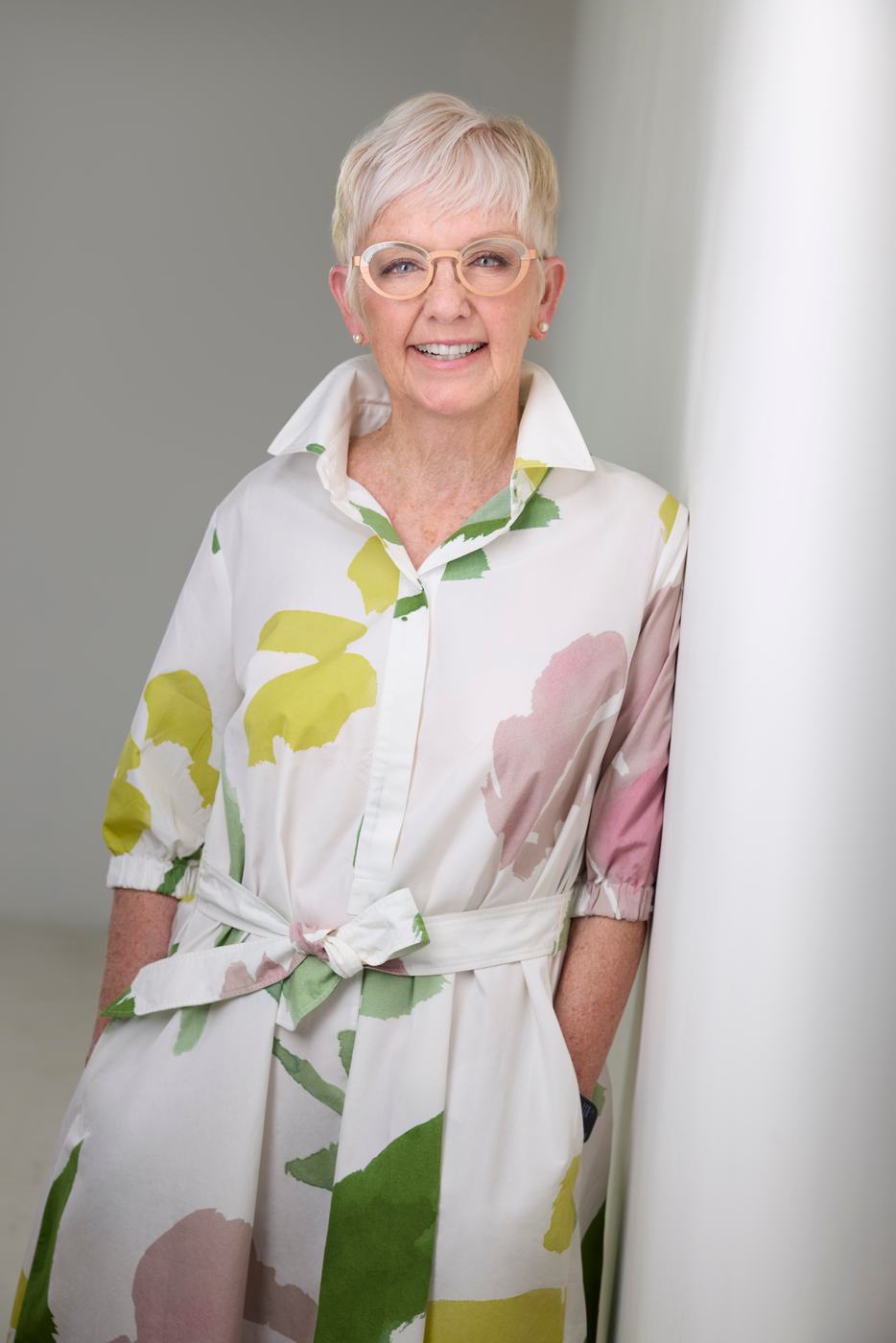
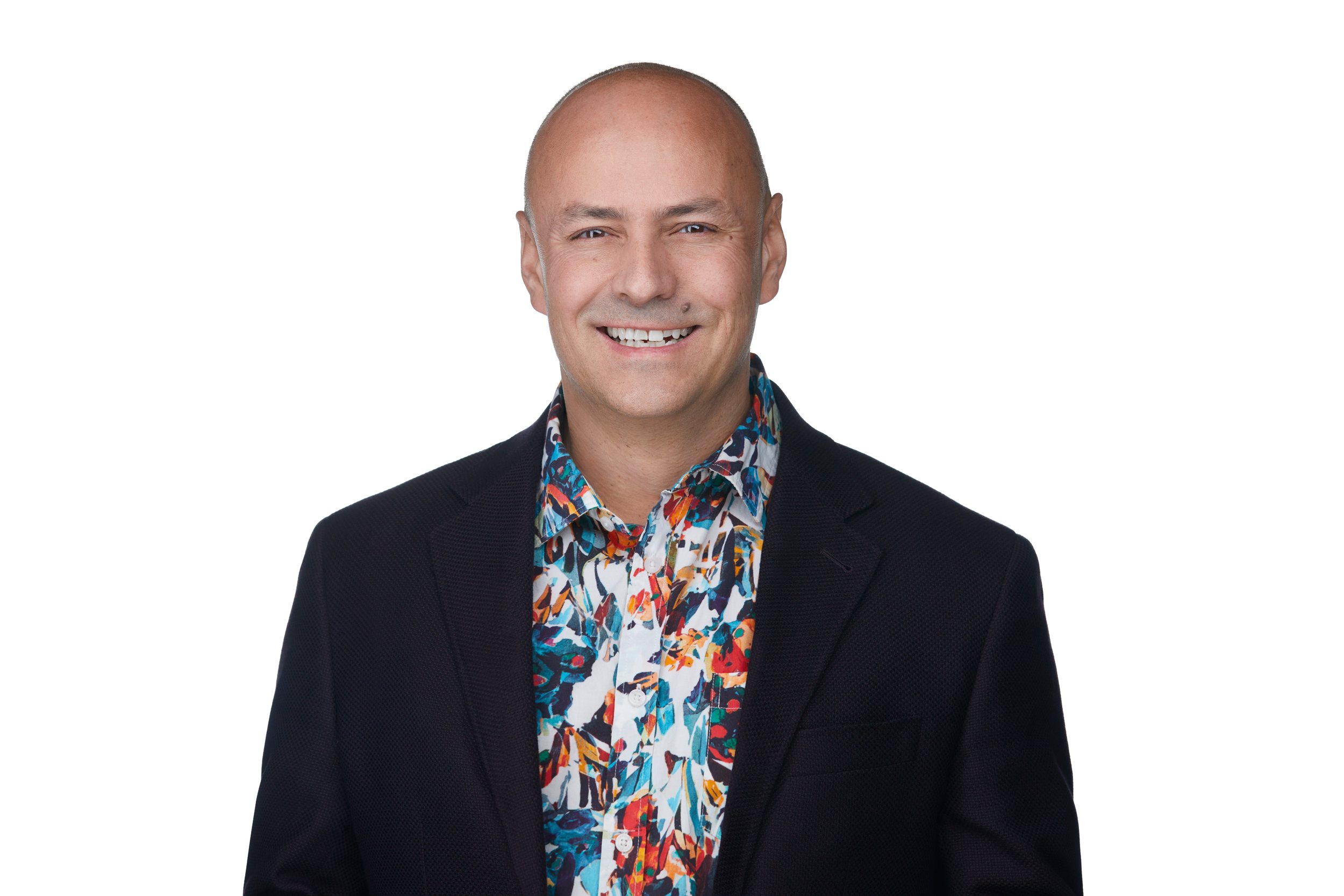
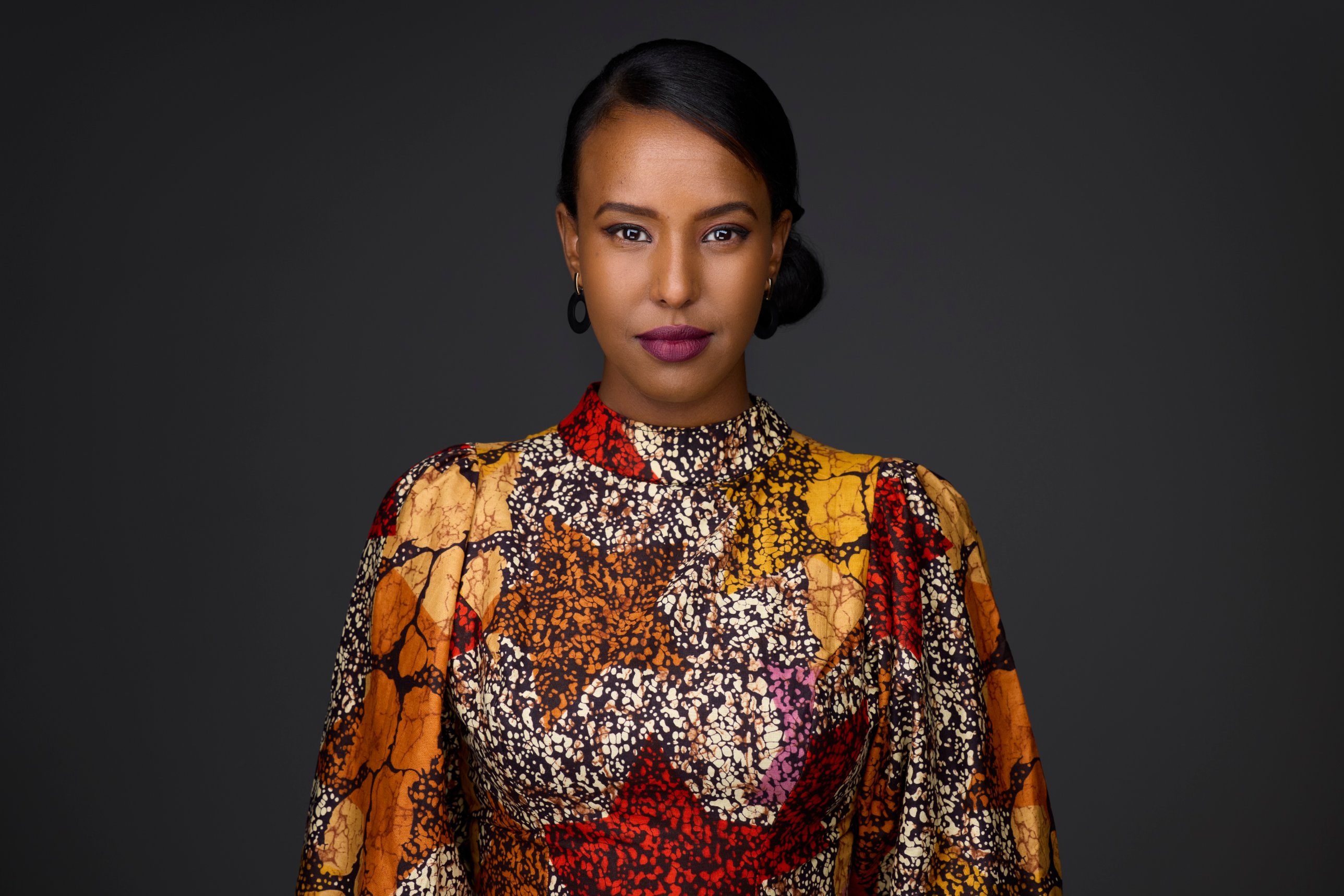
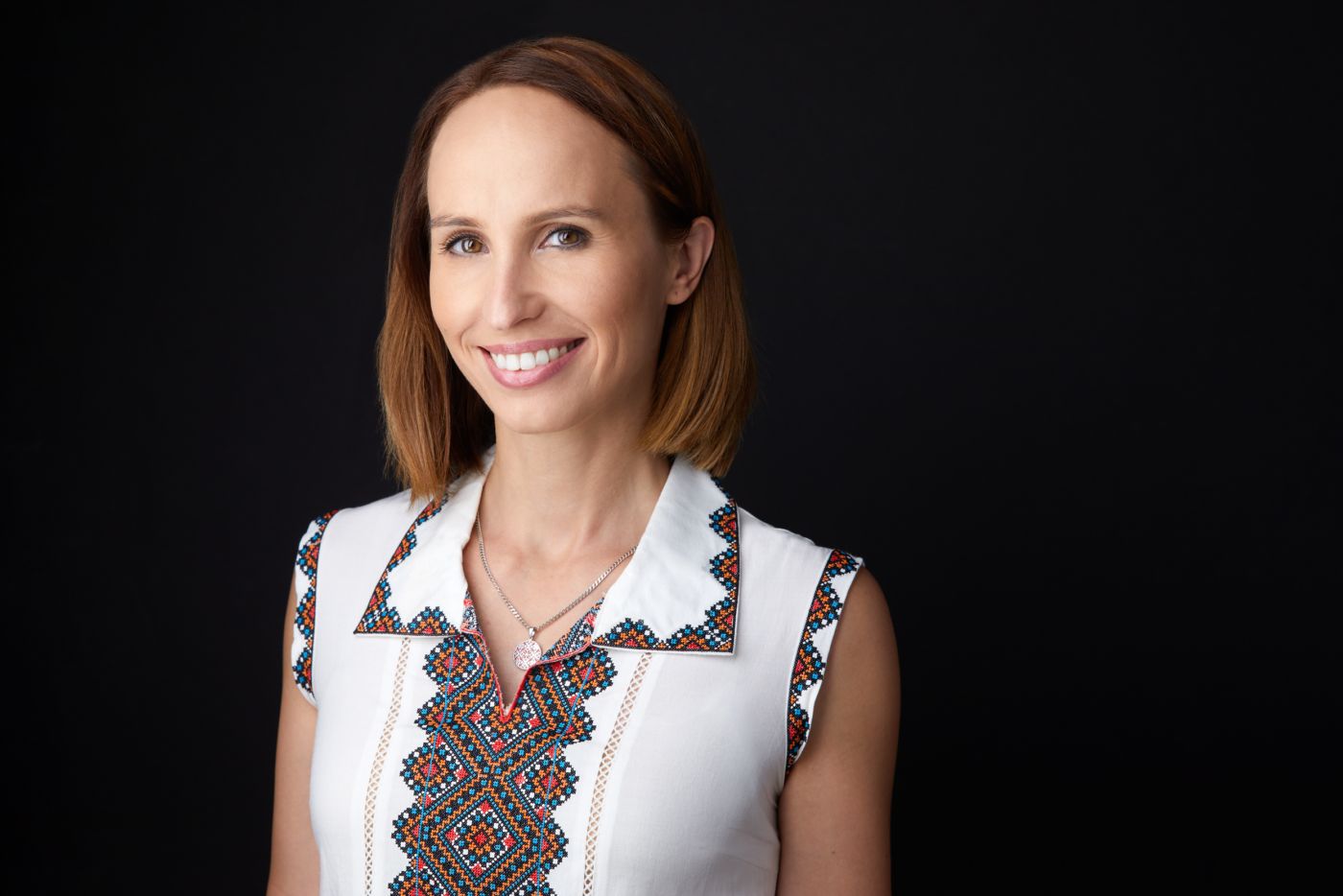
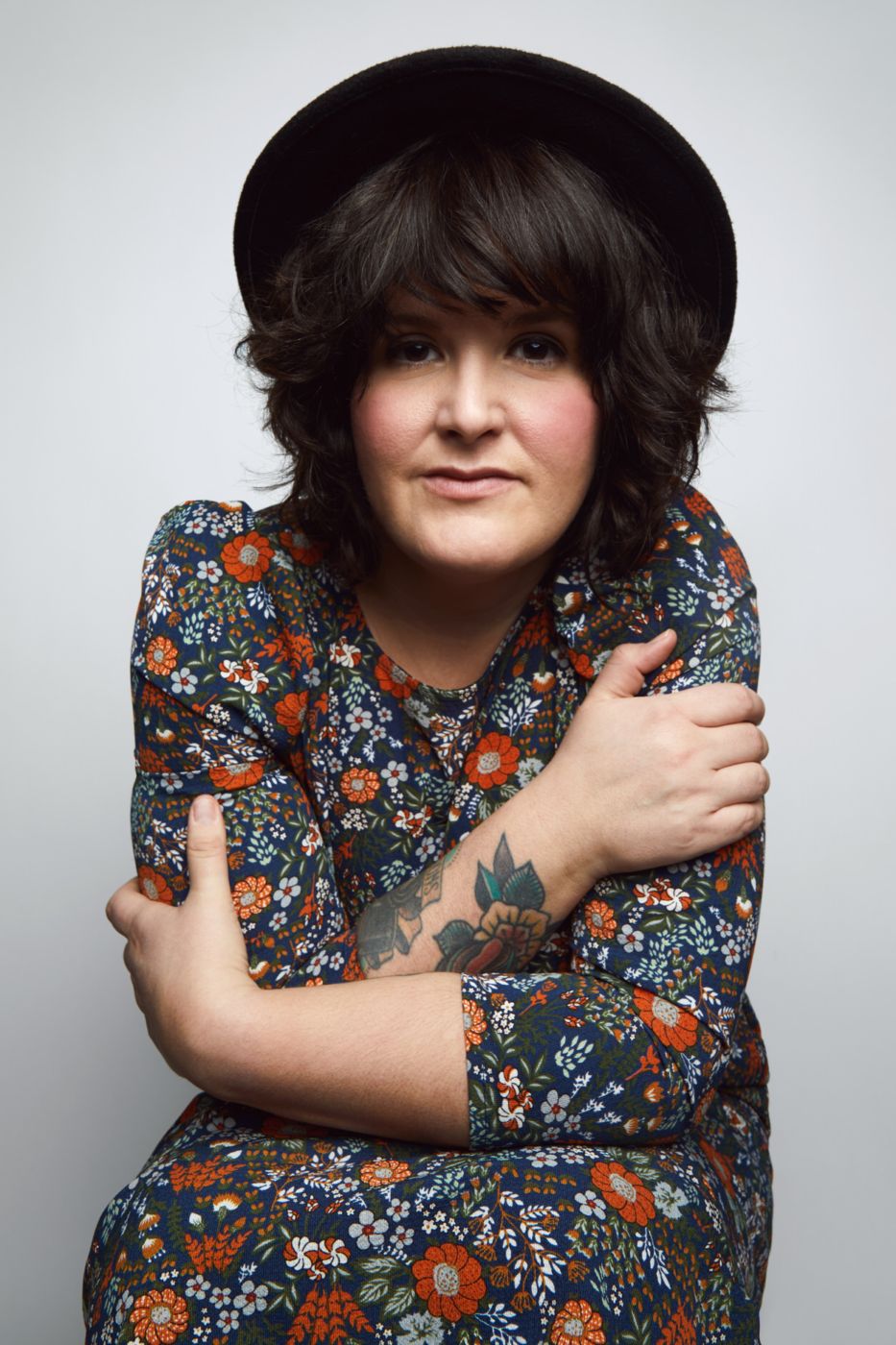
Bold patterns are different. They can work, especially against the right backdrop. I’ve had a patterned top look busy against a dark grey backdrop and come alive against a bright one. So bring it, and try it on the screen with your photographer.

Hair, makeup and glasses
It should look like you.
Hair
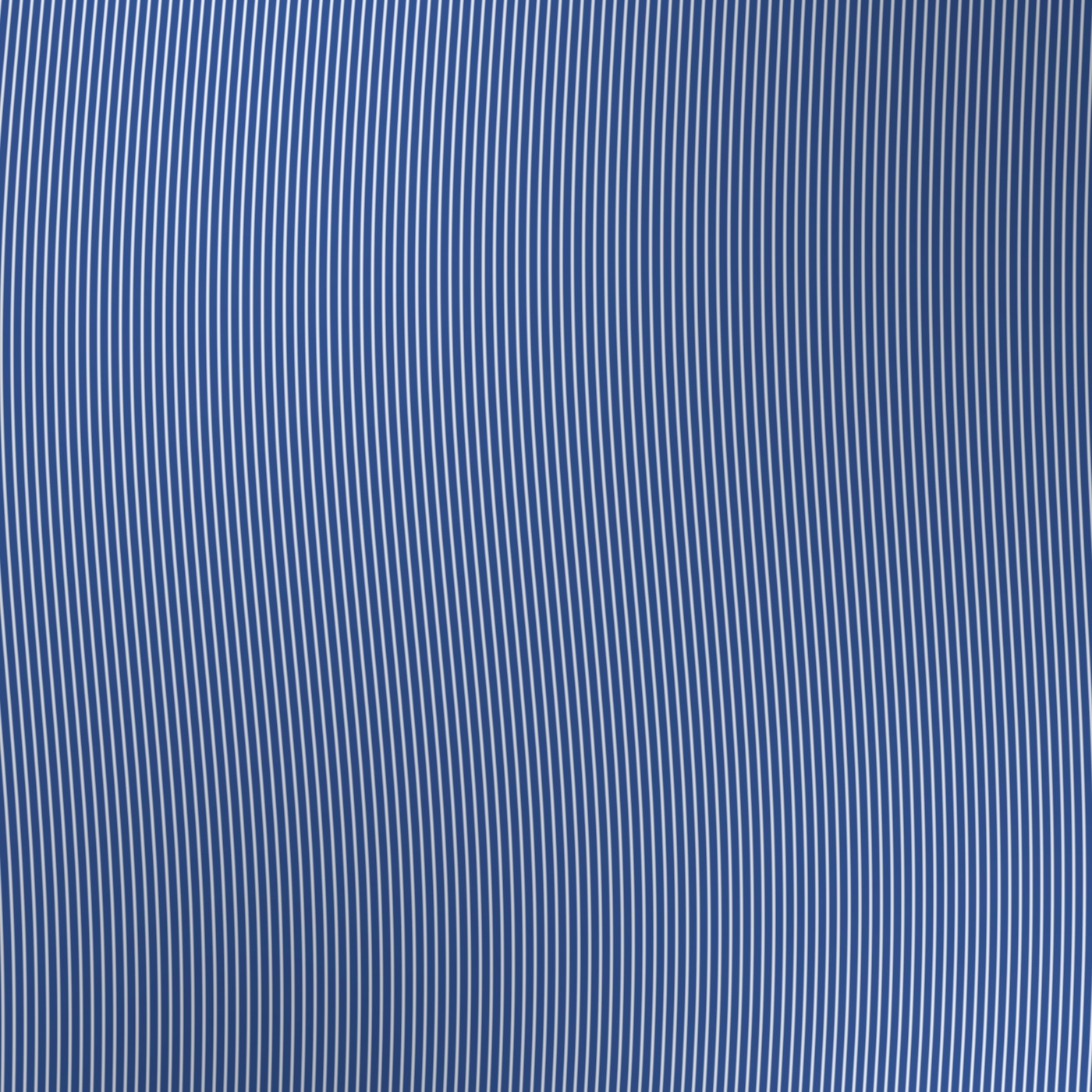
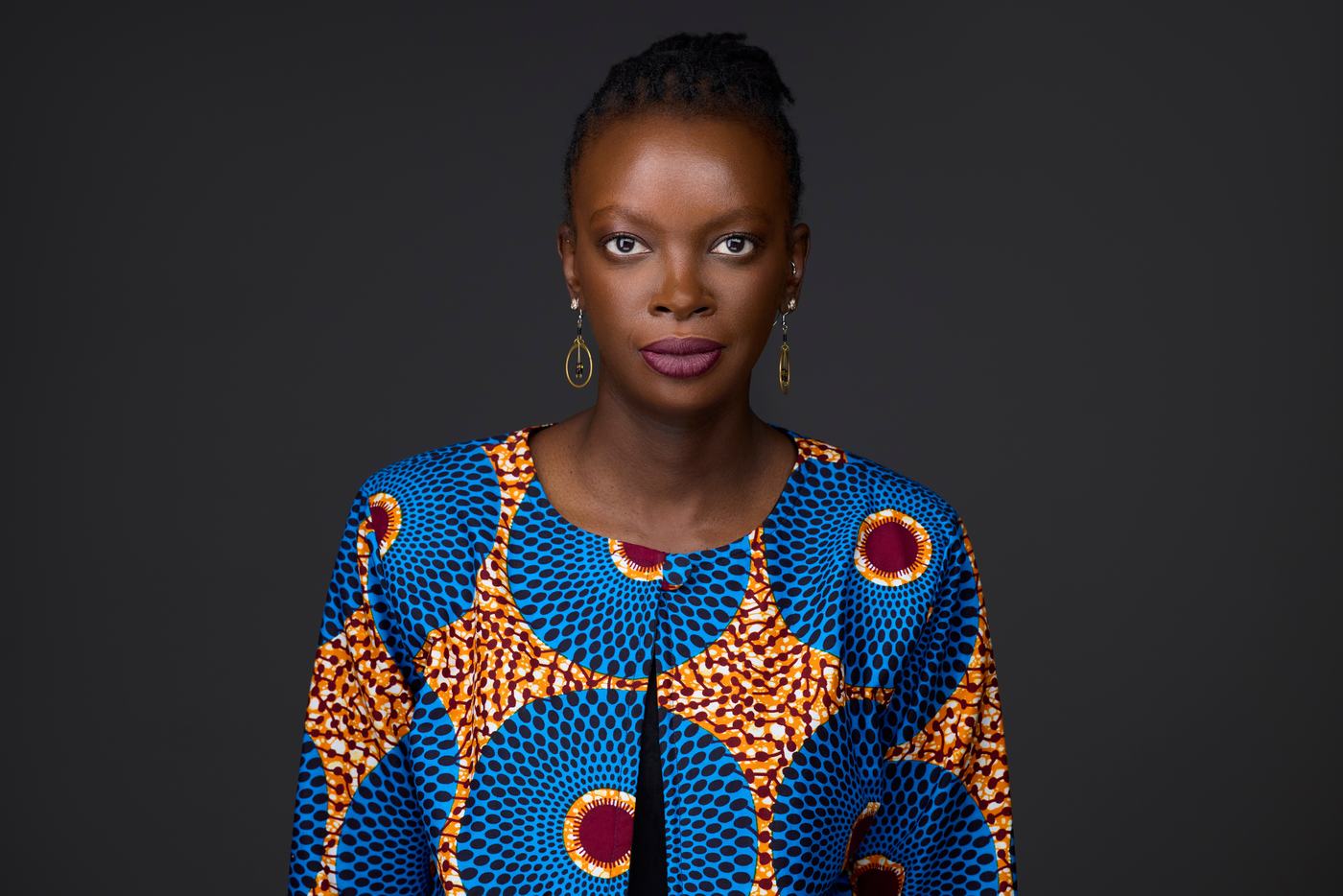
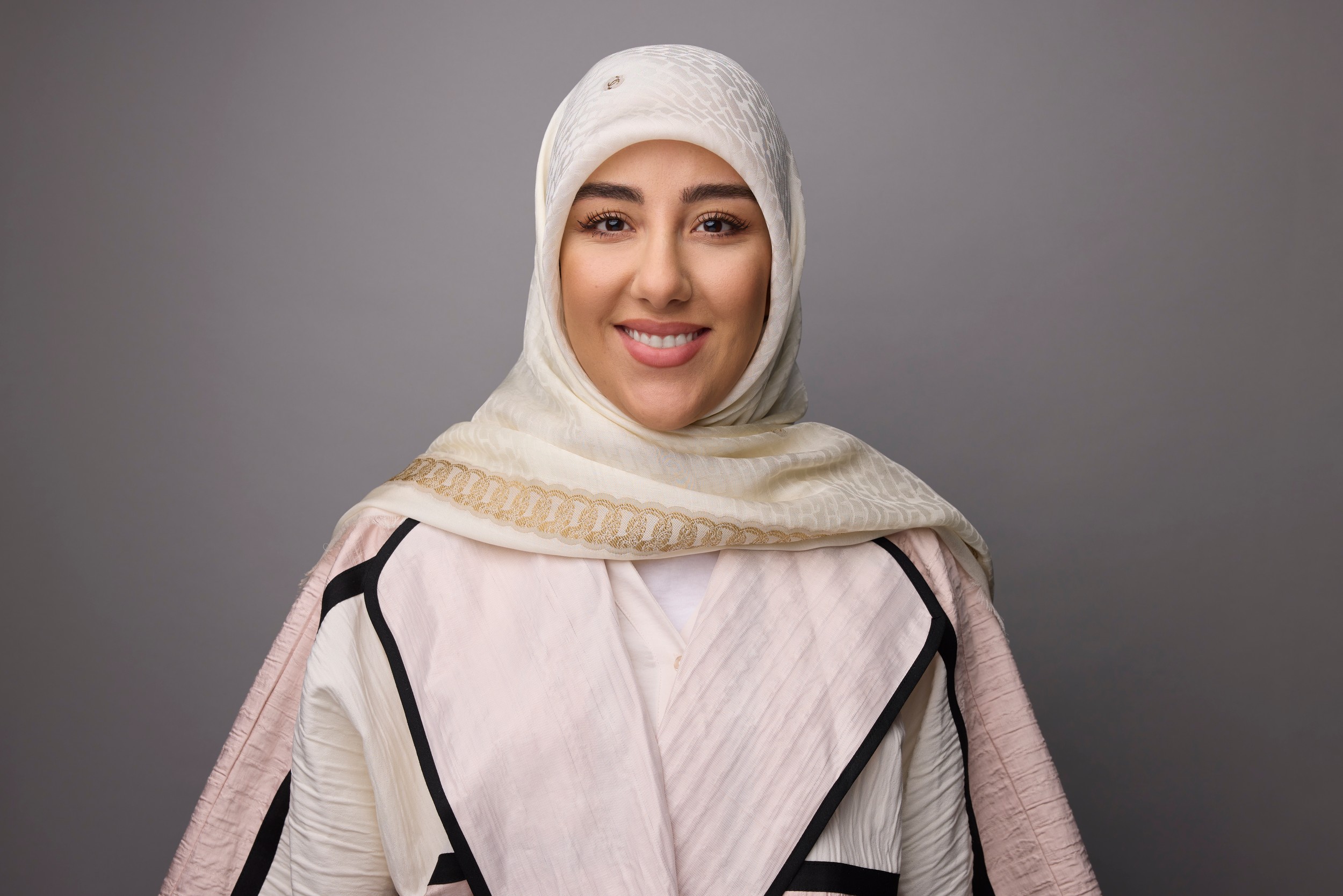
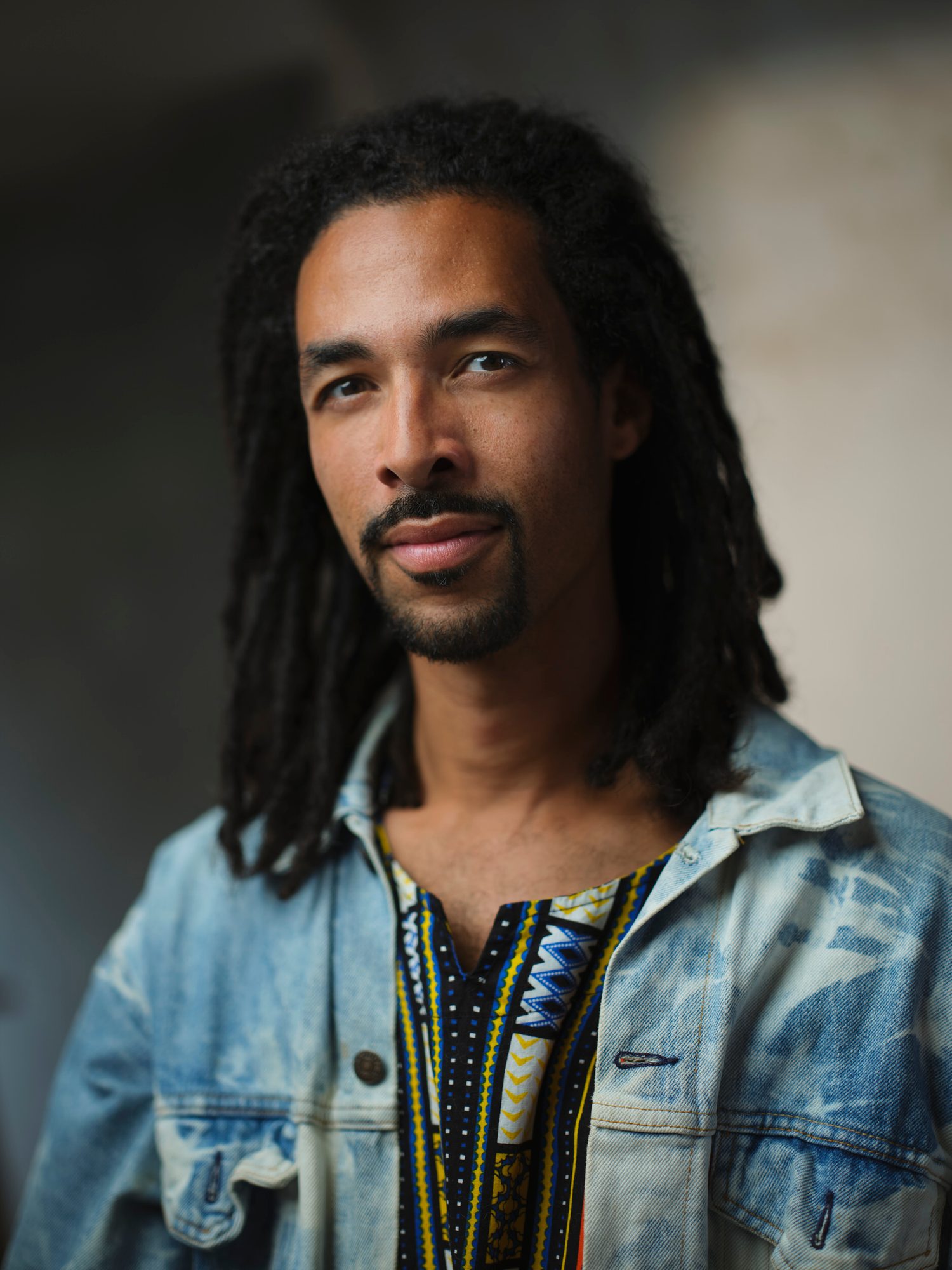
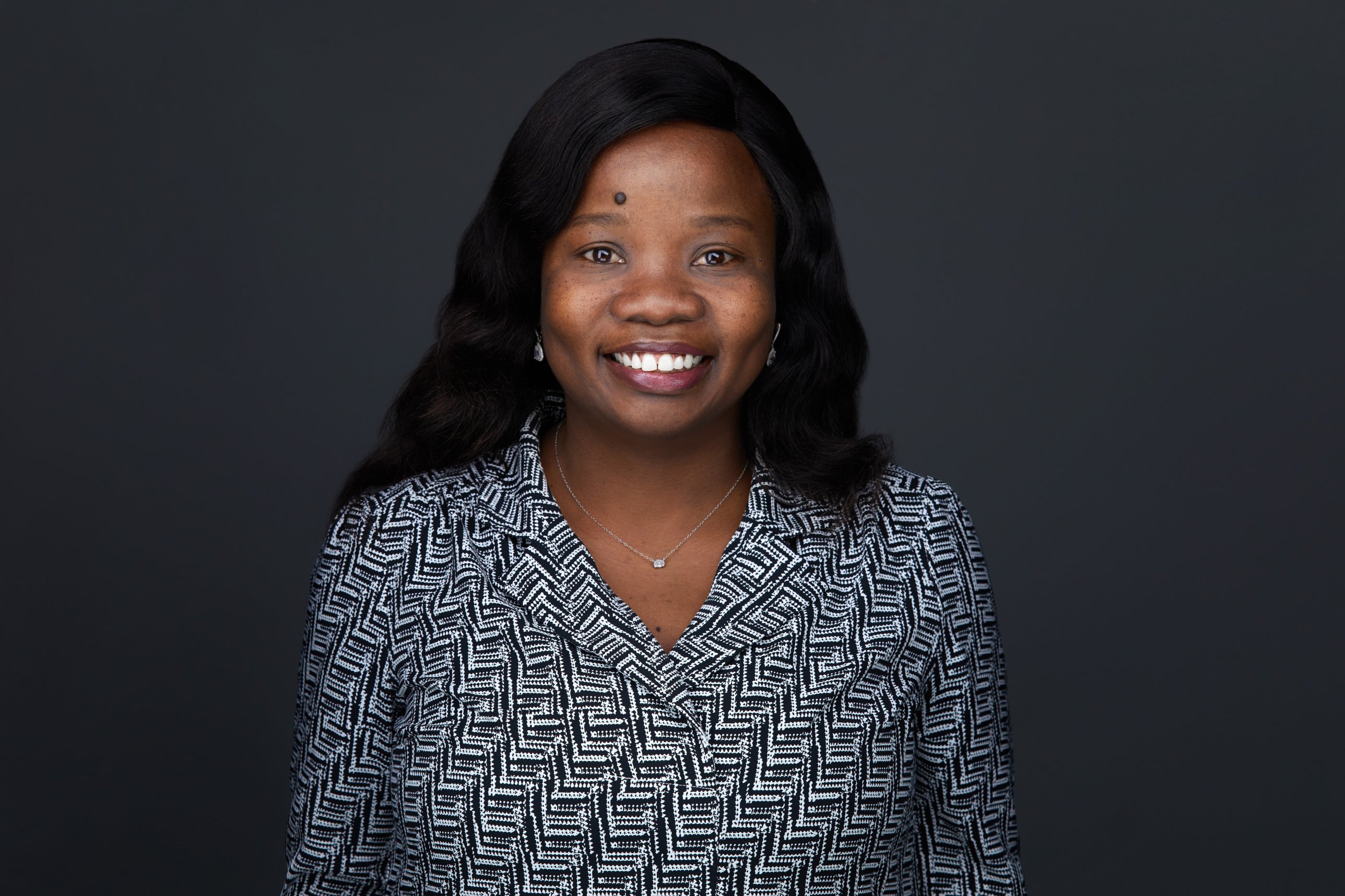
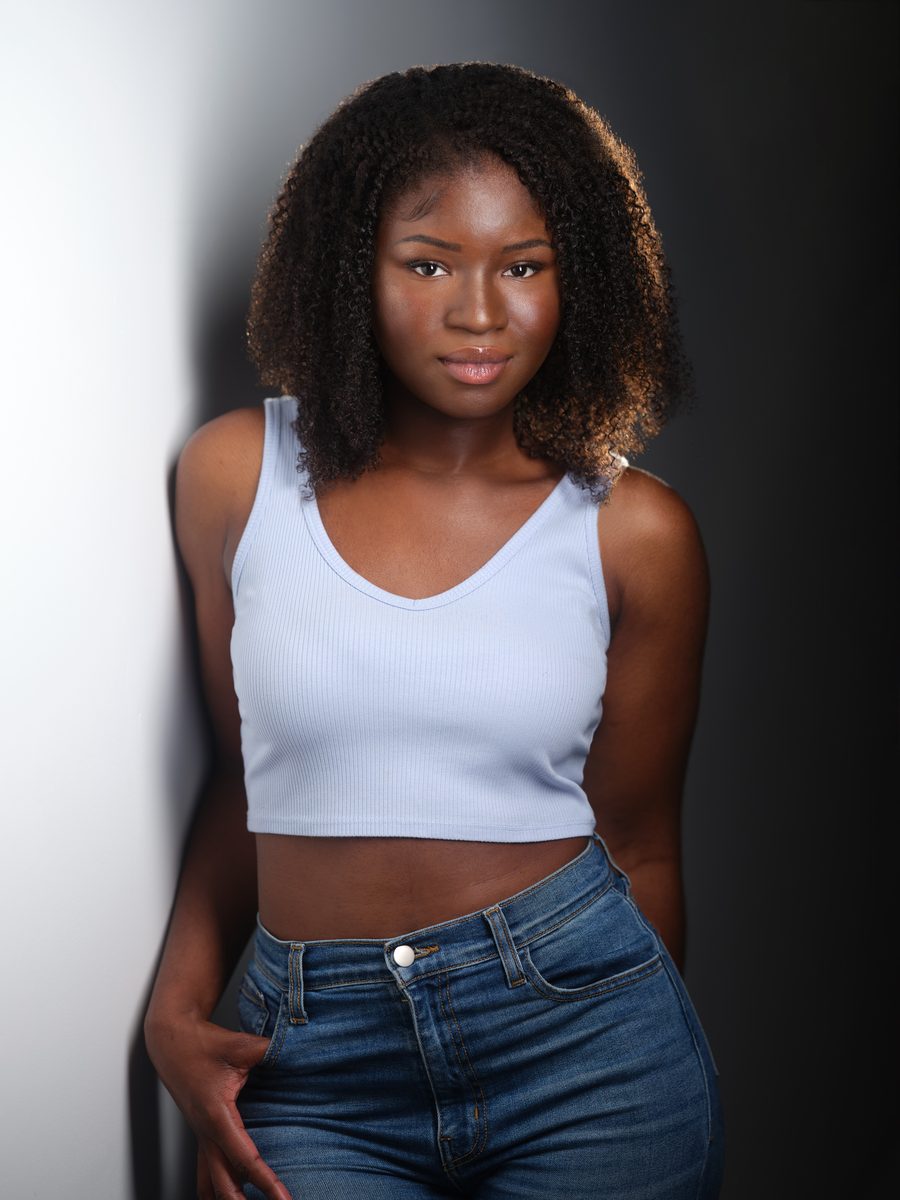
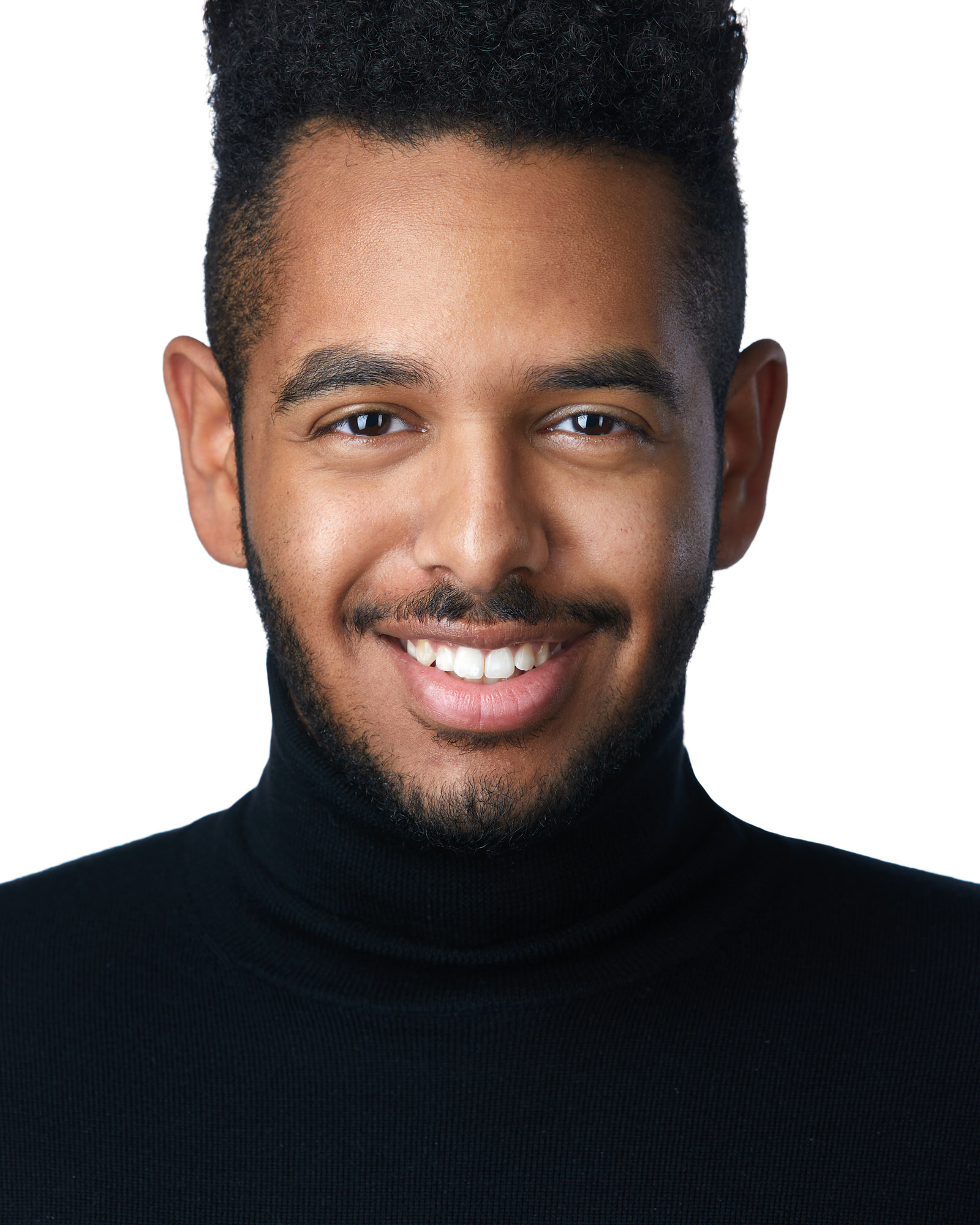
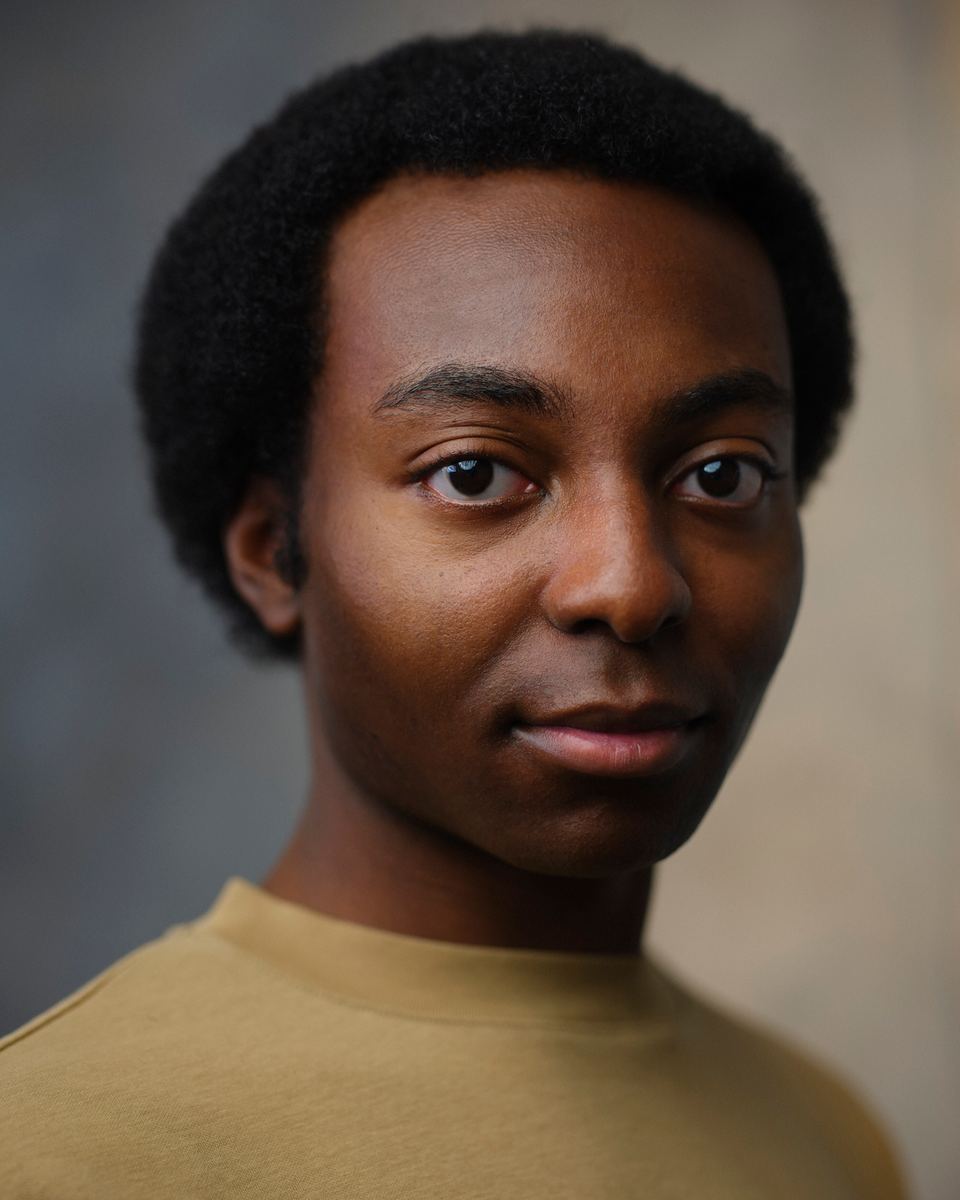
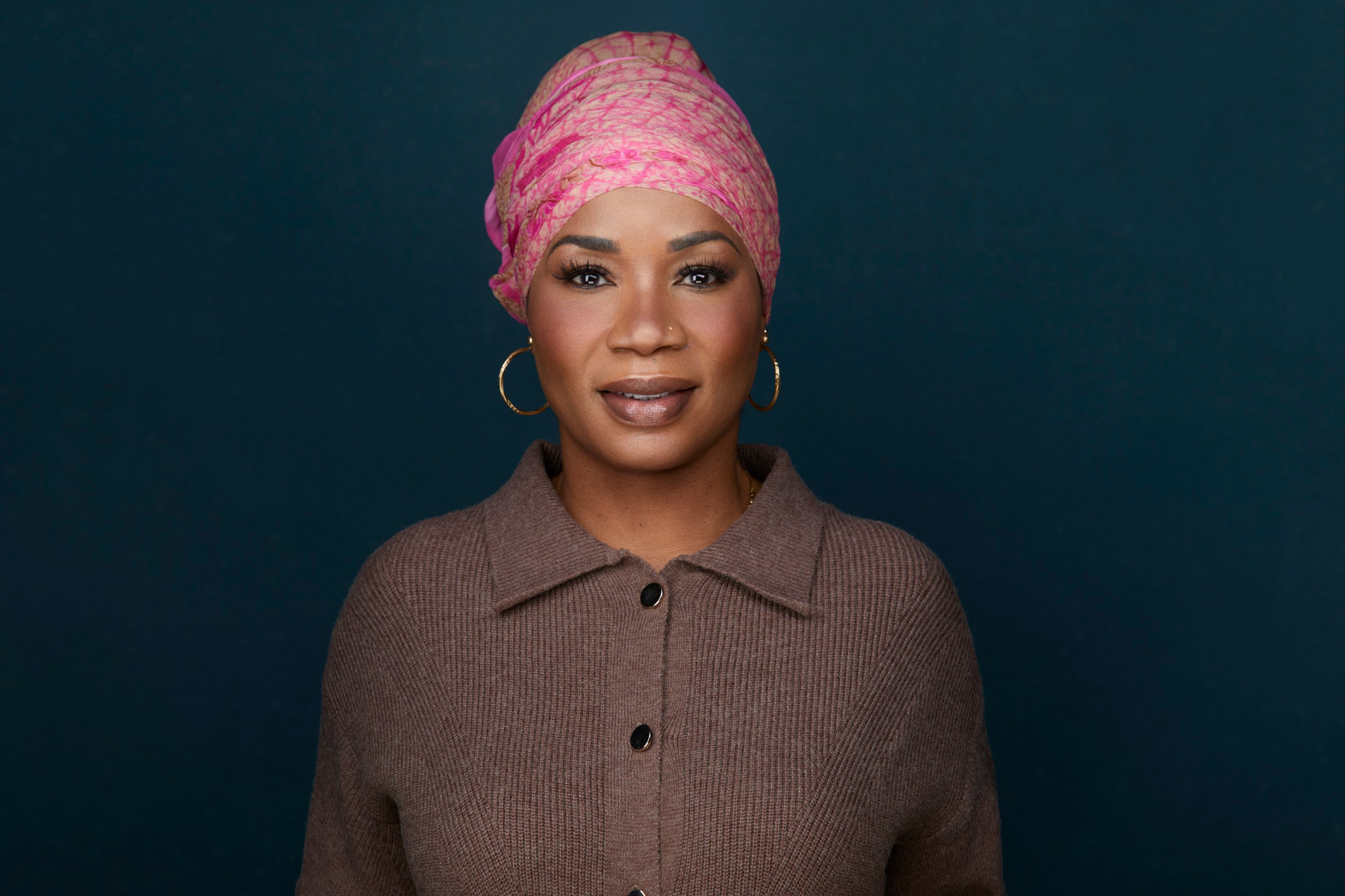
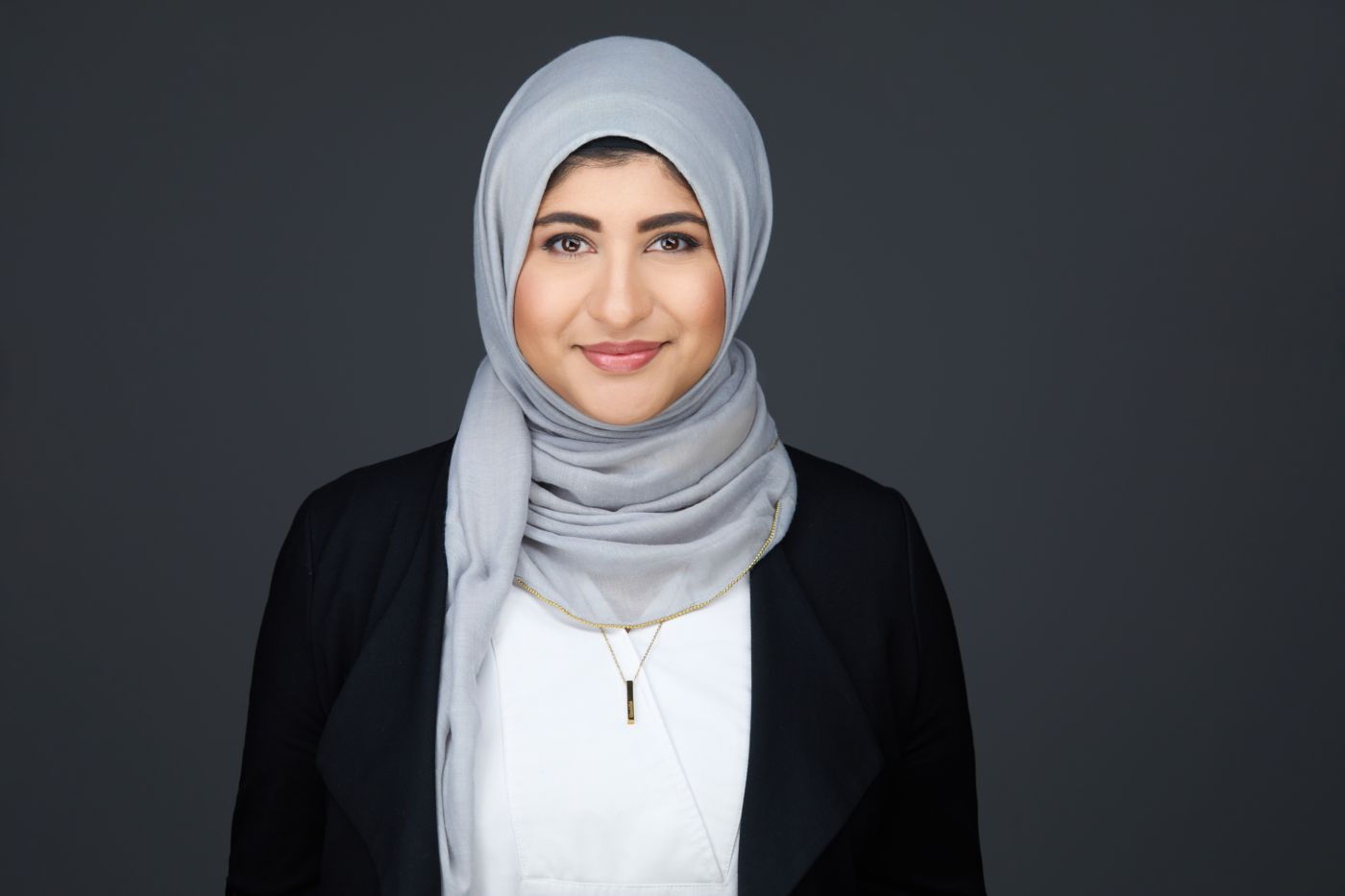
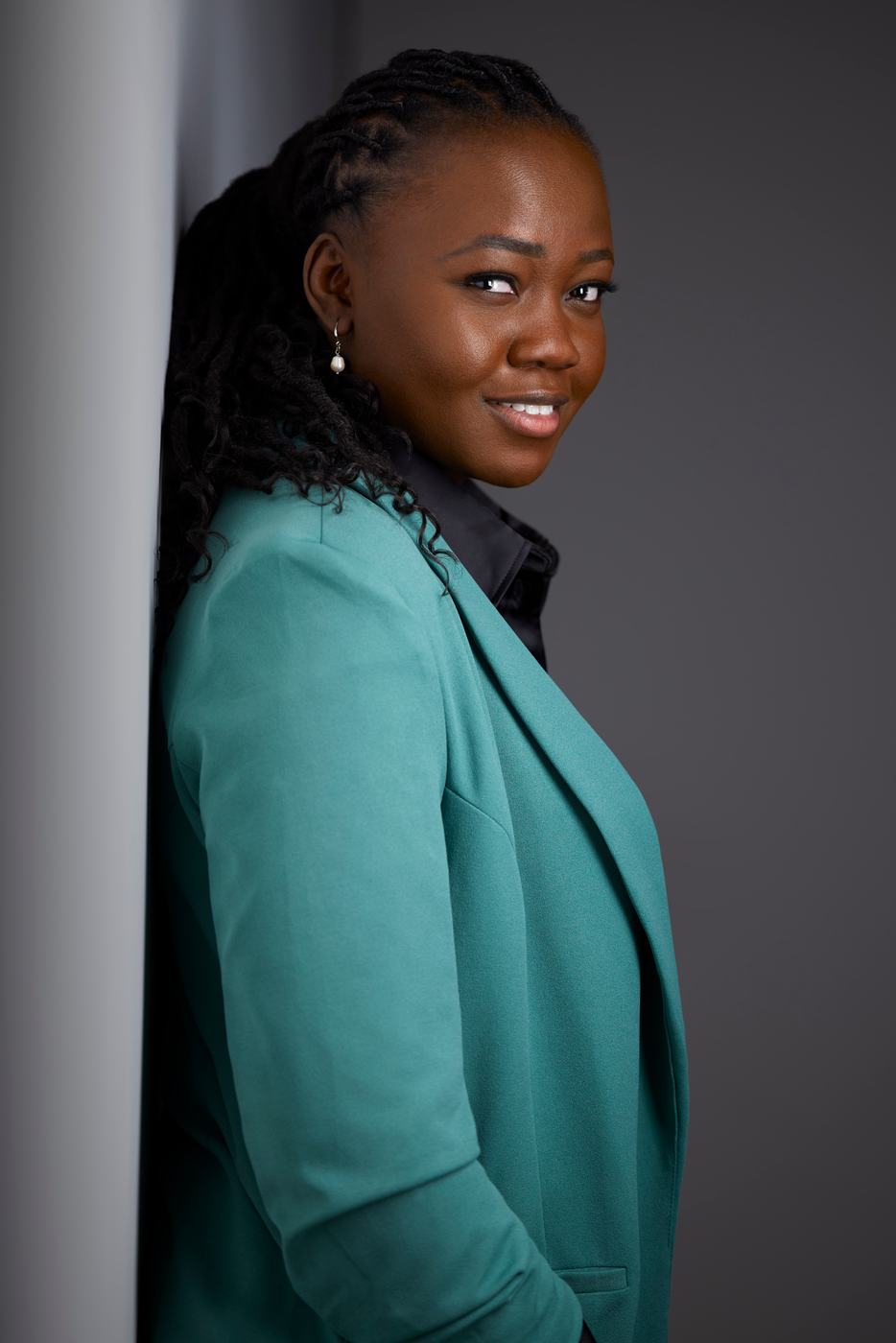
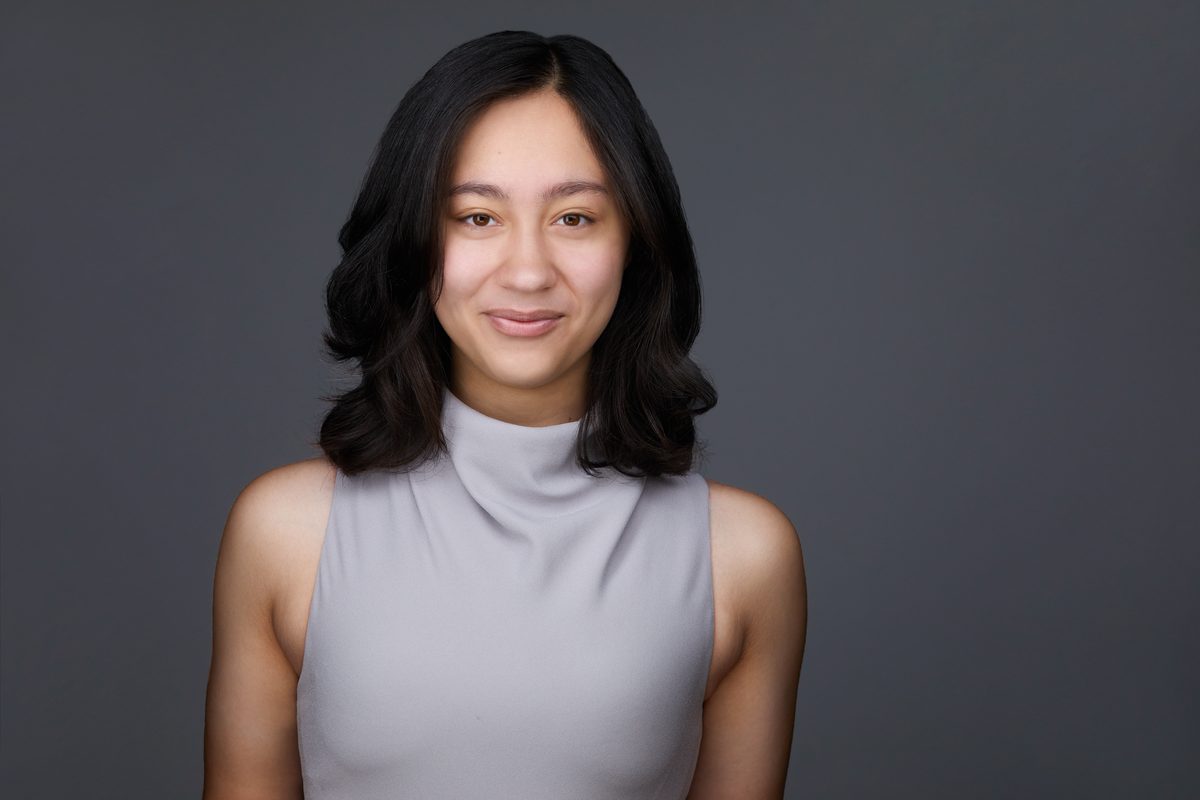
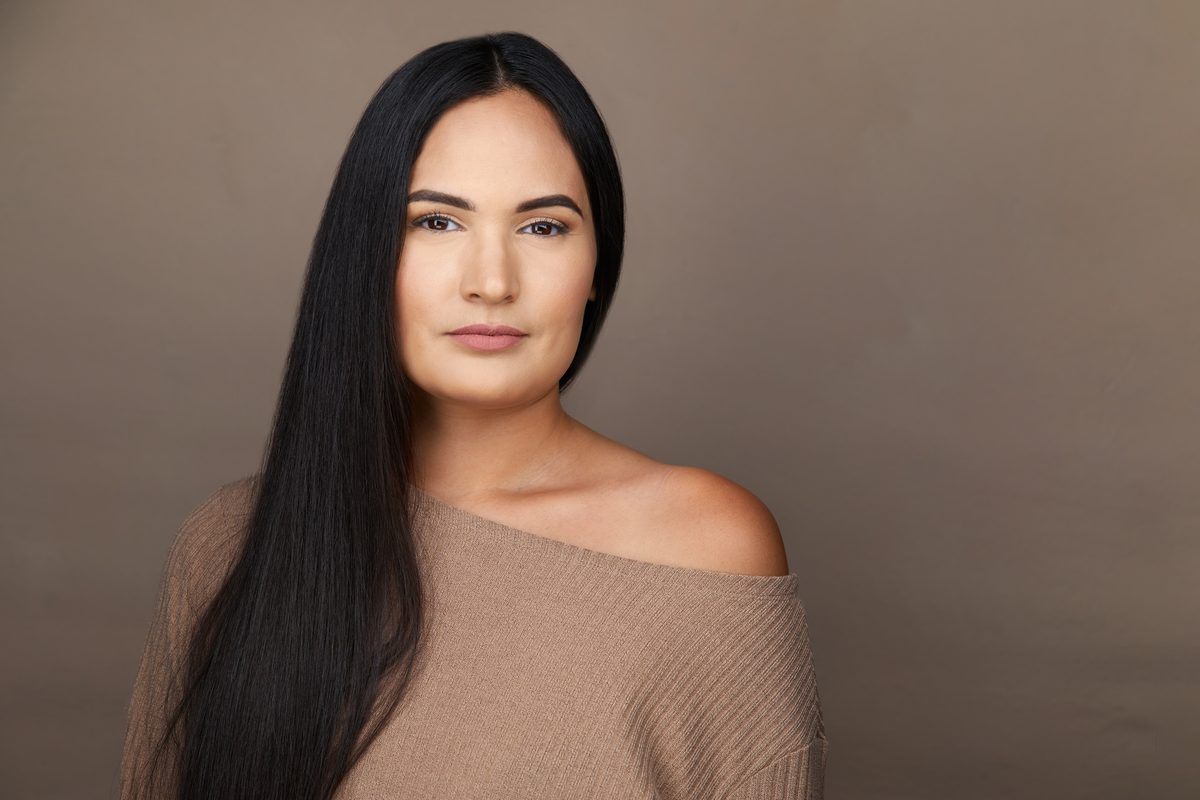
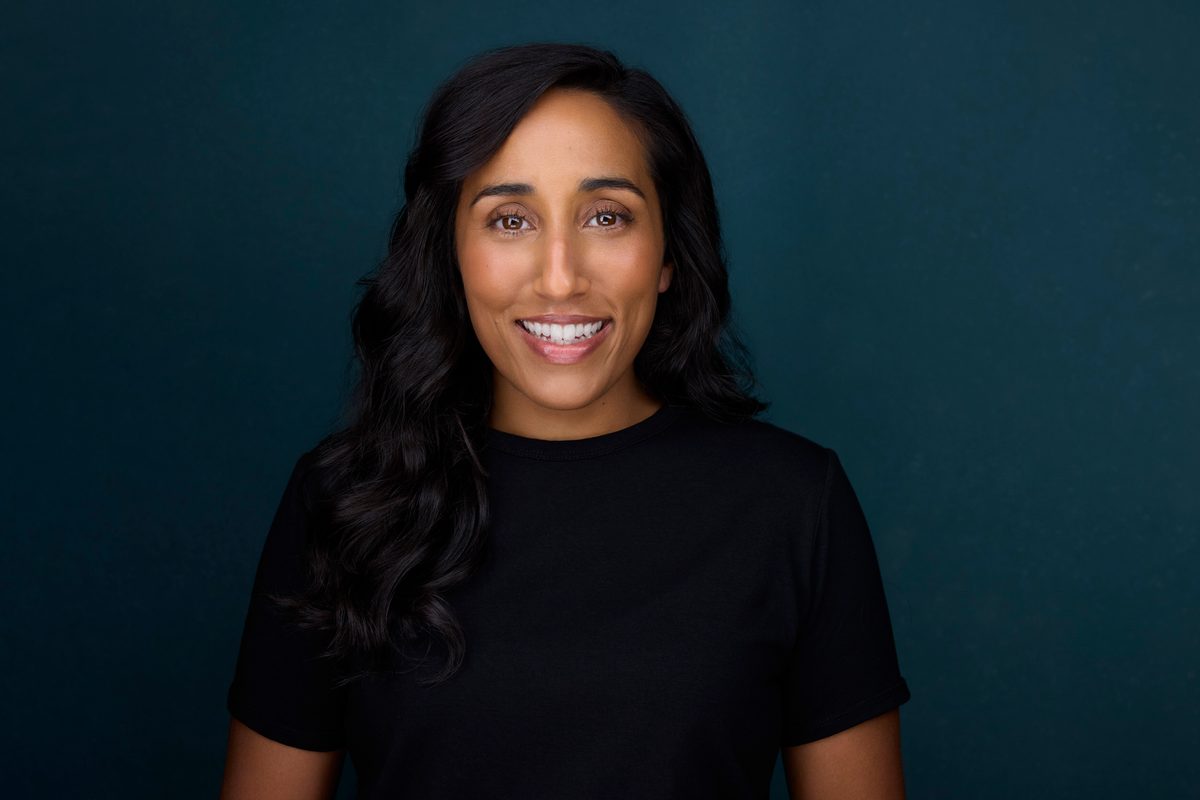
Wear it the way you would on a day you want your hair to look good, whatever that looks like: straight, curly, coily, braided, locs, a fresh fade, a hijab, a headwrap or a turban. Bring what you’d normally use for touch-ups before a big meeting or an audition. Don’t worry about flyaways. Those are easy to clean up in retouching.
Haircut timing is different for everyone. Some people love their hair right after a cut, or get it done professionally the morning of the shoot. Others like a week for it to grow in. You know what works for you.
About Natural Hair
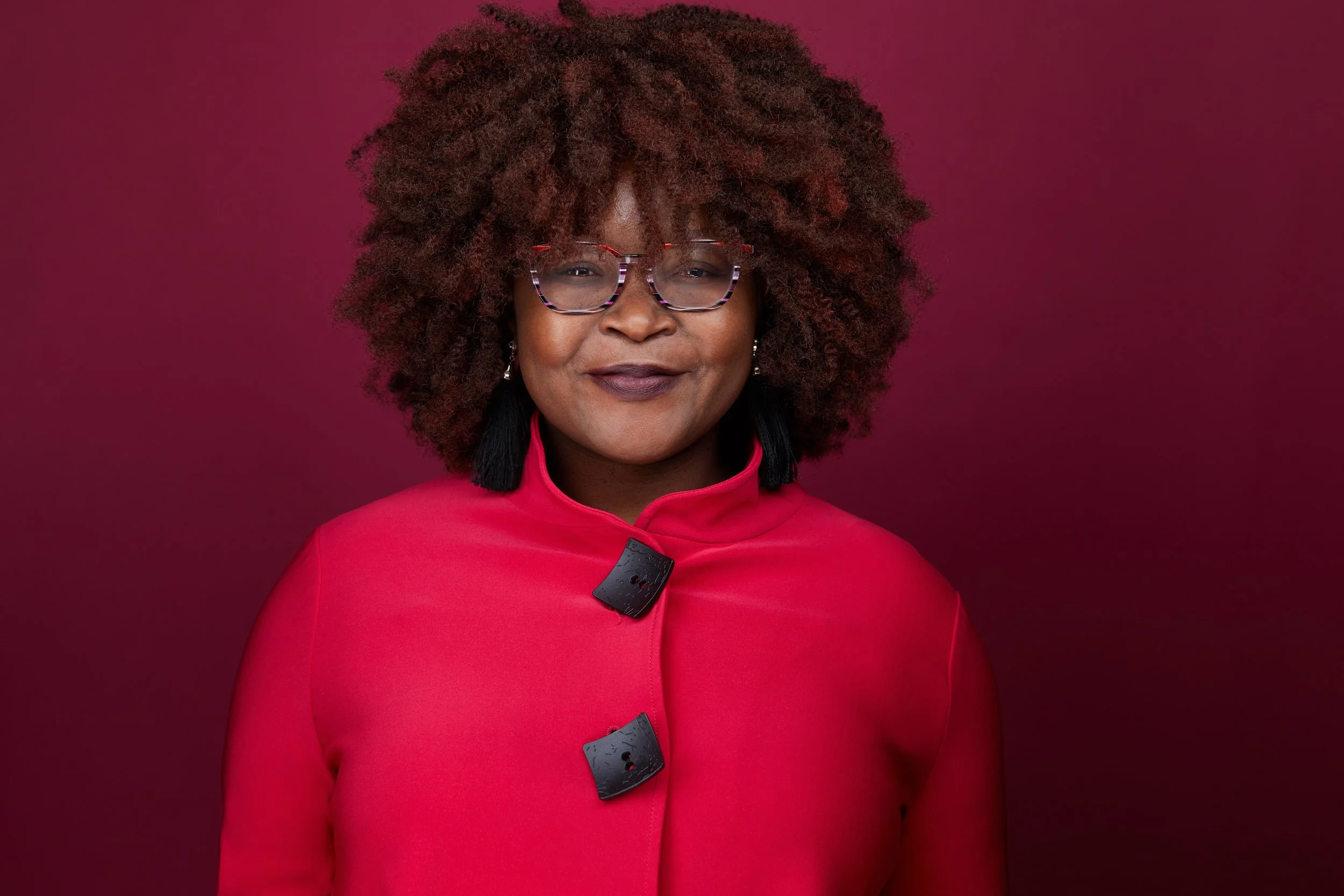
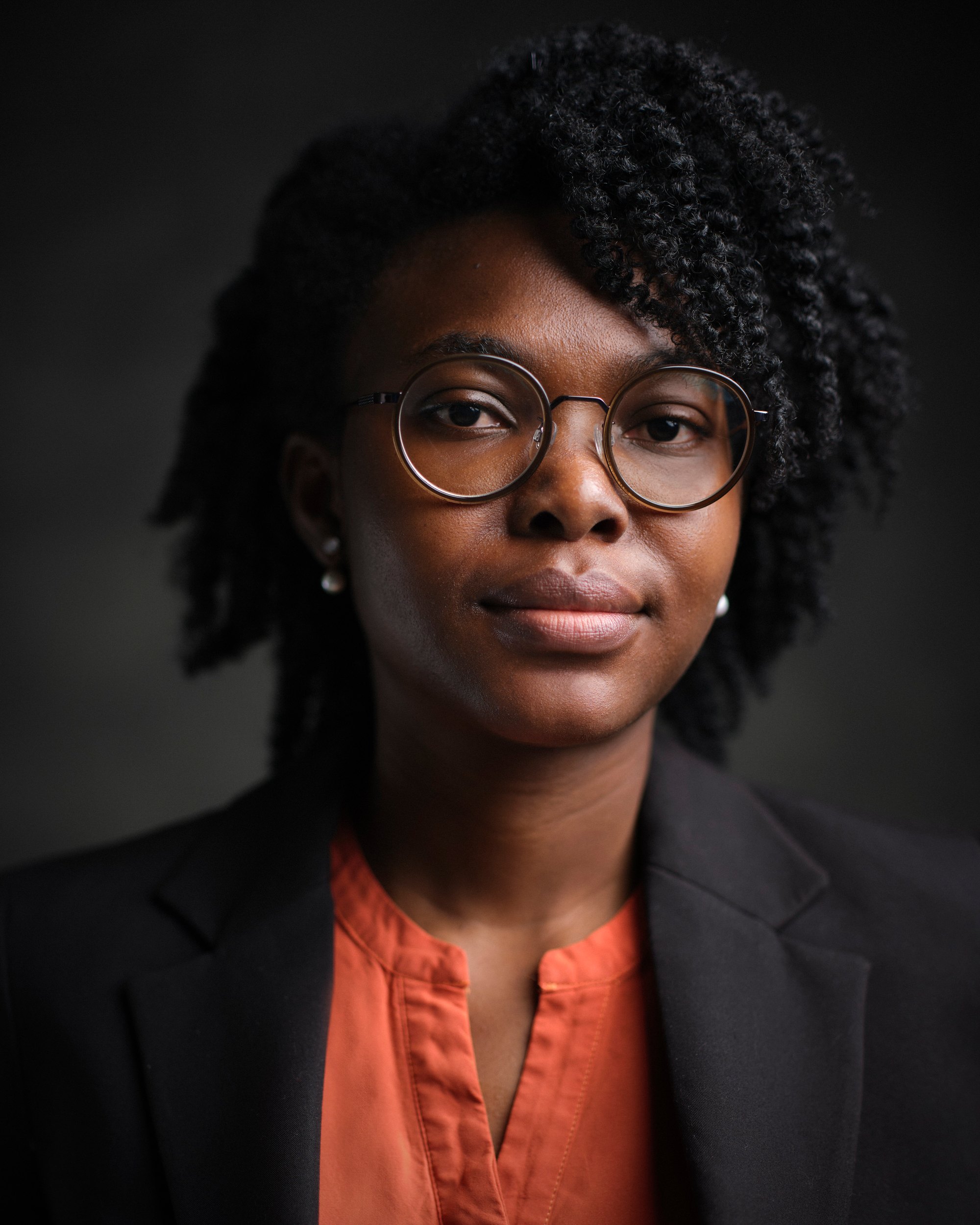
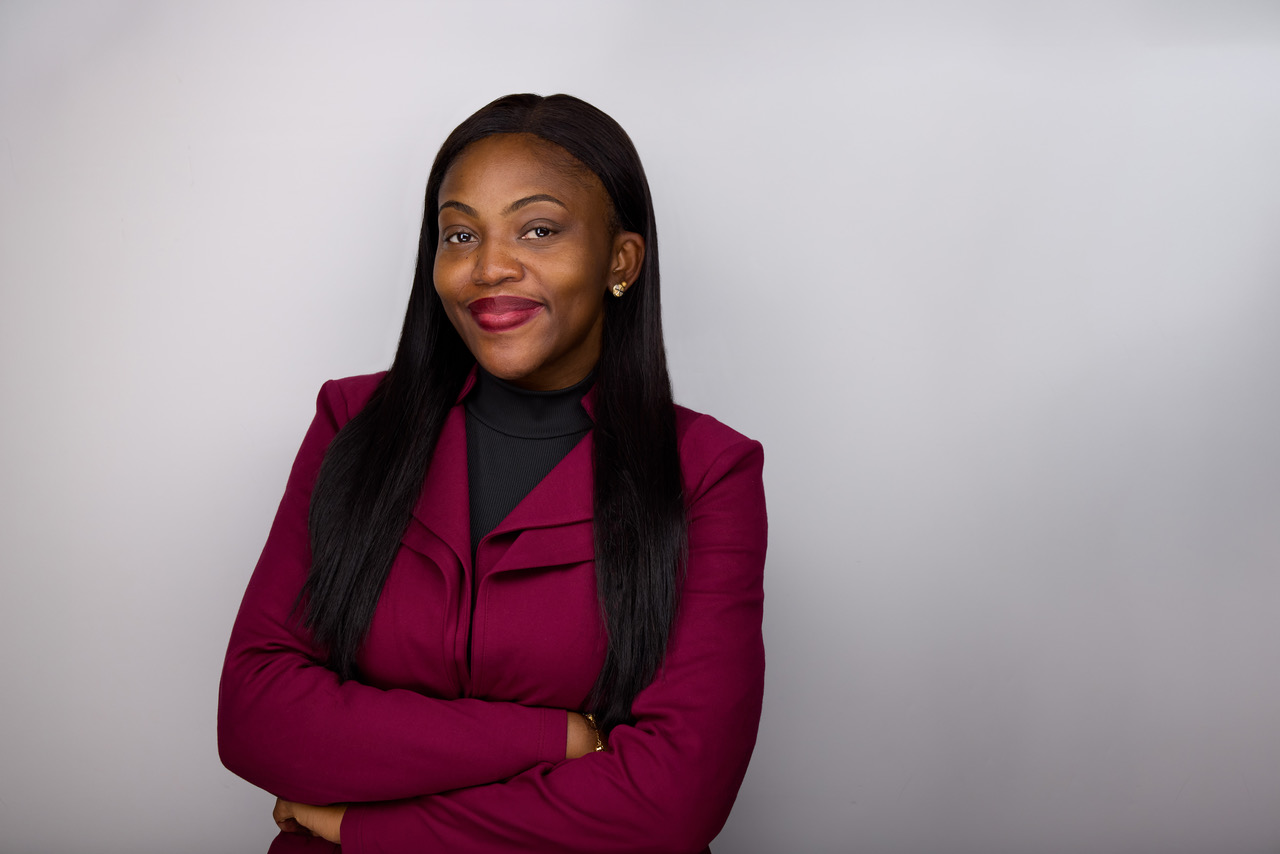
Research shows a real bias against it. In one set of studies, people acting as recruiters rated Black women with natural hair as less professional than the same women with straightened hair. In a 2023 survey, 44% of American Black women under 34 said they felt pressure to have a headshot with straight hair. And it isn’t one group’s bias. Black and white raters both showed it. I don’t agree with it, and the only way it changes is if we stop going along with it. So go with your gut and wear your hair the way that feels like you. A photographer’s job is to make it look great.
Makeup: Less Than You Think
If you wear makeup, keep it close to how you’d wear it on a good day. In one study, people saw the same women with no makeup and with natural, professional and glamorous looks. At a quick glance, every look helped. But given time to look, people found the glamorous look less trustworthy. Another study found women wore more makeup than people actually preferred, and that people wrongly assumed everyone else wanted more. Makeup trends also date a photo fast, while a natural look holds up. And blemishes can be cleaned up in retouching.
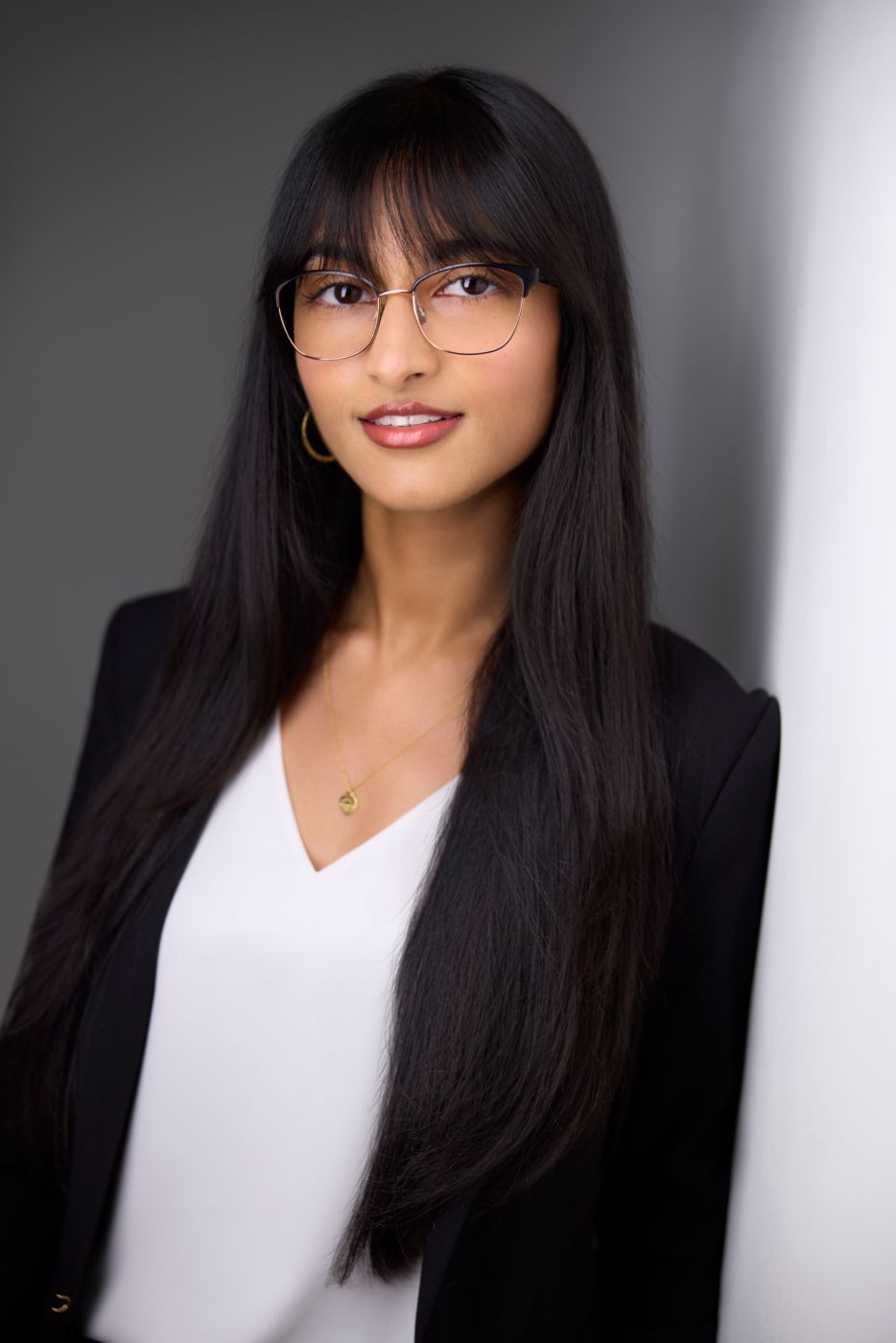
Some definition still helps. Makeup works partly by making your eyes and lips stand out a little from your skin. So a lip colour close to your own is a good idea, matte or glossy. Gloss gives a dewy look, which some people love and some don’t. It can catch the light, but that’s easy to retouch.
Go light on powder. Heavy powder shows fine skin texture on camera, and heavy “HD” setting powders can flash white under a flash. For shine, I much prefer blotting papers. My favourites are Tatcha’s Aburatorigami Japanese blotting papers. They soak up shine without disturbing makeup, and they work whether you wear makeup or not. A light matte powder can help with shine too.
A few things I’ve seen work against people: heavy eyeliner top and bottom, heavy eyeshadow, brows pencilled in with a hard line, false lashes, which can weigh down your eyelids, heavy blush and lip liner.
All of that comes with one big exception. If a defined makeup look is part of who you are, wear it. Your headshot should look like you, whatever anyone tells you, me included.
Glasses
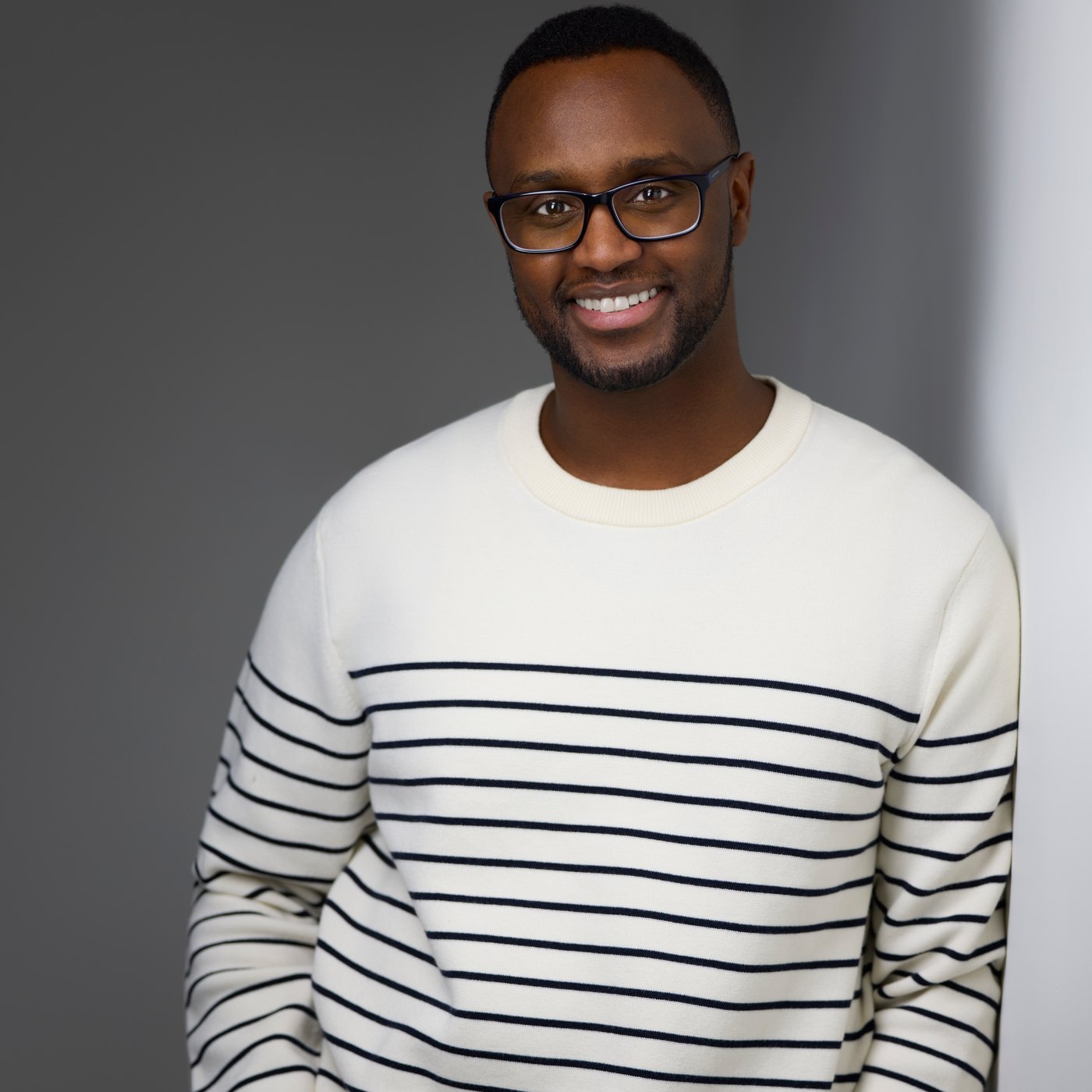
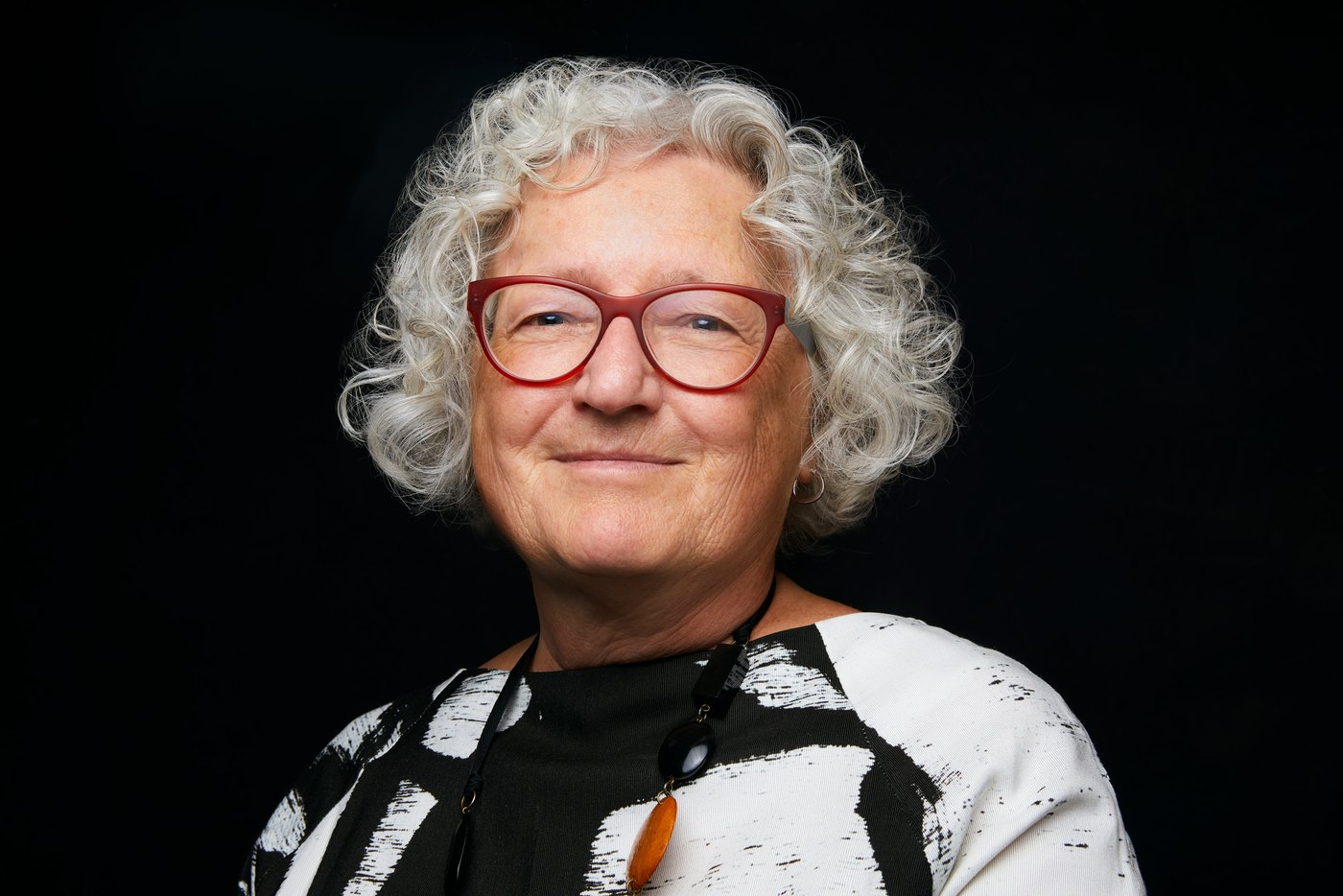
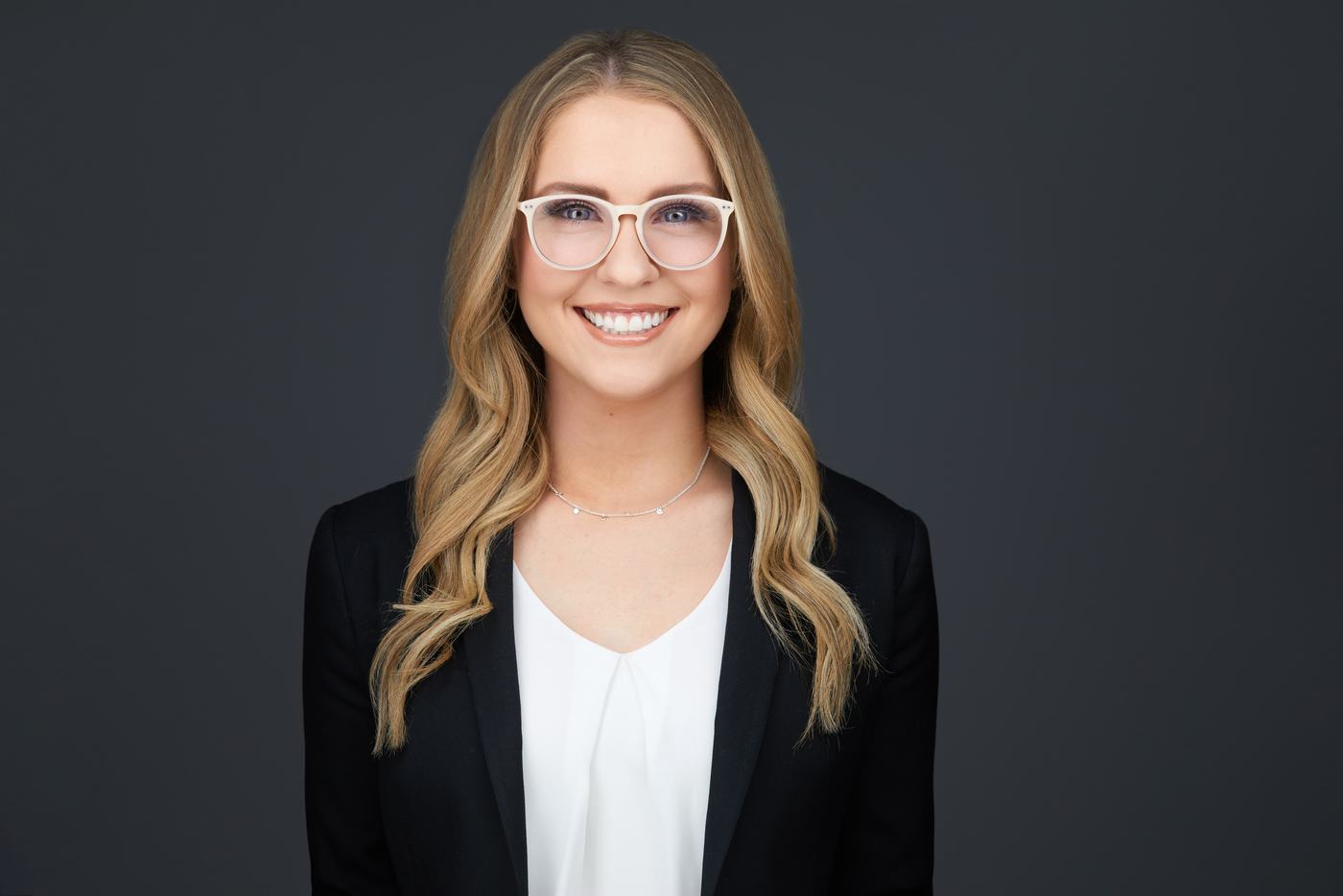
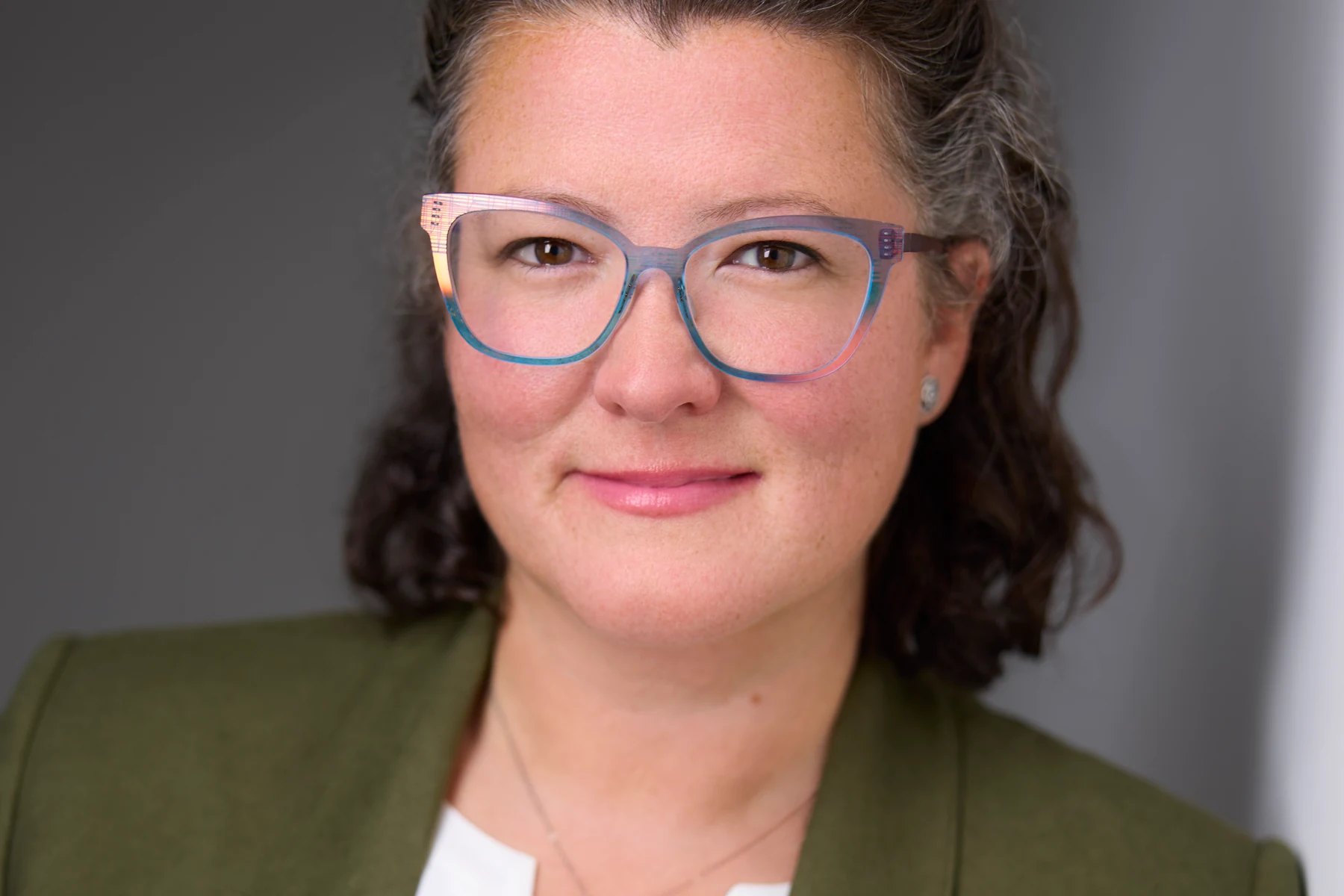
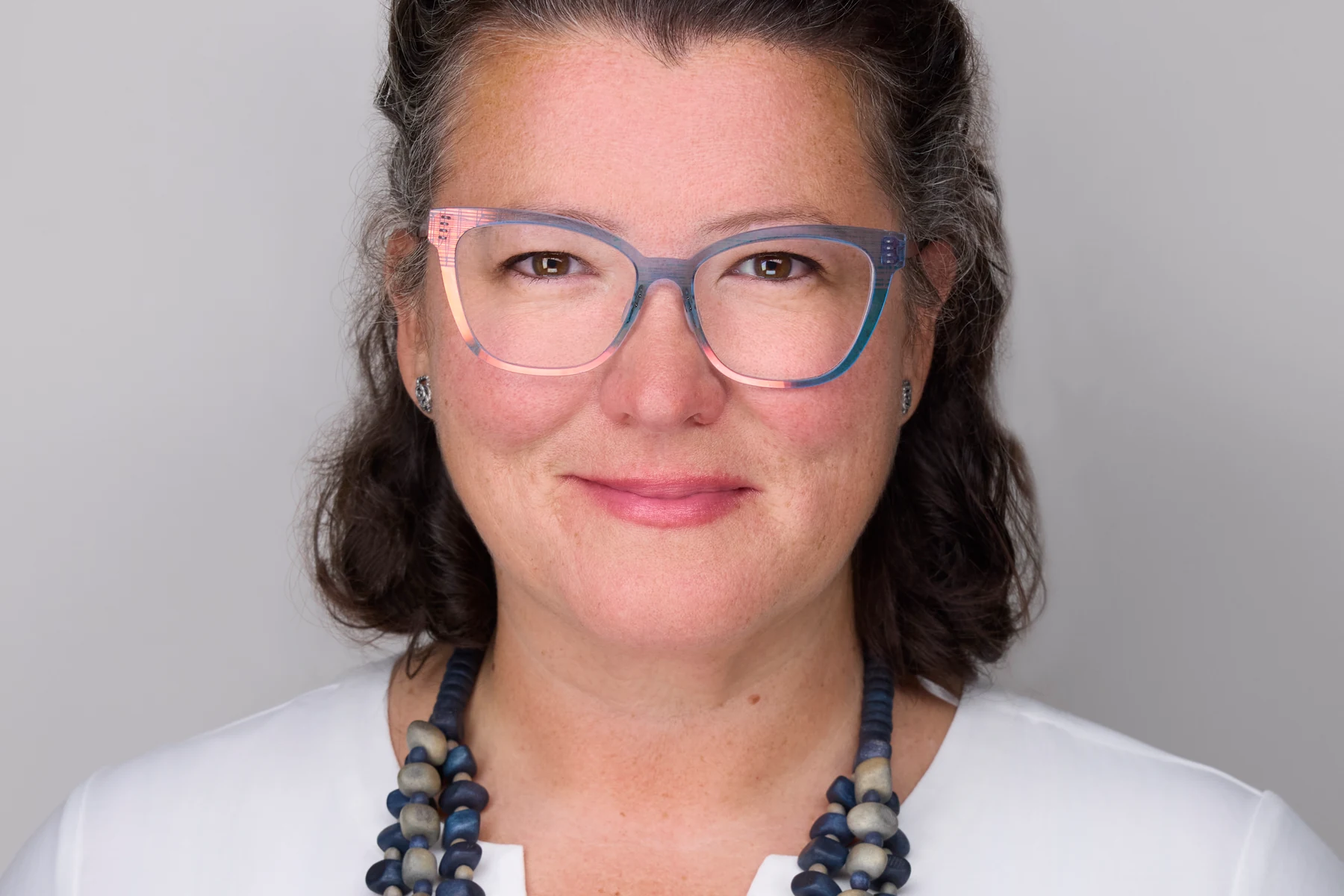
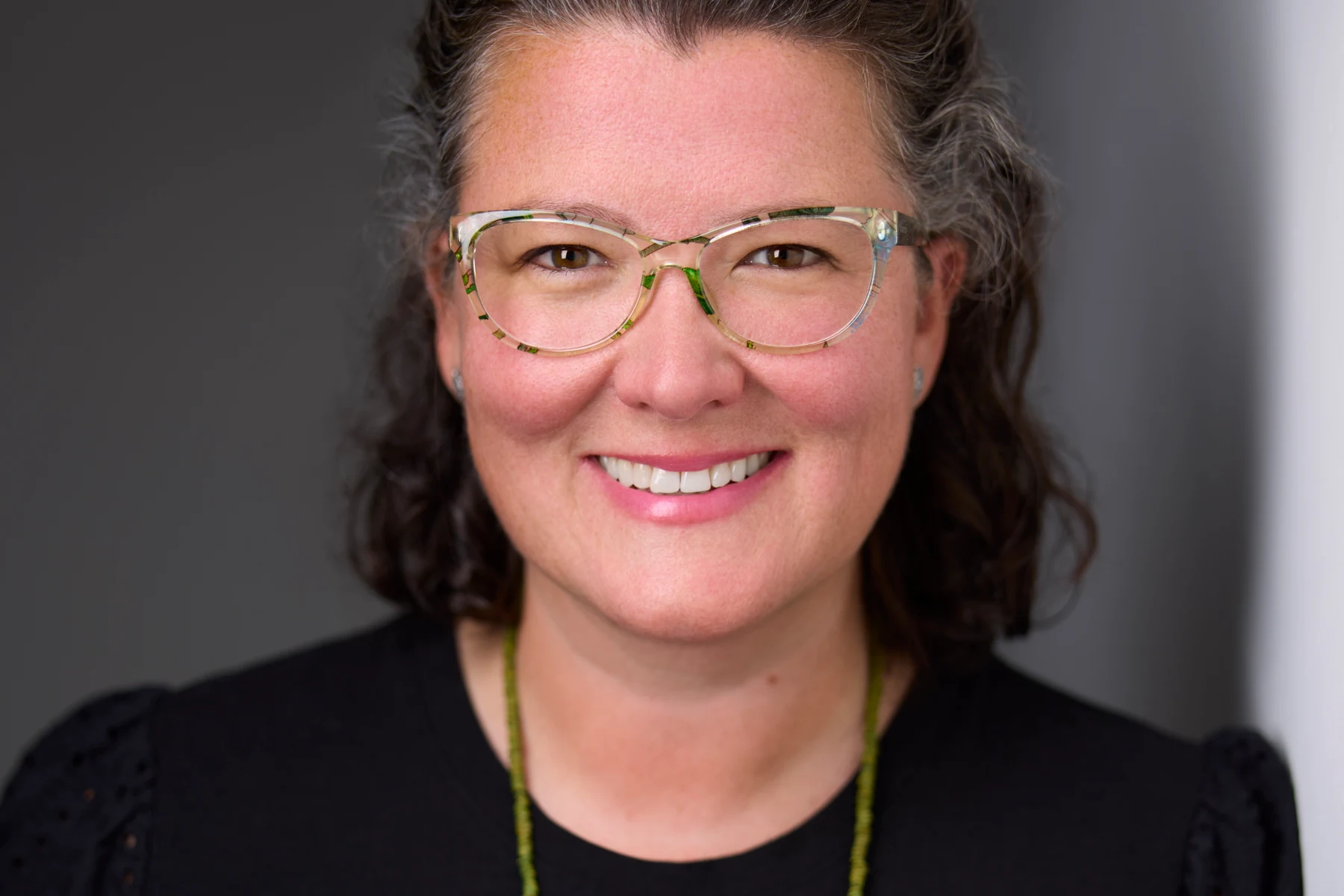
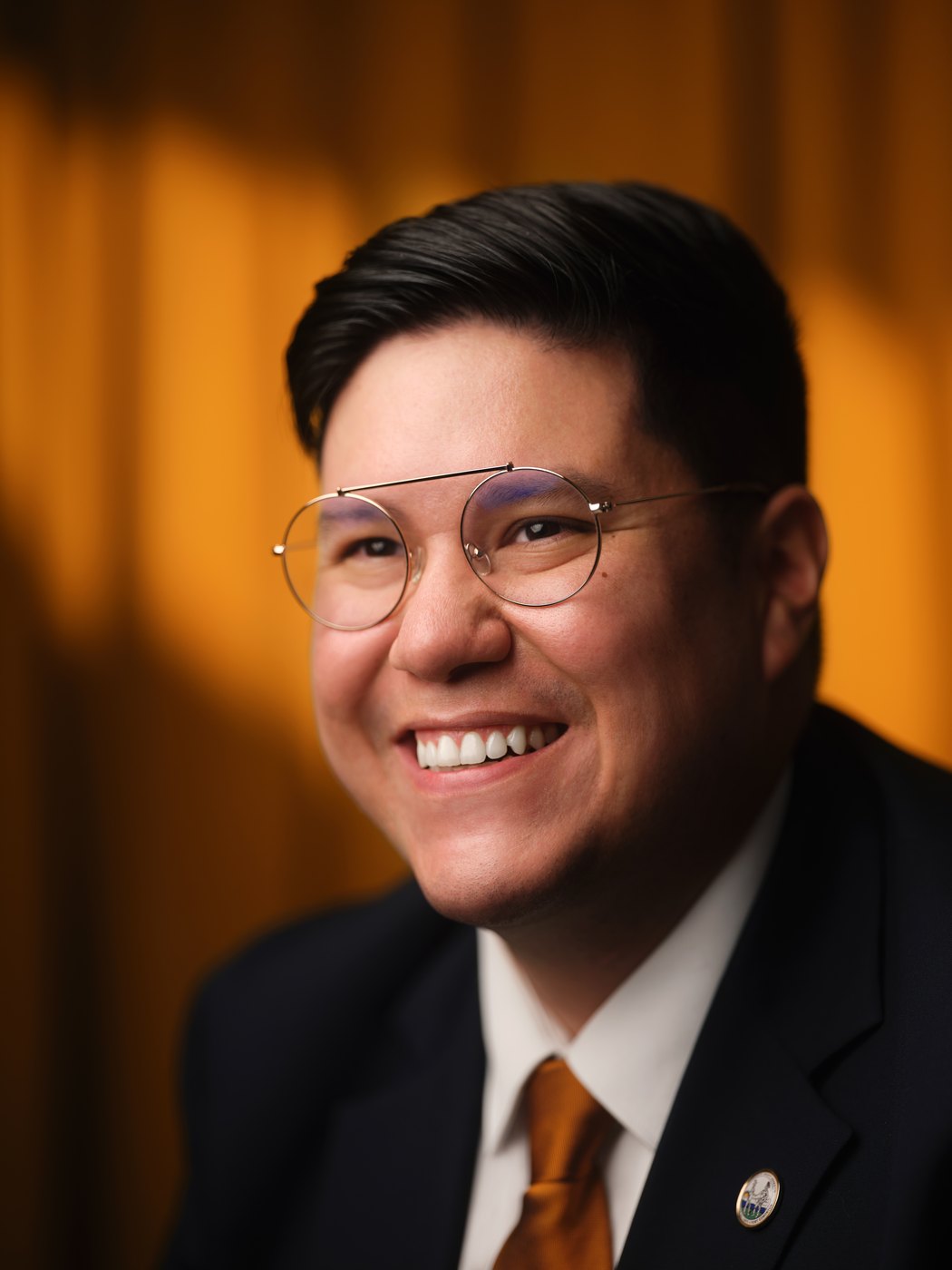
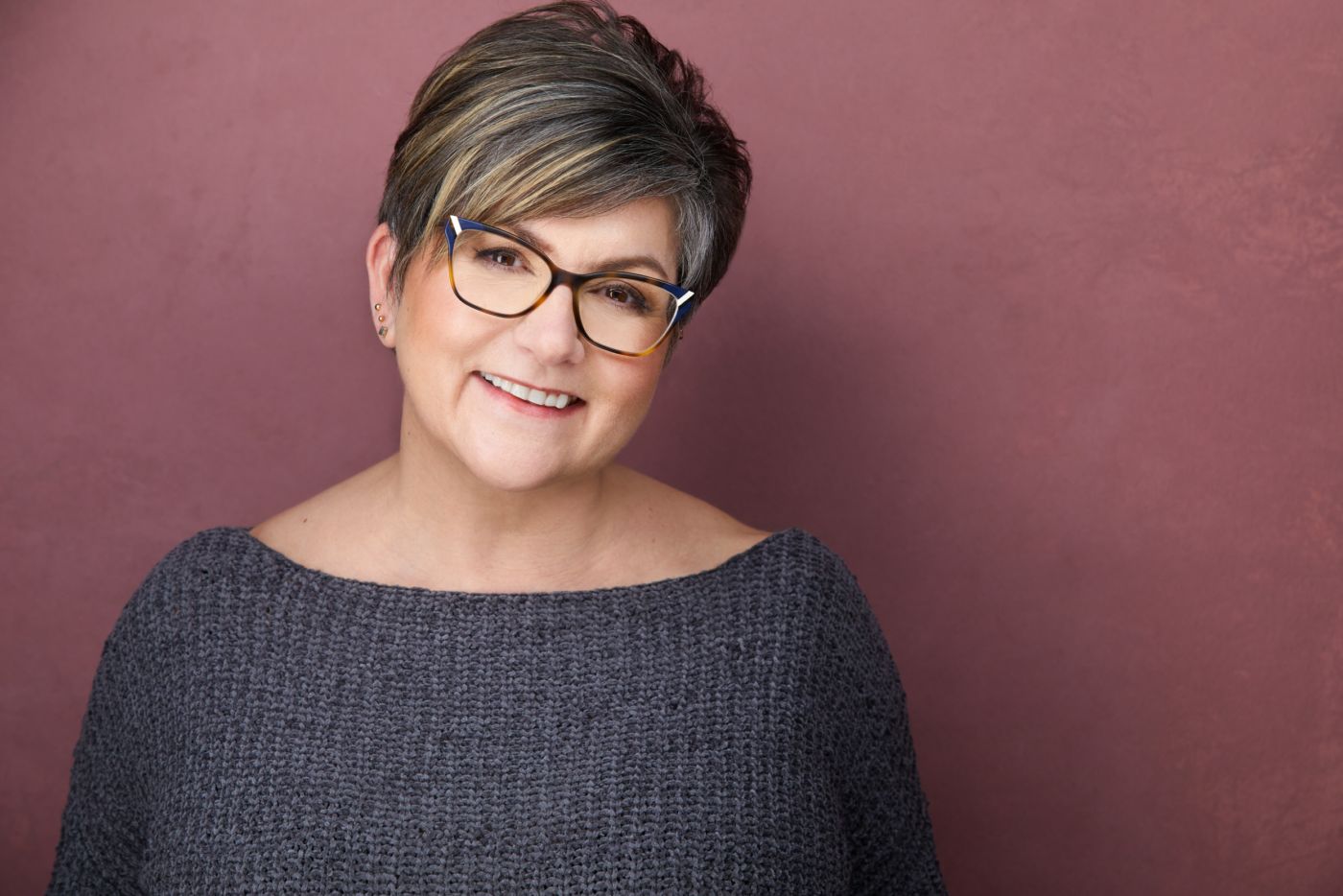
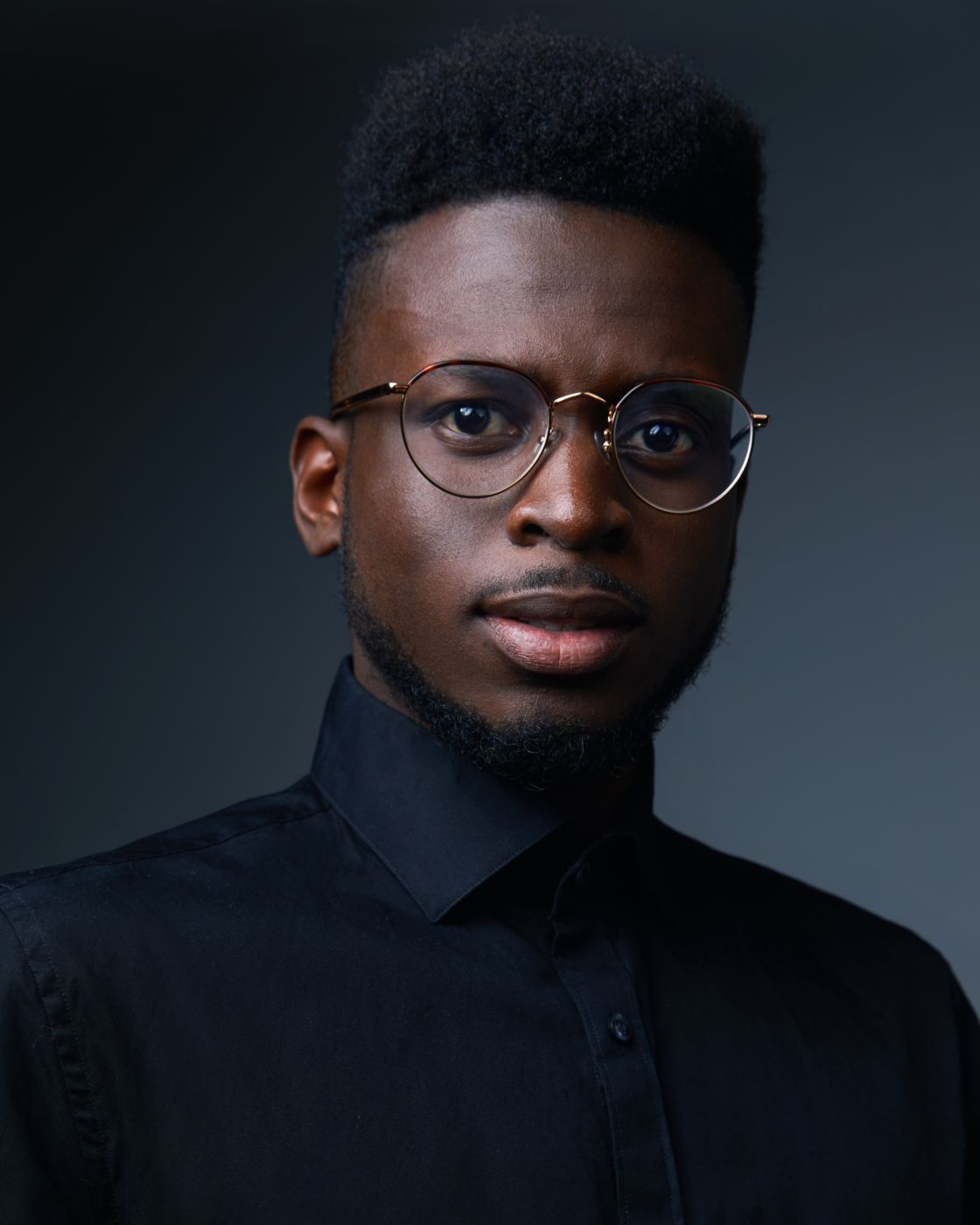
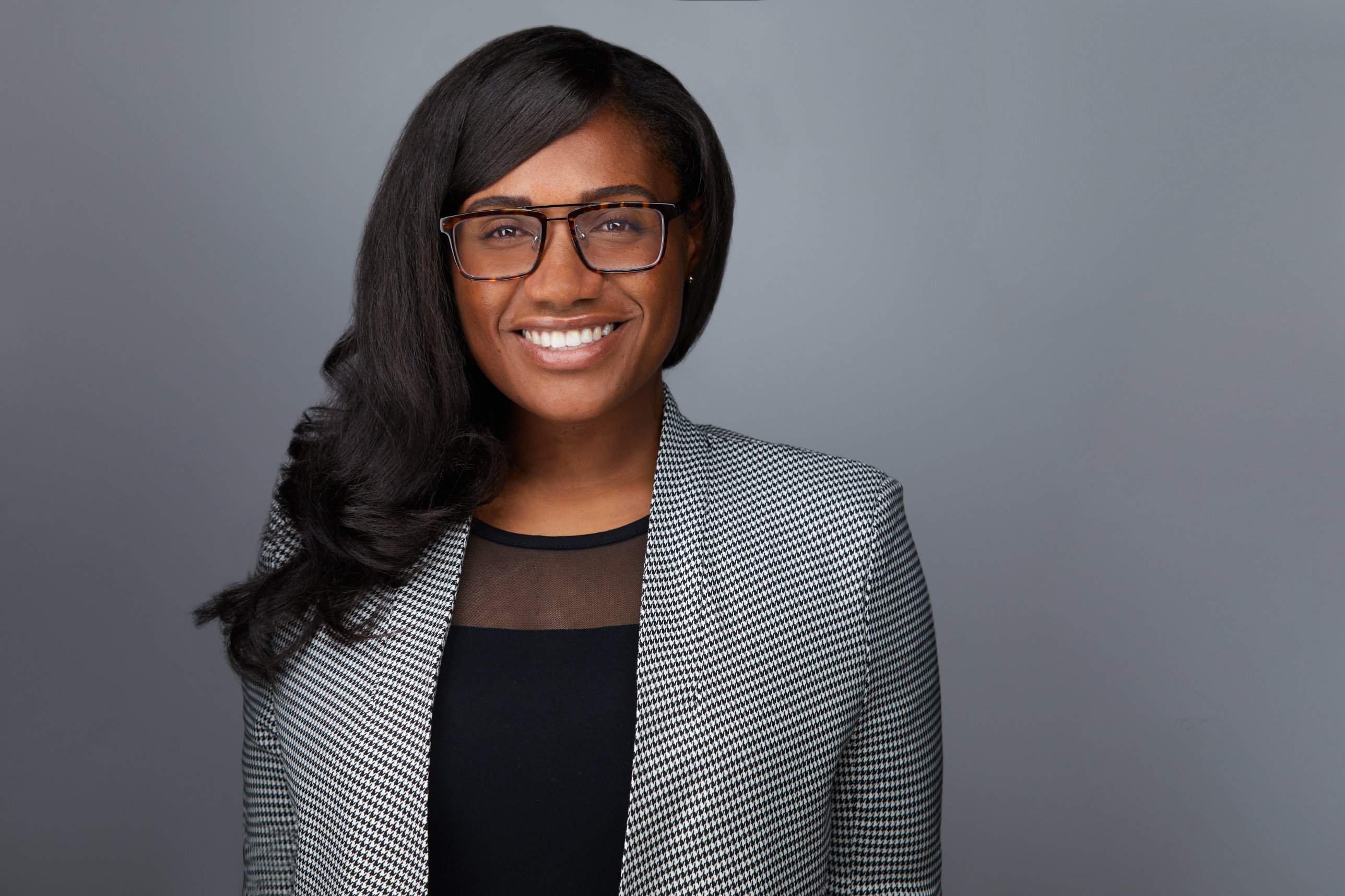
If people know you in your glasses, keep them on. A headshot is meant to help people recognize you. In a study at the University of York, people were about 80% accurate at telling whether two photos showed the same stranger when both photos had glasses or neither did. When only one photo had glasses, accuracy dropped about six points. And in the same study that tested ties, glasses made the men look both more competent and warmer.
Glare off your lenses is a lighting problem, so it’s on your photographer to fix, usually by moving the light or fixing it in retouching. If you’re not sure about wearing them, bring them and try it both ways.

On the day
Bring options.
Wear Something You Feel Good In
You may have heard that putting on a doctor’s lab coat made people sharper on an attention test. That famous study didn’t hold up when another lab repeated it. But when the original researchers pulled together 40 studies, the newer, better-run ones did find that what we wear has a small to moderate effect on how we think, feel and act. So if there’s a piece that makes you feel like yourself, wear it. If there’s one you’ve been eyeing, buy it and keep the receipt.
Bring Options, and Check as You Go
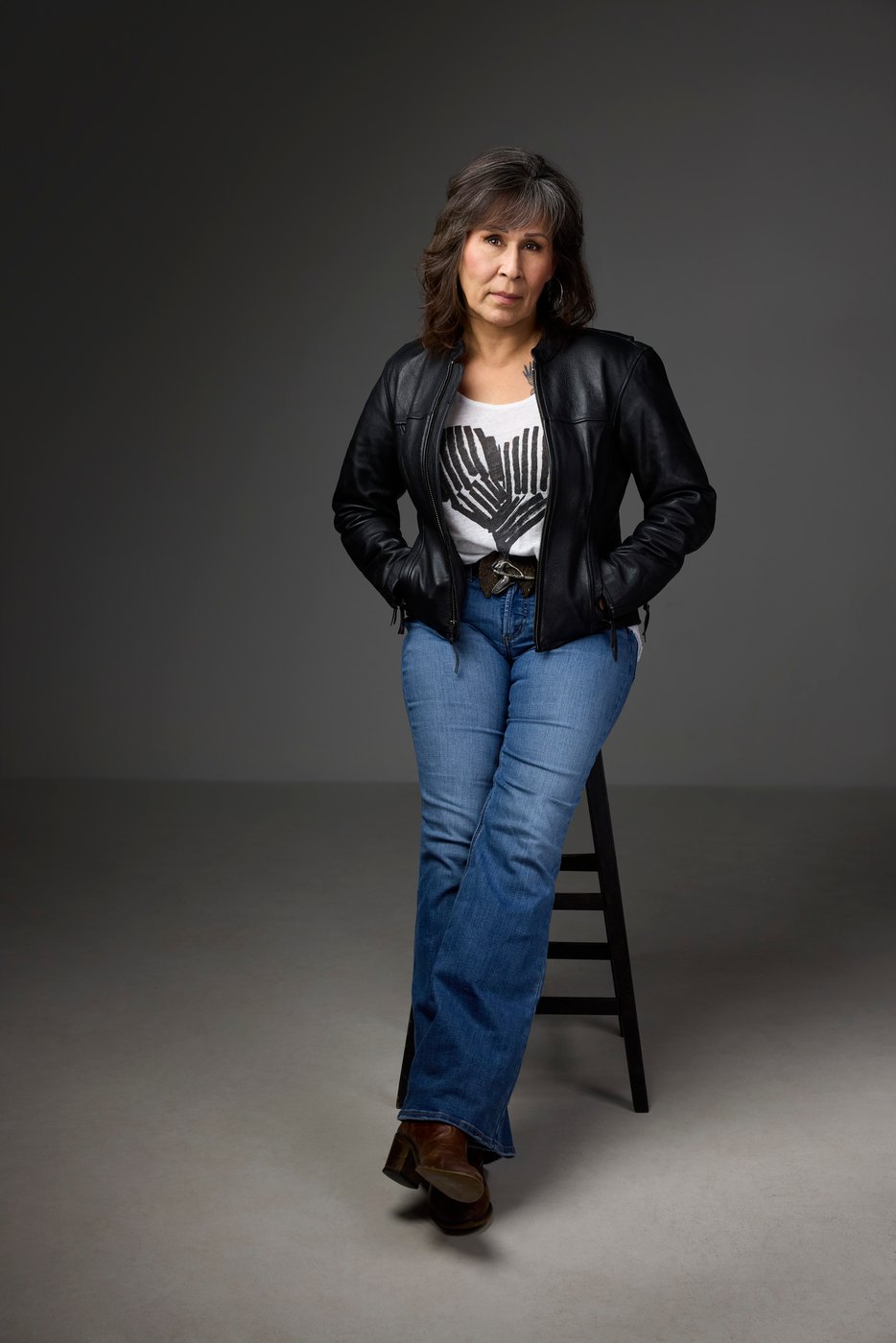
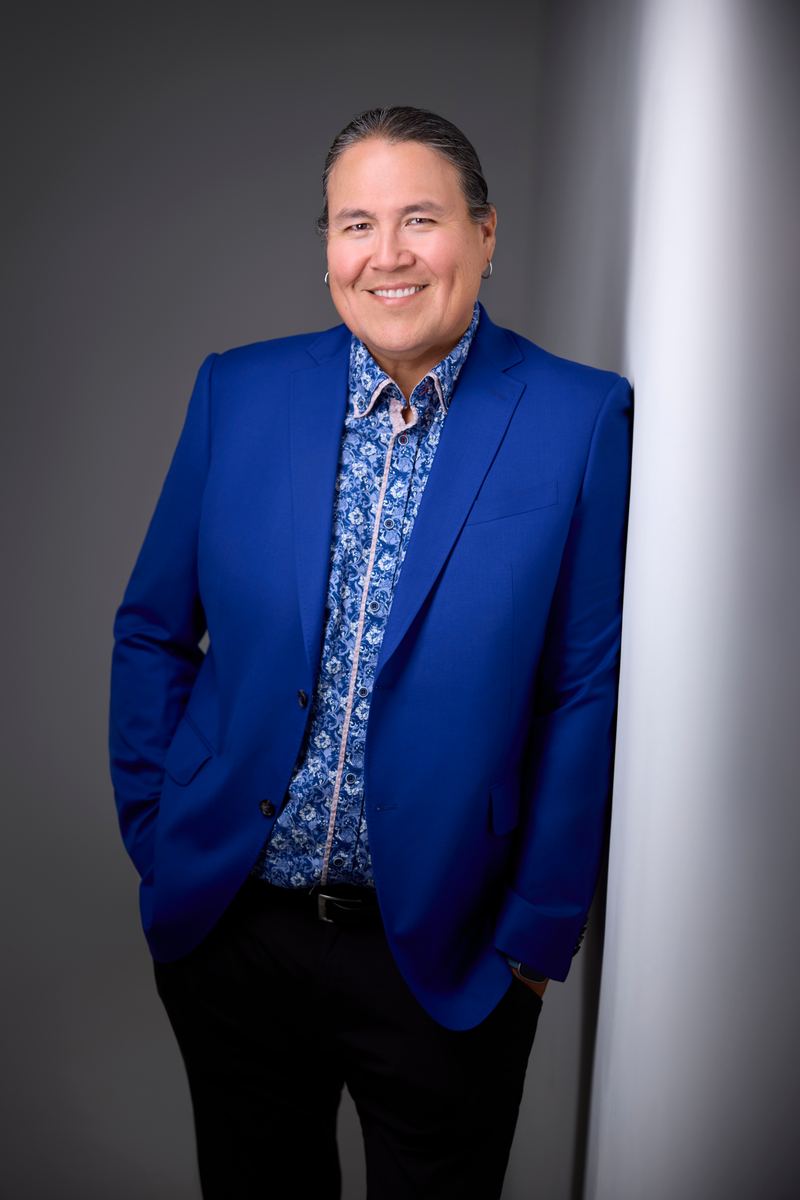
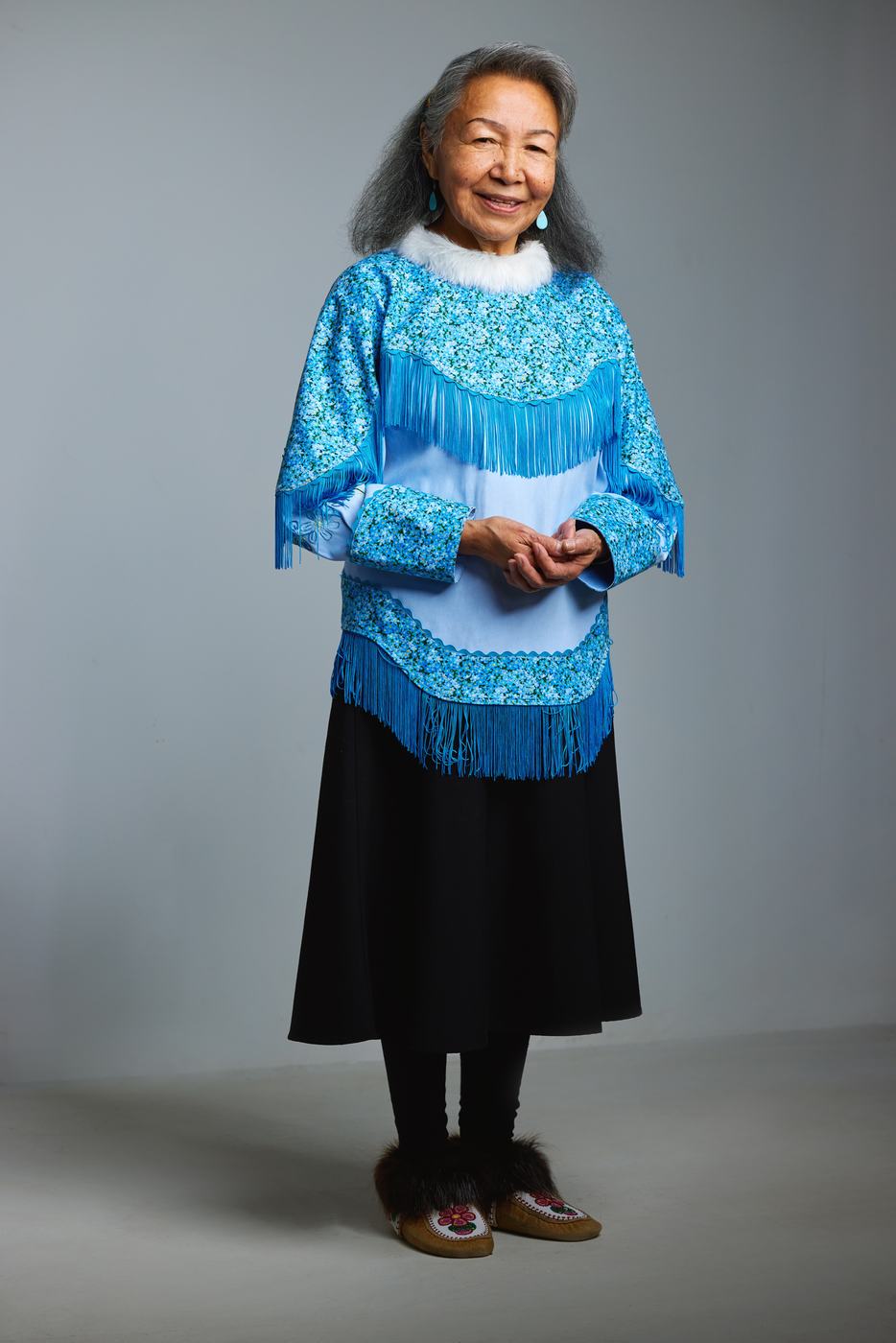
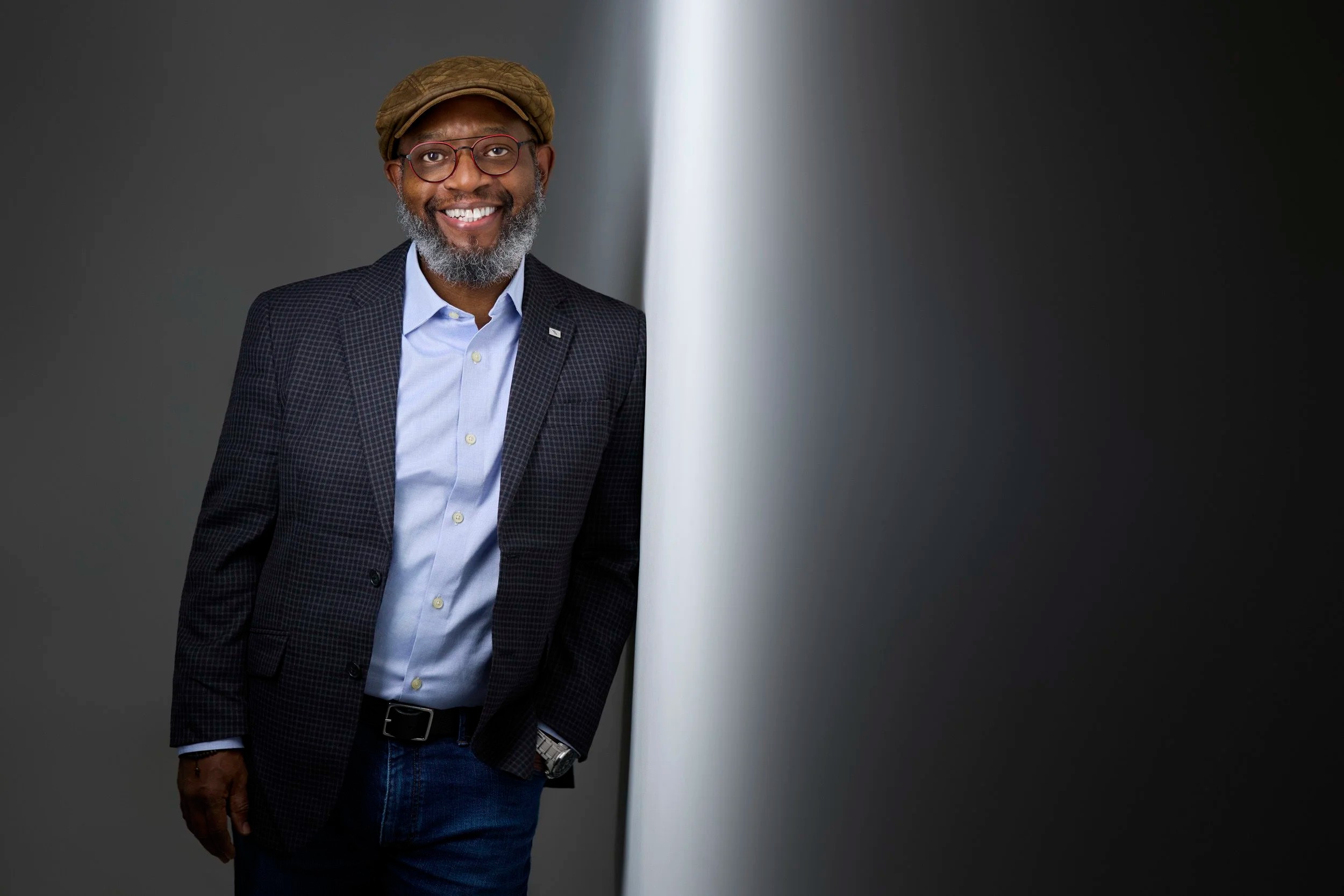
Bring more than you think you need: a couple of classic, simple pieces and one or two with more personality. Clothes can look different on camera than they do in the mirror, so the best test is the screen. Ask your photographer to show you the photos as you shoot, and swap things out as you go.
And let your face be the first thing people notice. If someone’s first reaction to your headshot is “wow, look at that top,” the photo starts to say something else the longer they look at it: look at my outfit instead of my face. A standout outfit can be great in a portrait or an editorial shoot. In a headshot, your face is the point.
One last thing. In a 2025 study, people judged the same faces in formal and casual clothes, with different expressions. The clothes made a difference, but the expression made a much bigger one. So pick clothes you can forget about once you’re in front of the camera, and put your energy into looking like yourself.
Above all, trust yourself.
Need a headshot in Edmonton?
Get In Touch