
Essay
Face Value
AI headshots have crossed the uncanny valley. A photographer on what’s waiting on the other side.
Or start from any section with “Listen from here.”
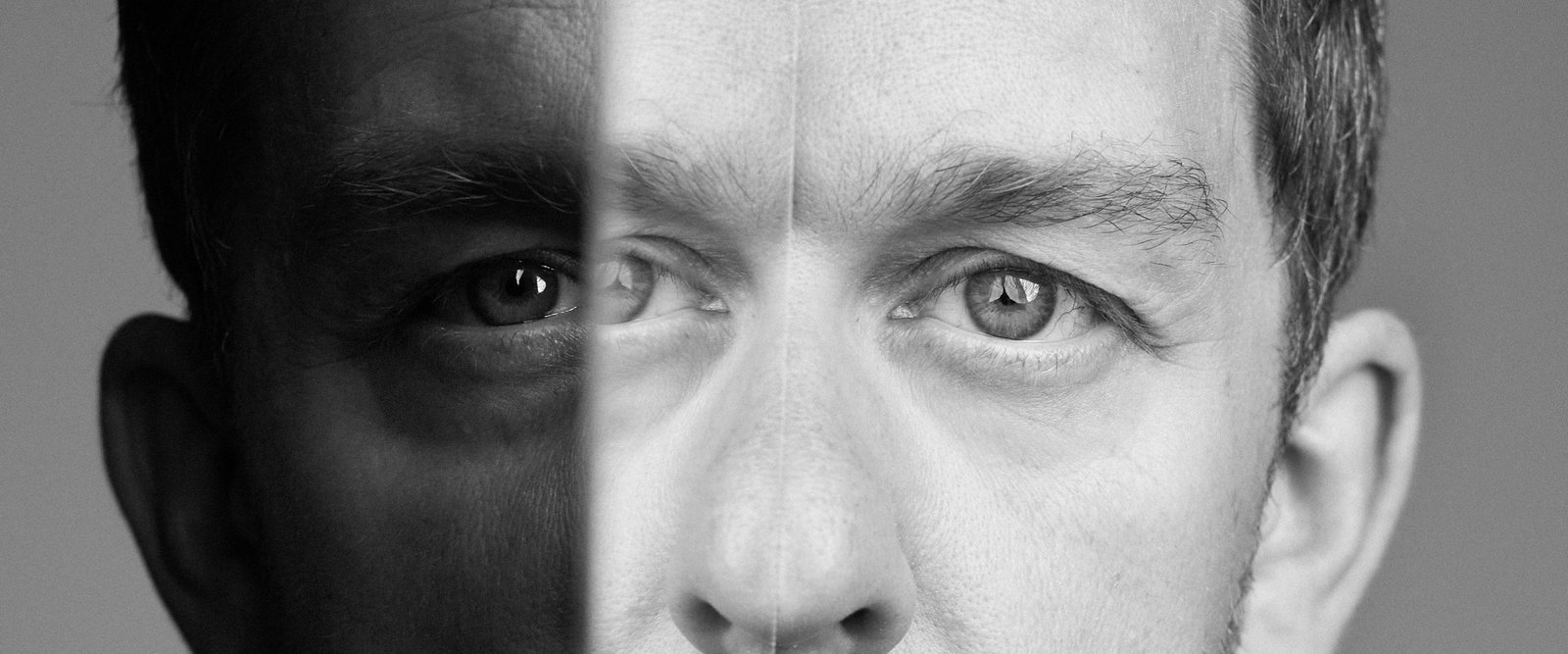
In January 2026, a friend of mine reached out. His office wanted a professional headshot, and he said I was the first person he thought of. It had been a while since we’d talked, and I was excited to see him.
Not long after, he wrote back. His company had decided to save some money and have one photographer shoot the whole office, so he’d take advantage of that. Fair enough.
The photographer they brought in didn’t do headshots day to day, and when the proofs came back a few days later, he didn’t like a single one. By the sound of it, he wasn’t the only one in the office. So he sat on them, until work texted a couple of weeks later: we need your headshot, can you pick one today?
He wasn’t going to use any of those and needed something that day, so he gave an AI headshot generator a handful of selfies and sent his boss the best result.
His boss wrote back: “Wow, that’s great. Thanks so much.” No questions asked.
His mom loved it too. She thought it was a great picture of him, and she wanted to know where he got the jacket. He didn’t own that jacket. Nobody did. The AI made it up. So he told her the photographer had it on hand and clipped it to fit. Which is a pretty good answer, to be fair. Photographers really do clip a jacket at the back to make it sit right.
I saw the photo on LinkedIn before he ever showed it to me. I’ve spent close to fifteen years looking at faces for a living, and my honest answer is that I could tell, but I also couldn’t.
His boss and his mom both loved it, and neither of them could tell. The photo did its job. What it asked of him in return was a little story about a jacket.
I get it. His back was against the wall, and AI was the easy way out. I also don’t, and working out why is what the rest of this is about.
So I tried it myself.
The first app was awful. The results came back almost instantly, and it had basically cut my head out and put it on someone else’s body. In some I looked like a man-child. In others I looked like a shrunken head from Beetlejuice.
Then my wife looked at them. She didn’t think they were good, but she’d expected them to be terrible, and they weren’t. She was surprised at how close to acceptable they were.
That’s when I felt it. The man in those pictures was broader than me, more muscular and better looking than me. That’s not my body. She wasn’t telling me I looked great, and she wasn’t wishing I looked like that. She was just surprised. But someone who loves me was looking at a version of me that never existed and finding it almost acceptable, and it hurt. Just a little, and just for a second, but I felt it. And those were the bad ones.
The second service took about half an hour, and these were much better. They look a lot like the one my friend showed me. I gave it about twenty selfies, and it kept three: one serious, one with a half smile and one with a full smile. What came back was the same face turned different ways, in clothes I don’t own. I’d even picked a couple of fuller-length outfits, and it cropped them in close anyway.
I can see why someone would put one of these on LinkedIn. At that size, they pass. I also know I’m biased. I look at faces for a living, and someone outside my industry would probably like them more than I do. That might be the part that worries me most.


Whether anyone can tell is a question that’s being settled, and not in my industry’s favour. What I keep coming back to, and what I’ve started talking about with clients, is trust erosion: trust wearing away a little at a time, too quietly to notice while it’s happening. Some of it happens between you and the people who know you. More of it happens inside you.
Can Anyone Tell?
Most people assume they’d catch an AI headshot on sight, but current research says they wouldn’t.
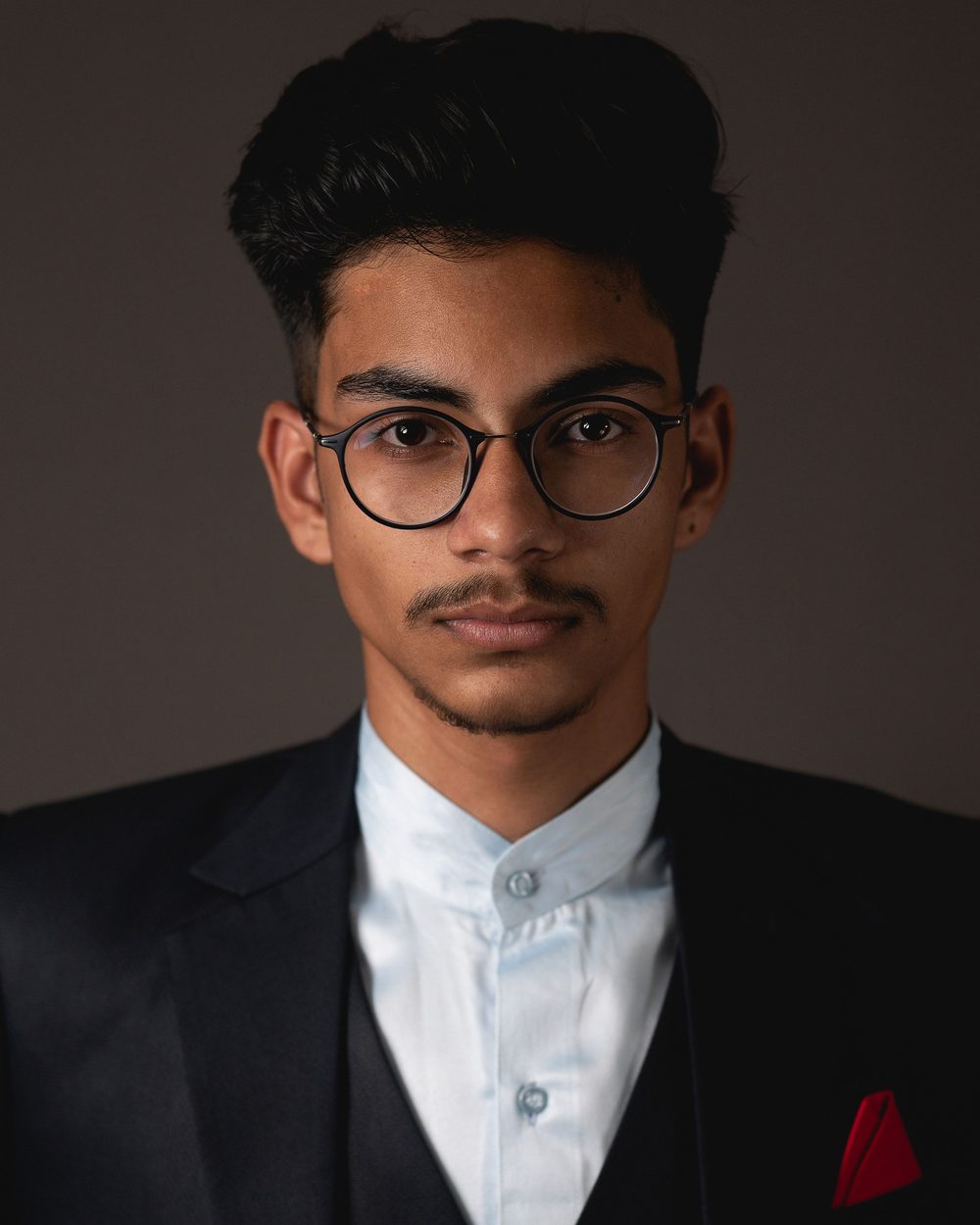

Real photo by Kaushal Moradiya on Pexels. AI face by Gemini.
In February 2026, a research team led by James Dunn at UNSW Sydney and Amy Dawel at the Australian National University put ordinary people up against super-recognizers, the rare few with a natural gift for faces whom police and forensic teams recruit. Ordinary people picked right 51% of the time, which is a coin flip. Super-recognizers managed 57%. The fakes that fooled people best looked a little too good to be true: more symmetrical, better proportioned and less distinctive than a real face.

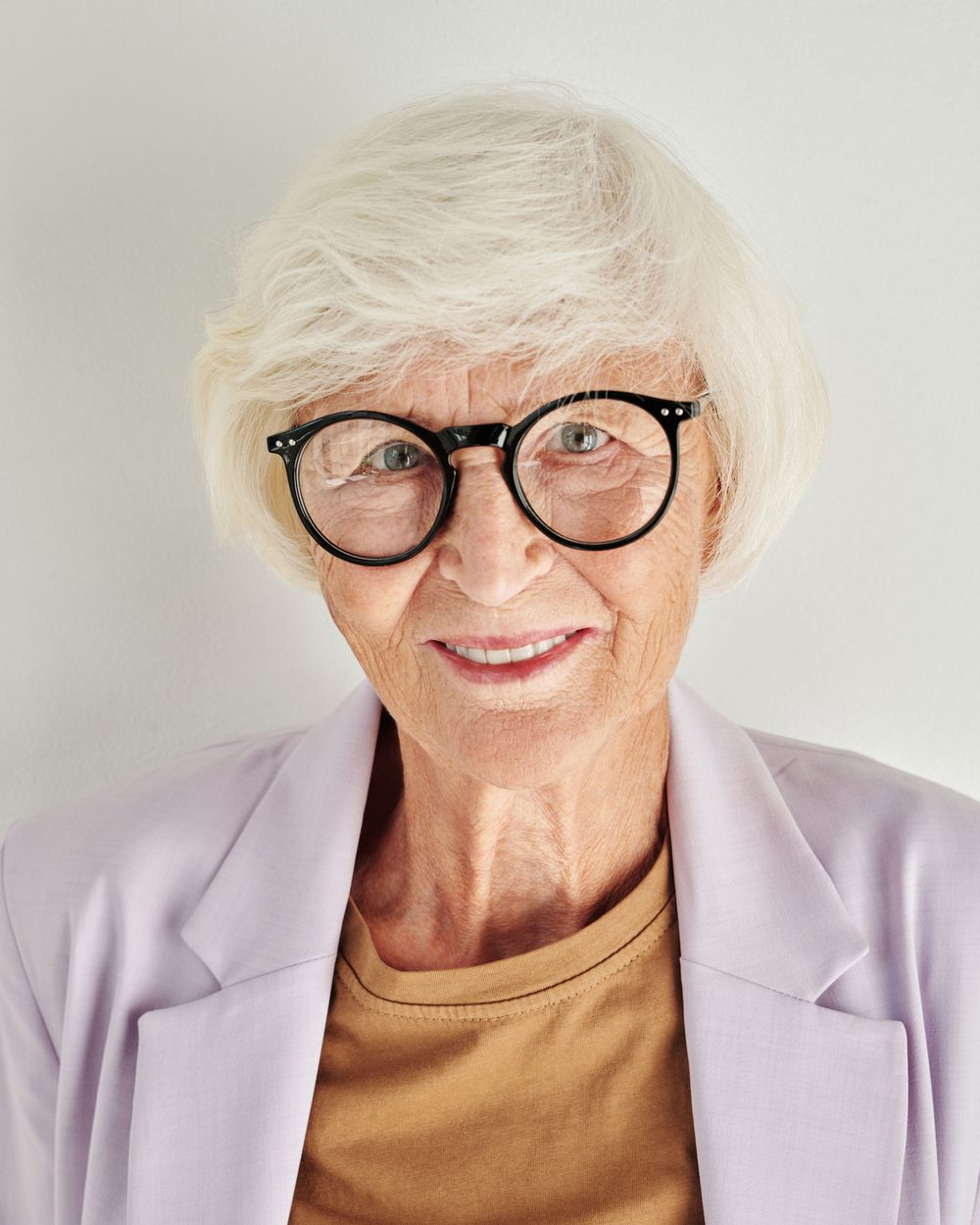
Real photo by Moe Magners on Pexels. AI face by Gemini.
In July 2026, a research team that included Sophie Nightingale and Hany Farid, who showed in 2022 that people couldn’t tell, ran the test again with newer generators. People were right 58% of the time, and they rated faces from the newest generators as more trustworthy than real ones.
What about faces you already know? In November 2025, researchers at Swansea, Lincoln and Ariel universities tested AI images of celebrities, and knowing the face barely helped. But almost none of us have met Brad Pitt. We know a retouched Hollywood version of him, so one more polished picture fits right in. Nobody has run the test with the people in your actual life.
Training does help. In a 2025 study, people who’d had five minutes of training caught about half the fakes. People who hadn’t caught about a third. Most of us never get those five minutes.
I made a trainer to see where I’d land. It uses real stock photos of real people and AI faces made to match them by Midjourney and Google’s Gemini. While I was building it, I stayed away from the answers on purpose. On my first five with no hints, I caught both AI faces and called one real photo fake. Her skin had been smoothed until it barely had pores. That’s retouching, not AI, and it fooled me. Then I went through 118 more and got 87 right, about three in four. That’s better than the people in those studies managed, but the trainer told me after every face whether I got it right, and I still got one in four wrong.

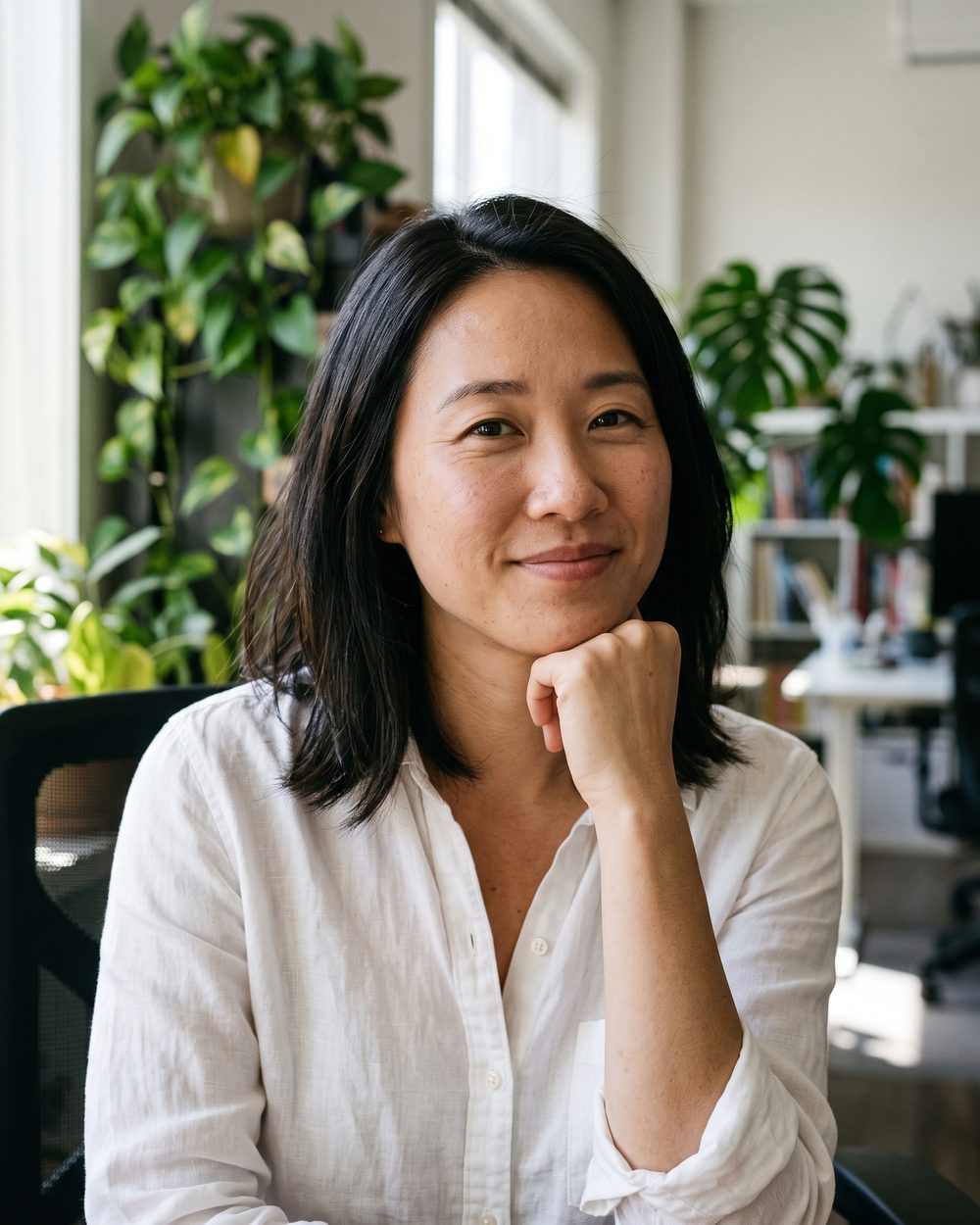
Real photo by Pj Go on Unsplash. AI face by Gemini.
Here’s what I noticed. Zoom in on a Midjourney face and the skin gives it away: the same texture everywhere, and once you see it, it’s blatant. At a normal size, it’s much harder, and Gemini is harder all round. The AI faces are all perfect photographs: perfect people in perfect light. To most people that just reads as a great headshot. To me, it’s unsettling. I’ve started calling it the Disney effect: if they look like they fit in a Disney movie, it’s probably AI. Somebody that attractive would already be famous. So it’s the same answer I gave about my friend’s photo: I could tell, but I also couldn’t.
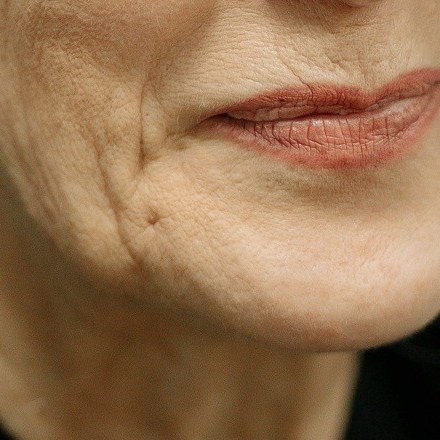
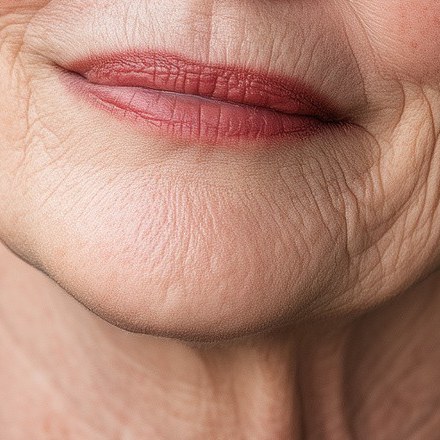
Real photo by cottonbro studio on Pexels. AI face by Midjourney.
In 2026, a research team led by Jacob Long at the University of South Carolina showed 817 people professional headshots, some real and some AI versions of the same people. People rated the AI versions as the better photos. Being told a photo was AI made them think less of the photo, but not less of the person. They didn’t think any more of the person either: none of them knew the people in the photos.
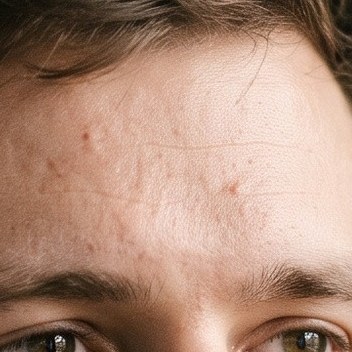
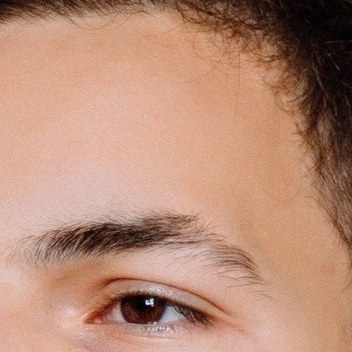
Real photo by Alex Suprun on Unsplash. AI face by Gemini.
That study measured a first look, and a headshot’s job doesn’t stop there. It’s how a stranger stops being a stranger: the client, the panel, the person across the table next week. No study I’ve found follows an AI headshot into that room. What I have is my clients. The most common reason someone books a new headshot with me is some version of “my photo doesn’t look like me anymore,” and usually it’s something a friend, a colleague or a client said to them. People notice when your photo doesn’t match your face. The newest generators are getting better at likeness, so that mismatch may be shrinking. Smaller isn’t the same as gone.
The People Who Know You
From my side of the camera, it’s mixed. My friend’s mom and boss couldn’t tell. But recently, I’ve had clients in the studio point out a coworker who’d used an AI headshot, and they were judging that person just for using it.
Right now, there’s still shame in it, and the research on AI at work says the people hiding it are reading the room correctly. In 2025, a team at Duke found that people expect to be seen as lazier and less competent for using AI, that they really are seen that way, and that they’re less willing to tell their managers and colleagues they used it. At the University of Arizona, admitting to AI use cost people trust in every one of 13 experiments, and being found out cost more. Those studies were about AI for work, not headshots, but it’s the same thing I’m hearing in my studio.
Strangers have no history with you, so there’s no trust to lose. The people who matter do. If it’s a colleague you already struggle with, someone who’s let you down once or twice, finding out their headshot is AI is one more mark on the tally. A 2007 study of trust at work found people put up with about two letdowns before their trust dropped off sharply. If it’s someone you admire, I think it still takes a little something off. That’s trust erosion from the outside: quiet, small, and it adds up. Nobody has measured that with AI headshots yet. My friend didn’t need a study to know it. He just didn’t tell anyone.
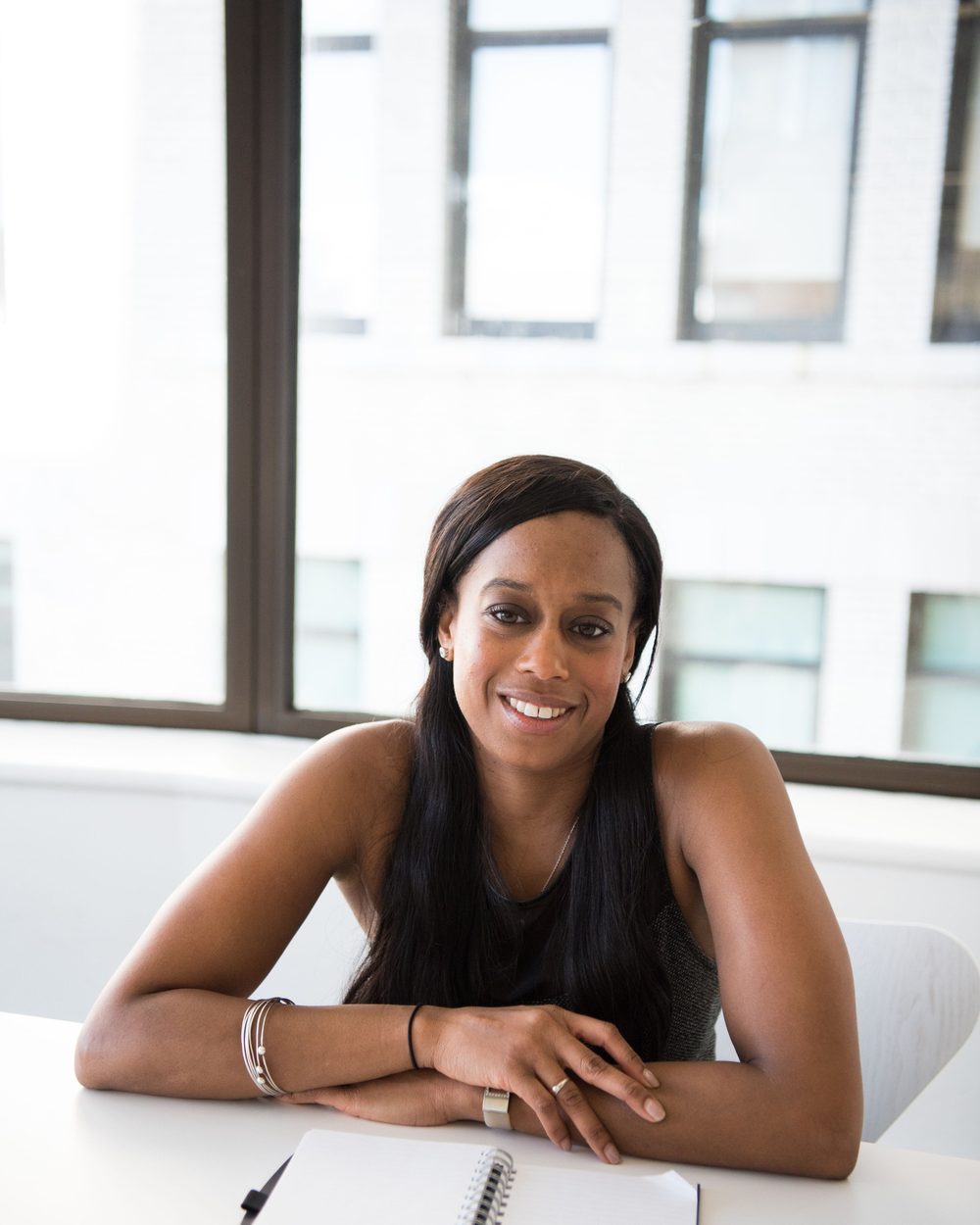
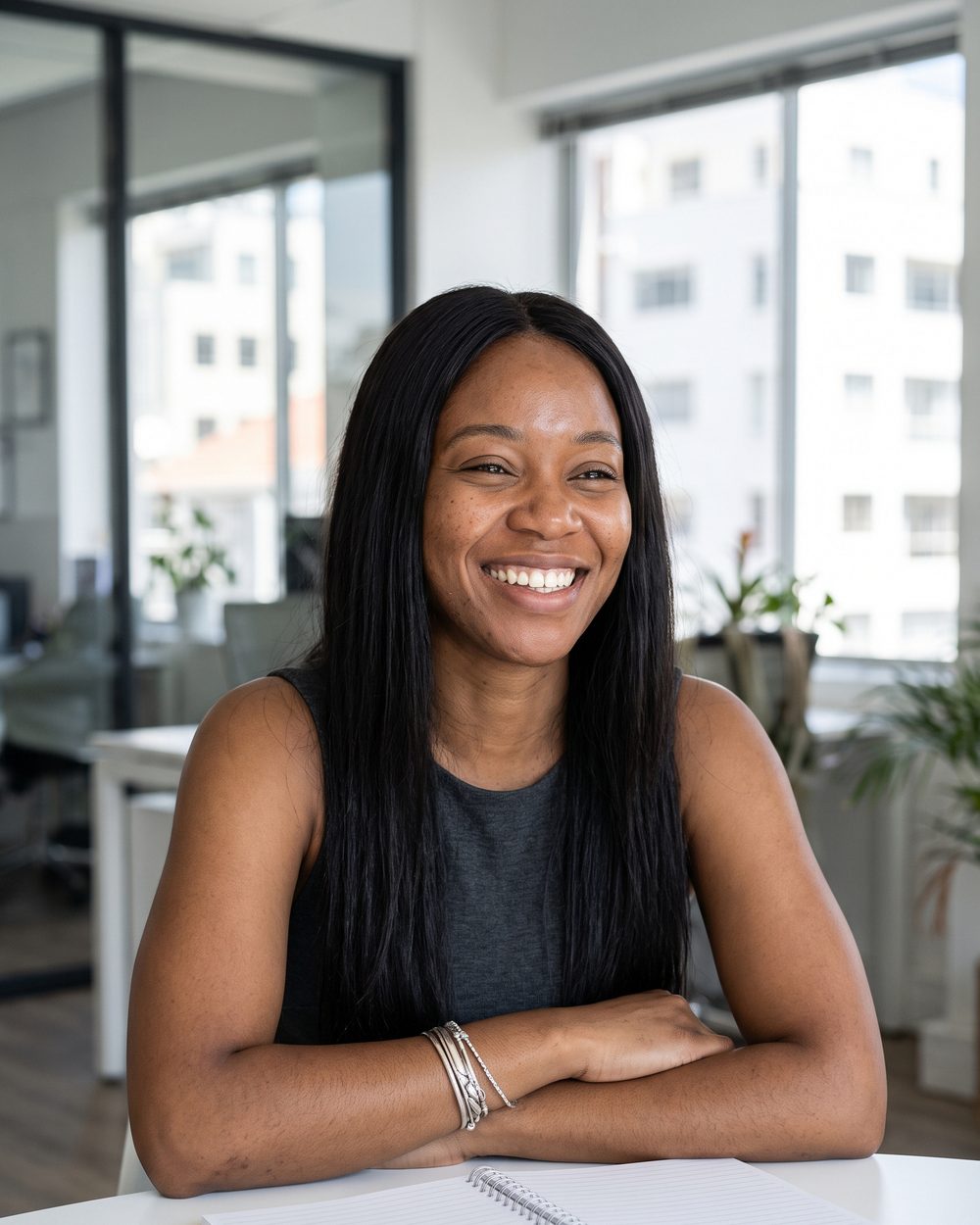
Real photo by Christina Morillo on Pexels. AI face by Gemini.
The Compliment That Doesn’t Land
Go back to my friend’s mom for a second. She loved the photo, and then she asked where he got the jacket. A great photo gets questions, and an AI one needs answers. The first answer is small, easy and believable, which is how most white lies start.
Now flip it around and say you’re the one with the AI headshot. “That’s a great photo of you” still gets said, maybe more than ever, since the AI version is built to flatter. But you know something the person saying it doesn’t, and some part of you knows it isn’t really you they’re responding to. So the compliment doesn’t do what it’s supposed to do. There’s no honest little lift behind it, just a small chip in the armour. And the more people compliment it, the more your confidence drains, because you know it’s not you. That’s trust erosion from the inside, and it might be the more serious kind.
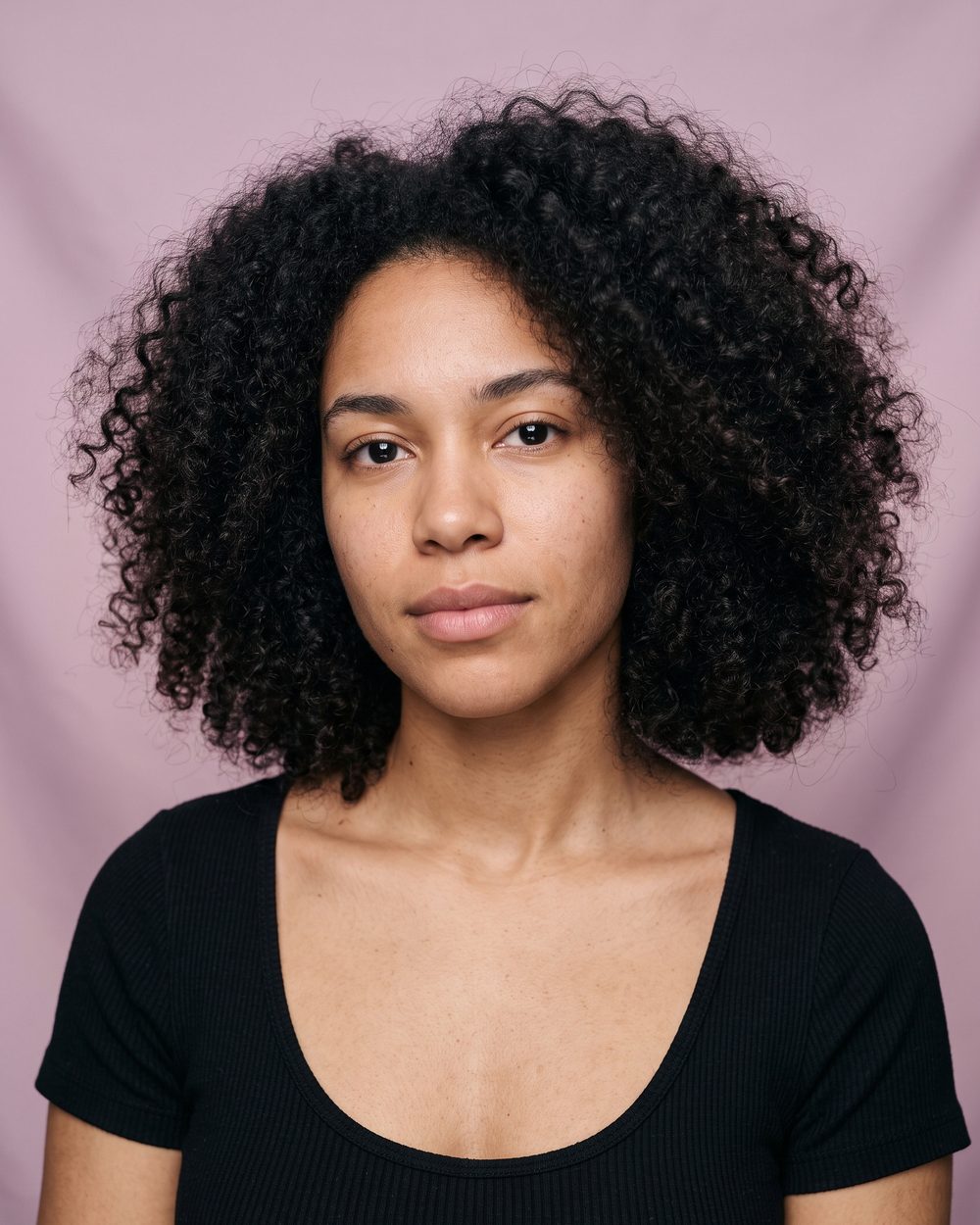
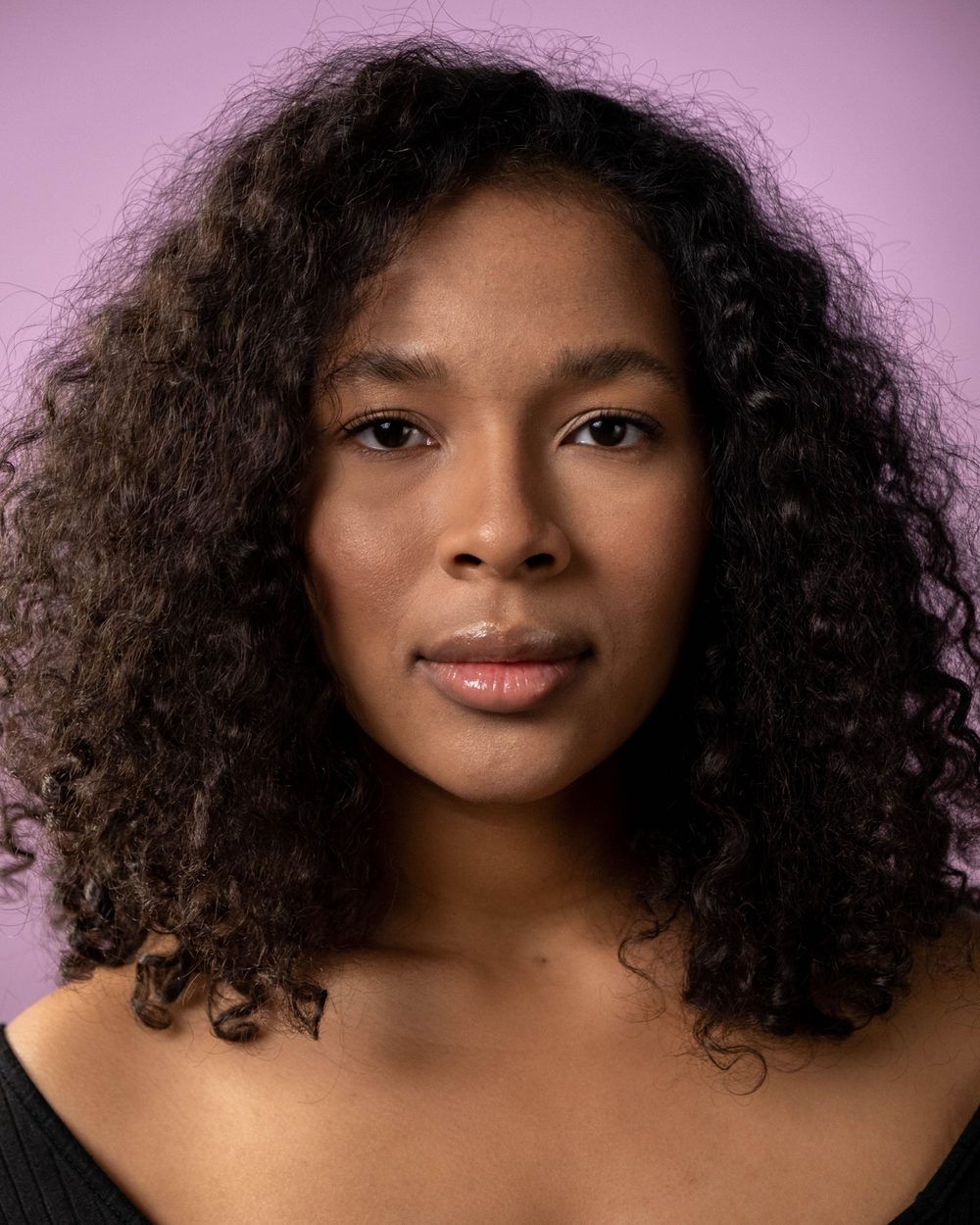
Real photo by cottonbro studio on Pexels. AI face by Gemini.
One photo and one story about a jacket isn’t a crisis, and I’m not going to pretend it is. But a headshot doesn’t get looked at once. It’s in your email signature, on your LinkedIn, in the little circle on every video call you join with your camera off. Each of those is another quiet moment of knowing. I don’t think that sits neutrally, and I don’t think we’ve sat with what it adds up to yet, for one person, let alone for a lot of people doing it at once.
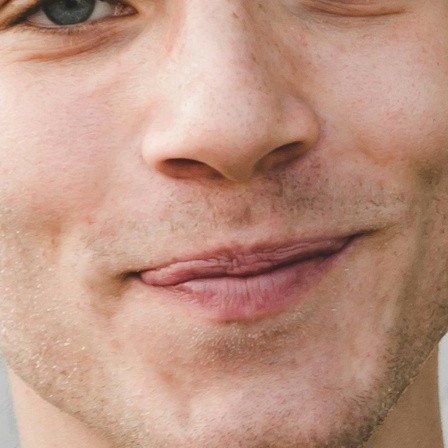
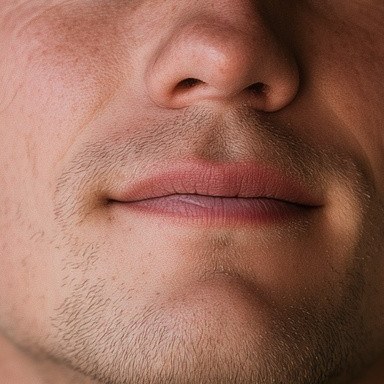
Real photo by ian dooley on Unsplash. AI face by Midjourney.
The Face You Expect to See
Filters gave me a preview of where this goes.
I’ve had people in my studio look at the screen and say, “That’s not what I look like.” When we talk it through, they show me the photos they take of themselves, and they’ve been heavily filtered. Over time, the filtered face has become the one they expect to see. I’m not a therapist, and those conversations go somewhere a headshot session usually doesn’t. But I’ve seen what happens when the picture you carry of your own face drifts away from the real one, and it’s why I feel as strongly as I do about this.
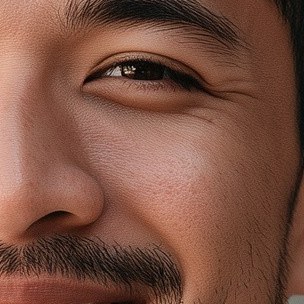
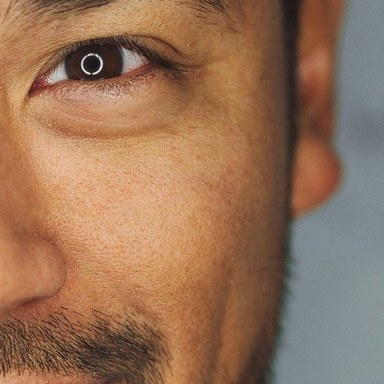
Real photo by Joseph Gonzalez on Unsplash. AI face by Midjourney.
The research is starting to catch up. In 2025, Makenzie Schroeder and Elizabeth Behm-Morawitz at the University of Missouri had people run a slimming filter over their own photos, watch someone else do it, or use a filter that only changed the colour. Filtering their own face hit hardest: those people came away wanting to lose more weight and more focused on how they looked. The researchers describe it as comparing yourself to an “unobtainable, artificial self.” As Behm-Morawitz put it, “Being real is sometimes the healthiest option.”
In October 2026, a study went a step further, from how you see yourself to how you see everyone else. A research team led by Sijia Ma had people play a trust game: one player decides how much money to send a stranger, and the stranger decides how much to send back. Some played with an AI-enhanced version of their own profile photo, some with their original. The ones with the enhanced photo sent less: they trusted the stranger less. Putting an enhanced version of yourself forward made the whole exchange feel riskier. But once someone had trusted them, they sent more back. The study tested beauty filters and virtual makeup, not a fully generated headshot, but it’s the closest anyone has come to measuring what the photo does to the person in it. Here’s how I read it: on one end, you hold back your trust, and on the other, you work harder to earn back trust the photo might have cost you. Either way, you’re working against the face you put up.
It’s a slippery slope that starts with a compliment you can’t quite take. Then the face in your email signature is one you’ve never actually had, and you start measuring the mirror against it. None of it feels like a decision, because it happens a little at a time.
A filter changes the face you see every day. An AI headshot hands you a new one and puts your name under it.
The Bottom of the Slope
This stopped being a thought experiment a while ago, and it started before AI. In 2018, a British cosmetic doctor named Tijion Esho started calling it “Snapchat dysmorphia”: patients bringing filtered selfies to consultations and asking to look like them. It isn’t a formal diagnosis, but surgeons have been seeing it ever since.
Now it’s the AI version. In May 2026, Business Insider talked to New York surgeons and dermatologists whose patients are bringing in AI-generated pictures of themselves. One dermatologist, Rachel Westbay, described a patient who showed her a ChatGPT image with huge, doll-like eyes. “I was shocked,” she said.
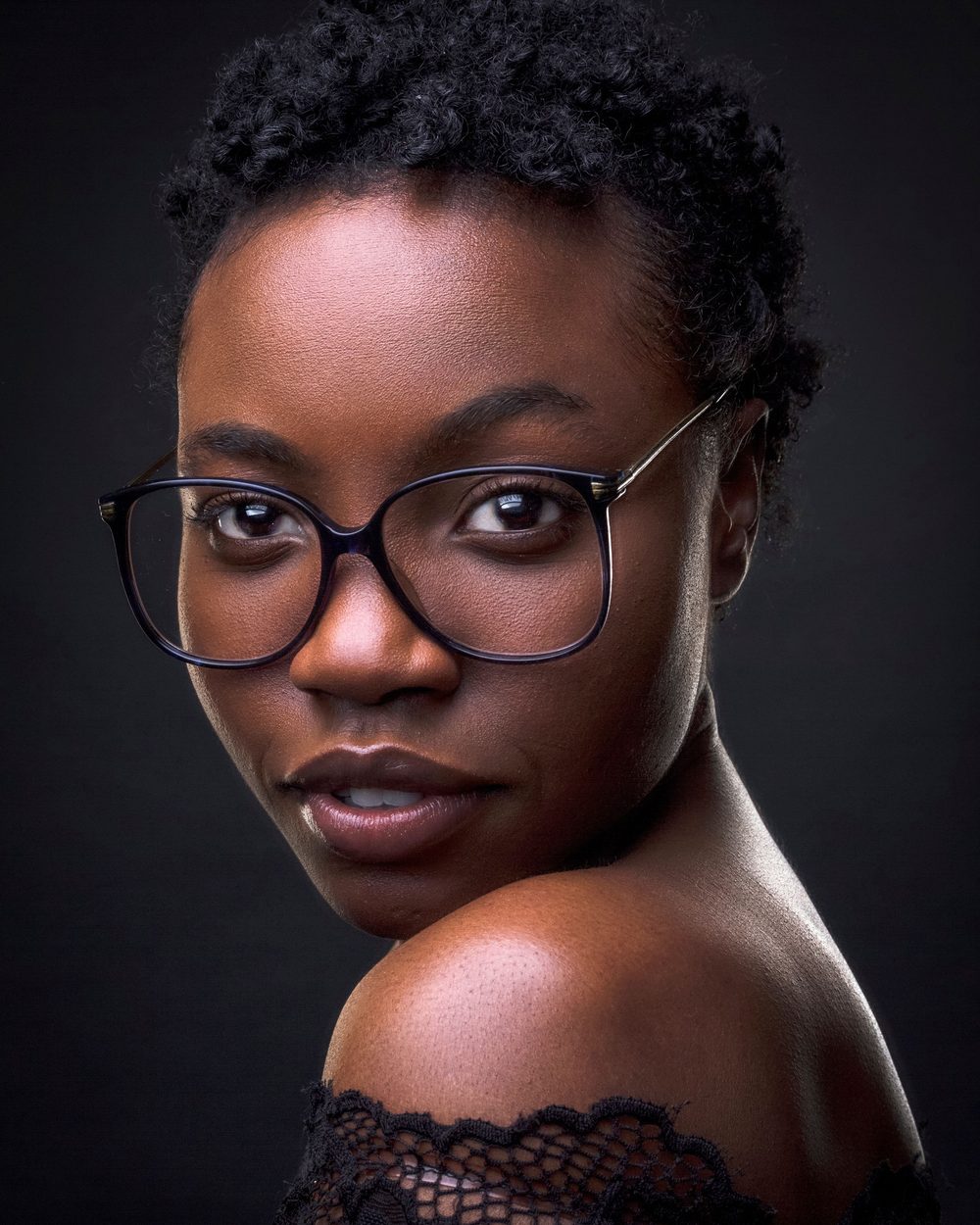
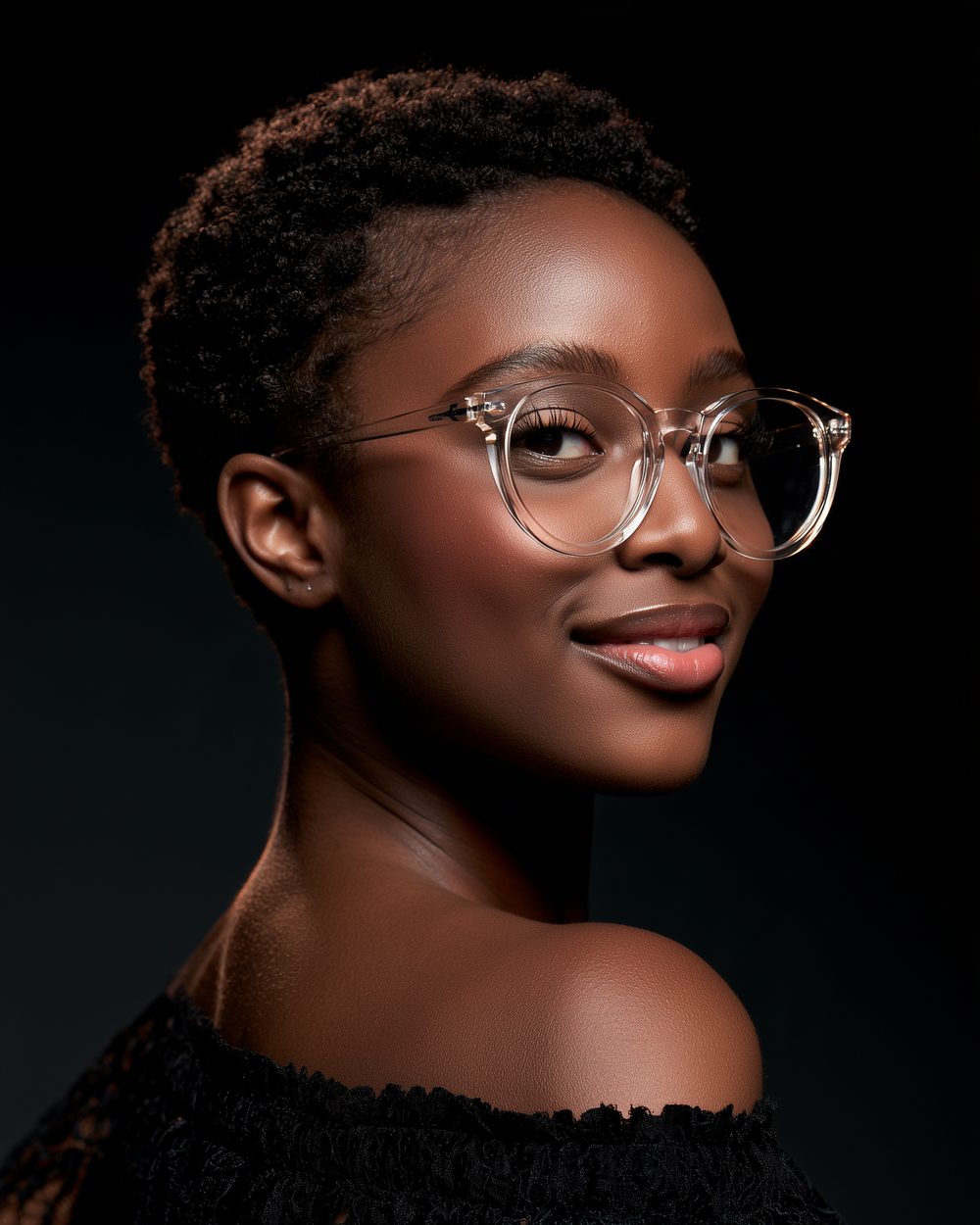
Real photo by Dellon Thomas on Pexels. AI face by Midjourney.
In a small 2024 survey of 68 plastic surgeons, almost three-quarters said patients often or always bring up filters, and four in five were seeing more revision surgeries in those patients. And at Beth Israel Deaconess Medical Center in Boston, Samuel Lin’s team found that people who’d used AI to enhance their photos expected significantly more from plastic surgery, on every outcome they measured.
I don’t think most people with an AI headshot end up in a surgeon’s office. But it’s the same slope, all the way down: the edited face becomes the goal, and the real one becomes the thing to fix.
But Don’t You Retouch?
Yes. Retouching is part of every session I do, so I should say where my own line is.
Mine is the one actors have lived by for years: if makeup could have covered it on the day, retouching can take it out. A breakout, a shaving nick, a stray hair, a collar that bunched. What’s permanent stays: scars, moles, the shape of your face. Lines get softened, not erased. Done that way, retouching works at about the scale of makeup, and makeup barely moves the needle. In a 2015 study by Alex Jones and Robin Kramer, makeup explained about 2% of the differences in how attractive women’s faces were rated. The faces themselves explained 69%.
Not everyone draws the line where I do. Since 2022, Norway has required a label on any retouched ad, right down to a single removed pimple. Makeup done before the shoot needs no label at all. It’s a good law, and it’s written for the people looking at the ads, not the people in them. With an AI headshot, you’re both: the person in the picture, and the one looking at it every day.
Retouching can cross a line, too. Slim a face or take off ten years, and it’s doing a filter’s job. The test actors use still works: when you walk into the room, you have to look like your headshot.


Real photo by Hải Anh on Pexels. AI face by Gemini.
The newest AI headshots might pass that test. What they can’t pass is a simpler one. A retouched photo is an edited record of something that happened: you were in the room, the light hit your face, and that expression was yours, for a second. An AI headshot is a picture of something that never happened. Nobody was there, and nothing in it was ever in front of a camera. Retouching tidies up a moment that happened. An AI headshot invents one, and every compliment it gets is for a moment you never had.
The Uncanny Valley (Sci-Fi Called This)
There’s a name for that creepy feeling you get from a face that’s almost real, but not quite: the uncanny valley. Comfort with something human-like rises steadily the more realistic it gets, right up until it’s almost there, and then it craters into unease. A cartoon robot doesn’t bother anyone. A face that’s 97% correct does.
It comes from a 1970 essay by Masahiro Mori, a Japanese robotics professor, and it was practical advice to robot designers: don’t chase perfect human likeness, stop at a safe plateau short of it.
AI headshots ignored his advice and kept climbing, and by current research, they’ve made it across. The faces read as real, sometimes as more trustworthy than real. So for most people looking, nothing feels off anymore. The person in the photo still knows, though, and that’s not a comfortable thing to carry around.
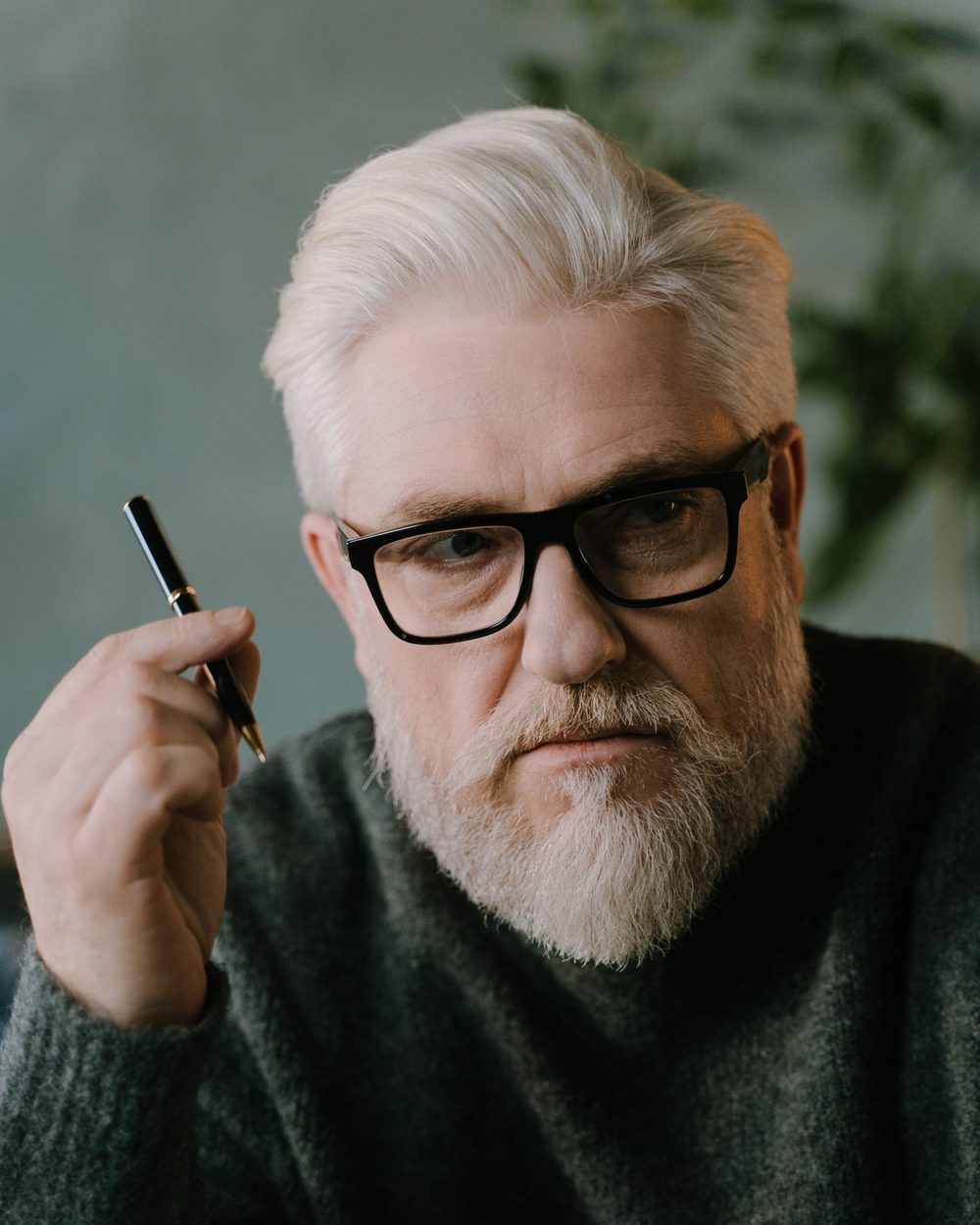
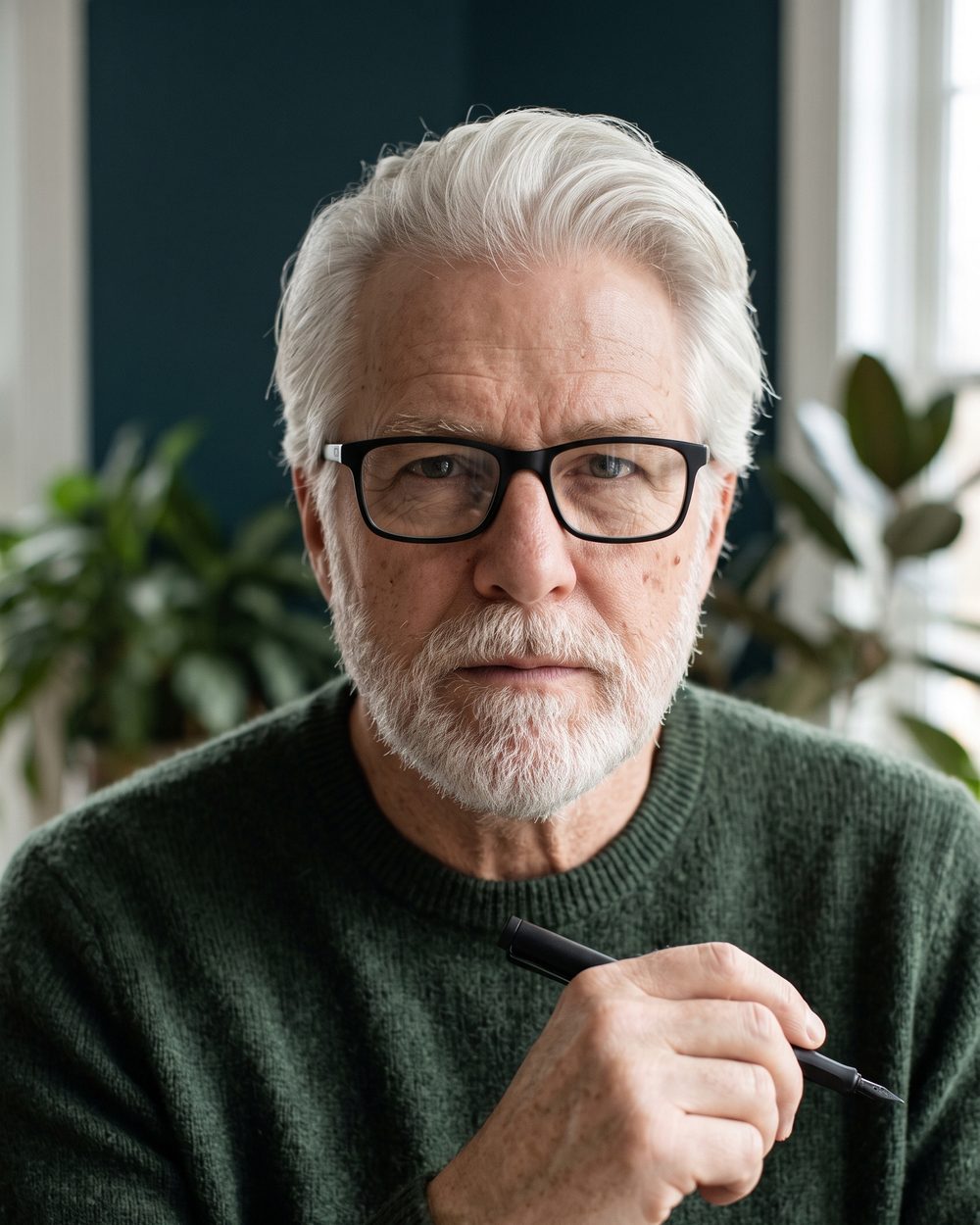
Real photo by cottonbro studio on Pexels. AI face by Gemini.
I’m a lifelong sci-fi reader, mostly dystopian, mostly convinced these books were trying to warn us. Philip K. Dick built Do Androids Dream of Electric Sheep? around the idea that you couldn’t tell a synthetic person from a real one just by looking; you needed a test that measured empathy. LinkedIn has actually had a version of that since 2022. It checks profile photos for AI, to catch fake accounts. My friend’s got through just fine.
Huxley got there earlier with Brave New World, a society engineered for sameness. Swap the assembly line for an AI model and you’ve basically got the pitch deck for half these headshot apps. Research found the AI faces that fool people best are the least distinctive ones. Feed enough selfies through the same few tools and the results drift toward the same lighting, the same smoothing, the same slightly-too-symmetrical features. You end up trading identity for a template.
What a Camera Actually Captures
Here’s what I think sits at the centre of all this. What I do comes down to building a real connection with someone in the room before I ever take the shot. By the time the camera comes up, we’re already talking, laughing, present with each other. The photo is just what that conversation looked like for a second, and the camera happened to be at my eye when it did. There’s no app that can generate that from a handful of selfies, because there’s no conversation to generate it from.
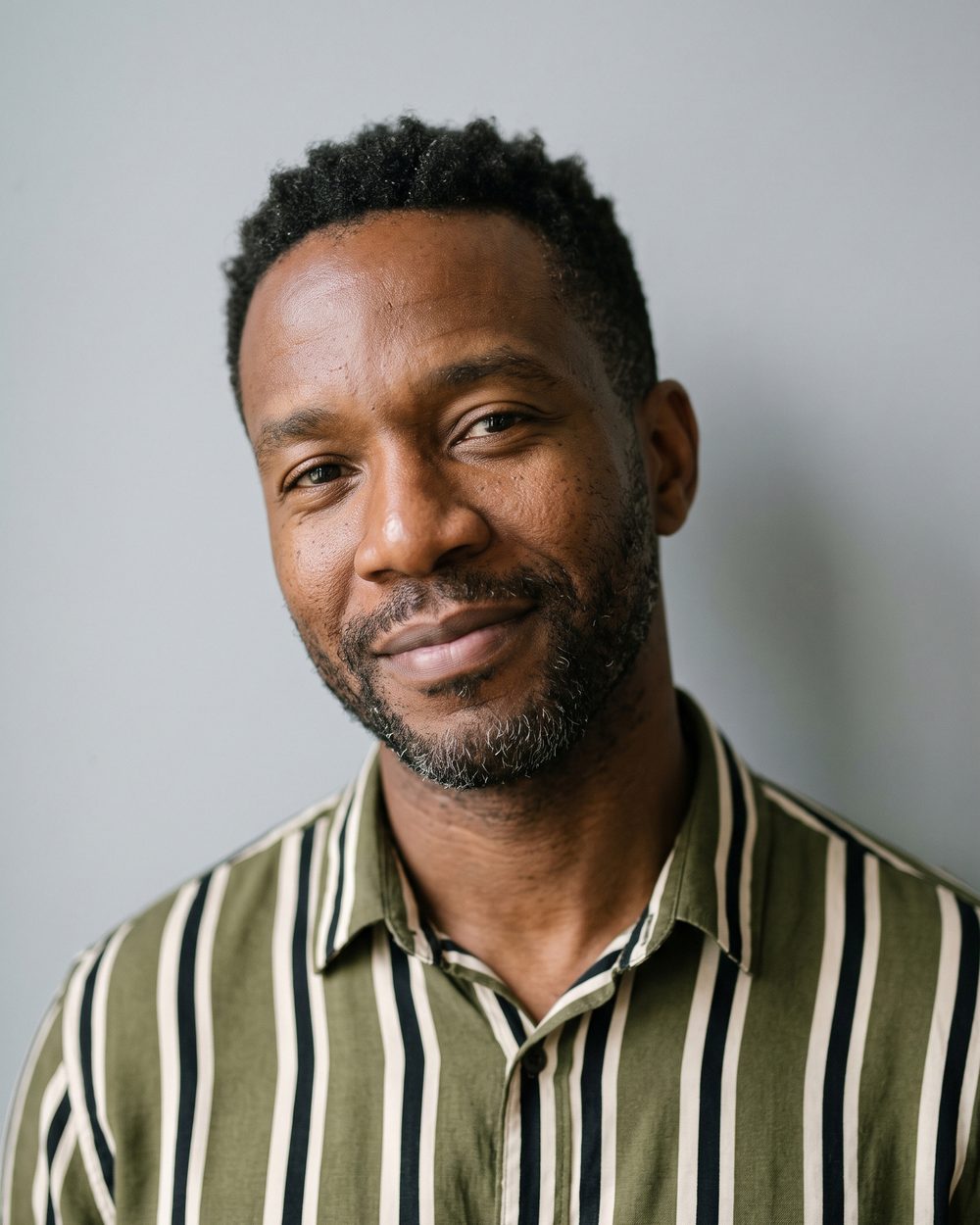
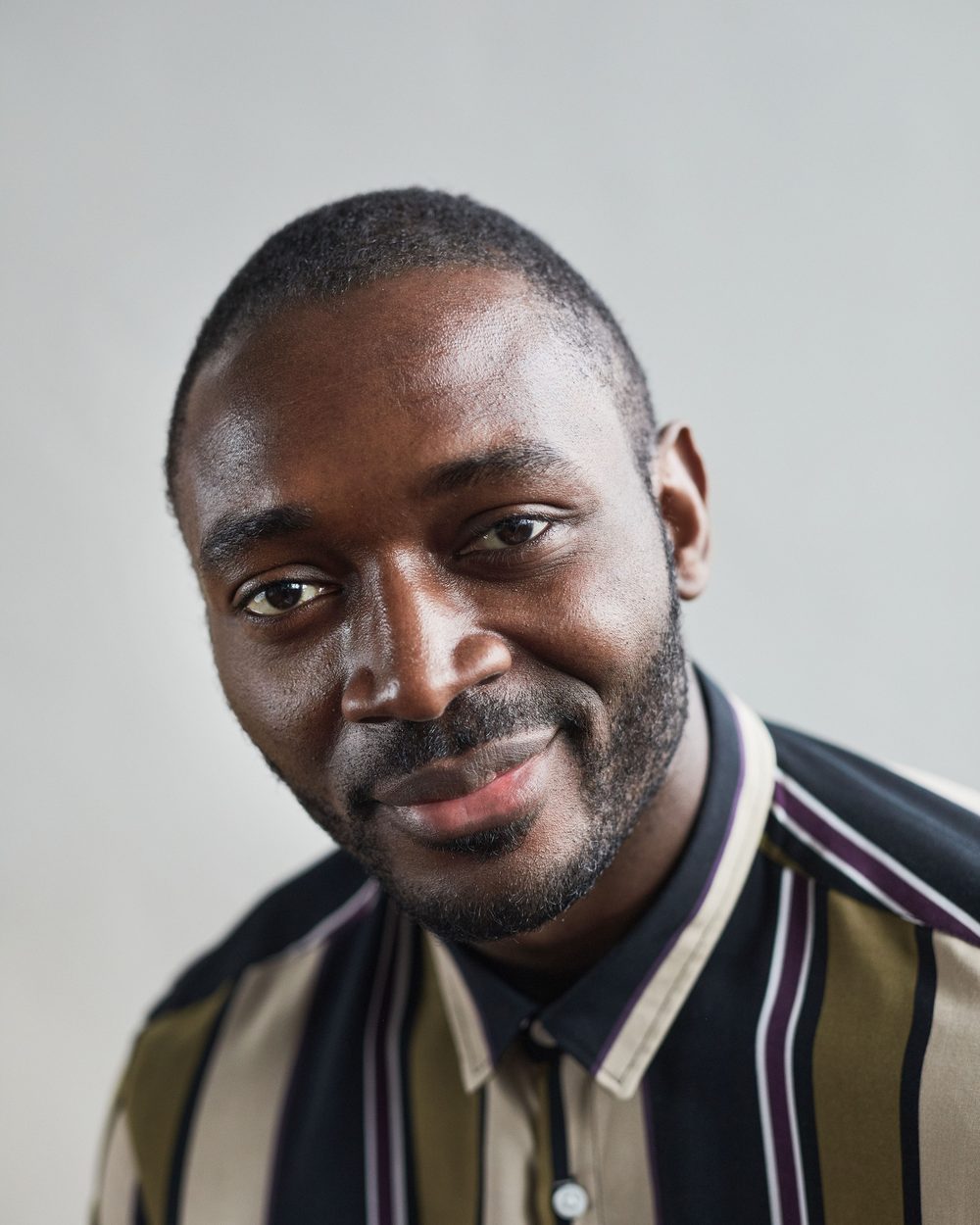
Real photo by August de Richelieu on Pexels. AI face by Gemini.
And the person in the photo always knows. They were there. The light was real, and the expression was theirs. So when someone tells them it’s a great photo, they can just take it, because it’s true. That’s the slope running the other way: every compliment adds a little instead of taking something away.
Where This Leaves Things
I’m not going to pretend I know how this plays out. Right now, there’s shame in it. Maybe in a few years nobody cares. The 2026 trust study hints at that: once both people had the enhanced face, the effect disappeared. I can’t tell you that’s wrong, and I’m not going to tell you it’s good news for photographers either.
I get why people do it. It’s fast, it’s cheap, and when you need a photo today, it’s the easy fix. What I keep asking is what it costs. I don’t mean the price. I mean the trust: other people’s in you, and yours in yourself. And if a lot of us go down that road at once, what does it cost all of us?
A headshot is supposed to make you feel better about yourself. That’s the job. An AI headshot does the opposite, a little more every time someone tells you it’s great.
If you know someone who’s thinking about getting one, maybe send them this first. And if you want a real headshot but don’t know where to look, tell me where you are and I’ll help you find a photographer near you.
Sources
- Dunn, J. D., White, D., Sutherland, C. A. M., Miller, E. J., Steward, B. A., & Dawel, A. (2026). Too good to be true: Synthetic AI faces are more average than real faces and super-recognizers know it. British Journal of Psychology. Link
- McGuire, A., Taylor, P., Nightingale, S., Bohacek, M., & Farid, H. (2026). AI-generated faces are becoming more trustworthy. Journal of Vision, 26(7), 3. Link
- Kramer, R. S. S., Jones, A. L., Fitousi, D., & Tree, J. J. (2025). AI-generated images of familiar faces are indistinguishable from real photographs. Cognitive Research: Principles and Implications, 10, 70. Link
- Gray, K. L. H., Davis, J. P., Bunce, C., Noyes, E., & Ritchie, K. L. (2025). Training human super-recognizers’ detection and discrimination of AI-generated faces. Royal Society Open Science. Link
- Long, J., Xiao, J., McCray, S. S., Ağaoğlu, E., Alajmi, A. M., Akalonu, C. P., & Xu, Y. (2026). Perceptions of AI-generated profile pictures: Effects on quality, attractiveness, and trustworthiness. Cyberpsychology, 20(4), Article 3. Link
- Elangovan, A. R., Auer-Rizzi, W., & Szabo, E. (2007). Why don’t I trust you now? An attributional approach to erosion of trust. Journal of Managerial Psychology, 22(1), 4 to 24. Link
- Reif, J. A., Larrick, R. P., & Soll, J. B. (2025). Evidence of a social evaluation penalty for using AI. PNAS, 122(19), e2426766122. Link
- Schilke, O., & Reimann, M. (2025). The transparency dilemma: How AI disclosure erodes trust. Organizational Behavior and Human Decision Processes, 188, 104405. Link
- Schroeder, M., & Behm-Morawitz, E. (2025). Digitally curated beauty: The impact of slimming beauty filters on body image, weight loss desire, self-objectification, and anti-fat attitudes. Computers in Human Behavior. Link
- Ma, S., Wang, C., Zhang, X., & Lu, T. (2026). Facade of trust: The impact of adopting AI-enhanced profile pictures on trust. Information Systems Research. Link
- Business Insider (May 2026). Surgeons and dermatologists on patients bringing AI-generated images of themselves. Link
- Futurism (May 18, 2026), reporting Business Insider: People are getting plastic surgery to look more AI-generated. Link
- Veras, E. M., et al. (2025). Influence of social media filters on plastic surgery: A surgeon’s perspective on evolving patient demands. Cureus, 17(3), e80483. Link
- Taritsa, I. C., Foppiani, J. A., Escobar, M. J., Lee, D., Nguyen, K., Hernandez Alvarez, A., Schuster, K. A., Lee, B. T., & Lin, S. J. (2025). Impact of artificial intelligence (AI) image enhancing filters on patient expectations for plastic surgery outcomes. Aesthetic Plastic Surgery, 49, 3849 to 3857. Link
- Jones, A. L., & Kramer, R. S. S. (2015). Facial cosmetics have little effect on attractiveness judgments compared with identity. Perception, 44(1), 79 to 86. Link
- Norwegian Consumer Authority. Guideline on labelling retouched advertising. Link
- Catania, M. What should an actor look for in a headshot retoucher? Backstage. Link
- Mori, M. (1970). The uncanny valley. Translated 2012 by K. F. MacDorman & N. Kageki. IEEE Spectrum. Link
- LinkedIn (Oct 25, 2022). New LinkedIn profile features help verify identity, detect and remove fake accounts, boost authenticity. Link